
REVIEW · LAOS
The Wild Explorer – 3 days forest trek with homestay and camping
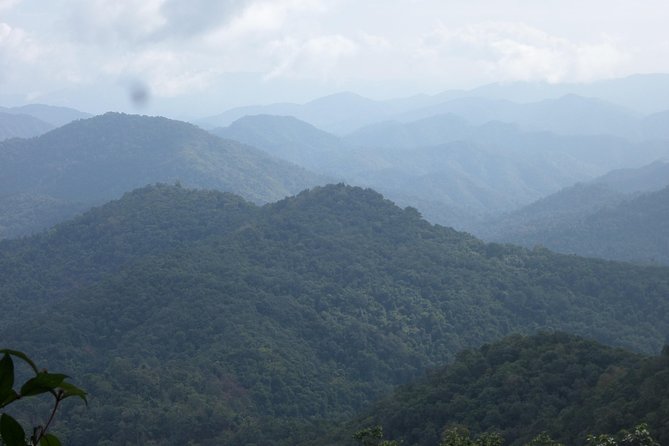
The Wild Explorer is a proper three-day jungle trek, not a gentle nature walk. You’ll spend about seven hours hiking each day in Nam Ha National Protected Area, then sleep near a small stream on a mountain peak where sunrise views reward the long climb. The forest setting is the main event, with village life and local cooking woven into the route.
I like the way the trip teaches useful skills rather than simply marching you through the trees. You may learn to build a campfire, gather wild vegetables, and cook food in bamboo. I also like that the fee supports local guides, village access, and forest conservation. The catch is simple: this is a hard hike, and wet, slippery weather can make it much harder.
Key points at a glance
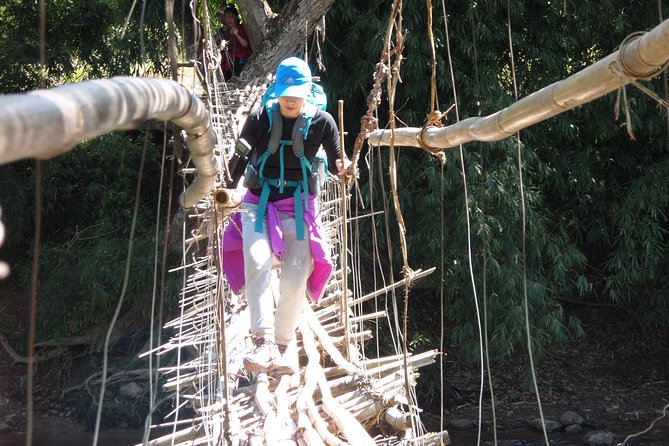
- Seven hours of jungle walking each day: Prepare for a demanding route with steep and slippery sections.
- Two nights in the forest: Tents, sleeping bags, mattresses, and mosquito nets are supplied.
- Food made from forest ingredients: You may gather wild vegetables and help prepare local-style meals in bamboo.
- Sunrise from a mountain campsite: The high camp near a stream offers wide morning views.
- Local guiding and village support: Your fee includes local guide wages, village fees, and forest conservation funds.
- Small-group format: The stated maximum is eight people, which should make communication and pacing easier.
Three days inside Nam Ha National Protected Area
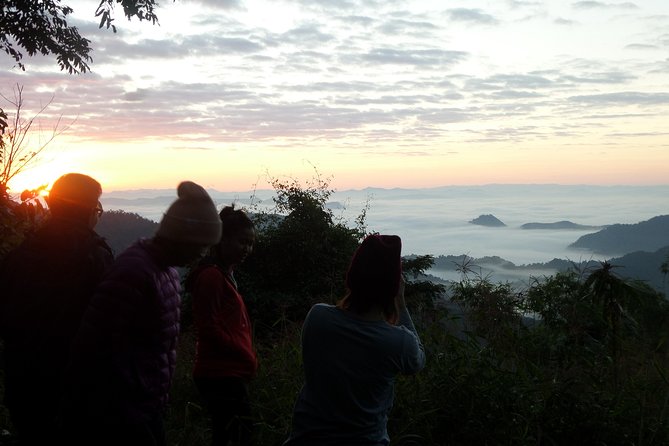
This experience takes place in and around Nam Ha National Protected Area near Luang Namtha, in northern Laos. The route is built around long days on foot, with roughly seven hours of jungle trekking each day. That figure matters more than the three-day label. You are not simply visiting the forest for a few hours, you are living in it for two nights.
The route is described as difficult, so you should expect uneven ground, forest trails, changes in elevation, and sections that can become slippery in rain. The exact path may vary, and the operator uses local guides who know the area. Guides such as Xai, Peng, Pheng, Jaiy, and Pent have been praised for explaining village life, agriculture, local culture, and the forest. Your assigned guide may be different, so ask at booking if a particular guide is important to you.
The trip begins at 8:30 am at The Hiker Travel Agency on Main Street in Phonexay Village, Luang Namtha. It ends back at the same meeting point after three days. The return to town is useful if you have onward plans, but do not schedule a tight connection immediately afterward. Long forest days, weather, and trail conditions can affect timing.
More Forest and Jungle Hikes in the world:
- Small Group Waterfall and Rainforest Hiking Adventure on Maui
★ 5.0 · 1,417 reviews - Hike El Yunque Rainforest and Kayak Bio Bay Combo Tour
★ 4.5 · 1,010 reviews - Chiang Mai: 2-Day Jungle Trek with Elephant Farm & Raft Ride
★ 4.7 · 881 reviews
Day one: leaving Luang Namtha for the forest
The first day takes you into Nam Ha National Protected Area. Lunch is included, as is dinner, and the day introduces the rhythm of the trek: walk, learn, gather, cook, and settle into camp.
A local guide is especially useful here. In a large protected area, route-finding is not something you want to handle from a phone map. A guide can choose the safest available path, explain what you are seeing, and help the group move through the forest without treating it like a marked city park.
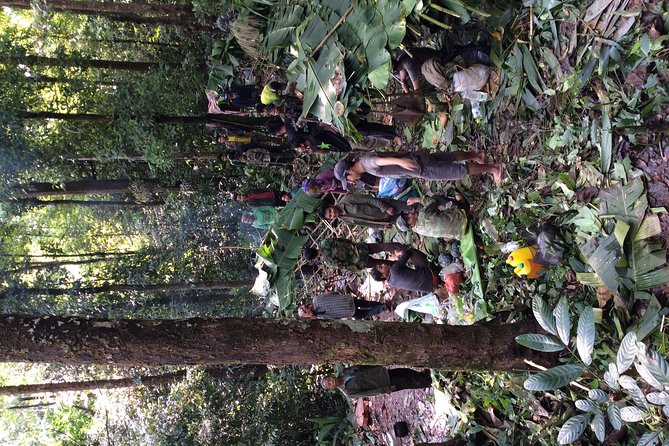
The food is part of the experience. Meals use forest ingredients, and you may pick wild vegetables before helping prepare them. Cooking local-style food in bamboo gives the evening a practical focus. It is not a restaurant meal carried into the woods. You take part in a simple forest kitchen, which makes the stop feel tied to the place.
Dinner is included on day one, but not on day three. Breakfast begins on day two, so bring enough personal snacks for the gaps between meals. The supplied food has received strong praise, but it is still local trekking food rather than a menu built around personal preferences. If you have allergies or dietary limits, tell The Hiker before departure.
Day two: long trails and a high forest camp
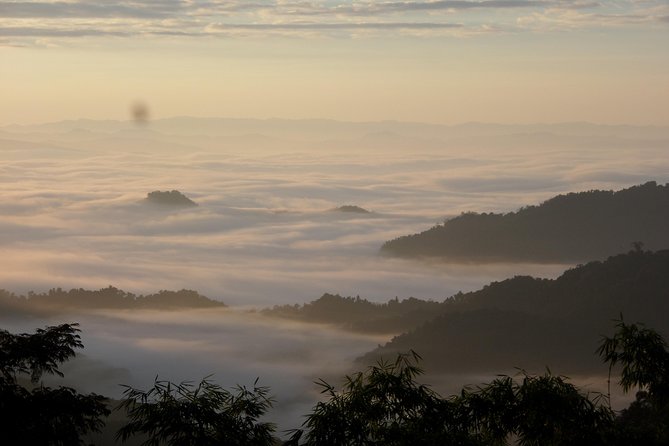
Day two is likely to be the central test of the trip. Breakfast is included, then you return to the trail for another long day. The route can include challenging and slippery ground, especially in bad weather. The reward is a night at a campsite near a small stream and on a mountain peak.
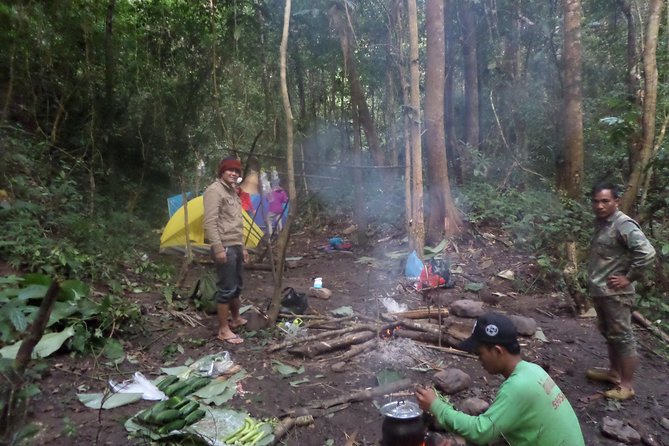
That location gives the camp a clear sense of place. You are not sleeping in a hotel near the park entrance. You are spending the night in the forest, with the sound of water nearby and a high position for sunrise. The campsite is one of the strongest reasons to choose this trek over a shorter daytime walk.
Camping gear is included: a tent, sleeping bag, mattress, and mosquito net. The information also allows for making your own shelter, so ask the guide how the night will be arranged. Do not assume that the setup will feel like a fixed campground with platforms, toilets, or other comforts. The supplied details do not promise those facilities.
Day two dinner is included and may again involve food prepared from natural forest ingredients. The guides’ cooking skills have been singled out as a highlight, especially after difficult walking. That is worth remembering when the trail feels long. The evening is not just a rest stop, it is part of the cultural side of the trip.
Day three: one more forest morning before Luang Namtha
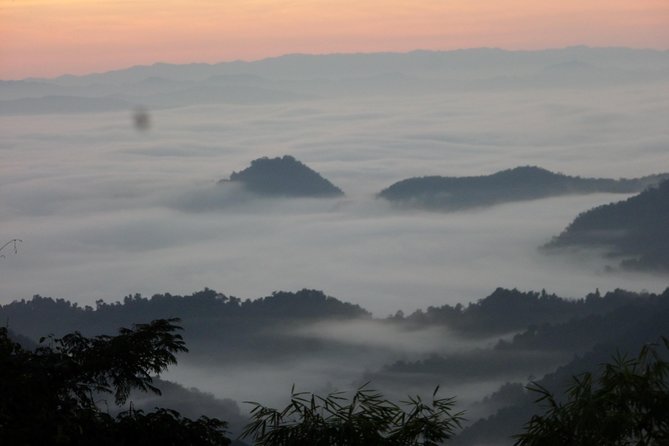
The third day starts with breakfast at camp, followed by more trekking and a return to the meeting point. The sunrise is the memorable feature here. A mountain-top campsite gives you a chance to see the forest from above as the day begins, provided clouds and weather cooperate.
Lunch is included on day three, but dinner is not. The final day may feel easier if the route is descending, or harder if your legs are tired and the ground is wet. You should think of the full itinerary as three demanding days, not two active days followed by a relaxed finish.
The listing identifies Nam Ha National Protected Area as the main stop rather than promising a fixed series of named attractions. That is a good match for people who want time in the forest, but less ideal if you prefer a tightly scripted sightseeing tour. Much of the value comes from the guide, the route, the camp, and the daily pace.
More Homestay and Village Treks in the world:
- From Hanoi: 2-Day Sapa Trekking Trip with Homestay & Meals
★ 4.8 · 704 reviews - Number one top rated ethical cultural trekking and homestay by ETHOS
★ 5.0 · 456 reviews - 2-Day Sa Pa Ethnic Homestay Tour & Trek with Limousine Bus
★ 4.8 · 440 reviews - Hanoi – Sapa 3 Day 2 Night Trekking With Hotel & Homestay
★ 5.0 · 389 reviews
Homestay options and route changes
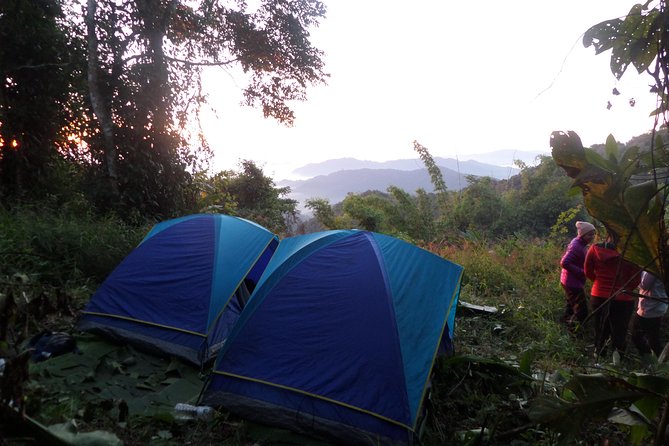
The main description focuses on two nights of camping. Some versions of the trip have included a homestay, and custom arrangements have been made with one night in a village and one night camping. Other versions have included kayaking alongside trekking.
These changes are not part of the stated base itinerary, so do not assume they are included in the $154 price. If a homestay or kayaking matters to you, ask The Hiker to confirm the exact route, overnight arrangements, meals, and extra cost before paying.
A homestay changes the feel of the trip. You get more direct contact with village life, while camping gives you a stronger forest experience and a mountain sunrise. Neither is automatically better. The right choice depends on whether you want local household life, a wilder night outdoors, or a mix of both.
What you learn beyond the trail
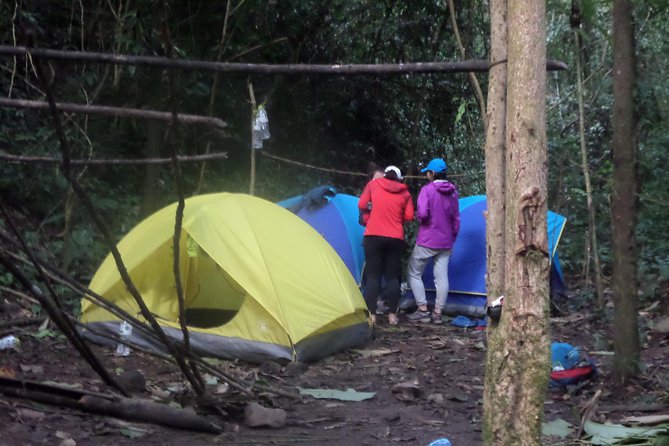
The Wild Explorer has more to offer than scenery. Campfire building and basic survival skills are built into the experience, and the guides can explain how people use the forest and farmland around the villages.
The best guide-led walks connect small details to daily life. A plant is not just a plant, and a trail is not just a trail. With a good local guide, you may learn about agriculture, village customs, forest conservation, and the practical use of natural ingredients. Guides such as Peng and Xai have been praised for clear English and for explaining local life in an approachable way.
English ability can vary by guide. One negative account described a poor communication experience and disappointment about wildlife sightings. That is a fair warning to discuss expectations before you go. Ask what language your guide speaks well and what level of interpretation you can expect.
Wildlife is possible, but it is not guaranteed. The forest is the setting, not a wildlife viewing enclosure. One account reported seeing only a frog, while the stronger appeal of the trip was the forest, views, food, and local contact. Book this for the walk and the setting, not because you expect a list of animals.
Food, water, and forest cooking
Lunch is included on all three days. Breakfast is included on days two and three, and dinner is included on days one and two. The meal plan fits the route, but you should note the missing first-day breakfast and final-day dinner when preparing.
The food is one of the most distinctive features. Rather than relying only on packed meals, the guides use natural forest ingredients, including wild vegetables that you may help collect. Cooking in bamboo adds a practical local touch and can turn a tiring evening into one of the day’s best moments.
Carry personal snacks and pocket money. The tour information specifically recommends pocket money, and a small reserve is sensible for anything outside the included meals. The provided details do not state how drinking water is handled, so ask before departure and follow the guide’s advice about safe water.
The gear you need to bring
The supplied equipment covers the main sleeping needs, but you are responsible for most hiking gear. Bring a rucksack, hiking boots, a hat, sunscreen, mosquito spray, a torch, spare clothes, warm clothes, and a raincoat during the wet season.
You also need clothes and shoes that can get wet. This is not a place for keeping your best travel outfit clean. Pack a dry change of clothes and protect anything electronic from rain.
The list of required items tells you a lot about the trip. A torch matters at a remote campsite. Warm clothing matters on a mountain peak, even in a warm country. Mosquito spray matters in forest conditions. Good boots matter most of all, since tired feet and wet trails can quickly spoil an otherwise fine trip.
Is $154 good value?
At $154 per person, the price covers three days of guiding, meals listed in the itinerary, camping equipment, park and village-related fees, and the community-based tourism and forest conservation funds. That is a solid package for an overnight wilderness trip, especially since you do not need to hire a tent, sleeping bag, mattress, or mosquito net separately.
The value is strongest if you want a genuine, active forest stay. You are paying for local route knowledge, practical support, and access to a trip that would be difficult to arrange alone. The conservation and village funds also give the price a useful local purpose.
The value is weaker if you want comfort, wildlife certainty, or a relaxed pace. The tour does not include a backpack, boots, clothing, rain gear, or personal snacks. Group discounts may be available, and the stated maximum is eight people, so ask for the current group rate and final group size.
The tour is often booked about 17 days ahead. That is useful planning information, especially if your Luang Namtha schedule is fixed. Confirmation is provided when you book, and free cancellation is available until 24 hours before the start time. Poor weather or failure to meet the minimum group size can lead to a different date, another experience, or a full refund.
Who should book the Wild Explorer?
You should consider this trek if you enjoy long walks, simple camping, local food, and learning by doing. It suits hikers who want more than a quick forest outing and who are comfortable with changing weather and basic conditions.
Families with older, fit children may find the cultural side appealing, and one guide has been praised for working well with children. Still, the seven-hour walking days and difficult trail mean you should judge fitness carefully. The tour requires a strong physical condition, not just general holiday energy.
You should think twice if you dislike wet clothes, mosquitoes, basic camps, or uncertain wildlife sightings. You should also ask about the guide’s English and the precise overnight plan if communication or comfort is important to you.
Final call: a hard trek with real local texture
I would choose The Wild Explorer for the combination of long forest days, local cooking, and mountain camping. The strongest parts are practical and human: a local guide finding the route, food cooked in bamboo, village connections, and sunrise from a high camp.
I would not book it as a guaranteed wildlife tour or a comfortable nature retreat. Confirm the guide, route, group size, camping or homestay plan, and food arrangements before departure. If you arrive prepared for a tough hike and simple nights outdoors, the $154 price buys a memorable piece of northern Laos rather than a quick look at it.
FAQ
How long is the Wild Explorer trek?
The activity lasts approximately three days, with about seven hours of jungle trekking each day.
Where does the trek take place?
The trek takes place in Nam Ha National Protected Area near Luang Namtha, Laos.
What time and where does the tour start?
It starts at 8:30 am at The Hiker Travel Agency, 17A Main Street, Phonexay Village, Luang Namtha 03000, Laos.
Where does the tour finish?
The activity ends back at the same meeting point where it starts.
Are camping supplies included?
Yes. The included gear consists of a sleeping bag, mattress, mosquito net, and tent. The trip information also mentions the option of making your own shelter, so confirm the exact setup with the provider.
Are meals included?
Breakfast is included on days two and three. Lunch is included on all three days. Dinner is included on days one and two only.
What should I bring?
Bring a rucksack, hiking boots, a hat, sunscreen, mosquito spray, a torch, clothes and shoes that can get wet, spare clothes, warm clothes, pocket money, and a raincoat during the wet season.
Can I cancel the tour for a refund?
You can cancel at least 24 hours before the local start time for a full refund. Cancellations or changes made less than 24 hours before the start time are not accepted for a refund. Poor weather or failure to meet the minimum group size may result in a different date, another experience, or a full refund.
More Three-Day Trips around the world
- Sapa 3 Days 2 Nights Trekking Tour (1 Night In Ta Van Village, 1 Night In Hotel)
★ 5.0 · 699 reviews - 3-Day Trekking Adventure of Sapa from Hanoi – Stay Ta Van Village
★ 5.0 · 611 reviews - From Marrakech: 3-Day Mount Toubkal Climbing Trek
★ 4.7 · 597 reviews - 3-Day Ethical Orangutan Jungle Trek | Bukit Lawang, Sumatra
★ 5.0 · 401 reviews
Just added around the world
- Rovaniemi: Korouoma Frozen Waterfalls Hike & Hot BBQ Lunch★ 4.9 · 90 reviews
- Hidden Waterfalls Hiking Adventure★ 5.0 · 148 reviews
- Hike to Frozen Waterfalls of Korouoma Including BBQ Lunch from Rovaniemi★ 5.0 · 84 reviews
- Private Family Hike in Yosemite★ 5.0 · 37 reviews
- Private Guided Hiking Tour in Yosemite★ 5.0 · 94 reviews
- Guided Yosemite Hiking Excursion★ 5.0 · 80 reviews
- Yosemite Valley Private Hiking Tour★ 5.0 · 83 reviews
- From Valencia: Cala del Moraig Hiking & Beach Trip★ 4.8 · 107 reviews
Homestay & Village Treks, side by side.
Number one top rated ethical cultural trekking and homestay by ETHOS
Read our review →
2-Day Sa Pa Ethnic Homestay Tour & Trek with Limousine Bus
Read our review →
Sapa 3 Day 2 Night Trekking With Hotel & Homestay
Read our review →
Sapa 2 Days 1 Night Overnight At Local Homestay
Read our review →This walk also sits in