REVIEW · MOROCCO
3 Days Trek Atlas Mountains Berber Villages from Marrakech
The best part of this trip is the change of pace. In about an hour, Marrakech gives way to Imlil, where mule trains, stone villages, walnut trees, and steep mountain trails replace taxis and medina lanes. You spend three days walking between Berber communities rather than simply taking a quick mountain photograph from the roadside.
I like the local guide-led format, especially when you are paired with guides such as Mohamed, Zakaria, Hassan, Mustapha, or Lahcen, who can adjust the pace and explain village life. I also like the good value: transport, two nights of lodging, meals, tea, water, a guide, and mule support are all included for $129.
The main drawback is uneven communication before departure. Pickup information can arrive late, and the meeting point has sometimes been shown incorrectly near Marrakech. The walking is also harder than the modest price may suggest, so bring sturdy shoes and expect long days on loose, rocky ground.
Key points before you book
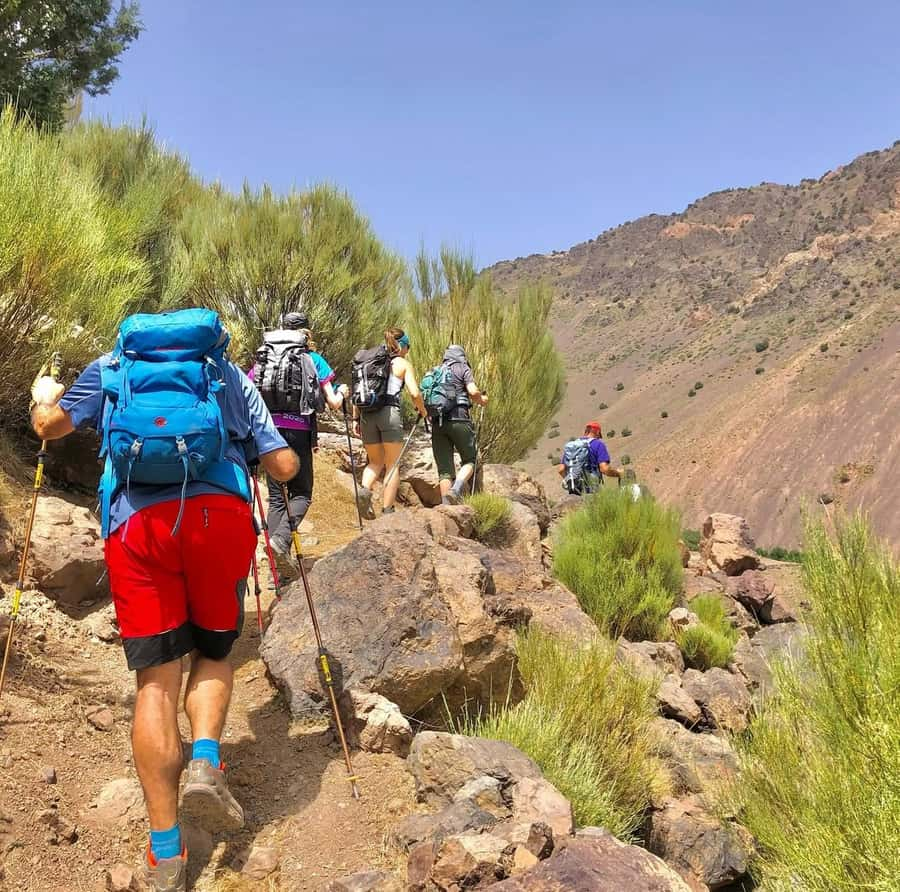
- Three different mountain days: Walk in the Imlil Valley, cross the 2,500-meter Tizi Mzik Pass, visit Tamsoult Waterfalls, and finish through Ait Aissa and the Oudit Pass.
- A cultural trek, not a Toubkal summit climb: You see Berber villages and mountain life, but this trip does not climb Mount Toubkal.
- Real walking effort: Expect about four to six hours of hiking daily, with one day reaching roughly 975 meters of ascent.
- Mules carry your bags: This makes the trek easier, but you should still pack light because there is no luggage storage.
- Strong food and hospitality: Tagine, breakfast, lunch, dinner, and mint tea are included, with vegetarian and vegan meals available.
- Small groups with flexible pacing: The advertised maximum is 15 people, though some departures have been private or made up of only a few hikers.
From Marrakech to Imlil in one morning
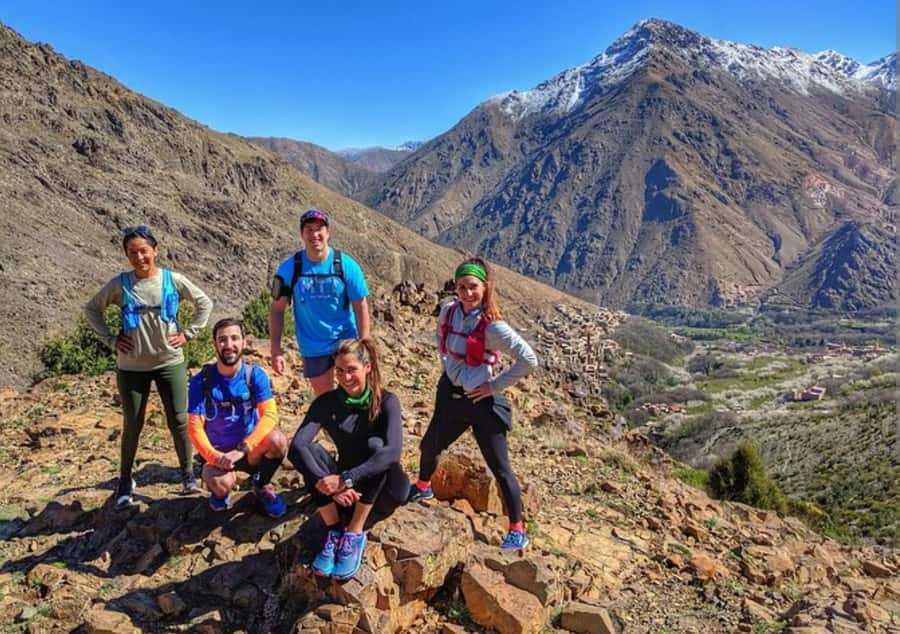
Your day begins around 9 a.m. with pickup in Marrakech or at the arranged meeting point. The drive to Imlil takes about an hour, depending on where you start. One practical warning: the booking information has sometimes shown the wrong Argana location. The useful meeting place is Café Argana in central Marrakech, but confirm this directly before departure.
Imlil is the natural base for hiking in the High Atlas. It sits at roughly 1,700 meters, surrounded by steep slopes and a chain of Berber villages. After a welcome drink, you meet your guide and leave the village on foot. A mule carries the main bags, so you can walk with a small daypack.
The first day includes about four hours of walking. The route passes through the Imlil Valley, with views toward villages built into the mountain slopes. You will meet local residents along the way, and one of the most personal moments is usually a tea stop in a traditional Berber home. Mint tea here is not just a refreshment. It gives you a chance to sit with a family, see how homes are arranged, and slow down enough to notice everyday life.
The exact first-day route can change. Some departures include a walk to the Imlil waterfall, while others follow a wider circuit around the valley. This flexibility is useful if the group has mixed fitness levels, but it also means the printed schedule should be treated as a guide rather than a fixed promise.
You spend the first night in a riad or mountain guesthouse in Imlil. Past departures have included attractive riad-style rooms, terraces with mountain views, private bathrooms, and even a swimming pool at one property. Standards can vary, so expect comfortable local lodging rather than a polished city hotel.
More Mountain and Summit Hikes in Morocco
- Berber villages : Atlas Mountains Day Hike from Marrakech
★ 5.0 · 14,007 reviews - From Marrakech: Atlas Mountains Full-Day Hiking Trip w Lunch
★ 4.8 · 7,417 reviews - Marrakech: Atlas Mountains & Valleys Waterfall Hike w/ Lunch
★ 4.8 · 1,236 reviews
Tizi Mzik and Tamsoult Waterfalls
The second day is the hardest and most rewarding. You join the path toward Tizi Mzik, also written as Tizi Mazik, a pass at about 2,500 meters. The climb gives you broad views over the Ait Mizan Valley, but the trail is rocky and can feel steep underfoot.
Allow around six hours for the day. One set of recorded distances came to 13.6 kilometers, with about 975 meters of ascent and an optional extra climb of around 350 meters. That gives you a useful idea of the effort involved. You do not need to be an elite hiker, but you should be comfortable walking uphill for several hours.
Your guide sets the pace. This is one of the strongest reasons to choose a guided trip rather than trying to piece together the route yourself. Guides such as Zakaria, Mustapha, Hassan, and Lahcen have adjusted the walking speed, shortened sections, or offered extra support when someone was tired or unwell.
After crossing the pass, you stop for lunch in the Mzik area before continuing toward Tamsoult. The biggest waterfall in Toubkal National Park is the main reward. Water flow will vary with the season, but the setting gives you a welcome break from the exposed high trail.
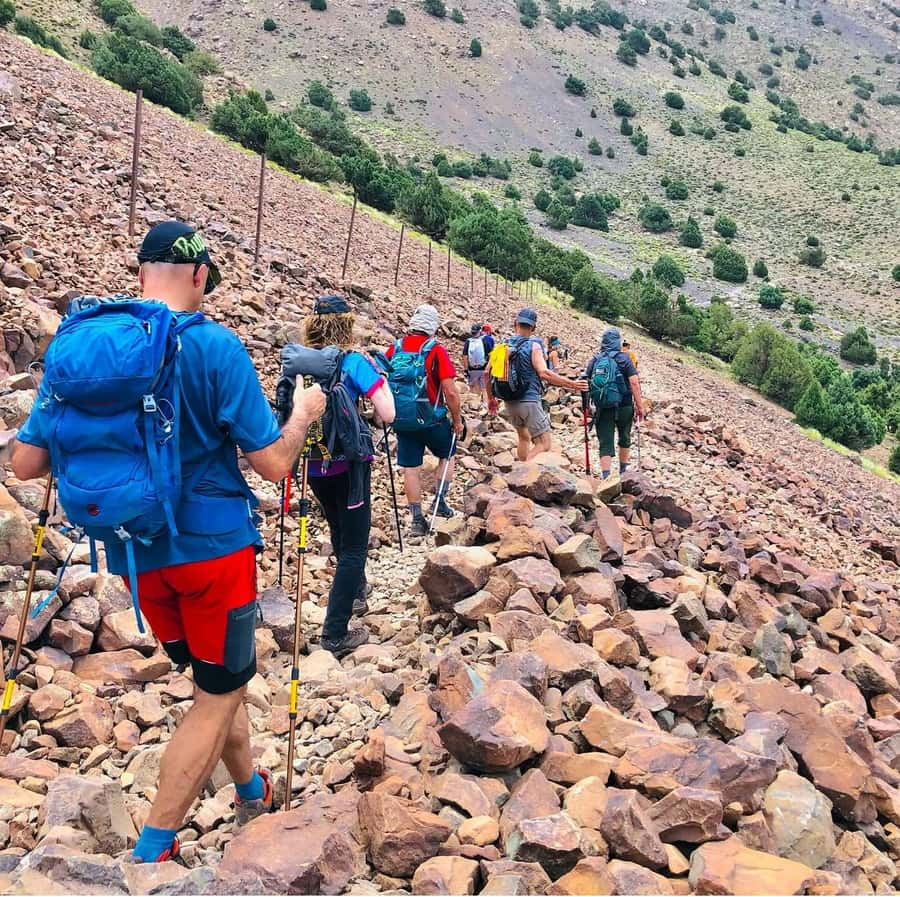
The paths are not smooth walking tracks. Loose rubble, uneven stones, and slippery sections appear along the route. Shoes with firm grip matter far more than fashionable hiking clothes. A walking pole could also help, although one is not listed as included.
The second night is usually in a more basic inn or mountain guesthouse. The accommodation described on past departures has been clean and comfortable, with warm showers and towels available in some places. Food is a repeated bright spot: meals are plentiful, fresh, and often include tagine, bread, salads, soup, fruit, and tea. The menus can feel similar each day, but that is hardly a complaint after a long climb.
Ait Aissa, the Oudit Pass, and the ride back
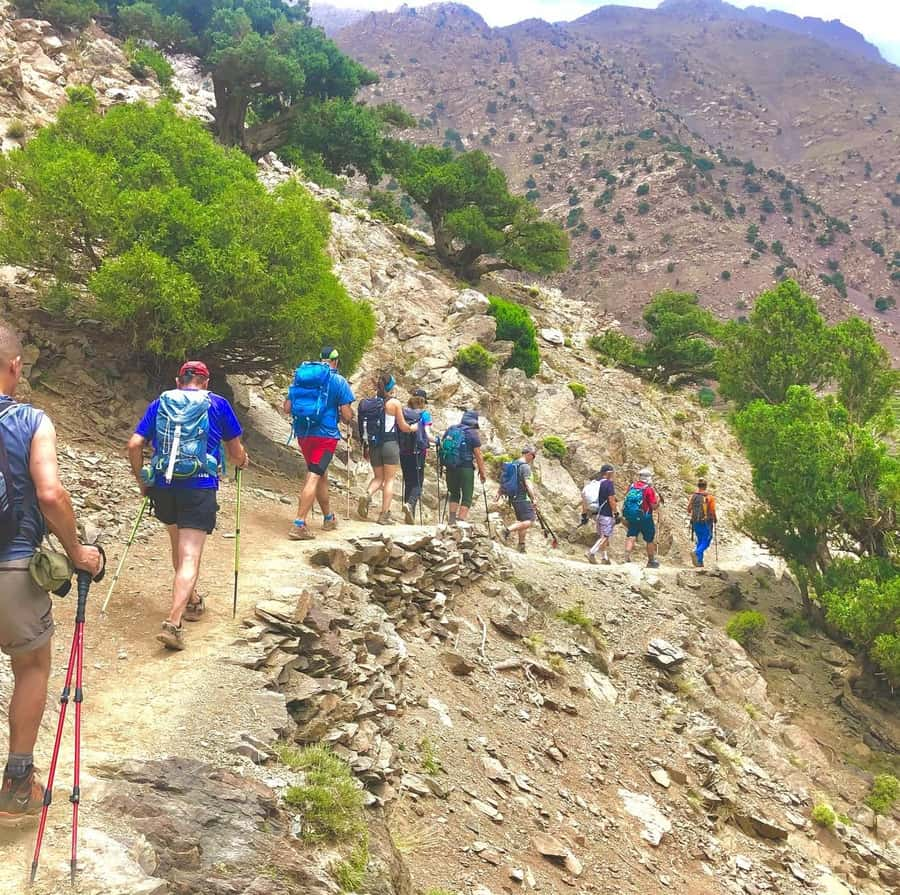
The final day includes about five hours of walking. From Tamsoult, the route heads toward Matat and Ait Aissa, passing more mountain villages and crossing the Oudit Pass at about 2,200 meters.
This is a gentler finish than the second day, though it still includes uneven ground and sustained walking. Some groups have completed around 11 kilometers with about 467 meters of ascent. The guide may shorten the route if the group is tired, which is helpful if the previous day took more out of you than expected.
Lunch is served outdoors in the mountain surroundings. Afterward, you meet the driver in Matat for the return journey to your Marrakech hotel or drop-off point. The drive marks a sharp change from the quiet trails to the noise and heat of the city.
The final day is less about one famous sight than about the steady sequence of villages, valleys, and changing slopes. You see how nearby communities can look different from one another, even within the same mountain region. That makes the trip feel more like a journey through a living area than a simple nature excursion.
What the guide adds to the experience
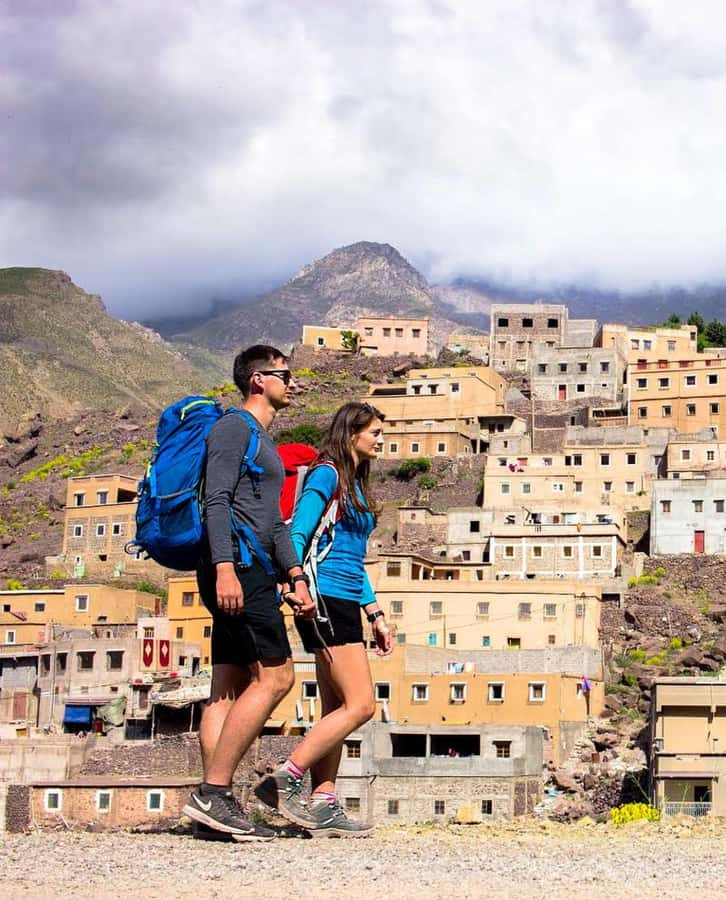
Your guide can make or break a mountain trip. Here, the guide is more than a person who points toward the trail. Guides are expected to manage the pace, carry or arrange practical supplies, explain local customs, and help you navigate loose ground.
Several guides have received especially warm praise for their patience and personal approach. Mohamed has welcomed hikers to his home for tea, while Lahcen has invited a solo hiker to meet his family. Hassan, Zakaria, Mustapha, and Nidali Abdull have also led departures praised for their steady pace and explanations of local culture.
Hanan is a useful example of the operator adapting to a real problem. When one hiker became ill during the ascent, the arrangements were changed, and Hanan later guided her through easier walks around Imlil. That kind of flexibility is valuable, though you should not assume every departure will include a female guide or a private recovery plan.
Guiding quality may vary by person, and communication before the tour has not always been smooth. Some guides speak excellent English, while others may communicate more simply. If you have specific needs, such as a slow pace, dietary restrictions, or a preference for a female guide, ask in writing before you arrive.
Same trailheads, a different kind of day:
- From Marrakech: Ouzoud Waterfalls Guided Hike and Boat Trip
★ 4.7 · 33,630 reviews - Marrakech: Ourika Valley Trip with Waterfall Hike
★ 4.6 · 6,792 reviews - Marrakech: Ourika Valley Trip with Waterfall Hike & Lunch
★ 4.9 · 5,303 reviews - Marrakech: ourika valley lunch & guided hike to waterfalls
★ 4.9 · 3,737 reviews
Food, tea, and village hospitality
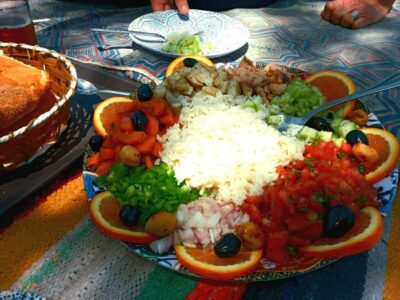
Food is one of the better reasons to choose this trip. Breakfast, lunch, and dinner are included for all three days, along with water and tea. Vegetarian and vegan meals can be arranged, and previous menus have been filling even during Ramadan.
Mint tea appears often, including during stops in local homes. These visits should be treated with respect. You are entering a family setting, not a staged show, so follow your guide’s lead about photographs and conversation.
The meals are practical mountain food rather than restaurant dining. Expect generous portions and repeated Moroccan staples. After six hours on a rocky trail, a hot tagine and sweet tea can feel like a feast.
Drinks beyond the included water and tea are not covered. Carry some cash for anything extra, especially if you want bottled drinks or other purchases along the way.
Packing for heat, cold, and rough trails
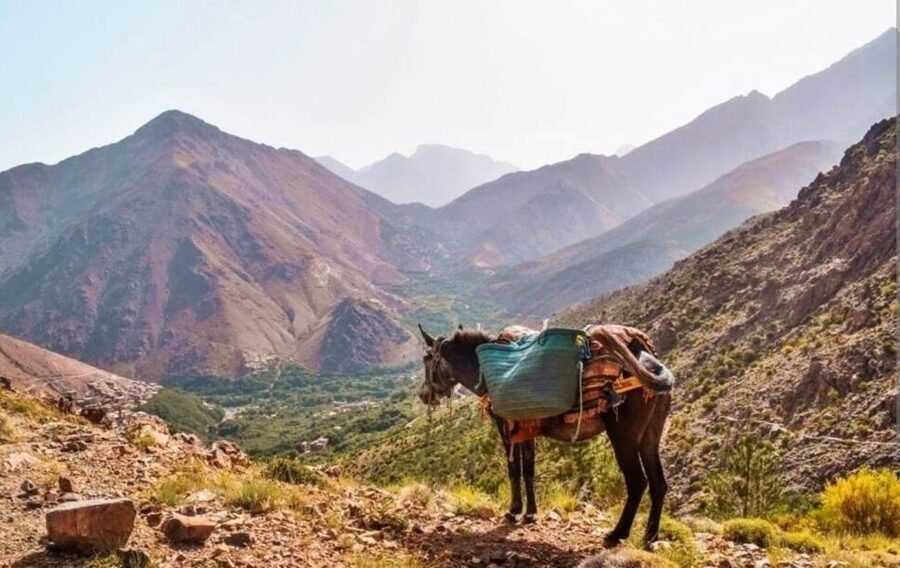
Pack light. The mule support is useful, but you still need to manage your own daypack, and the operator does not provide luggage storage. Leave large suitcases at your Marrakech riad if that is possible.
Bring:
- Sturdy shoes with good grip
- A warm layer for high passes and clear nights
- Cool clothing for warm daytime conditions
- A waterproof layer if needed for the season
- Sunscreen, a hat, and personal medication
- A small flashlight or headlamp
- A light sleeping bag if you are sensitive to cold
- A small bag for water and personal items
August can be hot in the daytime but cool after sunset. Spring and autumn may offer comfortable walking temperatures, while winter departures need more attention to cold conditions. The supplied information does not promise a specific seasonal route, so ask about current trail conditions before you go.
The trek reaches between about 1,700 and 2,500 meters. That is high enough for the climb to feel demanding, especially on the second day. Build in a sensible pace from the start rather than treating day one as a race.
Is $129 good value?
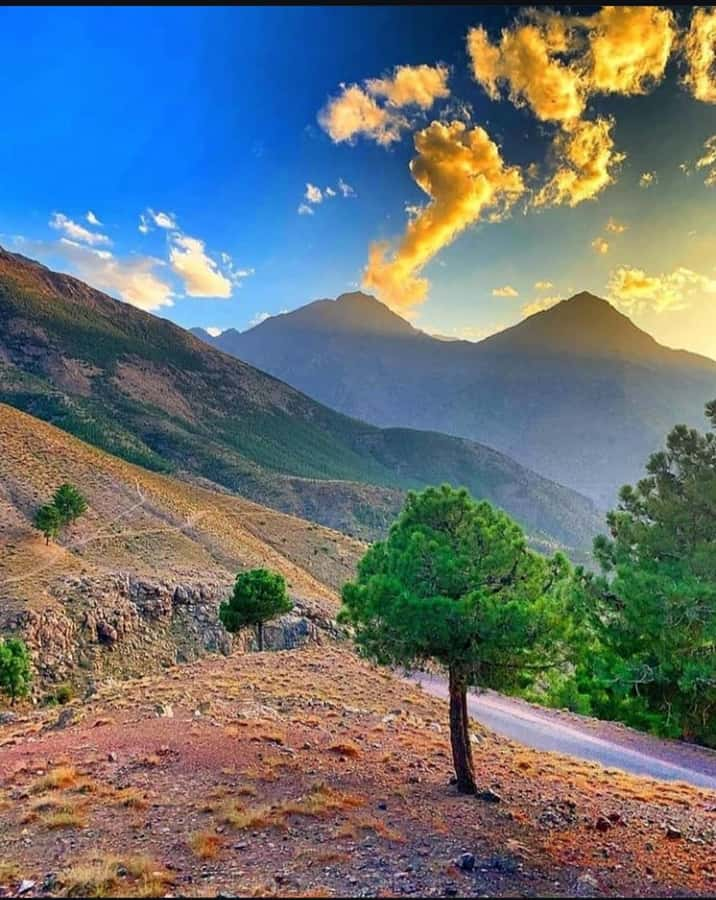
At $129 per person, this is a strong package if you want a guided mountain trip without arranging each part yourself. The price covers return transport from Marrakech, a guide, two nights of accommodation, meals for three days, water, tea, and a mule to carry the bags.
Comparable self-planned travel would still require transport to Imlil, lodging, meals, route planning, and local guiding. The included mule is particularly useful because carrying three days of supplies over mountain passes would make the walk much harder.
The value is less convincing if you want luxury lodging, a fixed private itinerary, or highly polished communication. Accommodation varies between attractive riads and simpler mountain inns. You are paying for access, local support, food, and a practical route, not a premium hotel stay.
The maximum group size is 15, but actual departures can be much smaller. Some people have walked with only one guide, while others have joined a group of four or more. That can work in your favor, since a small group allows a more personal pace, but you should not book assuming a particular group size.
Who should book this trek?
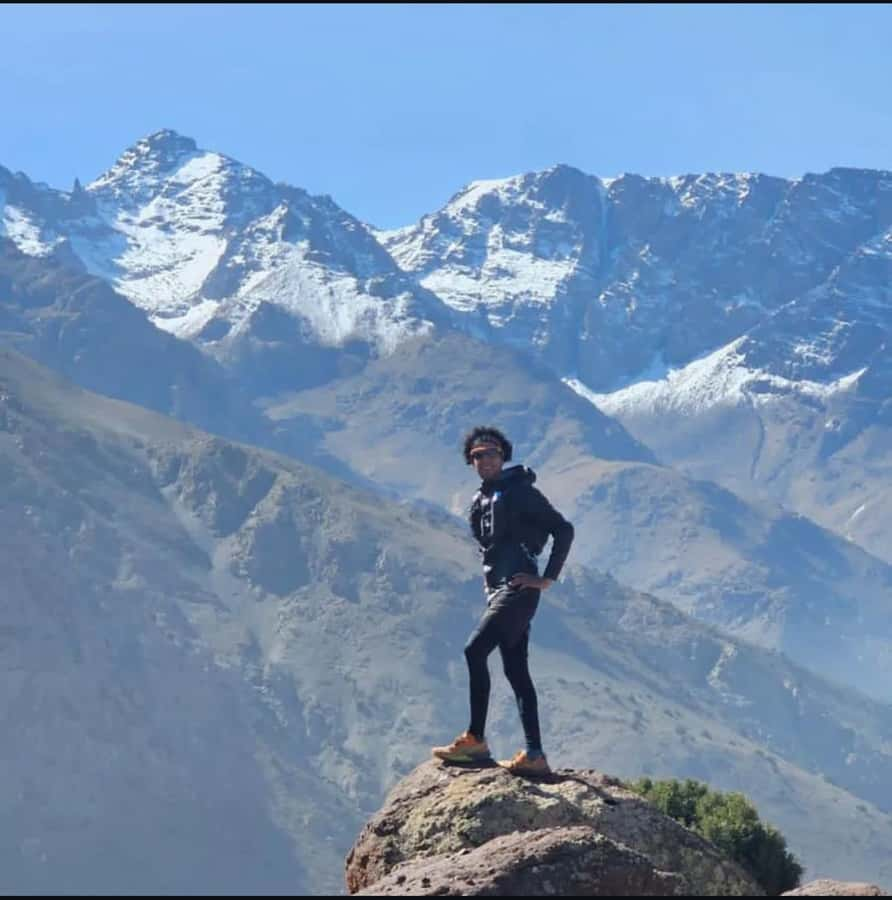
I would choose this trip if you want three active days in the High Atlas and prefer local village contact to a quick scenic drive. It suits people who enjoy long walks, simple lodging, Moroccan food, and a schedule that can change slightly to fit the group.
It is a good match for solo visitors, couples, and small groups who want a guide and mule support without paying for a private luxury tour. It can also work for mixed-ability groups because the guides have adjusted routes and walking speeds on past departures.
I would hesitate if you dislike steep trails, loose stones, or basic accommodation. Solo women should also ask about the guide arrangement in advance. One past departure raised a serious concern about unauthorized photographs by a male guide. That does not describe every guide, but it is a fair reason to request clear expectations about privacy before booking.
Should you book it?
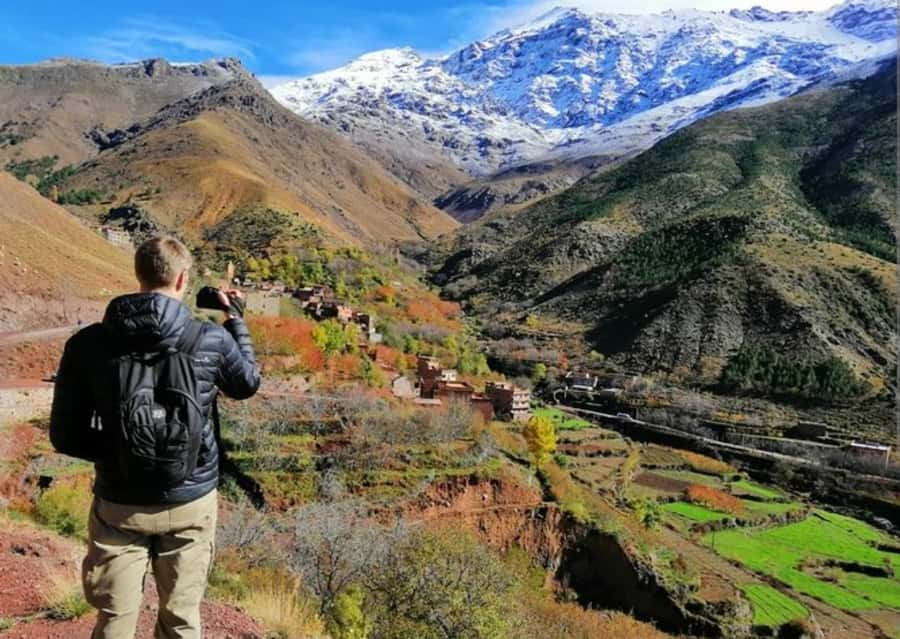
Book this trek if the main goal is to walk through Berber villages, enjoy Toubkal National Park, and see the High Atlas at a human pace. The best parts are the village tea stops, flexible local guiding, generous meals, and the chance to sleep in the mountains instead of returning to Marrakech each afternoon.
Skip it if you want a tightly managed schedule or hotel-level comfort. Also skip it if you are not prepared for six-hour hiking days and a steep climb to Tizi Mzik.
For most reasonably fit hikers, $129 offers a lot: three days of walking, two nights away, food, transport, and local support. Confirm the pickup point, ask who your guide will be, and pack only what you can carry. Then this becomes a practical and memorable way to see the High Atlas beyond the usual Marrakech day trip.
FAQ
How long is the trek each day?
Day one includes about four hours of walking. Day two takes about six hours, and day three takes about five hours. The guide may adjust the route or pace based on the group.
Does the trek climb Mount Toubkal?
No. The trip takes place in Toubkal National Park and crosses mountain passes, but it does not include a summit climb of Mount Toubkal.
What is the highest point reached?
The route crosses Tizi Mzik, also called Tizi Mazik, at about 2,500 meters. The final day crosses the Oudit Pass at about 2,200 meters.
Are meals included?
Yes. Food for all three days, water, and tea are included. Drinks beyond the included water and tea are not covered. Vegetarian and vegan meals can be provided.
Can the route suit different fitness levels?
The guides can adjust the pace and, in some cases, shorten the route. You still need a good level of fitness because the paths are rocky and the second day includes a major climb.
Where do I meet the group?
Pickup can be arranged from your Marrakech hotel, or you can meet at the stated meeting point. Confirm the location before departure because the Argana meeting information has sometimes been displayed incorrectly.
More Three-Day Trips around Morocco
- Marrakech: 3-Day High Atlas Mountains and Three Valleys Trek
★ 4.8 · 63 reviews - Climb Mount Toubkal: 3-Day Trek from Marrakech
★ 4.4 · 58 reviews - Marrakech: 3-Day Atlas Mountains Berber Villages Trek
★ 4.5 · 41 reviews - Atlas Valleys & Mount Toubkal Private 3 Days Trek From Marrakech
★ 5.0 · 31 reviews
More Atlas Mountains Treks in Morocco
- Marrakech: Tedli Summit Atlas Mountains Day Hike & Lunch
★ 4.9 · 668 reviews - From Marrakesh: Zip-Line & Hike in the Atlas Mountains
★ 4.8 · 605 reviews - From Marrakech: 3-Day Mount Toubkal Climbing Trek
★ 4.7 · 597 reviews - From Marrakesh: 2-Day Mount Toubkal Trek
★ 4.7 · 591 reviews
Just added around Morocco
- Essaouira Beach Horse Rides &Treks for All Levels★ 5.0 · 13 reviews
- Cliffline & Cascade Hike.★ 5.0 · 9 reviews
- 4 days trekking in the Rif mountains★ 5.0 · 9 reviews
- 2 days trekking from Chefchaouen to Akchour★ 5.0 · 12 reviews
- 3-Day Trekking from Chefchaouen – Rif Mountains Adventure★ 5.0 · 16 reviews
- Trekking in Morocco / Atlas Mountains and Sahara Trek (5days)★ 5.0 · 8 reviews
- 8-Day Morocco Adventure: Imperial Cities & Sahara Desert Trek★ 5.0 · 37 reviews
- Private Monkey Fingers Canyon Hike★ 5.0 · 41 reviews
Atlas Mountains Treks, side by side.
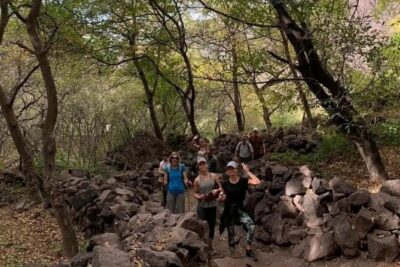
Berber villages : Atlas Mountains Day Hike from Marrakech
Read our review →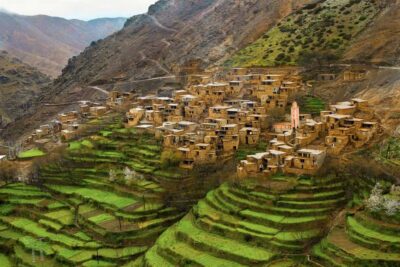
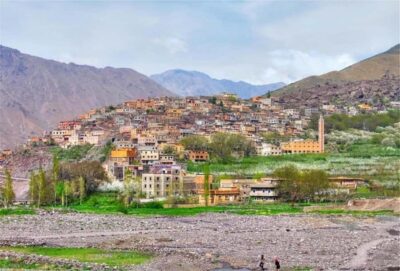
Atlas Mountains & Valleys Waterfall Hike w/ Lunch
Read our review →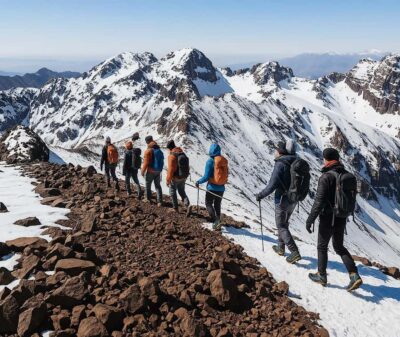
Mt Toubkal Ascent Express Trek 2 Days 1 Nights
Read our review →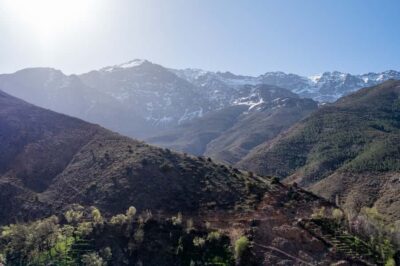
2-Day Mt. Toubkal Trek with 1-Night Stay & Meals
Read our review →