
REVIEW · NEPAL
From Pokhara: 4-Day Mardi Himal Base Camp Trek
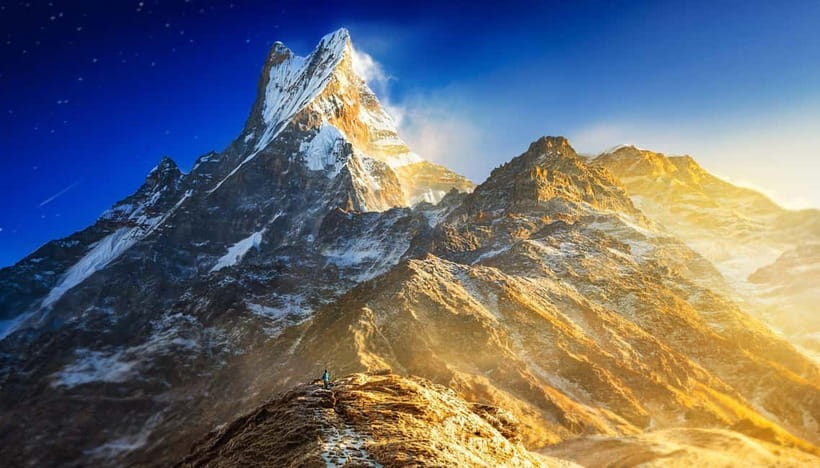
Mardi Himal gives you a big Himalayan payoff in just four days. You walk from Pokhara into quiet forest, climb to High Camp at 3,580 meters, and wake early for views of Machapuchhare and Annapurna South. I especially like the changing scenery, from rhododendron and oak woods to open alpine ground, and the private format, which lets your guide adjust the pace.
The main catch is that this is not an easy stroll. There are steep climbs, many stairs, cold nights, and long walking days. The four-day schedule can also make Mardi Himal Base Camp optional, rather than guaranteed, if the group needs more time at the viewpoint.
Key points to know before booking
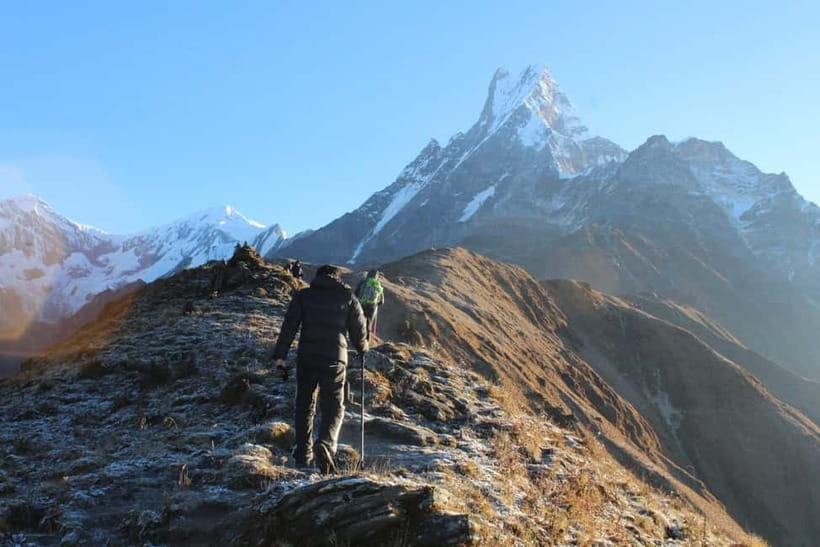
- The sunrise start is the highlight: An early hike from High Camp leads to Mardi Viewpoint at about 4,200 meters, with Machapuchhare and Annapurna views when the weather cooperates.
- The route changes character each day: You move from village paths and forest to high mountain trails, then descend through Siding and Lumre.
- A private guide makes a real difference: Guides including Anil, Santosh, Bala, Dhanapati, and Chandra have been praised for patience, local knowledge, and flexible pacing.
- Base Camp depends on conditions: You may continue toward the roughly 4,500-meter base camp, but the viewpoint is the practical fixed goal on the four-day plan.
- The $138 price covers useful basics: Transport, permits, guide costs, teahouse accommodation, luggage storage, and trekking gear such as a stick or sleeping bag are included, depending on the selected option.
- The meal package needs careful checking: Breakfast, lunch, and dinner are available as an option, but one detailed account found the package much more expensive than ordering meals directly at the teahouses.
Why Mardi Himal works well as a four-day trek
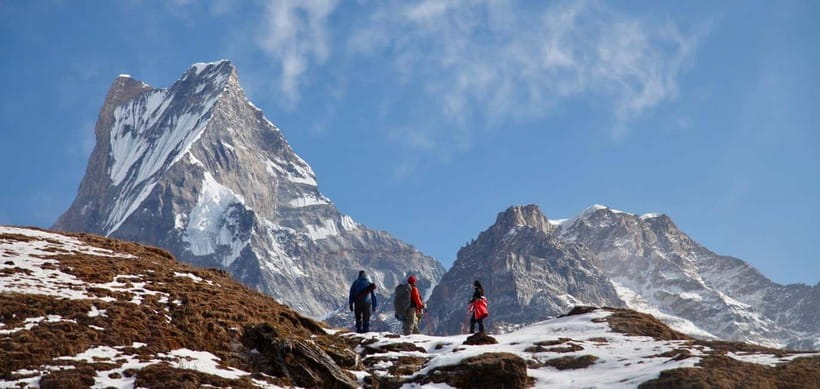
I like Mardi Himal because it gives you a proper Himalayan walking trip without requiring a long commitment. From Pokhara, you can be on the trail quickly, and the route packs forests, high ridges, mountain villages, and snowy peaks into four days.
The scenery changes at a pleasing pace. Day 1 begins among trees and lower mountain settlements. Day 2 climbs through dense rhododendron and oak forest. By Day 3, the trees thin out and the views open toward Machapuchhare, Annapurna South, and the surrounding peaks.
This route also feels quieter than Nepal’s busiest trekking corridors. I would not call it empty, especially in good trekking seasons, but the description of peaceful trails is fair. You spend much of the walk on forest paths and high ridges rather than in large settlements.
The private group format is one of the strongest reasons to choose this trip. You are not locked into the pace of a large group. Guides such as Anil, Santosh, Bala, and Chandra have been praised for stopping when needed, helping with stairs, and changing the rhythm when someone felt tired or unwell.
That matters here. A trek can feel very different when you can pause for water, photographs, or a breathing break without worrying about holding up a whole group.
More Annapurna Treks in Pokhara:
- Trekking in Annapurna/Langtang/Everest/Upper Mustang regions
★ 5.0 · 161 reviews - Pokhara: Annapurna Foothills Day Hike with Transfers
★ 5.0 · 100 reviews - Kathmandu/Pokhara: 5-Day Annapurna Base Camp (ABC) Trek
★ 4.9 · 72 reviews
Day 1: Kande to Forest Camp through Australian Camp
Your pickup can be arranged from a hotel in the Pokhara Lakeside or Sarangkot area, or from Pokhara International Airport. The drive to Kande takes about an hour, and this short transfer gets you to the trail without wasting the morning.
From Kande, you walk toward Australian Camp and Pothana before continuing through forest trails. This opening section is a good introduction to the route because it combines mountain views with shaded walking. You are not thrown straight into the highest part of the trek.
The day takes about five to six hours and ends at Forest Camp, at around 2,550 meters. You sleep in a simple teahouse, the standard accommodation style for this route.
I would treat the first day as a real hiking day, not just a warm-up. You still have an uphill route ahead, and the surface can include uneven steps and forest paths. Comfortable shoes are essential, and hiking shoes are a better choice than casual trainers if you have them.
The best part of Day 1 is the sense of leaving Pokhara behind. The road noise fades, the trees close in, and the trek begins to feel like a mountain trip rather than a sightseeing outing. You might have clear views in places, but the forest itself is a major part of the appeal.
Day 2: The long climb from Forest Camp to High Camp
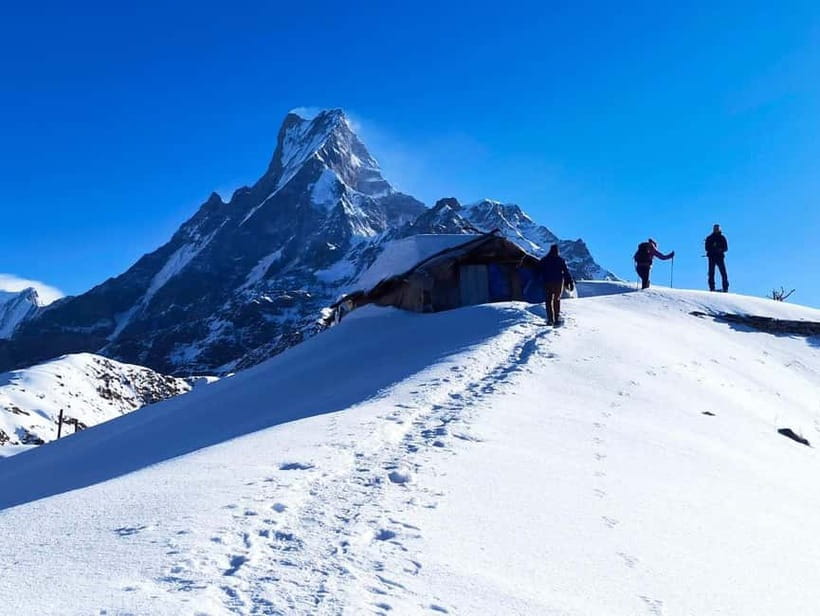
Day 2 is the most sustained uphill section. You walk for around six to seven hours through rhododendron and oak forest before reaching High Camp at 3,580 meters.
This is where the private guide becomes especially useful. The climb can feel demanding, and several accounts describe guides helping with steep stairs, carrying bags when needed, and setting a pace suited to the group. You can ask for regular breaks, but you should still arrive with a reasonable level of fitness.
Rhododendron is one of the visual rewards of the route. Depending on the season, the forest may show flowers as well as thick green cover. The trail then begins to feel more open as you gain height, with mountain views becoming more important than the trees.
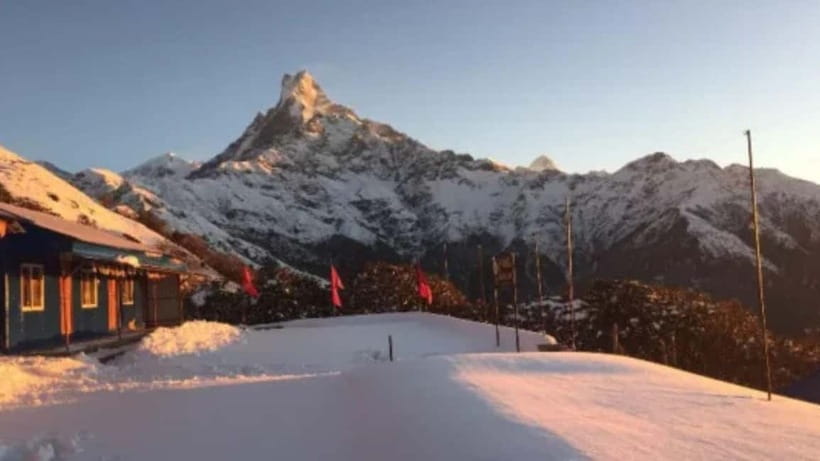
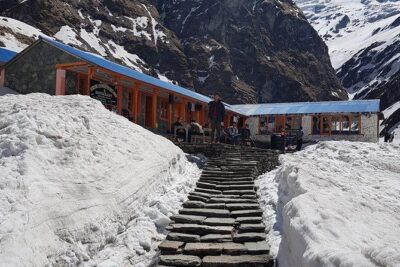
High Camp is the dramatic overnight stop. From here, you can look toward Machapuchhare and Annapurna South, and the early morning views are often the main reason people accept the climb.
Accommodation remains simple. You should expect a teahouse rather than a resort, and higher-altitude facilities can be basic. The trade-off is location. You sleep close to the viewpoint, which saves you from starting the sunrise walk from far below.
Cold is a serious consideration at High Camp. Temperatures can change sharply with altitude, so pack warm layers, a hat, gloves, and clothing that can handle both warm daytime walking and a cold night. A sleeping bag may be available as part of the trekking gear arrangement.
Day 3: Sunrise at Mardi Viewpoint and the Base Camp decision
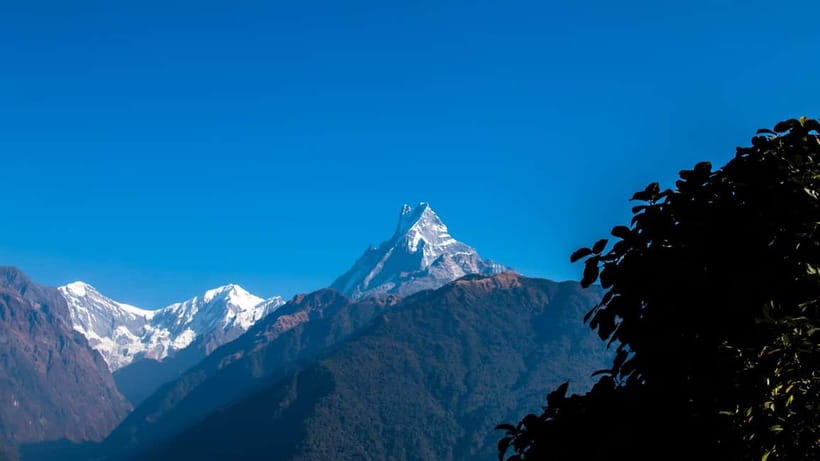
Day 3 starts early with a three to four-hour hike toward Mardi Himal Viewpoint, at about 4,200 meters. This is the visual centerpiece of the trip.
You climb above the main forest zone and reach higher ground with broad views toward the Annapurna range. Machapuchhare, often recognized by its distinctive twin-peaked shape, is a major feature of the view. Sunrise is the goal, but clouds can block it. One account describes seeing the mountain and beautiful scenery without getting the sunrise because of cloud cover, so you should treat clear dawn conditions as a bonus, not a promise.
The route allows an optional continuation to Mardi Himal Base Camp, roughly 4,500 meters, if you are fit and the timing works. This is an important detail when comparing the tour with longer Mardi Himal programs. The name says Base Camp, but the four-day schedule places the viewpoint first and makes the final push dependent on your condition, the group’s pace, and the day’s timing.
You should discuss this with your guide before starting. If reaching Base Camp is your main goal, begin with a clear understanding that the viewpoint may be the practical endpoint. If you care more about good views and a manageable trek, the early stop can still deliver the main reward.
After the high section, you descend for about three to four hours to Low Camp, at 2,970 meters. This is a useful change in rhythm. The morning is cold, steep, and exposed, while the afternoon descent brings you back toward thicker vegetation.
The full day is demanding because it combines an early start, high altitude, an optional extra climb, and a long descent. I would not plan major activities in Pokhara that evening. Give yourself time to eat, rest, and recover.
More Four-Day Trips around Pokhara:
- Pokhara: 4-Day Ghorepani, Poonhill & Ghandruk Mountain Trek
★ 5.0 · 132 reviews - Pokhara: 4-Day Mardi Himal Trek
★ 4.9 · 59 reviews - 4-Day Private Poon Hill Trekking Tour
★ 5.0 · 58 reviews - Pokhara: 4-Day Private Trek Tour
★ 4.9 · 43 reviews
Day 4: Low Camp, Siding, Lumre, and the return to Pokhara
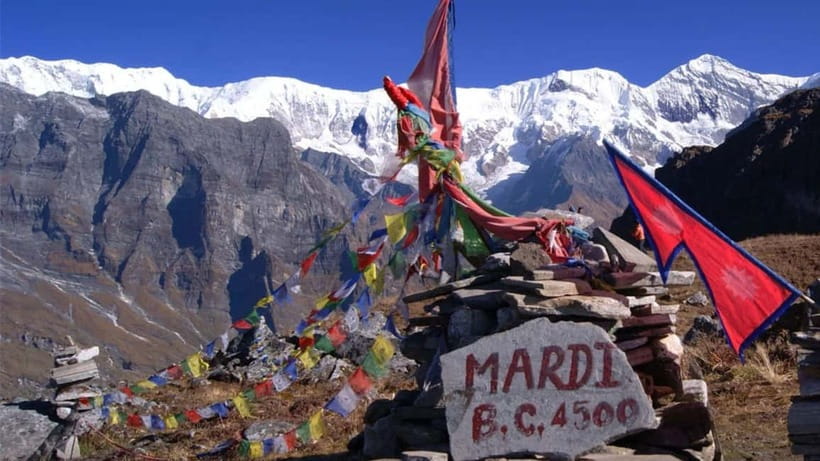
The final day takes you downhill for about four to five hours to Siding Village. You then walk roughly another hour to Lumre before driving back to Pokhara.
This section gives you a different view of the region. After the high forests and open mountain ridges, you pass through villages and lower country. The route feels more connected to daily life, and it is a pleasant way to finish rather than simply retracing the entire trail.
The descent can be harder on your knees than the climb was on your lungs. Trekking poles are useful here, and a stick may be supplied as part of the included gear. Keep water and snacks accessible, since downhill walking still takes effort.
At Lumre, the return drive takes about an hour. Drop-off can be arranged around Lakeside or at Pokhara International Airport. That airport option is handy if you have a flight connection, though you should still allow plenty of time because mountain transport schedules can change.
What the $138 price really covers
At $138 per person, this is a strong-value package if you use the main inclusions. The price includes round-trip transport between your Pokhara hotel or airport and the trail, trekking permits, required paperwork, and TIMS fees.
You also receive simple teahouse accommodation, a professional English-speaking guide, guide expenses, local and government taxes, and luggage storage in Pokhara. The company also lists a first aid kit and trekking gear such as a trekking stick and sleeping bag when needed.
A porter is included only if you select that option, so check the exact booking choice before paying. Carrying your own bag for four days is possible for a fit hiker, but a porter can make the steep sections much more comfortable.
Meals require closer attention. Breakfast, lunch, and dinner are included if you choose the meals option, but the package may not be the best value. A detailed account found the meal supplement far higher than the cost of ordering directly at the teahouses, and extra drinks were still separate.
I would compare both prices before booking. If you prefer a fixed arrangement and do not want to think about ordering food, the meal package may feel convenient. If you want the better financial deal, ask for the cost without meals and budget directly for food and drinks.
Personal expenses are not included. Bring cash for anything outside the stated package, including extra drinks, snacks, and possible tips.
The guide can shape the whole experience
The strongest feature of this trek is the guiding. You are not just being led along a path. A good guide can adjust the pace, explain local culture and nature, help you settle into the teahouses, and keep an eye on how you are handling the altitude.
Several guides are named in the feedback, including Anil, Tanka, Dhanapati, Santosh, Bala, Chandra, Bishnu, Golman, and Jeet Bhadur. The consistent qualities are patience, friendliness, flexibility, and practical help on steep sections.
Anil was praised for careful pacing, photography, and cultural stories. Santosh was noted for tips about the route and a relaxed sense of humor. Bala was described as patient when the stairs became difficult. Chandra was especially helpful for inexperienced trekkers, while Bishnu added detailed explanations about traditions, nature, and Nepalese life.
You may not receive a particular guide unless the company confirms it, so I would ask about guide assignment when booking. The named guides show the kind of support you should expect: attentive, conversational, and ready to adapt the day.
The private setup is also comfortable for solo participants. One woman completed the route alone with a guide and felt at ease, while another first-time trekker recovering from illness found the pace manageable with careful support. That does not make the trek easy, but it does show why one-on-one guiding can matter.
Fitness, altitude, and what to pack
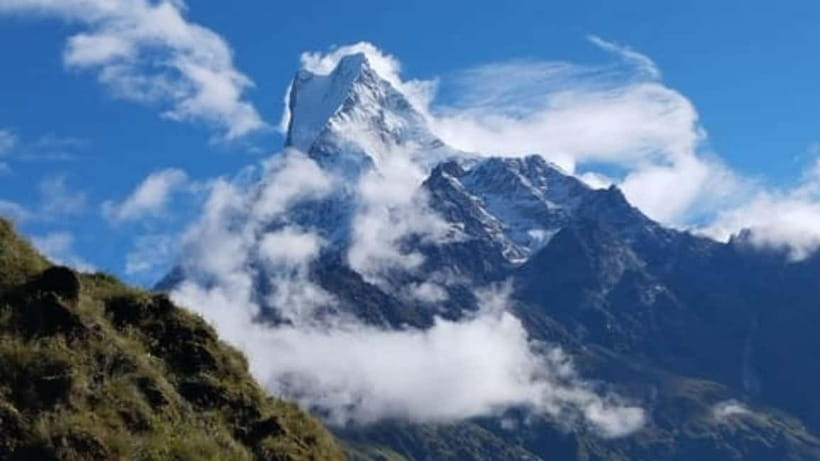
You need a reasonable level of fitness for this trek. The walking days range from about three to seven hours, with the hardest work concentrated around the climb to High Camp and the early hike toward Mardi Viewpoint.
The route reaches about 4,200 meters at the viewpoint and around 4,500 meters if you continue to Base Camp. You should take altitude seriously, listen to your guide, and be ready to stop or turn back if you feel unwell. Emergency rescue services are available if required, and travel insurance is mandatory.
Pack light, but do not pack too little. I would bring:
- Passport or identification for permits
- Broken-in hiking shoes
- Warm layers for High Camp
- Waterproof clothing and a change of clothes
- Hiking trousers and comfortable walking clothes
- Cash for personal expenses
- A camera, preferably protected from rain
- Hand sanitizer or tissues
- Travel insurance details
You must provide a passport copy at least one day before the trek so the permits can be arranged. That is an easy step, but missing it could complicate the start.
Rain is possible. One account describes rain on the first day, while other trips had cloud cover at sunrise. A waterproof jacket and protection for your camera are sensible choices.
Who should book this trek?
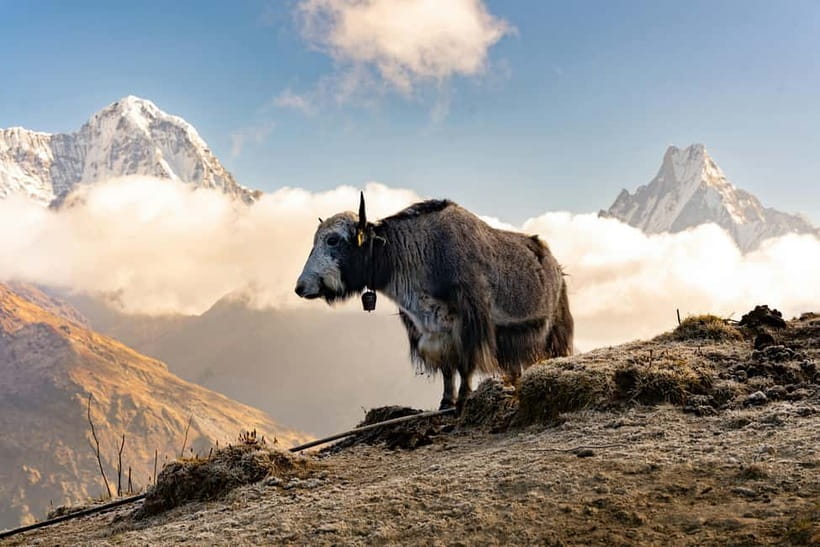
I would recommend this trip to you if you want a short Himalayan trek from Pokhara, prefer a private guide, and like the idea of staying in basic mountain teahouses rather than returning to the city each night.
It suits first-time trekkers who are honest about their fitness and willing to walk slowly. The guides can help with pace and stairs, but they cannot remove the physical demands of the route.
It is also a good fit for solo visitors who want company and logistical help without joining a large group. The private arrangement gives you more control over breaks and the daily rhythm.
I would think twice if you need guaranteed access to Base Camp, dislike cold nights, or want a relaxed walking holiday. In that case, a longer itinerary may give you more breathing room. Four days is efficient, but it leaves little spare time if weather, tiredness, or slow walking affects the schedule.
Free cancellation is available up to 24 hours in advance, and you can reserve while paying later. Those terms help if your Pokhara plans are still moving, but they do not change the need for insurance and proper preparation.
Should you book the Mardi Himal trek?
Book it if you want a compact, well-supported route with forests, mountain villages, high viewpoints, and a real chance to see the Annapurna range. At $138, the core package offers good value, especially with transport, permits, guide costs, luggage storage, and accommodation included.
Before you confirm, check three things: if a porter is included, if meals are included, and how the company handles the optional Base Camp walk. I would also ask about your guide and explain your fitness level honestly.
The route is worth the hard stairs, but the best version of this trip is not about racing to the highest point. It is about setting a steady pace, accepting that clouds may hide sunrise, and enjoying the changing scenery all the way from Kande to Lumre.
FAQ
How long does the Mardi Himal trek take?
The trek lasts four days. Walking days range from about three to seven hours, with transport from Pokhara at the beginning and end.
What is the highest point on the trek?
Mardi Viewpoint is approximately 4,200 meters. Mardi Himal Base Camp is around 4,500 meters, but reaching it is optional on Day 3 and depends on fitness, timing, and conditions.
Is transportation from Pokhara included?
Yes. Pickup and drop-off are available from hotels in the Pokhara Lakeside and Sarangkot areas, as well as Pokhara International Airport. Transport is provided to Kande at the start and from Lumre back to Pokhara at the end.
Are meals included?
Breakfast, lunch, and dinner are included if you select the meals option. Personal expenses, including items outside the selected package, are not included.
Is a porter included?
A porter is available if you select that option. The package also lists luggage storage in Pokhara and trekking gear such as a stick or sleeping bag when needed.
What languages does the guide speak?
Guides are available in English, Hindi, and Nepali. The tour is private, and the guide can adjust the pace to suit the group’s needs.
Just added around Pokhara
- Pokhara: 7-Day Annapurna Base Camp Trek & Natural Hot Spring★ 5.0 · 11 reviews
- Pokhara: Annapurna Foothills Day Hike with Transfers★ 5.0 · 100 reviews
- Pokhara: 5 Day Annapurna Base Camp Trek & Natural Hot Spring★ 4.9 · 44 reviews
- Pokhara: Annapurna Day Hike with Panoramic Views★ 4.3 · 7 reviews
- Pokhara: 4-Day Private Trek Tour★ 4.9 · 43 reviews
- Pokhara: 4-Day Poon Hill and Ghandruk Guided Trek★ 5.0 · 14 reviews
- Pokhara: 4-Day Beautiful Ghorepani Poon Hill & Ghandruk Trek★ 4.8 · 21 reviews
- Pokhara: 4-Day Mardi Himal Trek★ 4.9 · 59 reviews
Annapurna Treks, side by side.
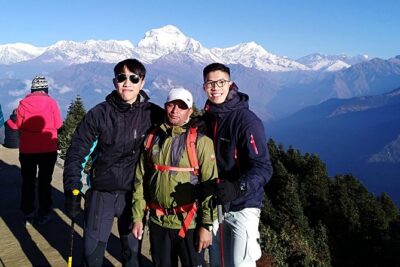
Trekking in Annapurna/Langtang/Everest/Upper Mustang regions
Read our review →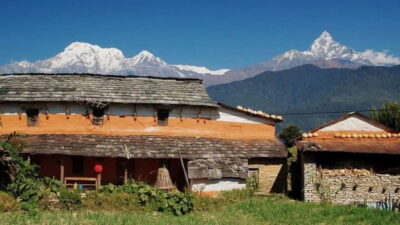
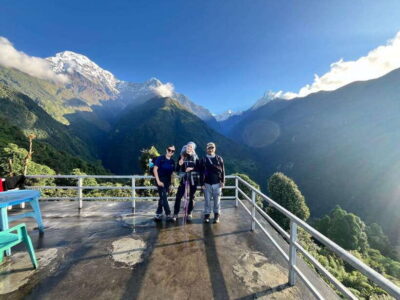
Kathmandu/Pokhara: 5-Day Annapurna Base Camp (ABC) Trek
Read our review →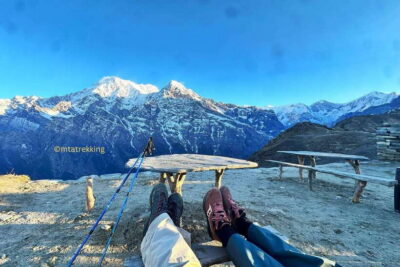
This walk also sits in