
REVIEW · THAILAND
Akha & Lahu village trekking 1 day
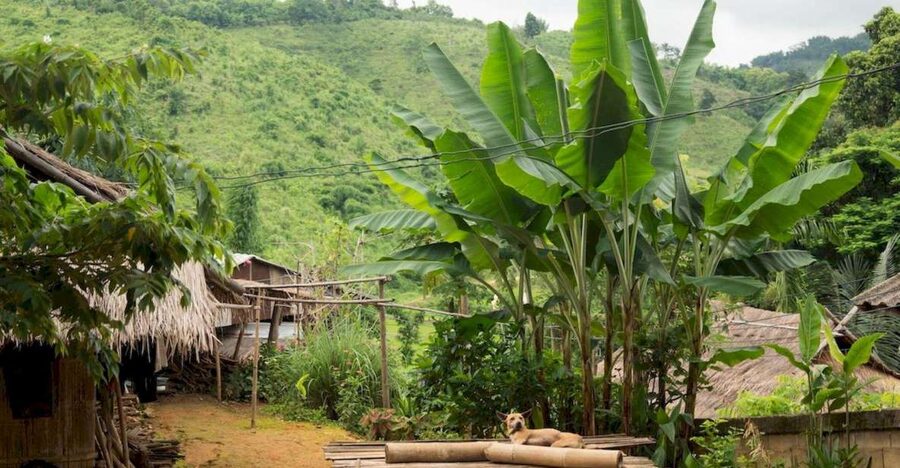
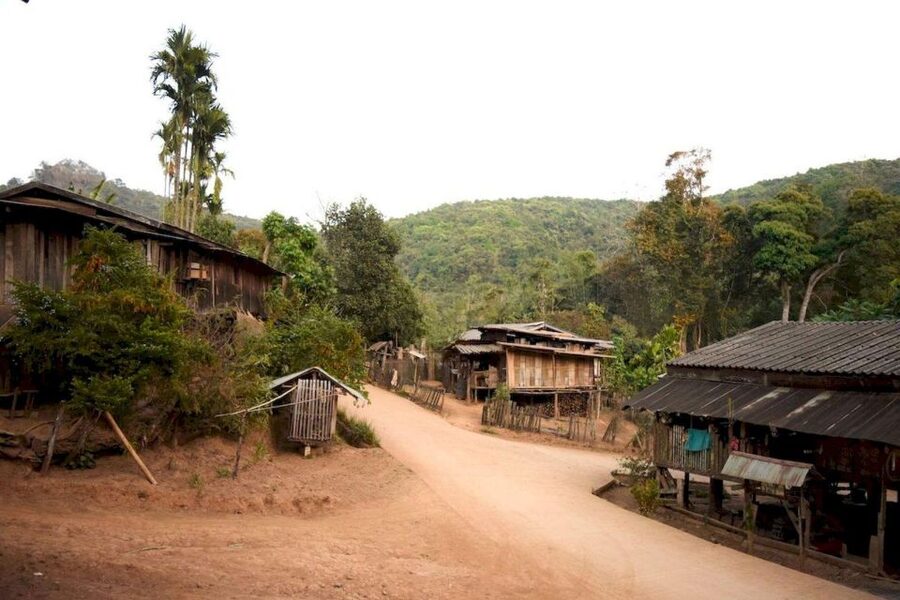
This one-day trek near Chiang Rai turns a hill-tribe visit into something more hands-on than a quick village stop. You walk through bamboo forest, rice fields, and pineapple plantations, then help prepare a meal in bamboo before visiting a nearby Lahu village.
I like the practical side of the experience: you learn how bamboo and jungle plants support daily life, not just hear a short cultural talk. I also like the chance to meet both Akha and Lahu communities in one day. The main caution is the terrain. Some sections are challenging, and the views are more about forest and farmland than wide valley panoramas.
Key points to know before booking
- Bamboo cooking is the heart of the day: Help prepare a meal using bamboo sticks, with the forest providing much of the setting and the lesson.
- Two hill-tribe communities in one outing: The route focuses on an Akha village and includes a stop at a neighboring Lahu village.
- Acha or Achra may lead the walk: The guide is described by both names in the available feedback and explains plants, customs, and local life.
- Expect real walking, not a gentle village stroll: Some parts are difficult, so wear reliable shoes with good grip.
- Mae Sai waterfall adds a cooling stop: Pack swimwear if you want to get in the water.
- The $87 price suits visitors seeking a private cultural day: Lunch, water, and morning coffee or tea are included, while temple entry costs extra.
A forest day with the Akha and Lahu
The appeal here is simple: you spend a full day learning by walking, cooking, and looking closely at the countryside around the villages. Instead of treating hill-tribe culture as a photo stop, the outing connects daily life with the plants, fields, and forest that support it.
The experience is private trekking, which matters if you prefer a flexible pace and direct contact with your guide. The working language is English or Thai. A guide named Acha, also written as Achra, has been praised for explaining Akha customs, local plants, fruit trees, and the uses of bamboo.
You should set your expectations correctly. This is not mainly a viewpoint tour. One section can be demanding, and the scenery may not open onto broad valley views. The reward is closer to the ground: bamboo groves, jungle paths, farmland, waterfalls, and a better sense of how the local environment is used.
More Homestay and Village Treks in Thailand:
- Hanoi – Sapa 2 Days 1 Night Overnight At Homestay
★ 5.0 · 899 reviews - From Hanoi: 2-Day Sapa Trekking Trip with Homestay & Meals
★ 4.8 · 704 reviews - Number one top rated ethical cultural trekking and homestay by ETHOS
★ 5.0 · 456 reviews
Starting among rice fields and pineapple farms
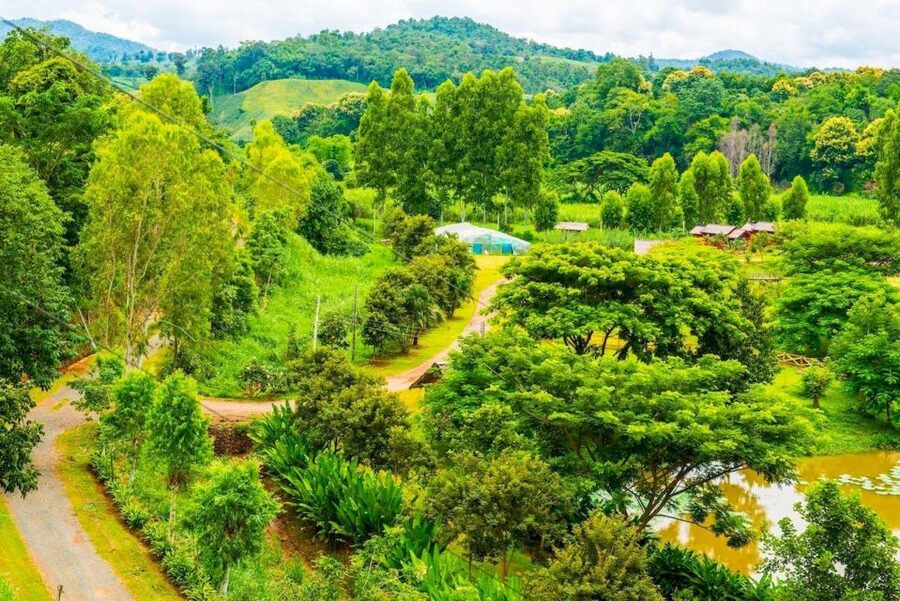
The route passes through rice fields and pineapple plantations around the Akha village. This is a useful beginning because it shows the setting as a working rural area, not a staged cultural display.
Rice and pineapple also give you a clearer picture of the village economy. You see cultivated land beside forest, with the change from field to jungle happening as you walk. The route is likely to feel more natural than a short visit beside a main road, since the experience is built around movement through the countryside.
Take your time here and ask questions. The value of the walk depends heavily on the guide’s explanations. Acha or Achra is described as explaining customs, plants, fruit trees, and the scenery along the way. That turns ordinary-looking vegetation into part of the lesson.
The terrain deserves respect. The outing includes jungle walking rather than a paved cultural circuit, and one account specifically describes parts of the trek as challenging. Wear proper walking shoes, not thin sandals or casual street footwear.
What bamboo teaches you about jungle life
Bamboo cooking is the day’s most distinctive feature. You help prepare lunch with bamboo sticks, and the cooking process becomes a practical demonstration of how a forest plant can serve many purposes.
The lesson goes beyond food. Bamboo can provide containers, cooking tools, and useful materials, so preparing a meal with it links the forest to everyday life. You are not simply handed a plate at a restaurant. You take part in a small piece of the process.
The meal itself has earned especially strong praise. It is described as delicious, unusual, and one of the most memorable parts of the day. The precise menu is not specified, so you should not book expecting a particular dish. Instead, think of the meal as a local cooking activity shaped by the available materials.
Morning coffee and tea, water, and the bamboo meal are included. That is helpful on a physical outing, though you should still ask about any dietary needs before booking because no special meal information is provided.
The cooking stop also gives the day a welcome pause. After walking through forest and farmland, sitting down to eat in a quiet setting helps break up the physical effort. It is one of the strongest reasons this tour feels different from a standard sightseeing transfer.
Learning from bamboo forest plants
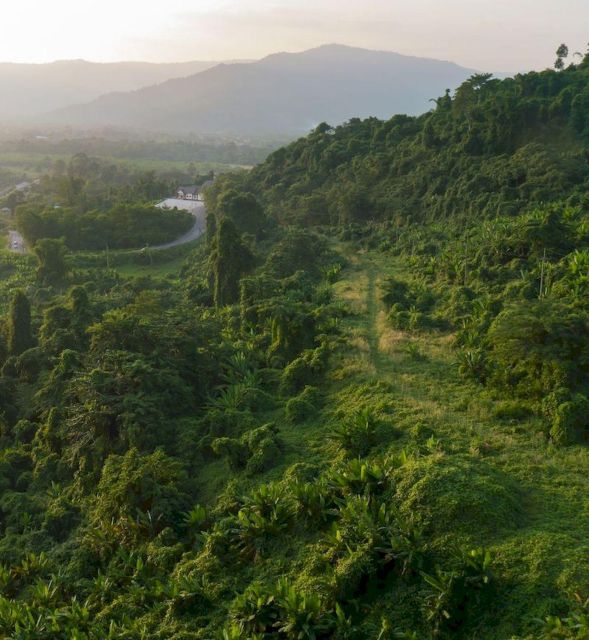
The bamboo forest is more than a backdrop. The guide points out useful plants and fruit trees, including coffee, cocoa, lemon, and lemongrass. These details make the walk more rewarding because you begin to notice what grows around the path.
I particularly like this part for visitors who want context rather than a quick list of tribal facts. You can connect the plants to food, drinks, cooking, and household use. The forest becomes a source of practical knowledge, not just green scenery.
The guide’s role is important here. A less engaging walk could become a hot hike under trees, but Acha or Achra is described as explaining the plants and local customs as you go. That gives you reasons to stop, look, and ask questions.
Still, the route will not appeal to everyone. If you want grand mountain viewpoints, you may find the scenery underwhelming in places. One account specifically wished for better valley views. This outing is stronger for close-up nature and cultural contact than for sweeping photographs.
More One-Day Trips in Thailand:
- Chiang Mai: Doi Inthanon Park with Kew Mae Pan Hike Day Trip
★ 4.7 · 841 reviews - Doi Inthanon National Park with Nature Trail Trekking 1-Day Tour
★ 4.5 · 230 reviews - From Chiang Mai: Doi Inthanon National Park Day Trip & Hike
★ 4.8 · 125 reviews - 1 Day Trekking in Chiang Rai forest (walk only)
★ 4.9 · 95 reviews
Cooling off at Mae Sai waterfall
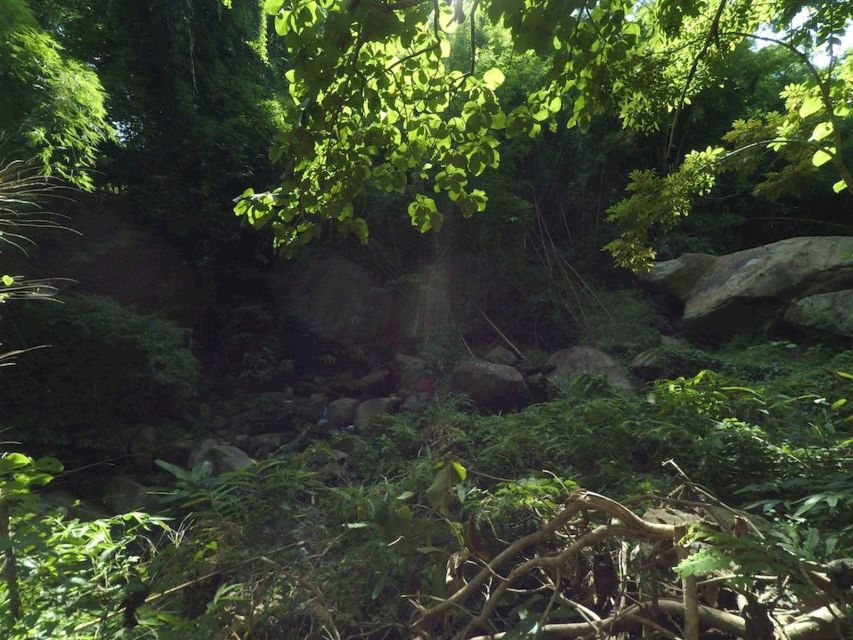
A waterfall stop adds variety to the day and gives you a chance to cool off after the trek. If you want to swim or wade, bring swimwear and a small change of clothes.
The available information does not give the waterfall’s size, facilities, or exact swimming conditions. Treat it as a natural stop rather than a developed attraction. You should avoid assuming there will be changing rooms or other services.
This is also a good point to judge how the terrain feels for you. If you have found the earlier sections tiring, the waterfall may be a pleasant rest rather than another activity to rush through. The day works best when you allow time for the surroundings and do not treat every stop as a race.
Meeting the Akha community
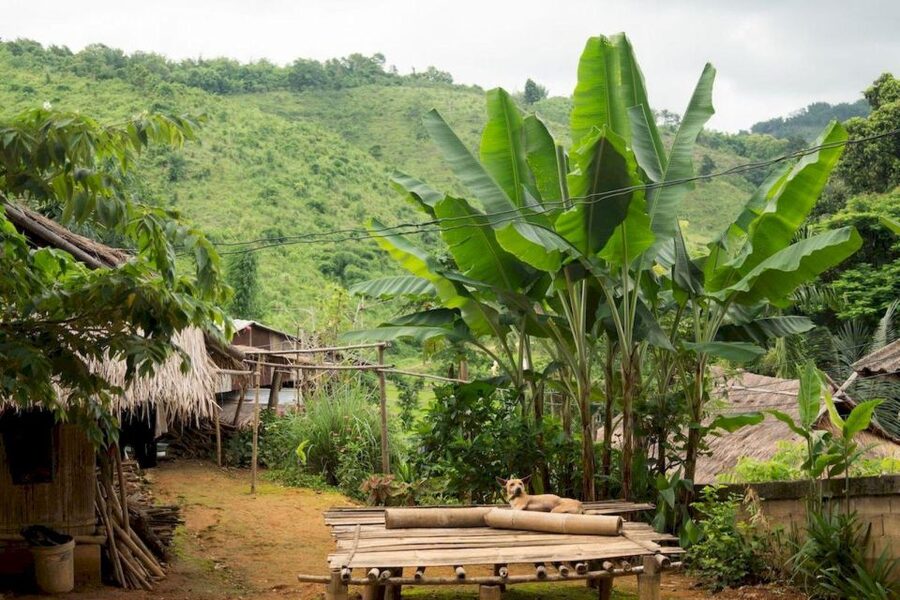
The Akha village is the main cultural focus. The experience is presented as a chance to see a village that has remained apart from mass tourism and to meet local people in a warm, everyday setting.
You should approach this part with respect and curiosity. The goal is not to collect photographs or expect a performance. The strongest value comes from listening to the guide, noticing the village setting, and understanding how life connects to the fields and jungle around it.
The available information emphasizes sincere welcomes and friendly greetings, but it does not provide a fixed list of homes, ceremonies, or demonstrations. That is useful to remember when deciding what kind of cultural outing you want. You are booking a village walk and personal exchange, not a formal museum program.
The guide’s explanations can help bridge the gap between observation and understanding. Customs, food, plants, and farming all become easier to place when you see them in the setting where they belong.
The Lahu village stop
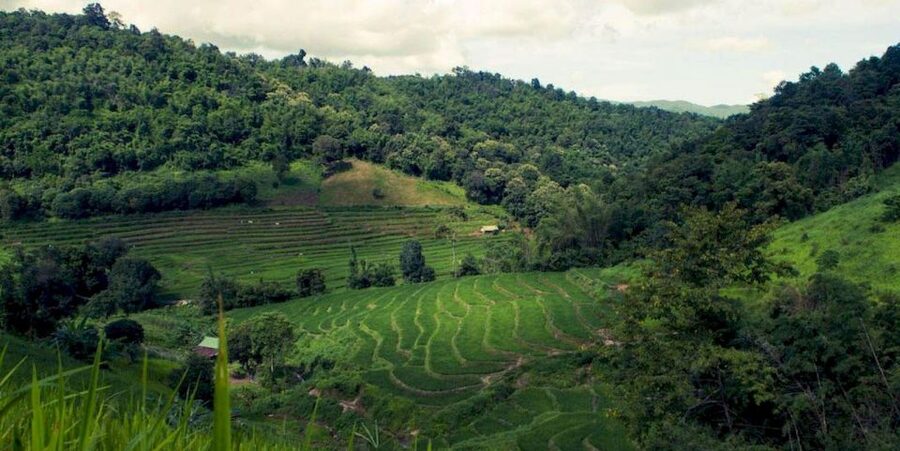
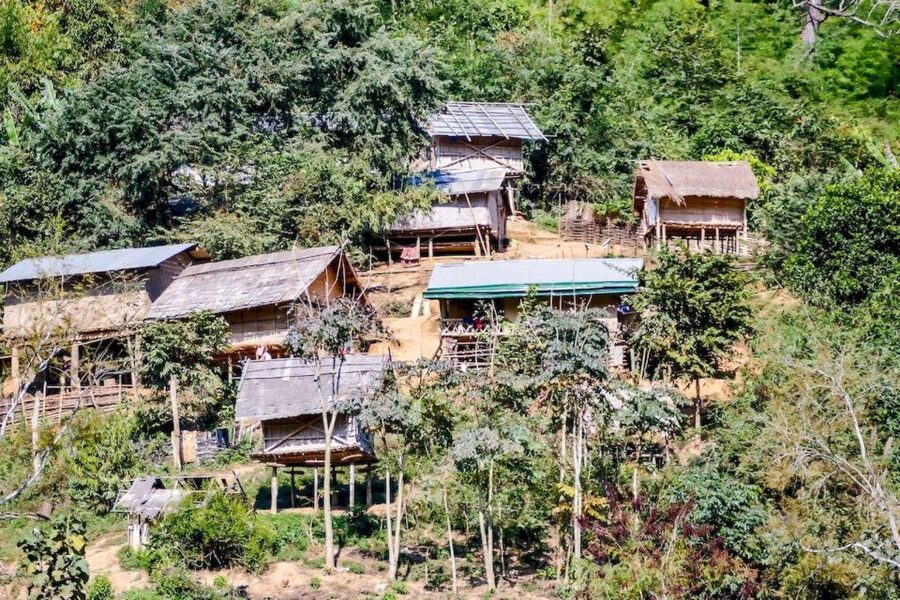
On the return journey, the route pauses at a neighboring Lahu village. Visiting both Akha and Lahu communities in one day gives you a broader view of northern Thailand’s hill-tribe cultures.
The stop may feel more commercial than the Akha village experience. One account describes feeling pressured to buy a handmade pouch from a local person. You should be prepared for the possibility of a sales interaction and decide in advance how you want to respond.
A polite no is enough. You do not need to buy something to show respect, and you should not feel obliged to spend money. At the same time, a handmade item can be a meaningful purchase if you genuinely want it. The key is to keep the choice yours.
This contrast is worth considering before you book. The Akha portion is presented as more sheltered from mass tourism, while the Lahu stop may feel closer to a traditional handicraft sales visit. For some people, that is a normal part of village tourism. For others, it interrupts the sense of direct cultural contact.
Is $87 good value for one day?
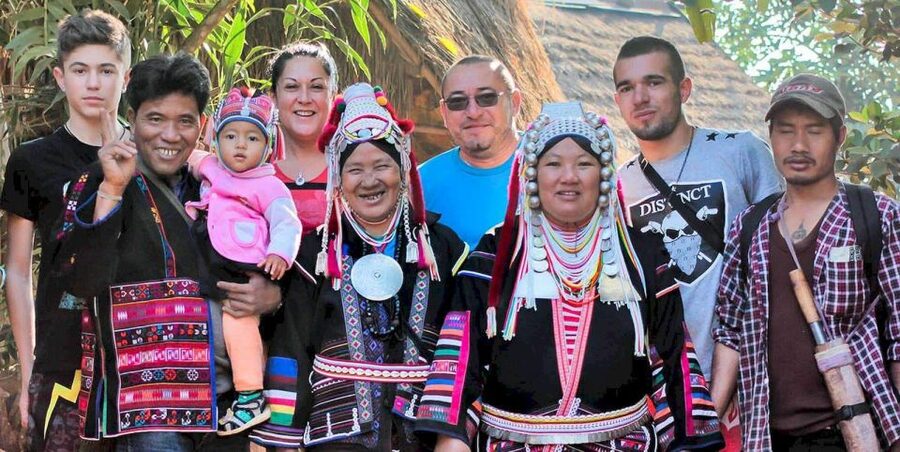
At $87 per person, the tour is not the cheapest way to see the countryside around Chiang Rai. Its value depends on what you want from the day.
The price includes a private trek, a local guide, the bamboo meal, water, and morning coffee and tea. You are paying for more than a walk. You are paying for the guide’s interpretation, access to village areas, a hands-on cooking activity, and a route that links two hill-tribe communities.
I think the price makes the most sense for a visitor with only one free day who wants cultural contact without arranging separate transport, village visits, and a forest walk. Combining Akha and Lahu stops also saves you from choosing between them.
The value is weaker if your main goal is dramatic scenery. The route includes beautiful jungle and rural views, but it may not deliver the broad valley outlook you expect from a mountain trek. You should also factor in the extra temple entrance fee, which is not included.
With a rating of 4.8 from 18 ratings, the experience has a strong overall record. The most consistent praise centers on the bamboo meal, the guide’s warmth and explanations, and the chance to spend time in a natural setting. The main concerns are the physical difficulty, limited valley views, and the sales pressure reported at the Lahu stop.
Who will enjoy this trek most?
I would recommend this day to you if you:
- Have only one day near Chiang Rai
- Want to meet Akha and Lahu communities in the same outing
- Prefer hands-on activities to passive sightseeing
- Like learning about plants, food, and local customs
- Are comfortable walking on uneven jungle paths
- Want a private experience rather than a large group program
- Enjoy simple, local meals and outdoor stops
You may want another activity if you dislike physical walking, need predictable paved access, or mainly want panoramic mountain scenery. The trek is also not ideal if you want a fully scheduled cultural show with clearly defined stops and facilities.
Bring sturdy shoes, water-friendly clothing or swimwear for the waterfall, and a small towel if you plan to cool off. Since the tour includes morning drinks and water, you do not need to arrange those items through the provider, though the details of the walking conditions make sensible personal preparation worthwhile.
Booking can be kept flexible: you can reserve and pay later, and cancellation is allowed up to 24 hours before the experience for a full refund. The temple entrance is extra, so ask about that cost if the temple visit matters to your plans.
Should you book the Akha and Lahu trek?
Book it if you want a practical cultural experience built around walking, cooking, and conversation. The bamboo meal, plant lessons, waterfall stop, and two village visits give the day a clear sense of purpose.
I would not choose it solely for mountain views. I would choose it because the guide helps you understand how food, plants, bamboo, farms, and village life fit together. Bring good shoes, keep an open mind about the Lahu handicraft stop, and you will be better prepared for what the day offers.
FAQ
Where does the Akha and Lahu village trek take place?
The experience takes place in Chiang Rai Province in northern Thailand.
How long is the experience?
It is a one-day trekking experience.
Which hill-tribe communities do you visit?
The route focuses on an Akha village and includes a stop at a neighboring Lahu village.
What languages are available?
The experience is available in English and Thai.
Is lunch included?
Yes. Lunch is included and is prepared as a bamboo meal.
What other refreshments are included?
Water, coffee, and tea in the morning are included.
Is the temple entrance included?
No. The temple entrance is not included in the price.
Can I swim at the waterfall?
You can bring swimwear if you want to cool off at Mae Sai waterfall. The available details do not specify swimming facilities or conditions.
Is this a private trek?
Yes. The experience is described as private trekking.
How much does the experience cost?
The listed price is $87 per person.
Can I cancel for a full refund?
Yes. You can cancel up to 24 hours in advance for a full refund.
Just added around Thailand
- Trek to a Jungle Waterfall★ 5.0 · 14 reviews
- 1 Day Trekking Group Tour With Bamboo Cooking / Chiang Rai★ 5.0 · 51 reviews
- Full-Day Trekking and Sightseeing Tour in Mae Kampong★ 5.0 · 46 reviews
- 8KM White Water Rafting and 3HRS Jungle Trekking Adventure★ 5.0 · 9 reviews
- Trekking with Lunch cooked by Bamboo in the Chiang Rai jungle★ 5.0 · 12 reviews
- One day Doi Inthanon National Park & Trekking on Kew Mae Pan★ 5.0 · 12 reviews
- Private Tour to Doi Inthanon including Twins Pagodas and Hiking★ 5.0 · 22 reviews
- Waterfall Wanderer Doi Inthanon Hiking Tour★ 5.0 · 15 reviews
Homestay & Village Treks, side by side.
Number one top rated ethical cultural trekking and homestay by ETHOS
Read our review →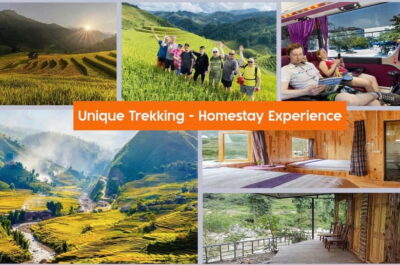
2-Day Sa Pa Ethnic Homestay Tour & Trek with Limousine Bus
Read our review →
Sapa 3 Day 2 Night Trekking With Hotel & Homestay
Read our review →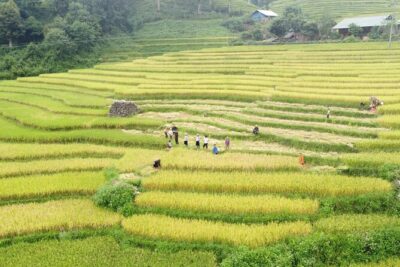
Sapa 2 Days 1 Night Overnight At Local Homestay
Read our review →
Sa Pa: 2-Day Trekking Trip with Ethnic Minority Homestay
Read our review →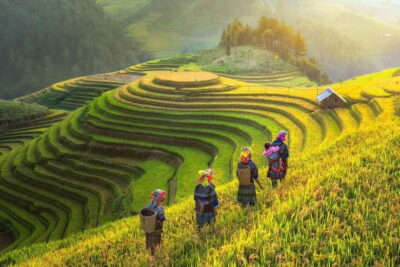
This walk also sits in