
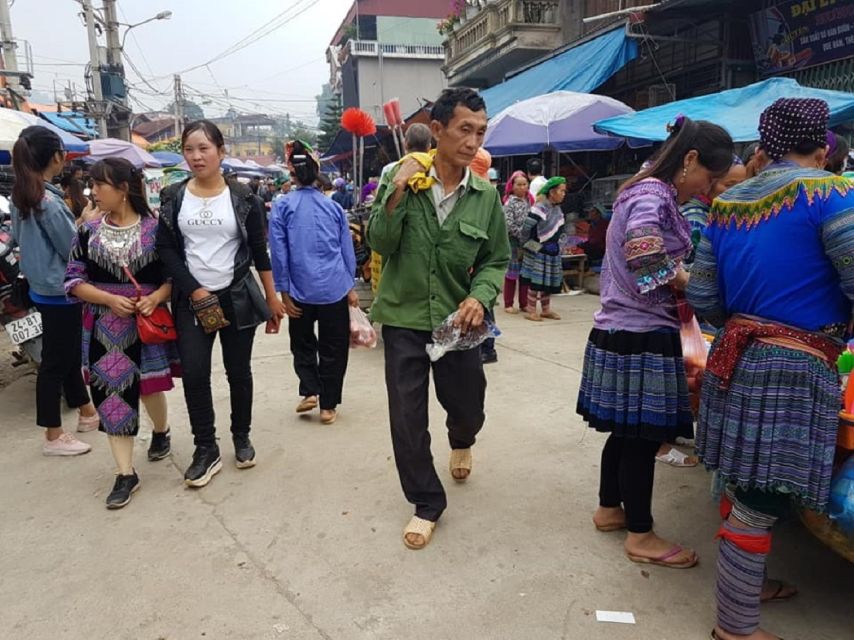
REVIEW · VIETNAM
From Hanoi: 2-Day Trekking To Villages In Sapa with Homestay
The best part of this trip is simple: you spend a night in Ta Van village, rather than rushing through Sapa on a day trip. The long walk through Muong Hoa Valley brings you past terraced fields and into villages where daily life is still closely tied to the hills.
I like the mix of 12-kilometer trekking and local food, and I like that the group is limited to 16 people. The $84 price also covers Hanoi to Sapa transportation, a guide, one night in a homestay, two lunches, breakfast, dinner, water, and admission fees. The main catch is the physical effort. This is not a gentle sightseeing tour, and the early start on day two leaves little room for a slow morning.
Key points at a glance
- A full day on foot: Walk about 12 kilometers through Muong Hoa Valley from Sapa toward Lao Chai and Ta Van.
- Two ethnic communities: Visit Black Hmong and Dzay villages on the first day, then Red Dzao country near Dzang Ta Chai.
- A real village overnight: Sleep in a local family’s cottage in Ta Van instead of returning to a standard hotel.
- Good value at $84: Transport from Hanoi, meals, guide, homestay, admission fees, and mineral water are included.
- Small English-speaking group: The group is capped at 16 people, which should make the walking pace and village visits easier to manage.
- Bring the right gear: Comfortable shoes, sun protection, insect repellent, cash, personal medication, and trekking clothes matter here.
Why the Ta Van homestay changes the trip

Sapa is easy to visit quickly. You can admire the hills, take a few photos, and leave with only a thin idea of how people live in the valley. This two-day route gives you more time and a better reason to slow down.
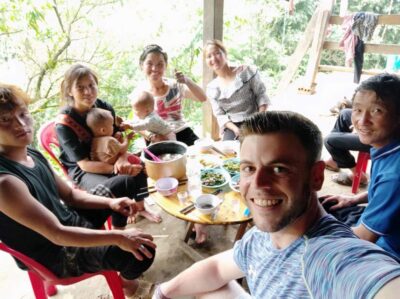
The overnight stay in Ta Van is the heart of the experience. After walking from Sapa through the Muong Hoa Valley, you stay in a local family’s cottage in the Dzay village. That means you are not simply looking at village life from a trail. You have an evening and an early morning to notice the rhythm of the place.
The accommodation is basic by design. You should expect a traditional home rather than a private resort room. The tour includes one night, dinner at a local restaurant, and breakfast, but drinks and extra meals are not included. Bring some cash for anything you may wish to buy along the way.
The homestay also gives this tour more value than a standard Sapa excursion. At $84 per person, the price includes a fairly full package, especially since the Hanoi to Sapa bus and the return transfer are part of the plan. Solo visitors pay a $30 single supplement, so the total cost is higher if you want a private arrangement.
More Homestay and Village Treks in Vietnam:
- Hanoi – Sapa 2 Days 1 Night Overnight At Homestay
★ 5.0 · 899 reviews - From Hanoi: 2-Day Sapa Trekking Trip with Homestay & Meals
★ 4.8 · 704 reviews - Number one top rated ethical cultural trekking and homestay by ETHOS
★ 5.0 · 456 reviews
Day one: Hanoi to Sapa and into Muong Hoa Valley

Your day begins with a morning bus journey from Hanoi. You arrive in Sapa around lunchtime, giving you time to freshen up in your room before lunch at the hotel.
That arrival pattern is practical, but it makes for a long first day. You are not walking straight off the Hanoi bus, yet you should still arrive ready for several hours on foot. Wear your trekking shoes before departure, not for the first time in Sapa.
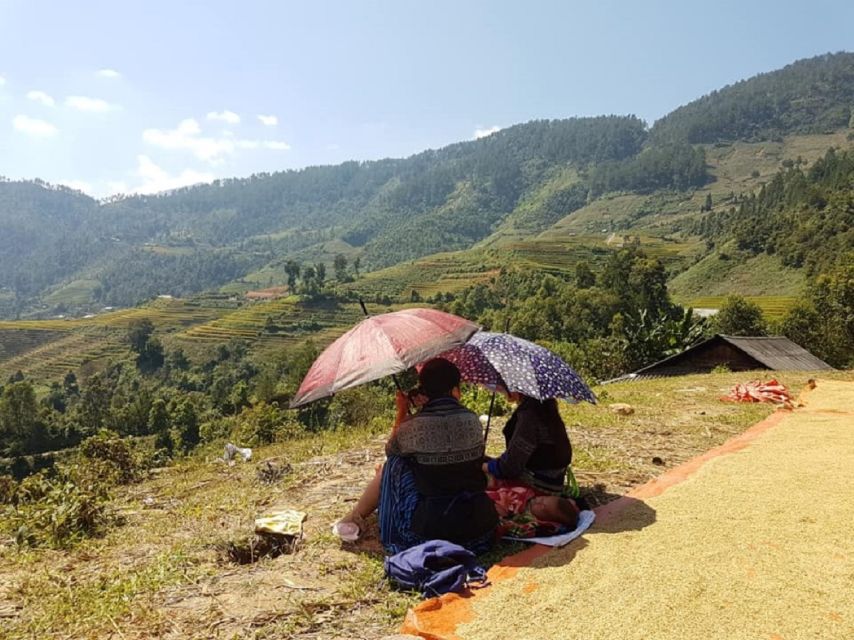
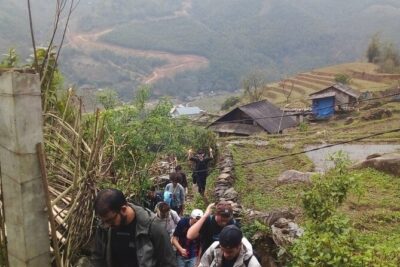
The afternoon walk follows small trails down through Muong Hoa Valley toward Lao Chai, a Black Hmong village. The route is known for its broad views of terraced fields, one of the main visual rewards of the trip. The terraces are not just scenic. They show how farming has been shaped around steep mountain slopes and seasonal water.
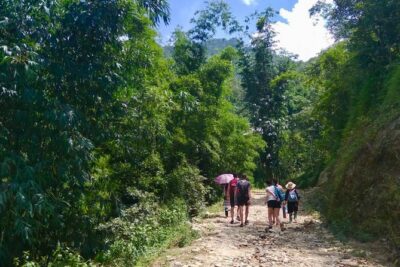
You will want your camera here, but keep your hands free for the walking. The paths are described as small trails, so this is a countryside trek rather than a paved road stroll. Comfortable shoes are essential, and trekking gear is specifically recommended.
The walk continues along the bottom of the valley for about 12 kilometers in total. That distance deserves attention. A good level of physical fitness is required, and the route may feel demanding if you rarely hike. The tour is not suitable for children under six, pregnant women, or wheelchair users.
Lao Chai and the Black Hmong countryside
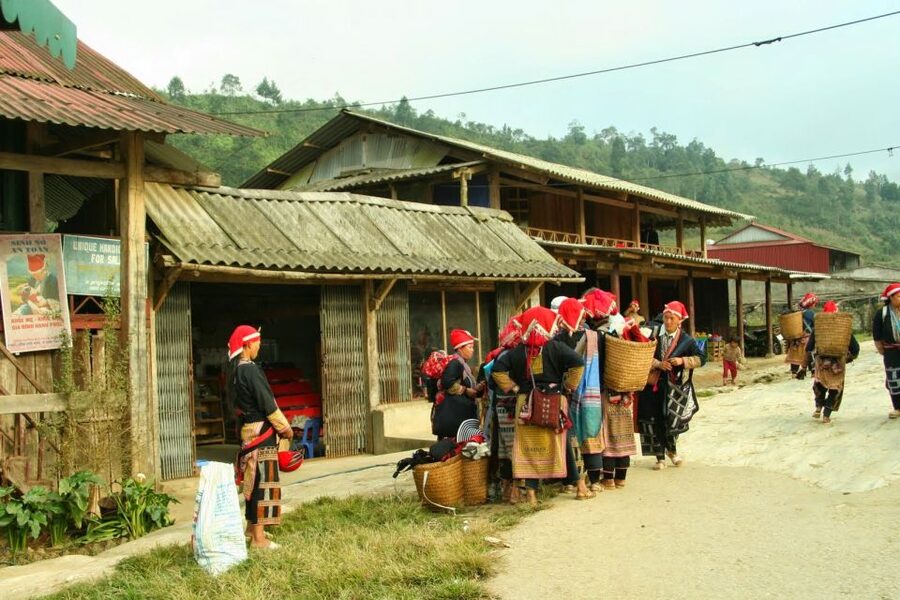
Lao Chai is the first major village stop and gives you an introduction to Black Hmong culture. The route brings you close to the community rather than keeping you inside Sapa’s busier central streets.
The value here is the setting. You are walking through the valley on foot, with the fields and village homes around you, rather than viewing the area from a vehicle. The gradual change from town to countryside is one of the strongest parts of the itinerary.
Your English-speaking guide helps connect the walk with the communities you visit. The exact guide name is not provided, so you should not expect to request a particular guide from the available details. The group limit of 16 is helpful on narrow trails, where a very large party would be awkward.
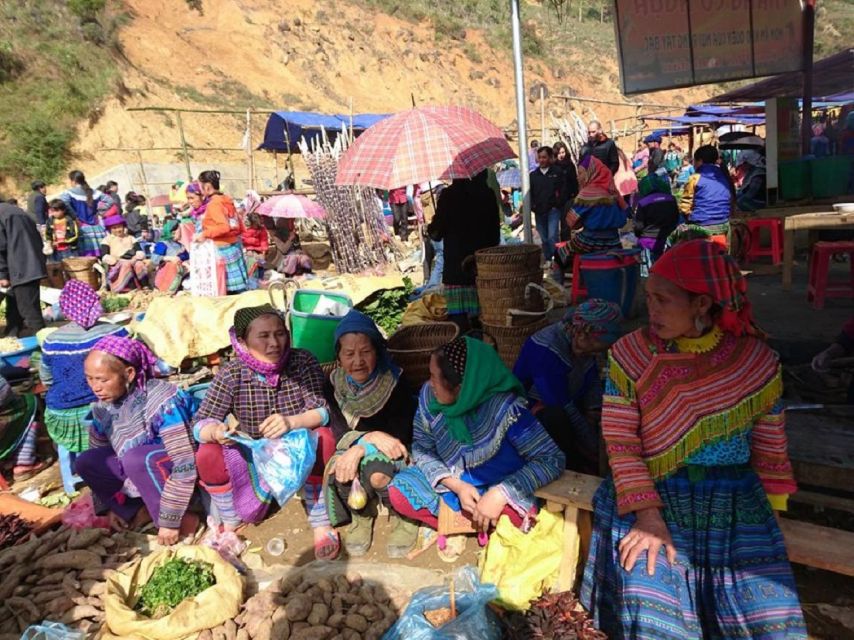
Keep in mind that village visits are not a staged cultural show. The schedule promises contact with local communities and an overnight stay, but it does not promise a formal craft lesson, performance, or private meeting. You are paying for time in the region and a guided route through it, not a list of manufactured attractions.
Ta Van after the long walk
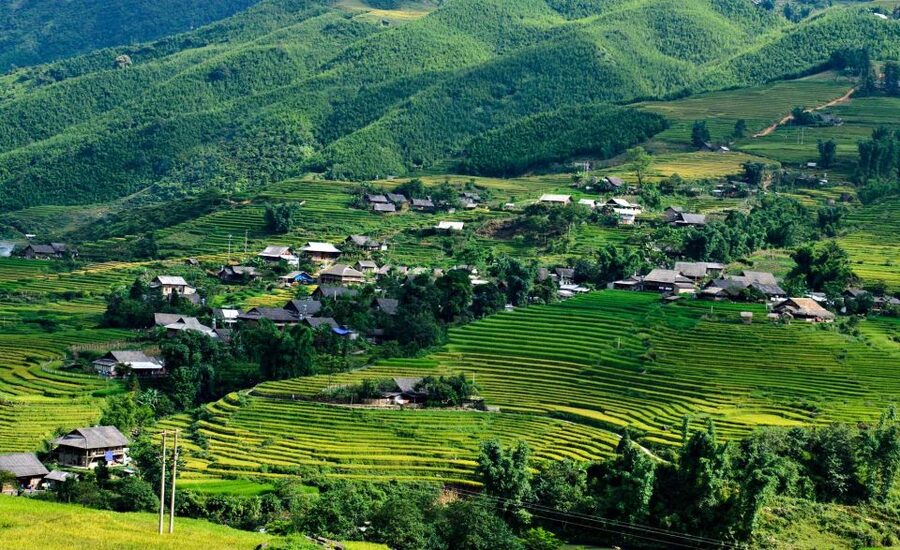
You reach Ta Van in the late afternoon. This is the Dzay village where you spend the night, and it marks the shift from sightseeing to daily village life.
After a 12-kilometer day, the timing should feel welcome. You can settle into the cottage, eat dinner, and rest rather than trying to squeeze in another major stop. The activity includes one dinner at a local restaurant, along with breakfast and two lunches across the trip.
Food is part of the connection here, though the details of each menu are not specified. Do not assume that every drink or extra dish is included. Drinks and meals not listed in the package are your responsibility.
The accommodation is also worth viewing honestly. A local cottage can offer a more direct experience than a hotel, but it may be less private and less polished. Shoes are not allowed indoors, so wear footwear that is easy to remove and keep your luggage small. Oversize luggage and large bags are not allowed on the activity.
More Two-Day Trips in Vietnam:
- 2-Day Sa Pa Ethnic Homestay Tour & Trek with Limousine Bus
★ 4.8 · 440 reviews - From Hanoi: 2-Day Sapa Trek Tour – Luxury Limousine Transfer
★ 4.1 · 249 reviews - Hanoi – Sapa 2 Days 1 Night Overnight At Local Homestay
★ 5.0 · 233 reviews - EXPLORE SAPA: 2D1N TREKKING & HMONG CULTURE WITH DINH
★ 4.9 · 191 reviews
Day two: Red Dzao culture and Dzang Ta Chai
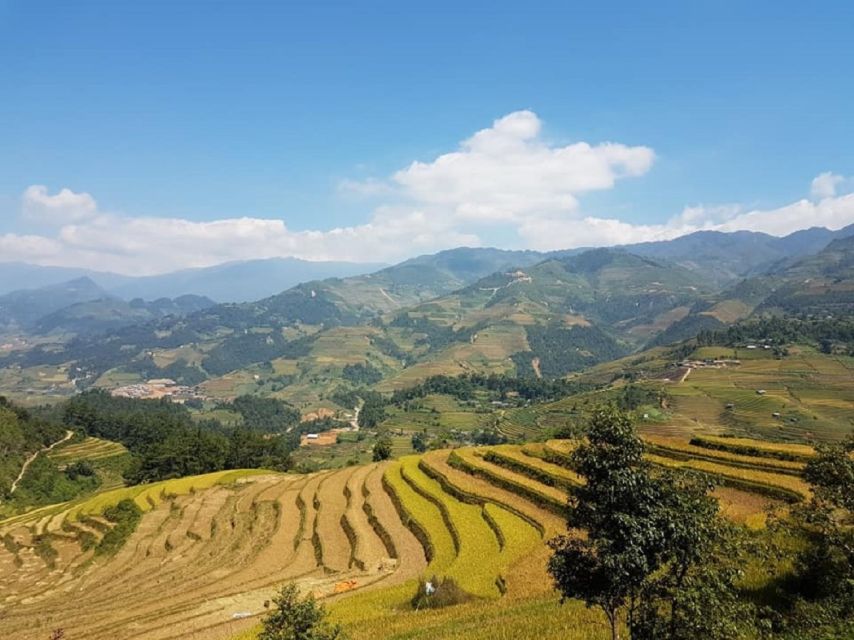
Day two begins with a 6:30 AM wake-up call. You have breakfast at the homestay, spend a little time observing village life, and then prepare for the next trek.
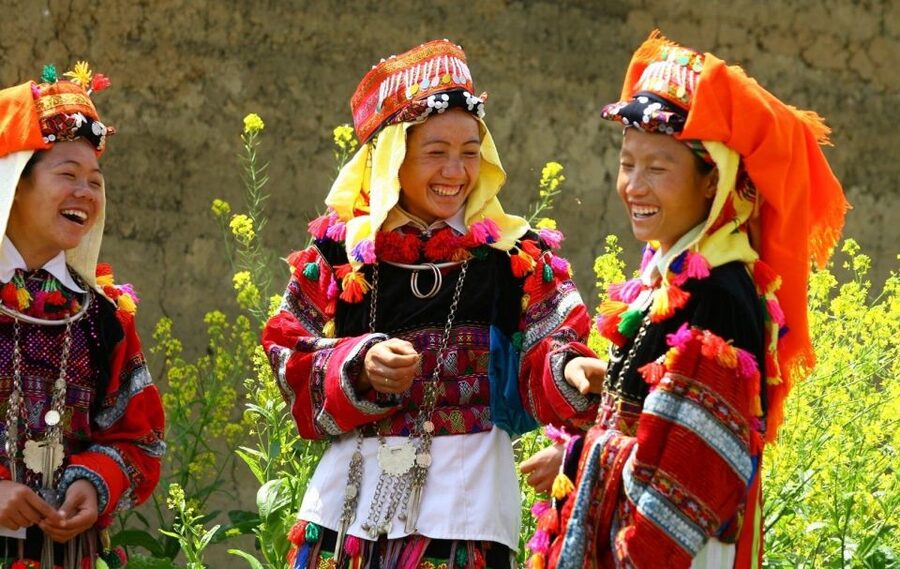
The morning route leads to Dzang Ta Chai, home of the Red Dzao community. This gives the trip a useful point of contrast. You visit Black Hmong and Dzay communities on the first day, then encounter the Red Dzao on the second. The aim is not to reduce these groups to costumes or photo stops, but to show that Sapa is home to several distinct cultures and traditions.
The schedule calls attention to the Red Dzao’s traditional way of life, but it does not give a detailed list of activities or demonstrations. Your best approach is to stay respectful, listen to the guide, and ask before taking close-up photographs.
The route continues to a picturesque waterfall, where you can stop for a rest and picnic lunch. This is a useful break after the morning walking. The waterfall adds a natural feature to a trip that otherwise focuses heavily on villages, terraces, and mountain trails.
The second day is still an active one. The early wake-up and continued trekking mean you should not treat the waterfall stop as a substitute for a rest day. Bring water, even though mineral water is included, and carry sun protection, insect repellent, a hat, and personal medication.
Returning to Sapa and Hanoi
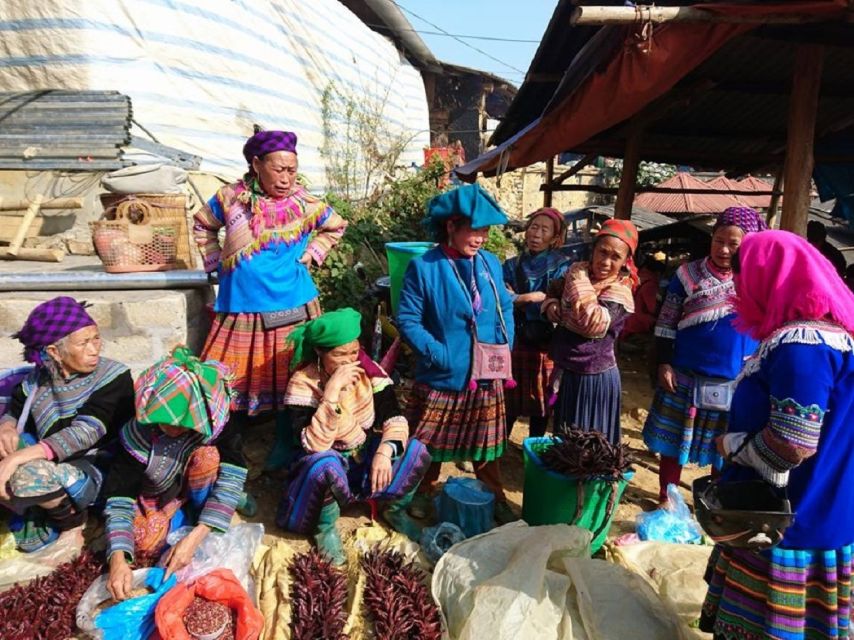
After lunch, you take a bus back to Sapa. You have some free time in your hotel room to freshen up before the bus transfer back to Hanoi.
This arrangement is more comfortable than ending the trek and immediately starting the long journey home. The short hotel stop lets you change clothes, reorganize your bag, and wash up. Still, the return day involves both hiking and a bus journey, so you may arrive in Hanoi tired.
Hanoi hotel pickup and drop-off are not included. That is an important detail when working out the true cost. The package covers the bus transportation between Hanoi and Sapa, but you need to arrange your own way to the departure point and from the arrival point if required.
The availability page supplies the start times, so check the exact departure details before booking. The stated plan begins with a morning bus from Hanoi, but the precise pickup arrangement is not provided.
What the $84 price really covers
The price is strong for a two-day mountain trip. Included are:
- One night of homestay accommodation
- Transport to Sapa and return transport from Sapa
- An English-speaking guide
- One breakfast
- Two lunches
- One dinner at a local restaurant
- Admission fees
- Mineral water
That is a useful bundle. You are not paying separately for the main meals, the guide, or entry charges, and the Hanoi to Sapa bus removes one large transport expense.
The value depends on how you handle the exclusions. Drinks, unlisted meals, and Hanoi hotel pickup and drop-off cost extra. Solo visitors also pay a $30 supplement. Bring cash because the trip specifically recommends it, and rural stops may not be the place to rely on card payments.
The small group also adds practical value. Sixteen people is not a private tour, but it is more manageable than a large coach group when walking on narrow trails. It should also give you more room to hear the guide and keep a sensible pace.
Who should book this Sapa trek
I would recommend this trip to you if you want Sapa for its villages and scenery, not just its town center. It suits people who enjoy walking, accept simple accommodation, and want a short but active introduction to several local communities.
It is especially useful for a Hanoi visit with limited time. You get the long-distance transport, a guided route, meals, and one night in the valley without having to arrange each piece separately.
I would think twice if you need a soft bed, private facilities, a flexible schedule, or a low-effort holiday. The route requires good fitness, includes a long first-day walk, and starts early on the second morning. It also does not suit children under six, pregnant women, or wheelchair users.
Bring a small bag rather than a large suitcase. Pack shoes with good grip, light trekking clothes, sunglasses, a sun hat, a scarf, insect repellent, cash, a charged phone, and any medication you need. Keep the phone and camera protected from rain or damp conditions, since the itinerary is outdoors and weather conditions can change.
Booking decision
Book this trek if you want a practical way to reach Sapa’s valley villages and spend the night in Ta Van, with transport and meals already arranged. The best features are the long Muong Hoa walk, the Red Dzao visit, and the chance to sleep in a local cottage rather than return to Hanoi the same day.
Skip it if you are looking for a relaxed sightseeing tour or a highly polished hotel stay. The walking is the point of the trip, and the simple homestay is part of the bargain. With a 4.1 rating from seven reviews and praise for its organization, it looks like a sensible, well-planned choice for fit visitors who value local contact over comfort.
FAQ
How long is the Sapa trekking experience?
The activity lasts two days. Check availability for the exact starting time.
Where does the trip begin?
The trip begins with a morning bus journey from Hanoi to Sapa.
How long is the first day’s trek?
The first day includes about 12 kilometers of walking through Muong Hoa Valley, Lao Chai, and Ta Van.
Where do I sleep overnight?
You spend one night in a local family’s cottage in Ta Van village.
Which communities will I visit?
The itinerary includes the Black Hmong village of Lao Chai, the Dzay village of Ta Van, and Dzang Ta Chai, home of the Red Dzao.
Are meals included?
Yes. The package includes one breakfast, two lunches, and one dinner at a local restaurant. Drinks and other meals are not included.
Is transportation from Hanoi included?
Bus transportation from Hanoi to Sapa and the return transfer from Sapa to Hanoi are included. Hotel pickup and drop-off in Hanoi are not included.
Is this suitable for solo visitors?
Solo visitors can book, but a $30 single supplement surcharge applies.
What fitness level do I need?
You need a good level of physical fitness. The trip includes extended trekking, small trails, and an early morning start on day two.
Just added around Vietnam
- Elephant cave and Mada valley Jungle trek – 1Day★ 5.0 · 17 reviews
- Bach Ma National Park trekking daily tour from Da Nang, Hoi An★ 5.0 · 33 reviews
- Hike and Kayak with exploring Tuyen Lam Lake in Da Lat★ 5.0 · 12 reviews
- Dalat: Cloud Hunting & Sunrise Trekking to Hon Ho Mountain★ 5.0 · 35 reviews
- Cloud Chasing packaged hike – Sunrise, Nature and Wellness★ 5.0 · 21 reviews
- Bike and Hike to Lang biang Peak★ 5.0 · 34 reviews
- Trekking Tour to Hidden Waterfall & Sturgeon Farm for dog-lovers★ 5.0 · 67 reviews
- Combo Activity Trekking, Sup Paddling, Camping and Canyoning★ 5.0 · 54 reviews
Homestay & Village Treks, side by side.
Number one top rated ethical cultural trekking and homestay by ETHOS
Read our review →
2-Day Sa Pa Ethnic Homestay Tour & Trek with Limousine Bus
Read our review →
Sapa 3 Day 2 Night Trekking With Hotel & Homestay
Read our review →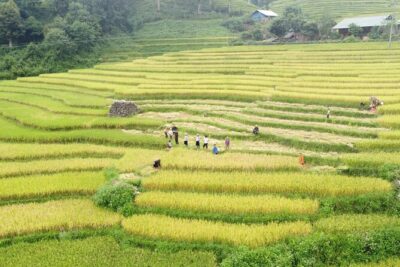
Sapa 2 Days 1 Night Overnight At Local Homestay
Read our review →
Sa Pa: 2-Day Trekking Trip with Ethnic Minority Homestay
Read our review →
This walk also sits in