
REVIEW · VIETNAM
EXPLORE SAPA: 2D1N TREKKING & HMONG CULTURE WITH DINH
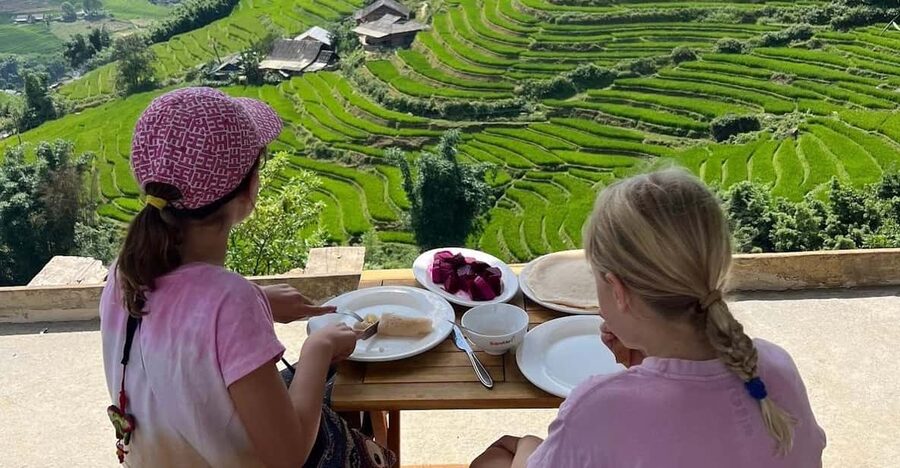
Sapa is at its best when you leave the town streets and walk into the valleys. This two-day route takes you through rice terraces, bamboo forests, and Hmong villages, then brings you into Dinh’s family home in Ta Van for dinner, stories, and a night under a mountain view.
I especially like the chance to learn directly from Dinh, a Hmong woman who grew up in the area, and the clear community purpose behind her homestay. The home-cooked meals and waterfall stop on day two are also strong touches. The catch is simple: this is a real mountain trek, with mud, steep sections, and roughly 18 kilometers of walking over two days.
I would choose this trip if you want culture and countryside rather than a quick photo stop. Just bring proper shoes, keep your daypack light, and do not plan a tight afternoon connection, since larger groups can run behind schedule.
Key points to know before you book
- Dinh’s family homestay: Stay in Ta Van with private rooms or a bungalow, depending on availability and your preference.
- Two distinct trekking days: Walk from Sapa to Ta Van on day one, then follow bamboo forest trails and rice fields toward Giang Ta Chai on day two.
- Hmong cultural insight: Dinh explains local traditions and differences between the Hmong, Giay, and Red Dao communities.
- A real community link: Tour income helps Dinh support the education of local children, including girls from nearby villages.
- Moderate but messy walking: The route covers about 18 kilometers and can become muddy or slippery after rain.
- Good value at $43: The price covers guiding, village fees, two lunches, dinner, breakfast, the homestay, daily water, and transport back to Sapa.
Why this Sapa trek feels more personal
Many Sapa walks give you terraces and mountain views, then return you to town before the day has had time to unfold. Dinh’s trip adds a night in Ta Van, which changes the pace. You have time to sit down, eat with a local family, hear personal stories, and see village life after the day’s walking is over.
Dinh is both guide and host. She speaks English and Vietnamese, and her approach is energetic, warm, and hands-on. Her infectious laugh comes up often, but the more important point is that she gives context to what you are seeing. She talks about Hmong life, clothing, farming, local customs, and the differences between ethnic groups in the valley.
Her own story is part of the experience. She has built a homestay business and uses the income to support the education of around 10 local children. That gives your payment a clear local connection, especially if you care about choosing a small, family-run activity instead of a large commercial operation.
The atmosphere can vary by departure. Dinh may be joined by a cousin or another local guide such as Su, Zu, Ku, or Mo. That can add family warmth and extra support on muddy or steep sections, though the exact guiding team is not fixed in the information provided.
More Two-Day Trips in Sa Pa:
- Mountain views & Rice Terraced Fields Hiking – 2D 1N
★ 5.0 · 99 reviews - From Antigua: Adventure, 2-Day Hiking to Acatenango Volcano
★ 4.4 · 1,189 reviews - Mt Toubkal Ascent Express Trek 2 Days 1 Nights
★ 4.7 · 962 reviews
Day one: from Sapa to Ta Van by way of three villages
The trek begins at 9:00 a.m. with a pickup at your hotel in Sapa Town or a meeting outside the main local church. That start time is useful because you can have breakfast first and still reach the trail before the heat becomes a major issue.
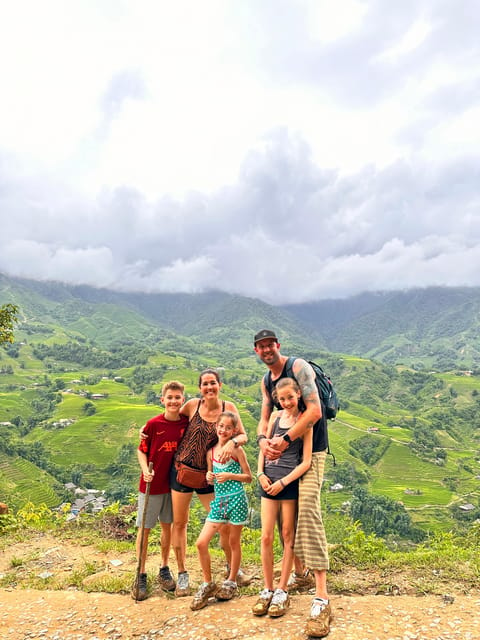
The first major section leads downhill from Sapa toward Y Linh Ho. You are not simply walking from one attraction to another. The route passes through changing views of valleys, terraces, streams, and mountain slopes, with the scenery doing most of the talking.
Y Linh Ho is a good early stop because it gets you away from the town’s busy center quickly. The trail can be narrow and uneven, and the downhill direction may feel easy at first, but it still puts work into your knees. Hiking poles are not listed as included, so bring your own if you normally use them.
Lunch comes at a small restaurant run by a local Hmong family. Two lunches are included in the price, and meals are made with fresh local ingredients. Vegetarian food is available, but tell Dinh in advance if you have dietary needs so the family can plan properly.
After lunch, you continue to Lao Chai, one of the oldest and largest Hmong villages in the area. This is where the cultural side of the walk becomes more useful. Dinh can explain how Hmong and other local communities differ in clothing, customs, farming, and daily life, rather than leaving you to guess from what you see.
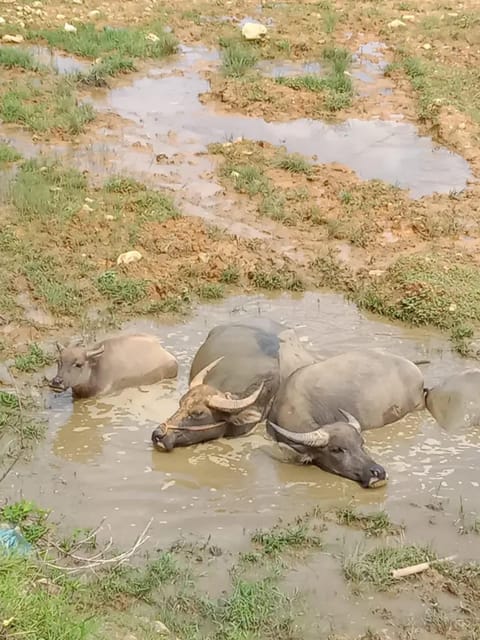
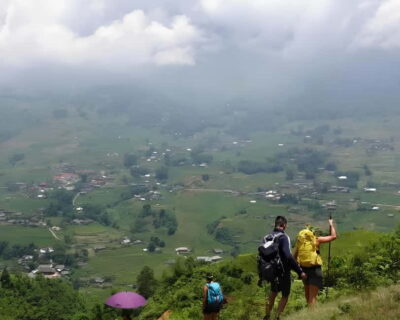
You may see people planting or harvesting rice, depending on the season. The terraces are not just pretty scenery. They are working farmland, shaped by water, weather, and years of careful cultivation. If you visit outside planting or harvest periods, the views can look quieter, but the walking remains worthwhile.
The route then continues toward Ta Van, where Giay and Hmong communities live. This section is a good reminder that Sapa is not defined by one ethnic group. The valley has several communities living close together, with differences in language, dress, customs, and food.
The first day covers about 9 to 11 kilometers and takes around five and a half hours. That is a moderate outing, not a casual stroll. The total distance is manageable for people who are used to walking, but the uneven ground and changes in weather are what make it tiring.
The Ta Van homestay and an evening with Dinh’s family
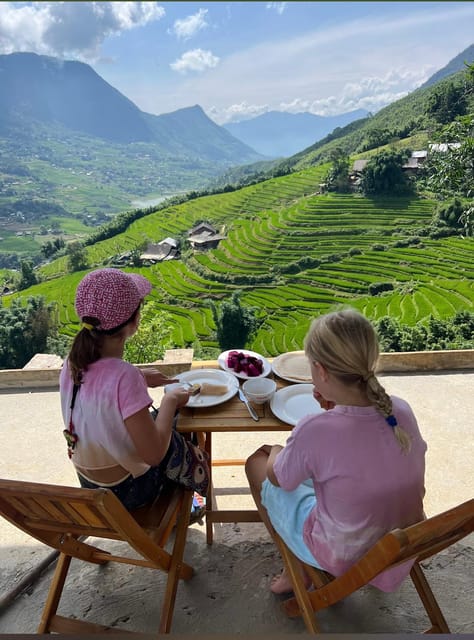
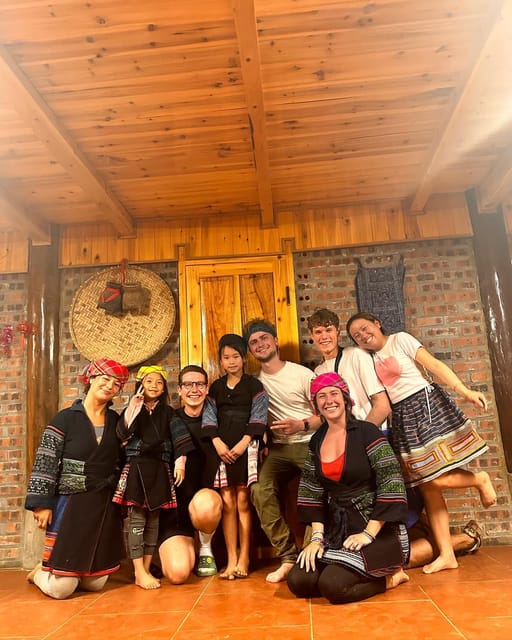
At Dinh’s family homestay, you can shower with hot water, rest, and take in the view before dinner. Accommodation is simple but comfortable, with a private room or a bungalow available by preference. The bungalow is described as having a mountain view and one of the best looks over the rice terraces.
Do not expect a hotel. The charm is in staying with a family, and the amenities are basic. A heated blanket has been especially useful for some visitors during cooler nights, but you should still pack clothing suited to mountain weather.
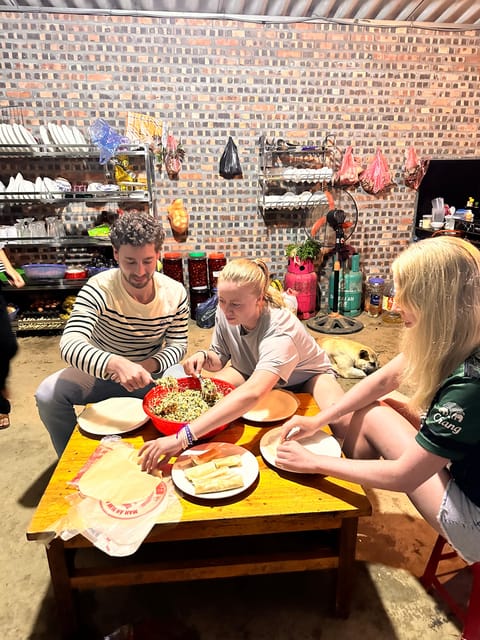
The evening can include an informal cooking class. You may help prepare traditional food with the family, then sit down to a generous dinner. The meal is a real strength of this experience. Spring rolls are a particular favorite, and vegetarian options are available at dinner, breakfast, and lunch.
After the meal, Dinh shares her story and explains how the homestay helps fund schooling for children in the area. Her students may perform a traditional dance to welcome you, and you can spend time with local children before the evening winds down.
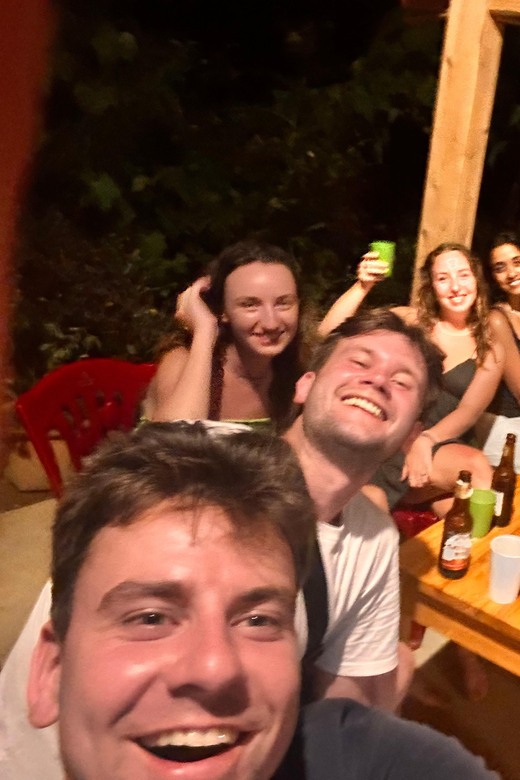
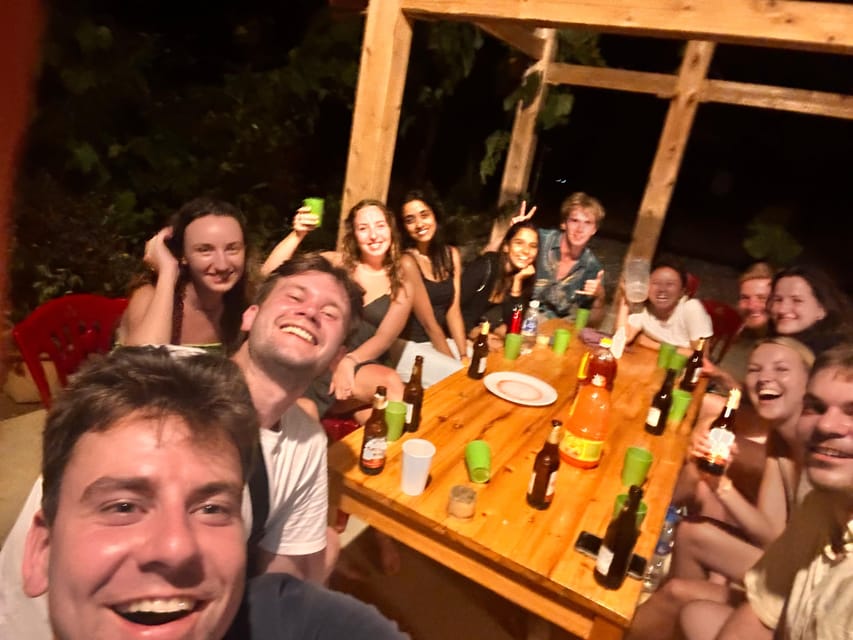
There may also be drinking games with happy water, the local rice wine. Join only if you want to, and take it slowly. The following morning involves another trek, and the rice wine is stronger than its cheerful name suggests.
This evening is likely to be the most memorable part for anyone who wants direct contact with local people. It is also the part that requires the right expectations. You are sharing a family setting, not attending a staged cultural show with polished production. That makes it more genuine, but also less predictable.
Day two: bamboo forest, waterfall, and the Red Dao area
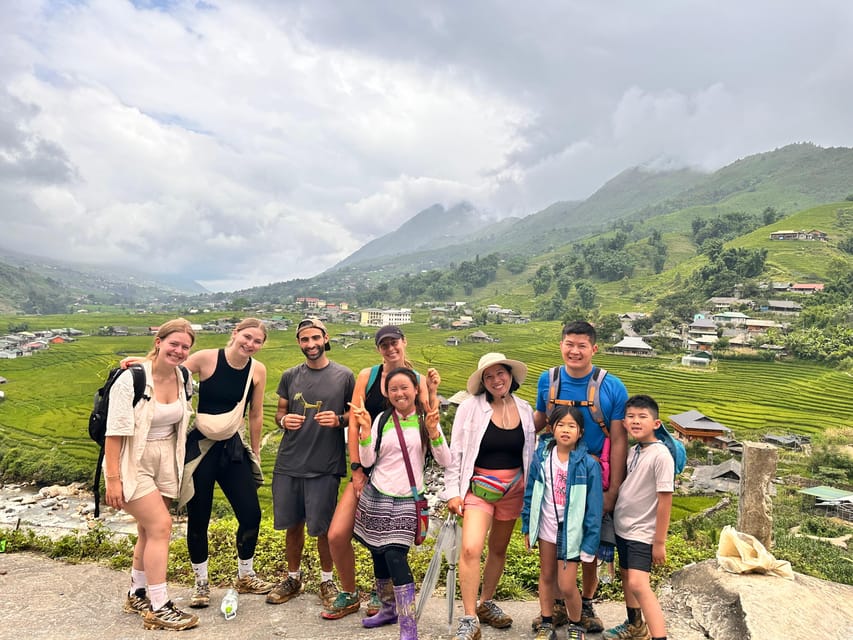
The second morning begins with coffee or tea at the homestay. Breakfast is included, and the quiet start gives you time to enjoy the setting before putting your shoes back on.
The route from Ta Van leads through bamboo forests and terraced fields toward Giang Ta Chai. Bamboo changes the feel of the walk. Instead of broad open views all the time, you get shaded paths and a closer sense of the valley’s plant life.
Giang Ta Chai’s waterfalls provide the day’s best refreshment stop. You can swim in the cool water if conditions allow and if you feel comfortable doing so. Bring a small towel and wear clothing that can handle getting wet, though the supplied information does not specify changing facilities at the waterfall.
The trail then enters a Red Dao ethnic area before reaching the main road. This gives you another chance to compare local communities and understand that the valley is home to several distinct groups. The cultural explanations matter most here, since a quick walk through a village can otherwise become little more than a series of photographs.
Day two covers about 7 to 8 kilometers and takes around four hours. You finish with lunch, then take a taxi back to Sapa. The advertised finish is between 2:00 and 3:30 p.m., but I would leave extra time if you have a bus or train to catch.
One larger group needed longer for lunch and bag transport, with the finish closer to 4:30 p.m. That is not a reason to reject the trip, but it is a useful warning. Do not schedule an important connection too tightly after the trek.
More hikes and treks around Sa Pa:
- Sa Pa: Muong Hoa Valley Trek and Local Ethnic Villages
★ 4.6 · 864 reviews - Sapa: Eco Adventure Terrace Fields and Local Villages Trek
★ 4.9 · 636 reviews - Number one top rated ethical cultural trekking and homestay by ETHOS
★ 5.0 · 456 reviews - From Sapa: 1-Day Guided Trek to Lao Chai & Ta Van with Lunch
★ 4.9 · 416 reviews
What the $43 price really covers
At $43 per person, this is strong value for a two-day guided mountain trip. The price includes a local guide for both days, entry fees for four villages, two lunches, one dinner, one breakfast, one night at the homestay, one large bottle of water per person per day, and transport back to Sapa.
That list matters because small costs can add up quickly in a mountain destination. You are not paying separately for each village entry or for the return ride from the countryside. The family homestay and meals also make the price more useful than a simple half-day walk.
You still need money for extra drinks, beer, snacks, and purchases from local sellers. Some people like to buy handmade items along the way, and carrying cash gives you that option. Do not feel pressured to buy, though. One part of the route can include persistent sellers of local goods, which may interrupt the quiet mood.
Travel insurance is not included. The trip is not suitable for people over 95, and children under three can join free if you tell the operator in advance. The listed fitness level is moderate, but I would treat that as an honest minimum rather than a promise of an easy walk.
Bags, clothing, and trail conditions
You should carry a small daypack with water, sunscreen, mosquito spray, cash, and anything you need for one night. Ask your Sapa hostel if it can hold your larger bags while you trek.
If that is not possible, Dinh can arrange transport for your bags to her house. That means you do not need to carry a full pack over the mountain trails, which makes a big difference on muddy sections.
Wear comfortable hiking shoes with reliable grip. The supplied recommendations include both comfortable shoes and hiking shoes, but the practical choice is footwear you trust on steep, wet ground. After rain, parts of the route can become muddy and soggy, and you should expect to get dirty.
A sun hat, biodegradable sunscreen, water, cash, and mosquito spray are useful. The phrase climbing gear appears in the suggested packing list, but no specific technical equipment is described as necessary. For this reason, ask Dinh what she means if you are unsure.
The weather can change the experience. Clouds may hide some mountain views, while rain can make the walking harder. Even in poor visibility, you still have the villages, the forest, the homestay, and the cultural side of the trip, but pack for wet conditions rather than hoping for perfect skies.
Who should choose this experience
I would recommend it to anyone who wants a moderate outdoor challenge with a strong local connection. Couples, families with older children, solo visitors, and small groups can all fit the experience, provided everyone can manage uneven trails.
Families should discuss the route with Dinh before booking. One guide helped carry or piggyback younger children during a separate trek, but that should not be treated as a guaranteed service. The terrain remains real mountain terrain, not a family sightseeing path.
This is also a good choice if you want your accommodation to have a social purpose. Dinh’s focus on helping children attend school gives the trip more meaning than a standard overnight walk, and you get to understand that work through conversation at the homestay.
I would think twice if you dislike simple accommodation, group departures, muddy shoes, or shared meals with a local family. You should also avoid booking it immediately before a flight or fixed bus departure, since the finish time can move later with a large group.
Should you book Dinh’s Sapa trek?
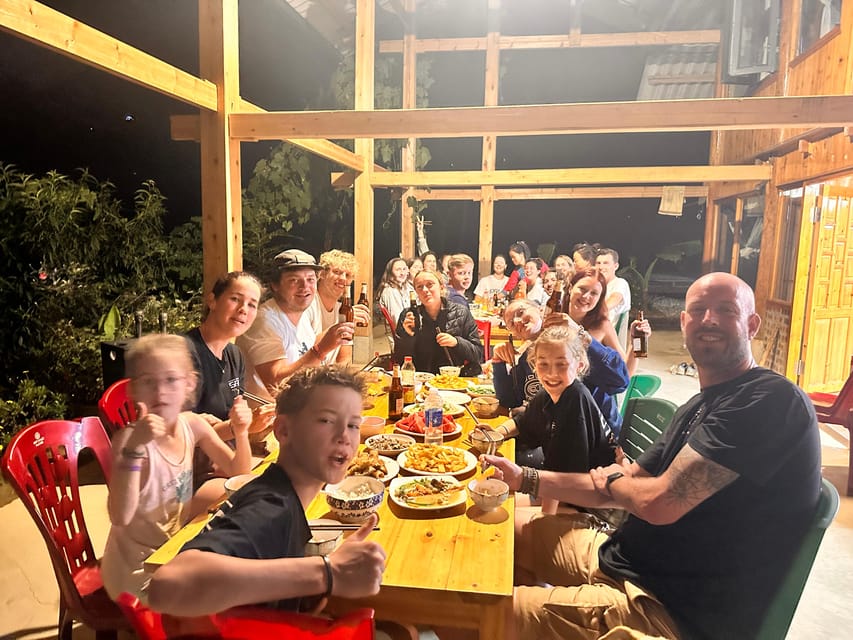
Book it if you want more than terraces viewed from a roadside lookout. The strongest parts are Dinh’s personal guidance, the family homestay, generous local food, the waterfall, and the chance to learn about Hmong, Giay, and Red Dao communities while walking through their home area.
The main drawbacks are the moderate physical effort, basic accommodation, possible mud, extra drink costs, and an ending time that can shift. None of these are serious problems if you pack well and keep your schedule flexible.
At $43, the trip gives you two days of guiding, meals, village access, lodging, and return transport. For an authentic Sapa experience with a clear connection to local families and children’s education, I think it is a very good choice.
FAQ
Where does the Sapa trek begin?
The tour starts at 9:00 a.m. The guide meets you at your hotel in Sapa Town or in front of the local main church.
How far do you walk?
You walk about 9 to 11 kilometers on day one and 7 to 8 kilometers on day two, for roughly 18 kilometers over the full trip.
What villages are included?
The route passes through Y Linh Ho, Lao Chai, Ta Van, and Giang Ta Chai. It also enters a Red Dao ethnic area on the second day.
Where do you sleep?
You stay one night at Dinh’s family homestay in Ta Van. Private rooms and a bungalow with a mountain view are available, depending on your preference.
Are meals included?
Yes. The price includes two lunches, one dinner, and one breakfast. Vegetarian options are available.
Is the trek difficult?
The listed fitness level is moderate. The route includes steep and uneven terrain, and rain can make the trails muddy and slippery.
Can I swim at the waterfall?
Yes, you can swim at the Giang Ta Chai waterfall if you wish. The water is described as cool, so bring suitable clothing and a towel if you plan to enter.
What happens to my large bags?
You can ask your hostel to store them. If that is not possible, Dinh can help transport them to her house, so you only carry a daypack during the trek.
Is transport back to Sapa included?
Yes. After lunch on the second day, transportation back to Sapa is included.
Can I cancel or pay later?
You can reserve and pay later, with nothing due at the time of booking. Cancellation is allowed up to 24 hours in advance for a full refund.
Just added around Sa Pa
- Sapa: Private The Most Beautiful Terraced Fields Trekking★ 4.8 · 42 reviews
- In Sapa: 1 Day Mountain Trek, Visit beautiful villages★ 5.0 · 50 reviews
- Mountain views and villages trek – 1 Day★ 5.0 · 99 reviews
- Mountain views & Rice Terraced Fields Hiking – 2D 1N★ 5.0 · 99 reviews
- Sapa The Hidden Trail Trek 1 Day – Mountain & Rice Valley★ 5.0 · 133 reviews
- Trekking Through Rice Terraced Fields – 1Day★ 5.0 · 173 reviews
- Sa Pa: 6-Hours Muong Hoa Valley Trek with Local Ethnic guide★ 4.5 · 178 reviews
- 1 day Fansipan Trekking★ 5.0 · 180 reviews
Sapa Hiking Tours, side by side.
Sa Pa: Muong Hoa Valley Trek and Local Ethnic Villages
Read our review →
Eco Adventure Terrace Fields and Local Villages Trek
Read our review →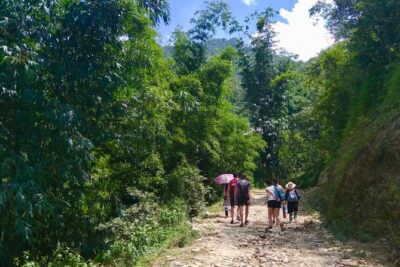
Number one top rated ethical cultural trekking and homestay by ETHOS
Read our review →
1-Day Guided Trek to Lao Chai & Ta Van with Lunch
Read our review →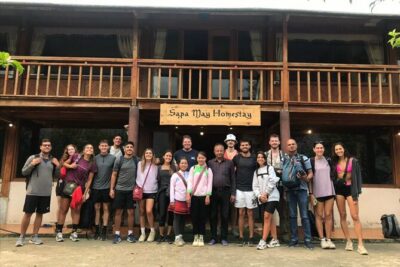
Sapa 1 Day Long Trek: Trek to Hau Thao and Sa Seng Villages
Read our review →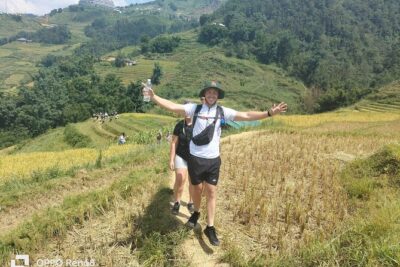

This walk also sits in