
REVIEW · VIETNAM
Sa Pa: Muong Hoa Valley Trek and Local Ethnic Villages
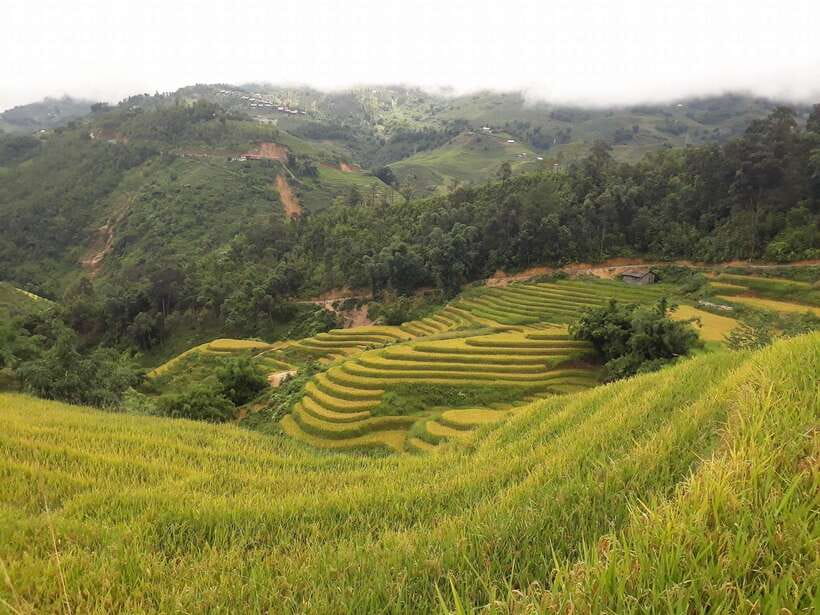
Muong Hoa Valley is at its best on foot, where narrow trails run between rice terraces, village homes, river crossings, and bamboo forest. This is not a gentle sightseeing walk. Mud, steep ground, and slippery stones can turn the 10-kilometer route into a serious half-day hike, especially after rain.
I like the way the tour links several villages and ethnic communities in one outing, and I like the local lunch, which gives the day a welcome pause. Guides such as Su, Sunny, Khu, Chai, and Nhu are often praised for explaining local customs and helping people safely through rough patches. The main drawback is the weather: fog can hide the valley, while rain can make the trail very slick.
Key points to know before you go
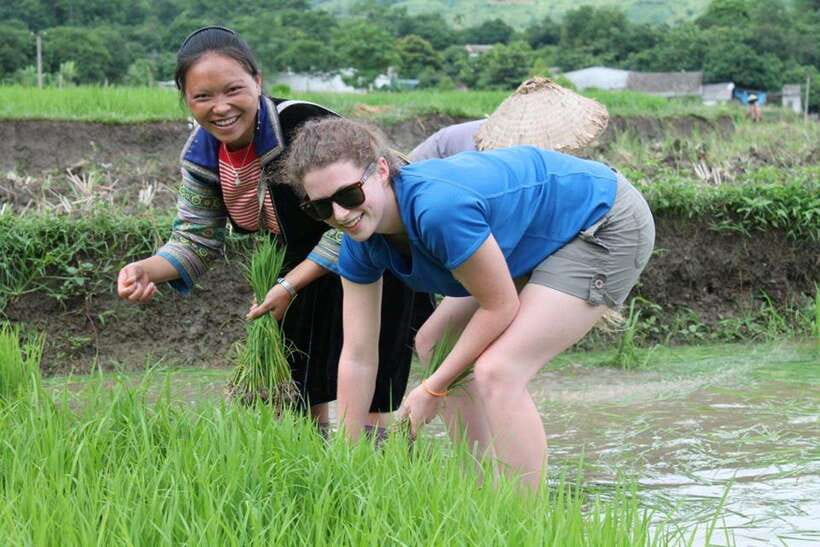
- Three village areas in one trek: Walk through Lao Chai, Ta Van Giay, and Giang Ta Chai, with Black Hmong and Red Dao communities along the route.
- The trail is genuinely rough: Muddy slopes, wet rocks, bamboo paths, and uneven ground call for proper hiking shoes or boots.
- A local lunch breaks up the hike: Eat at a village home before continuing through the bamboo forest.
- Small groups make a difference: The group is limited to 11 people, allowing the guide to offer more help on difficult sections.
- Bring cash for local helpers: Women from the villages may assist on muddy sections, then encourage you to buy their handmade goods.
- Good value at $23: Pickup in central Sa Pa, guide, entry fees, lunch, water, and return transport are included.
Why this Sa Pa trek is worth your time
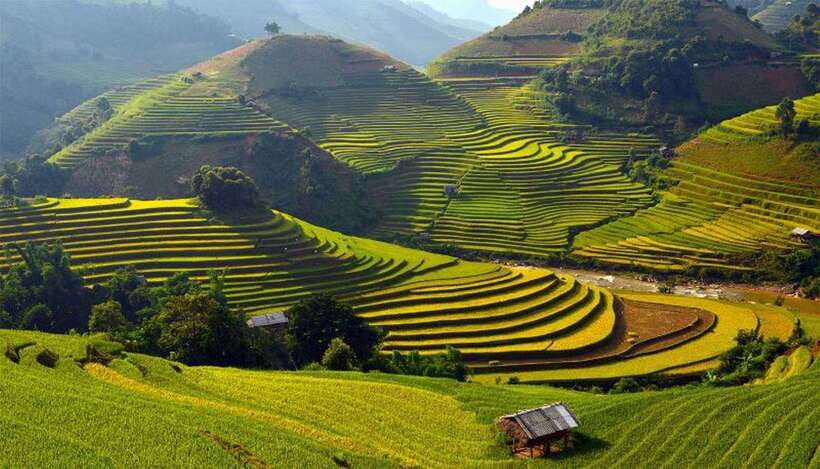
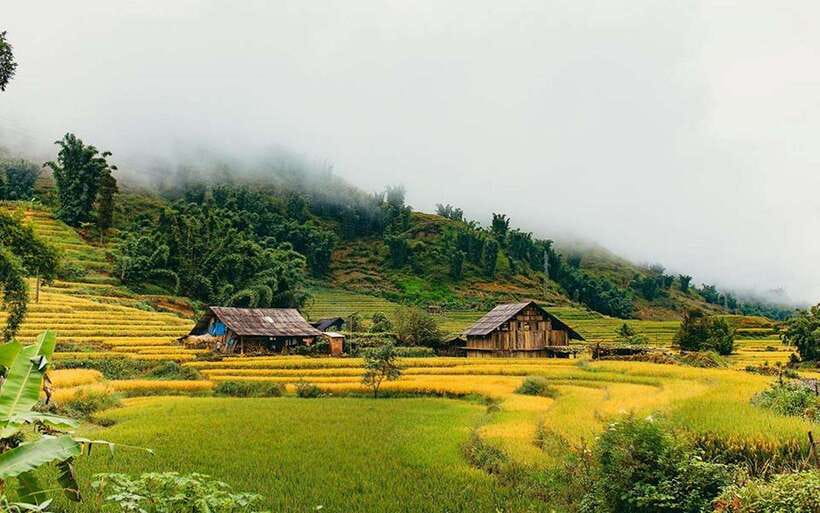
This tour gives you a close look at the Muong Hoa Valley without reducing the area to a quick roadside photo stop. You walk through working rice terraces, follow the Muong Hoa River, pass homes on stilts, and meet people from communities with distinct traditions.
At $23 per person, the value is strong. The fee covers a guide, lunch, entry tickets, transport, and a 500-milliliter bottle of water. You are also getting a full six-hour outing, not just a short walk from town. For a first visit to Sa Pa, it packs a lot into one day.
The trade-off is that this is a physical activity, not a casual stroll. You might cover close to the stated 10 kilometers, though some people have recorded roughly 12.5 kilometers and more than 21,000 steps. The exact distance may vary with the route and conditions, but you should plan for a long walk.
More Rice Terrace Hikes in Sa Pa:
- Sa Pa: 6-Hours Muong Hoa Valley Trek with Local Ethnic guide
★ 4.5 · 178 reviews - Selogriyo Temple and Trekking Java Rice Terraces, hidden waterfall -Nature Java
★ 5.0 · 179 reviews - Yogyakarta: Selogriyo Temple Tour & Java Rice Terrace Trek
★ 5.0 · 175 reviews
Setting out from Sa Pa into Muong Hoa Valley
Pickup is available from hotels in central Sa Pa or from the Vietnam Nomadtrails office. Hotels outside the Sa Pa area are not included for pickup, so check your location before booking.
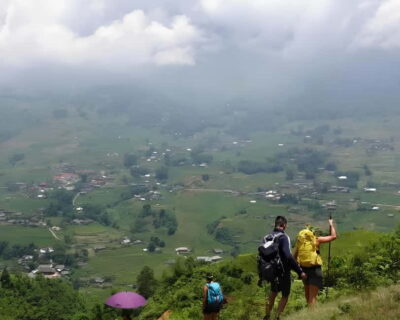
The walk begins with views of the valley and rice terraces, often partly hidden by morning mist. Fog is common in the area, and it can soften the views rather than spoil the outing. On a clear day, you get broad views down the valley. On a cloudy day, the atmosphere is more enclosed and moody, with terraces appearing and disappearing through the mist.
You follow smaller trails toward the Muong Hoa River. These paths are part of what makes the outing worthwhile, but they are also where the footing becomes less predictable. After rain, sections can turn into mud. Trainers with smooth soles are a poor choice, and new white shoes may never look the same.
Your guide sets the pace and points out safe places to step. Local women sometimes walk alongside the group and lend a hand on steep or muddy slopes. Their help can be very useful, but you should understand the social side of this arrangement: you may be encouraged to buy a small item from them afterward. Bring cash if you want to handle this politely.
Lao Chai and the Black Hmong valley
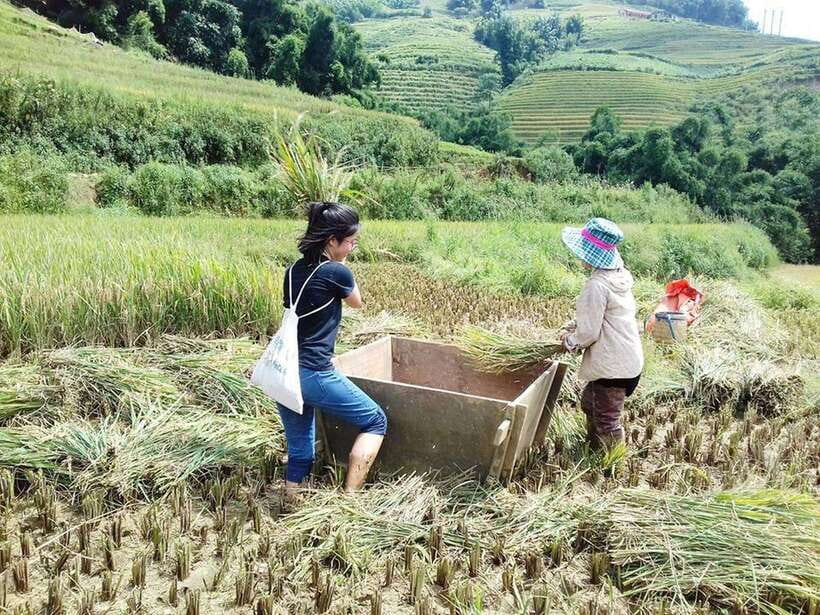
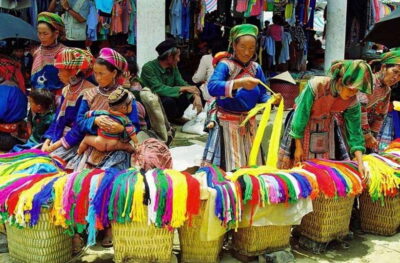
The first major village area is Lao Chai, home to members of the Black Hmong community. Here, the walk becomes more than a scenic route. Your guide can explain local customs, daily work, clothing, and the way homes and farms fit into the valley.
The scenery is the star, but look down as well as out. Terraced fields are shaped into the hillsides and carefully maintained. Depending on the season, you may see people working among the fields and water buffalo near the paths. The views can feel wide and dramatic, but the trail itself keeps you focused on each step.
Guides make a large difference here. Su is praised for watching the group closely and warning people about unstable rocks. Sunny is known for sharing stories and local details while also arranging extra help on muddy sections. Chai and Khu are also noted for their friendly manner and clear explanations.
The tour is organized, but it does not feel like a polished city attraction. Paths may be uneven, village areas may be busy with local sellers, and you will see both the beauty and the less tidy side of rural tourism. One particularly useful point to keep in mind is rubbish. Some parts of the land and river have accumulated litter, which can interrupt an otherwise beautiful view.
Ta Van Giay, river paths, and ancient carvings
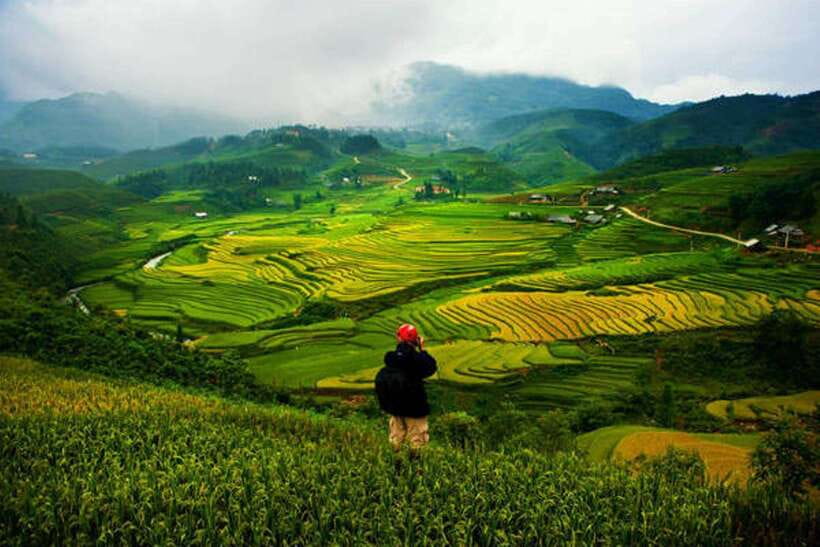
From Lao Chai, the route continues toward Ta Van Giay. You follow the Muong Hoa River and cross a small suspension bridge about 2 kilometers from the settlement.
This section helps explain why sturdy footwear matters. You may move between packed paths, rocky ground, wet sections, and narrow trails. The bridge adds a memorable crossing, but the route is not designed for anyone who needs smooth, level access. The tour is not suitable for people with mobility impairments.
One of the more unusual stops is a collection of ancient rock carvings. The carved images include human figures, stilt houses, and decorative patterns. They are easy to miss if you are hurrying, so this is a good place to listen to the guide and take your time.
The carvings also give the walk a sense of depth. You are not only looking at modern village life or taking photographs of rice fields. You are passing signs of earlier communities and artistic traditions tied to the valley. The exact meaning of every carving may not be clear, but the site adds a worthwhile cultural layer to the route.
More hikes and treks around Sa Pa:
- Sapa: Eco Adventure Terrace Fields and Local Villages Trek
★ 4.9 · 636 reviews - Number one top rated ethical cultural trekking and homestay by ETHOS
★ 5.0 · 456 reviews - From Sapa: 1-Day Guided Trek to Lao Chai & Ta Van with Lunch
★ 4.9 · 416 reviews - Sa Pa Full Day Trekking Tour
★ 5.0 · 414 reviews
Lunch at a village home
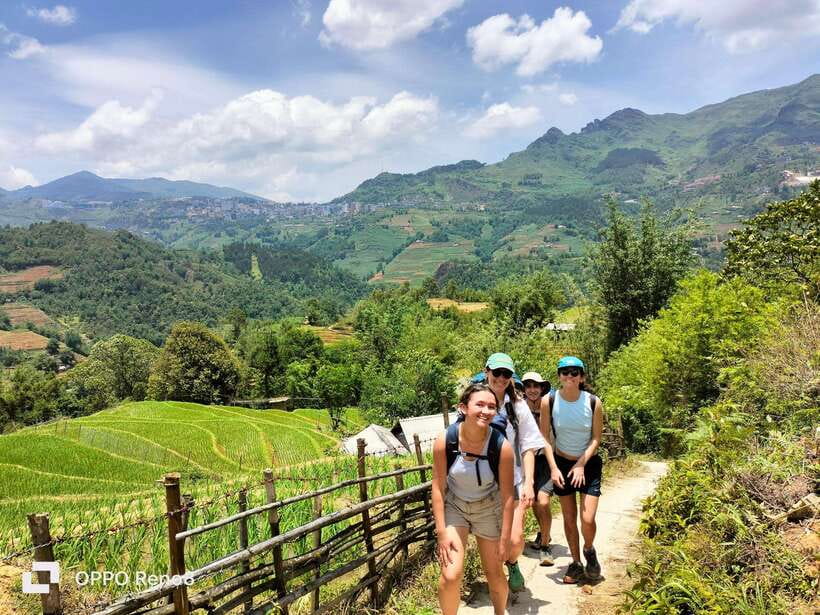
Lunch comes at a local house in one of the villages. It is a practical part of the day as much as a cultural one. After several hours on uneven paths, sitting down for a proper meal gives your legs a break before the harder sections later on.
Meals have included rice, vegetables, tofu, eggs, and vegetarian spring rolls. Vegan food can be accommodated, but tell the provider when booking rather than waiting until lunchtime. Beverages are not included, so bring extra money if you want something beyond the supplied mineral water.
Eating at a local home is one of the better parts of the outing because it connects the food with the place. You are not simply stopping at a standard restaurant between attractions. At the same time, keep your expectations sensible. This is a simple village meal, not a formal dining experience, and the food may vary.
The lunch stop also breaks up the route. Without it, the distance and uneven ground would feel much more demanding. After lunch, you still have the bamboo forest and the climb back toward the road, so do not treat the meal as the end of the hike.
Bamboo forest, Giang Ta Chai, and the waterfall
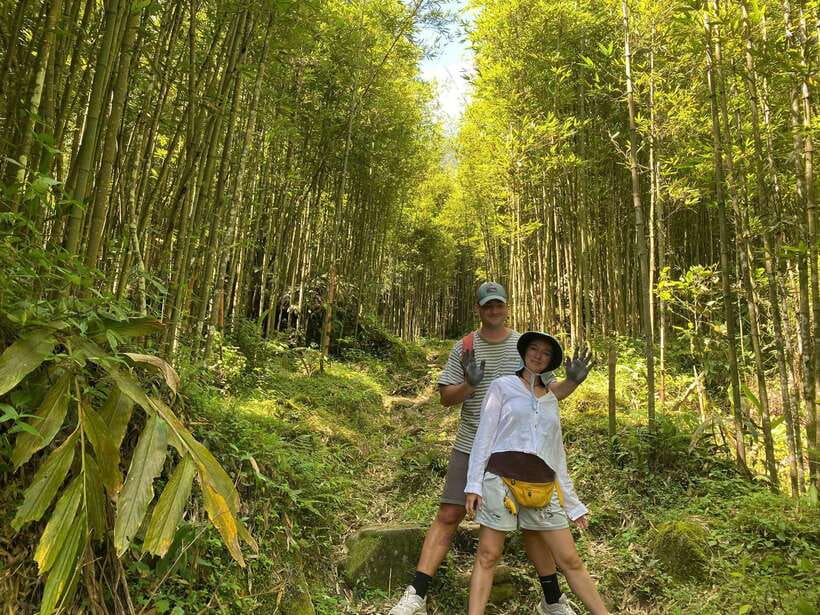
After lunch, the trail leads through a bamboo forest toward Giang Ta Chai, a Red Dao ethnic minority village. This is one of the most physical parts of the outing. Bamboo paths can be narrow, damp, and slippery, especially after rain.
The forest changes the feel of the walk. Rice terraces give way to shade, roots, mud, and wet rocks. Local helpers may offer hands on steep sections, and guides often organize the group carefully through difficult spots. If you are nervous on uneven ground, this is where patience matters more than speed.
At Giang Ta Chai, you get another look at village life and the cultural variety of the valley. The route does not present every community in the same way, which is useful. Black Hmong and Red Dao traditions are not treated as interchangeable, and your guide can explain some of the differences.
A short rest at a nearby waterfall follows. It is a modest but welcome pause before the final climb. You will then head uphill to the main road, where the driver collects the group and returns you to Sa Pa. The tour ends at about 3:30 PM, though the exact timing depends on trail conditions and the pace of the group.
How hard is the 10-kilometer route?

Fitness is the main booking question. In dry weather, many people find the trek manageable, though still long. In wet weather, the same route can become exhausting because you are constantly checking your balance and taking smaller steps.
The most common problem is not distance alone. It is the combination of slippery mud, steep slopes, wet stones, and rough paths. Several people have fallen in very wet conditions, and some have finished soaked and covered in mud. That does not mean the tour is unsafe by design, but it does mean you need to take the warning seriously.
Bring:
- Hiking shoes with strong grip
- Sunglasses and sunscreen
- Insect repellent
- Warm clothing from October through March
- Cash for personal purchases
- A small bag rather than oversized luggage
Avoid sandals and smooth-soled trainers. Hiking boots or sturdy trekking shoes are the sensible choice. Some local guides wear high-grip rubber boots because they know the mud well. You do not need to copy their footwear exactly, but you do need something made for wet, uneven ground.
Children under 6 are not accepted, and the activity is not suitable for people with mobility impairments. Anyone with a low fitness level should choose an easier village walk instead.
Weather, crowds, and the cultural side
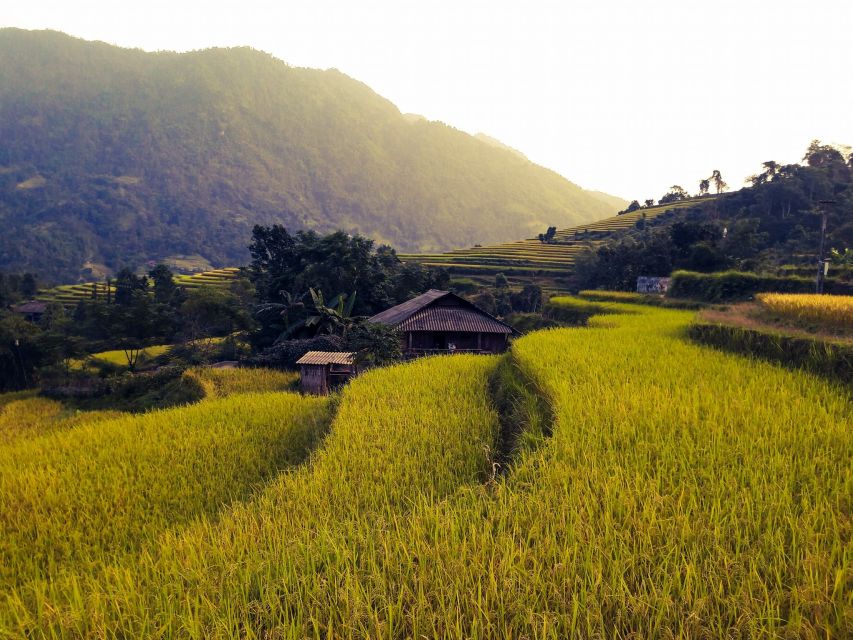
Sa Pa weather can change the day completely. Fog may block distant views, and rain can turn a scenic trail into a balance exercise. Still, poor visibility does not erase the village visits, lunch, carvings, or forest section.
The small-group limit of 11 is helpful. A group of three, for example, can move quietly and receive close attention from the guide. A larger group may take longer on muddy sections, particularly when people need a helping hand. The guide usually has to balance different walking speeds, so do not expect a fast hike.
The village assistance is worth discussing plainly. Women may accompany you for part of the route, especially through mud, and their help can be genuinely useful. Some people enjoy this friendly contact. Others find the later pressure to buy handmade items uncomfortable. You can budget for a small purchase, decline politely, or ask your guide how to handle the situation.
The cultural contact is also shaped by tourism. One person felt the organized version was more touristy than arranging a trek directly with a local woman in Sa Pa. That is a fair point. Booking this tour gives you a set route, transport, an English-speaking guide, entry fees, and a clear schedule. Going directly may feel more personal, but it may not offer the same structure or included services.
Is $23 good value?
Yes, if you want a full half-day trek with transport and lunch included. The price is low for a six-hour outing that combines several villages, scenery, a guide, entry tickets, and a meal.
The value is strongest for visitors with limited time in Sa Pa. You do not need to arrange separate transport to the valley or negotiate a route on the spot. The guide also adds context that you would miss by walking alone.
The cost does not cover drinks, personal purchases, or a French-speaking guide. A French-speaking guide costs an extra $19 per person. There is also a $30 per-person Lunar New Year surcharge from February 14 through February 21, 2026, payable at departure.
Free cancellation is available up to 24 hours before the tour, and you can reserve now and pay later. Those terms help if your Sa Pa plans depend on weather, though the weather itself remains the biggest variable.
Who should book this trek?
Book it if you want village life, rice terraces, and a proper walk in one outing. It suits people who are comfortable with six hours outside, uneven ground, and some uncertainty caused by weather.
It is especially useful for first-time visitors who want an English-speaking guide and a planned route. The cultural explanations from guides such as Su, Sunny, Khu, Chai, Nhu, and Minh add real value, particularly if you want to understand more than the names of the villages.
Skip it if you want easy paths, guaranteed clear views, or a relaxed sightseeing schedule. You should also skip it if you have mobility limitations, dislike mud, or do not have suitable footwear.
Final decision
I would book this tour for the combination of strong value, varied scenery, and village contact. The local lunch, ancient carvings, bamboo forest, and waterfall keep the day from feeling like one long rice-field walk.
Just go in prepared. Wear proper grip footwear, carry cash, expect local sellers, and accept that the valley may be foggy or muddy. If you can handle those conditions, this is one of the more useful short introductions to Sa Pa’s countryside.
FAQ
How long is the Muong Hoa Valley trek?
The stated trek is 10 kilometers and the activity lasts about six hours. The route may feel longer in wet conditions, and some people have recorded around 12.5 kilometers.
What villages does the tour visit?
The route goes through or near Lao Chai, Ta Van Giay, and Giang Ta Chai. It includes contact with Black Hmong and Red Dao communities.
Is lunch included?
Yes. Lunch at a local home is included. Meals may include rice, vegetables, tofu, eggs, and vegetarian spring rolls.
Is the tour suitable for children?
Children under 6 are not suitable for this activity. The trek is also not suitable for people with mobility impairments.
What should I wear?
Wear hiking shoes or trekking shoes with good grip. Bring warm clothes from October through March, and consider sunglasses, sunscreen, and insect repellent.
Can I join if it has been raining?
You can, but rain makes the trail much more difficult. Muddy slopes, wet rocks, and slippery bamboo paths are common in wet conditions.
Is hotel pickup included?
Pickup is included from hotels in central Sa Pa or from the Vietnam Nomadtrails office. Pickup from outside the Sa Pa area is not available.
Are drinks included?
One 500-milliliter bottle of mineral water per person is included. Other beverages and soft drinks are not included.
How large is the group?
The tour is limited to 11 participants. An English-speaking guide leads the group, and a French-speaking guide is available for an additional $19 per person.
Just added around Sa Pa
- Sapa: Private The Most Beautiful Terraced Fields Trekking★ 4.8 · 42 reviews
- In Sapa: 1 Day Mountain Trek, Visit beautiful villages★ 5.0 · 50 reviews
- Mountain views and villages trek – 1 Day★ 5.0 · 99 reviews
- Mountain views & Rice Terraced Fields Hiking – 2D 1N★ 5.0 · 99 reviews
- Sapa The Hidden Trail Trek 1 Day – Mountain & Rice Valley★ 5.0 · 133 reviews
- Trekking Through Rice Terraced Fields – 1Day★ 5.0 · 173 reviews
- Sa Pa: 6-Hours Muong Hoa Valley Trek with Local Ethnic guide★ 4.5 · 178 reviews
- 1 day Fansipan Trekking★ 5.0 · 180 reviews
Sapa Hiking Tours, side by side.
Eco Adventure Terrace Fields and Local Villages Trek
Read our review →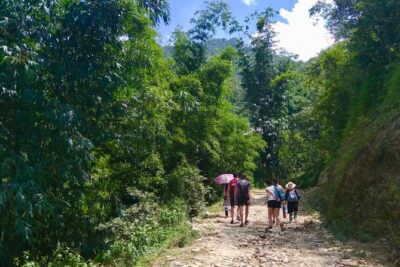
Number one top rated ethical cultural trekking and homestay by ETHOS
Read our review →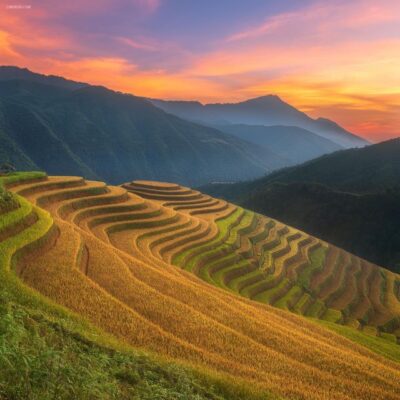
1-Day Guided Trek to Lao Chai & Ta Van with Lunch
Read our review →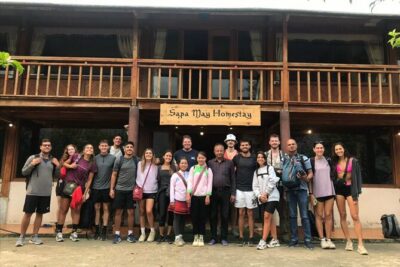
Sapa 1 Day Long Trek: Trek to Hau Thao and Sa Seng Villages
Read our review →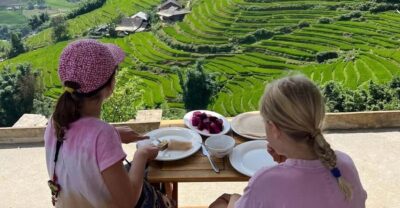
EXPLORE SAPA: 2D1N TREKKING & HMONG CULTURE WITH DINH
Read our review →

This walk also sits in