
REVIEW · VIETNAM
Sapa 1 Day Long Trek: Trek to Hau Thao and Sa Seng Villages
The best part of this Sapa trek is the changing scenery. You start high above the Muong Hoa Valley, then walk through rice terraces, bamboo forest, and Black Hmong villages before finishing near Giang Ta Chai. On a clear day, Mount Fansipan appears across the valley, while the trail gives you a close look at farms, animals, and daily mountain life.
I like the local guides, who bring the route to life with stories about rice farming, house-building, marriage customs, and village life. I also like the home-style lunch, a welcome break after the first climb. The catch is simple: this is not an easy stroll. Mud, steep paths, slippery bamboo sections, and long descents can make it a serious day out.
The route is worth considering if you have one full day in Sapa and want more than a quick viewpoint. Guides such as Mama Mao, Su, Zozo, Vang, and Chau are repeatedly praised for their humor, patience, and care. Just bring proper shoes, expect changing weather, and leave room in your day for a hike that can cover roughly 15 kilometers.
Key points to know before you book
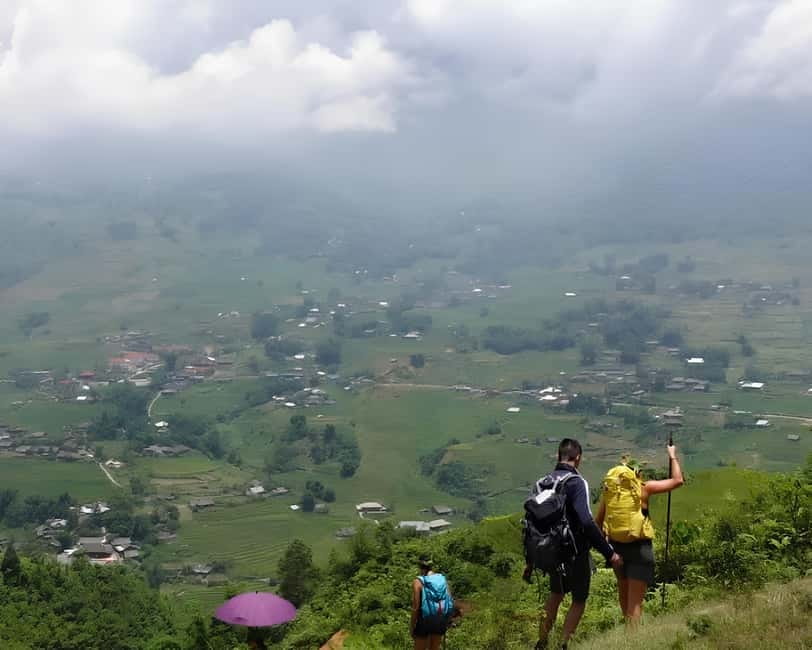
- Panoramic start: Climb Sa Seng Mountain for views toward Fansipan, Sapa, and the Muong Hoa Valley.
- Several kinds of walking: Expect uphill trails, downhill paths, rice fields, bamboo forest, rocky ground, and sections of concrete road.
- Local village contact: The route passes through Hang Da and Hau Thao, both Black Hmong communities.
- Guide-led cultural insight: Your guide explains farming, customs, homes, animals, and village life along the way.
- Lunch included: Stop at a family-run local restaurant for a generous traditional meal. Drinks may cost extra.
- Weather matters: Fog can erase the big views, while rain turns some paths into mud and makes the hike harder.
Sa Seng Mountain gives you the big view first
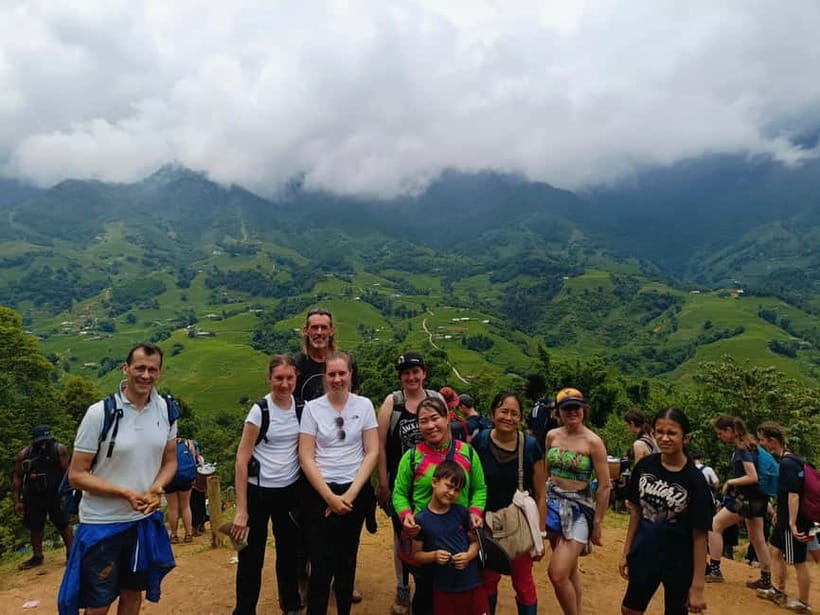
Pickup is arranged from accommodation in Sapa town at about 9:00 AM. If you are staying outside town, you can pay for transport to a meeting point, such as Sapa TT Homestay on Dien Bien Phu Street or July Hotel Central Sapa on To Vinh Diem Street.
After a short briefing, the walk begins with about 1 kilometer of uphill trail. The first hour is moderate for a reasonably active hiker, but it is not flat or gentle. You gain height quickly, and the uneven surface makes the climb feel more demanding than the distance suggests.
At the top of Sa Seng Mountain, the reward is a broad view across the Sapa area. You may see Mount Fansipan, at 3,143 meters, in the distance. Below, the Muong Hoa Valley spreads through the mountains, with rice terraces cut into the slopes and a large river running through the valley.
This is the route’s strongest visual moment when the sky is clear. Fog is common in Sapa, especially in cooler months, and it can hide Fansipan and much of the valley. That does not remove the value of the walk, but you should book this for the full mountain experience rather than a guaranteed viewpoint.
More One-Day Trips in Sa Pa:
- From Sapa: 1-Day Guided Trek to Lao Chai & Ta Van with Lunch
★ 4.9 · 416 reviews - 1-day Authentik trek & Panorama valley views
★ 5.0 · 189 reviews - 1 day Fansipan Trekking
★ 5.0 · 180 reviews
Hang Da brings you closer to mountain life
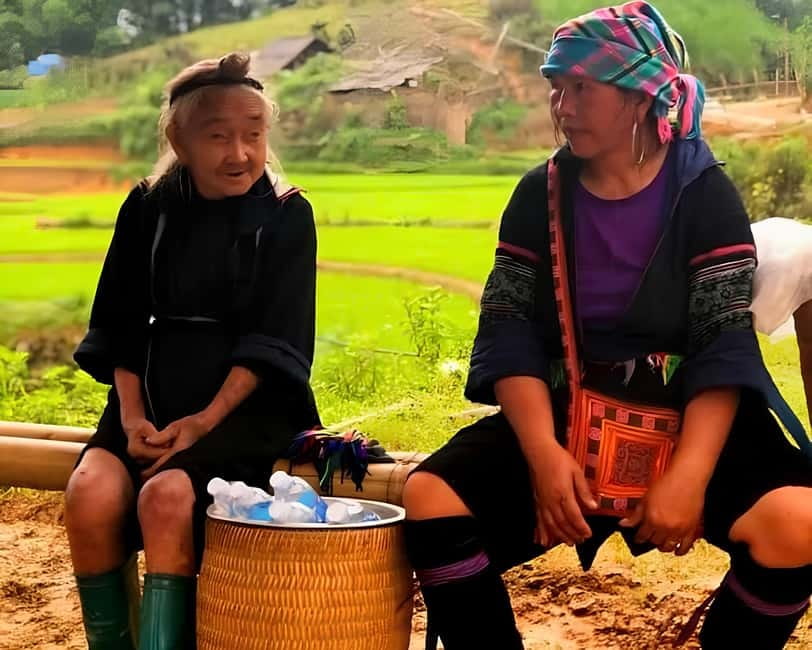
The trail continues downhill toward Hang Da Village. Here, you enter a Black Hmong community and begin to see the countryside at a slower pace. Farm animals may wander near the route, including buffaloes, pigs, and horses. These are not staged attractions. They are part of the work and household economy of the mountain villages.
This section helps explain why a local guide matters. A guide can point out how the land is used, describe rice cultivation, and answer questions about houses and customs. Guides including Mao, Su, Zozo, and Vang have been praised for being friendly, funny, attentive, and willing to explain their own communities.
You will not be walking through a museum. The route passes through places where people live and farm, so respectful behavior matters. Ask before photographing people, avoid blocking paths, and listen when your guide explains local customs.
Some local women may walk alongside trekking groups and offer handmade items for sale. You might be asked to buy scarves or other goods near the end of the walk. If you do not want anything, a polite but clear answer is best. Carrying some cash is useful, both for small purchases and for drinks or other extras.
Lunch is the practical midpoint
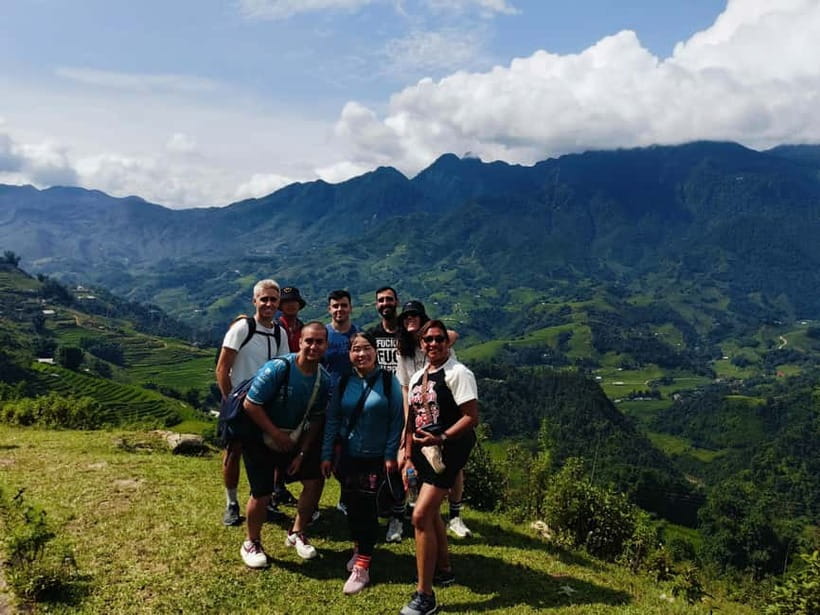
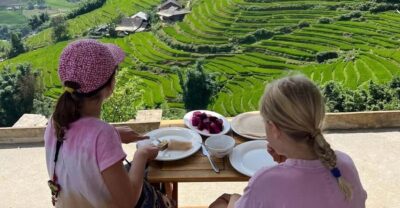
Around noon, the group stops at a family-run restaurant for a traditional meal. This is more than a quick snack. You get time to rest, eat, and recover before the second half of the route.
The food is described as freshly cooked, generous, and home-style. One reported meal included a lot of food, while another noted that drinks were paid for separately. The exact menu is not specified, so you should treat the lunch as a local meal rather than expect a fixed Western-style menu.
The stop also gives you a chance to meet others in the group. Small groups are available, and several people found that a smaller party made conversation and pacing easier. Group size can affect the day: a compact group usually makes it easier to pause for photographs or adjust the walking speed.
You may hear the phrase happy water used for a local toast at the end of the day. Take part only if you want to. You are not required to drink alcohol, and intoxication, alcohol, and drugs are not allowed as part of the activity.
Hau Thao shows the farming side of the route
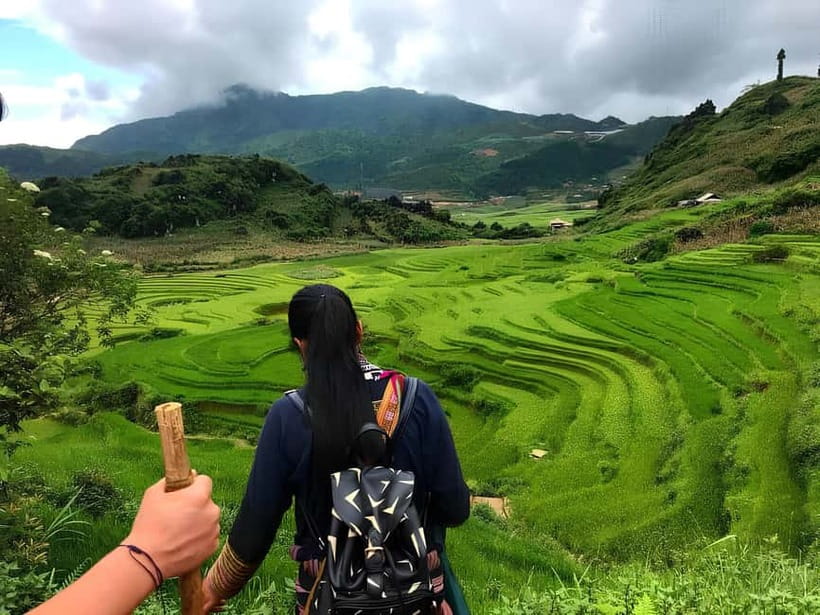
After lunch, the hike heads toward Hau Thao Village. Depending on the season, farmers may be planting or harvesting rice. This gives you a useful view of the work behind the famous terraces. The terraces are not simply scenic decoration. They are working fields shaped by water, weather, and careful seasonal labor.
The route may pass through open fields, rice paddies, bamboo forest, and rougher mountain paths. A clear day lets you focus on the views. A cloudy day shifts the focus toward the trail itself, village life, and your guide’s stories.
The bamboo forest is a highlight for many people, but it can be the most troublesome part after rain. Mud and slippery ground have made this section difficult for some hikers. The operator may offer gum boots in wet conditions, but proper hiking shoes remain the better choice if you have them.
This is also where the physical demands become more obvious. One detailed account recorded about 15.6 kilometers of walking, with roughly 630 meters of ascent and 1,100 meters of descent. That should not be treated as a guaranteed measurement for every departure, but it gives you a realistic idea of the day: the downhill can be just as tiring as the climb.
More hikes and treks around Sa Pa:
- Sa Pa: Muong Hoa Valley Trek and Local Ethnic Villages
★ 4.6 · 864 reviews - Sapa: Eco Adventure Terrace Fields and Local Villages Trek
★ 4.9 · 636 reviews - Number one top rated ethical cultural trekking and homestay by ETHOS
★ 5.0 · 456 reviews - Sa Pa Full Day Trekking Tour
★ 5.0 · 414 reviews
The final walk to Giang Ta Chai tests tired legs
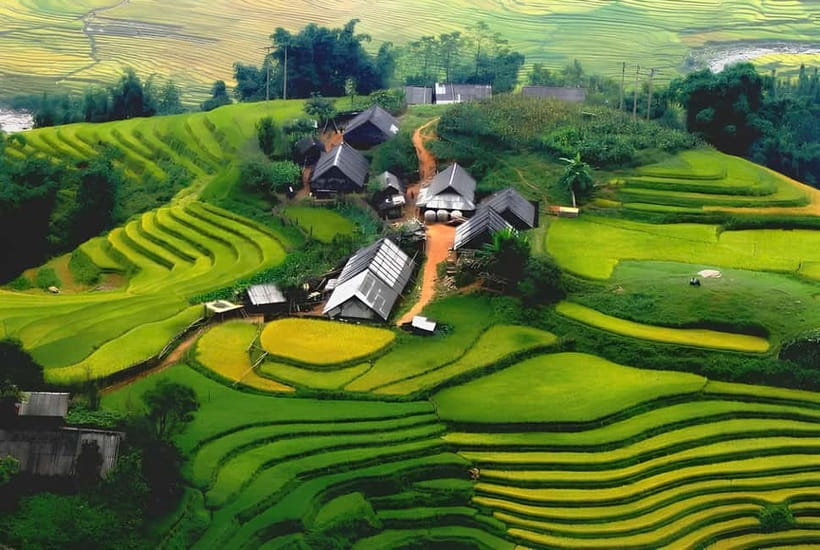
The advertised finish is around 3:30 PM in Giang Ta Chai Village, where a vehicle collects the group and returns it to Sapa. The total duration is given as 7 to 10 hours, allowing for transport, stops, meal time, and differences in pace.
By this point, the main challenge is often the descent. Some paths are steep, and parts of the route may include concrete roads rather than soft trail. Concrete can sound easy, but a long downhill stretch on a hard surface is tiring on knees and feet.
Your guide should help you choose sensible footing and keep an eye on the group. Guides named in the feedback, including Su, La, Mao, Chau, and Zozo, were repeatedly described as patient and helpful when conditions became wet or difficult.
If you want to stay overnight near Hau Thao or Giang Ta Chai, tell the operator in advance. Local homestay arrangements and luggage or transport plans may be possible. Do not assume that an overnight stay is part of the standard day trip.
The guides are a major part of the experience
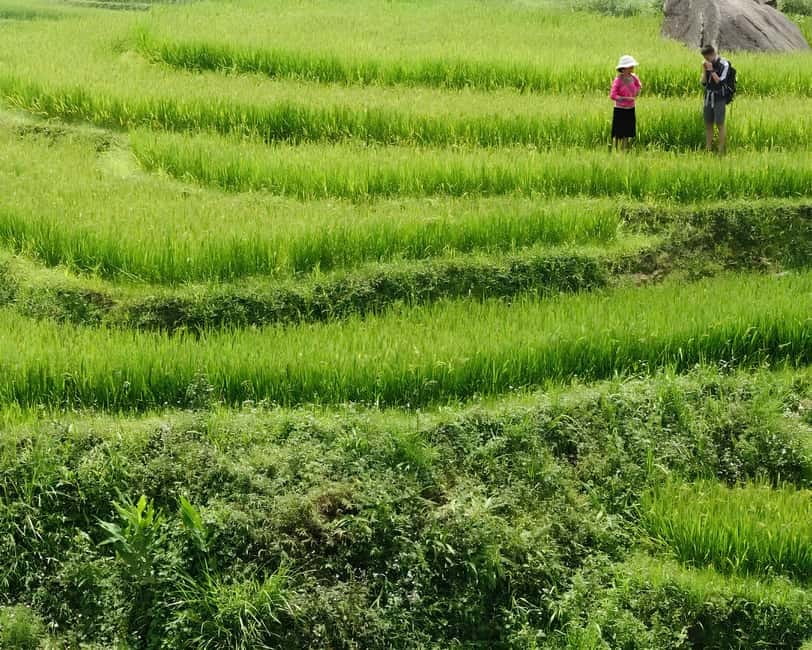
The route itself is attractive, but the guide can determine how much you get from it. Most guides are local, and several are from nearby Hmong communities. Their value is not just navigation. They connect the views to real work, family life, traditions, and the history of the villages.
Mama Mao receives especially strong praise for her energy, humor, laughter, and care. Su is described as friendly and attentive, with strong English and a clear interest in explaining local culture. Zozo is known for making the group laugh while also sharing information about the mountains and communities.
Other guides named during the activity include Mu, Vang, La, Chau, Pang, Chili, Kerr, Gao, and Zu Zu. Guide assignments can change, so you should not book expecting a specific person. Still, the range of guide feedback suggests that the operator has a strong local team.
The cultural information is useful, but it may not be a formal lecture. If you want detailed explanations about every village, ask questions as you walk. One person who wanted a more structured village history might have preferred a different type of tour. This experience is better for informal conversation and learning as daily life appears around you.
Weather can change the character of the day
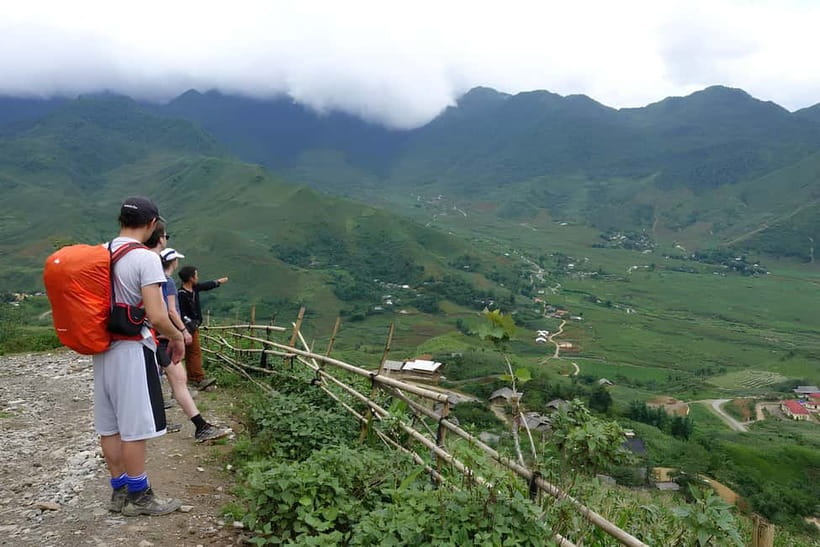
Sapa weather is a serious factor. Fog can arrive quickly and remove the distant views. Rain can make the route slippery, especially through bamboo and on uneven trails. Several people still enjoyed the day in poor weather, but the physical difficulty increased.
If rain is forecast, you can ask about changing the date or canceling within the stated 24-hour window for a full refund. The operator also offers reserve now and pay later, which gives you some flexibility while watching the forecast.
For a dry day, wear sturdy hiking shoes with good grip. Pack sunglasses, a sun hat or hat, water, and cash. Bottled water is provided, but you will still want practical clothing for changing conditions. Bare feet are not allowed, and the activity is not suitable for children under four, people with mobility or heart problems, wheelchair users, people with altitude sickness, or anyone with serious kidney problems.
The age and weight limits are also strict: the activity is not suitable for people over 80 years old or over 159 kilograms, and several restrictions apply to babies and very young children. The operator can communicate in English and Vietnamese. Leave a WhatsApp number when booking so the team can confirm pickup and weather details.
Is $24 good value for a full day?
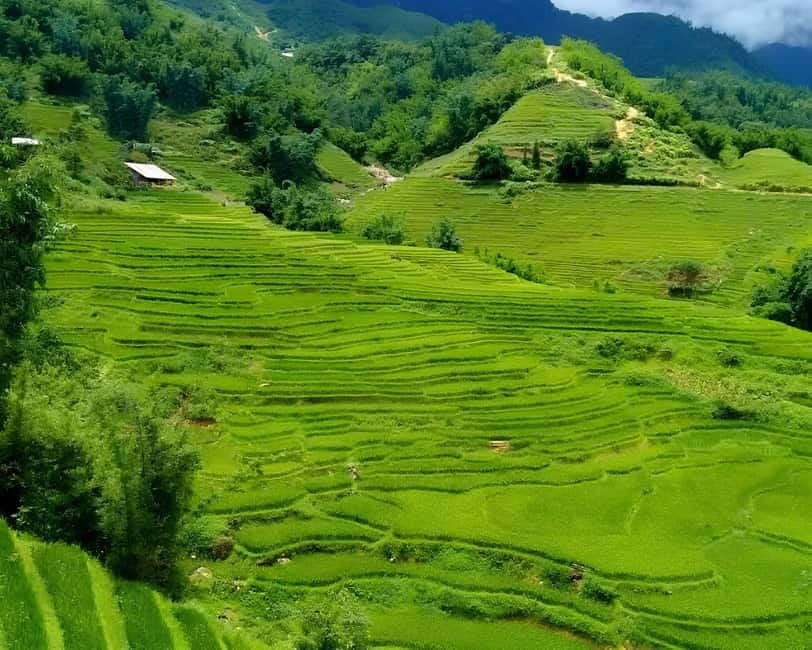
At $24 per person, this is strong value if you want a full day of active sightseeing. The price includes pickup in Sapa town, the local guide, village and route entrance fees, bottled water, lunch, and transport back to Sapa. You are paying for a guided route through several communities rather than a single viewpoint visit.
The biggest value comes from the route and the local guide. Hiring transport alone would not give you the same help with the steep sections or the same explanation of Hmong farming and customs. The included meal also saves you from finding lunch in an unfamiliar rural area.
Budget a little extra cash for drinks, optional purchases, and possible transport charges if your pickup or drop-off is outside Sapa town. The standard included transport covers the return after the trek and hotel pickup and drop-off within Sapa town.
A small-group departure adds value because the day feels less like a procession. It also makes it easier for the guide to help on muddy ground. Still, the exact group size and walking pace can vary, so tell the operator about any concerns before departure.
Who should book this Sapa trek?
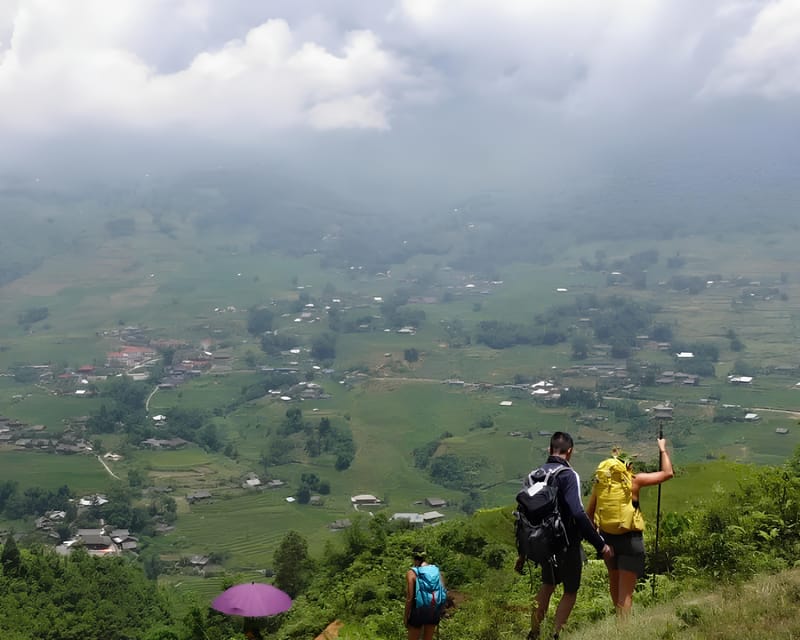
I would recommend it to you if you have one day in Sapa, enjoy a proper hike, and want a mix of scenery and local life. It suits people who would rather walk through rice fields and villages than spend the day moving between road-accessible viewpoints.
It is also a good fit if you want cultural contact without committing to a multi-day trek. You get a long day outside town, a local lunch, and a return vehicle, with the option of arranging a homestay afterward if you decide you want more time in the mountains.
I would not choose it for a very gentle day out. The uphill start, slippery sections, rough terrain, and long descent can be demanding. If you have knee, heart, mobility, or altitude concerns, choose a less strenuous activity.
Final verdict: book it for the route, not just the view
This is a well-priced, active way to see the Sapa countryside in one day. The route combines Sa Seng views, Muong Hoa rice terraces, Black Hmong villages, bamboo forest, farm animals, and a generous local lunch.
Book it if you can handle a long hike and are willing to accept weather risk. Bring shoes with grip, keep your schedule flexible, and do not expect Fansipan to appear on a foggy morning. If you want the best chance of clear valley views, check the forecast before committing. If the weather is dry, the route offers a fine balance of mountain scenery and everyday village life.
FAQ
How long does the Sapa trek last?
The activity lasts about 7 to 10 hours. Pickup is scheduled around 9:00 AM, and the trek normally finishes near Giang Ta Chai at about 3:30 PM before transport returns you to Sapa.
Where does the trek start?
Pickup is available from accommodation located in Sapa town. If you are outside town, you can request paid transport to a meeting point or go to Sapa TT Homestay at 812 Dien Bien Phu Street or July Hotel Central Sapa at 02 To Vinh Diem Street.
Which villages does the route visit?
The route goes through Sa Seng, Hang Da, and Hau Thao, and finishes in Giang Ta Chai Village. The route includes Black Hmong communities and mountain farming areas.
Is lunch included?
Yes. A traditional lunch at a family-run local restaurant is included. Drinks may cost extra, so bring some cash.
Is the trek suitable for beginners?
It can suit active beginners, but it is not an easy walk. The route includes an uphill climb, uneven paths, slippery sections, and a long descent. People with no hiking experience may find the distance and terrain demanding.
What should I wear and bring?
Bring sturdy hiking shoes, sunglasses, a sun hat or hat, and cash. Rain can make the trail muddy and slippery, so practical clothing and footwear are important.
Will I see Mount Fansipan?
The route provides distant views toward Mount Fansipan from Sa Seng Mountain. Fog and rain can block the view, so it is not guaranteed.
Can I stay overnight near the final village?
You can ask about an overnight stay near Hau Thao or Giang Ta Chai. The operator may help arrange a local homestay, luggage transfer, and transport plans if you contact them in advance.
Can I cancel or pay later?
You can cancel up to 24 hours in advance for a full refund. Reserve now and pay later is also available, subject to the booking terms.
Just added around Sa Pa
- Sapa: Private The Most Beautiful Terraced Fields Trekking★ 4.8 · 42 reviews
- Mountain views and villages trek – 1 Day★ 5.0 · 99 reviews
- Mountain views & Rice Terraced Fields Hiking – 2D 1N★ 5.0 · 99 reviews
- Sapa The Hidden Trail Trek 1 Day – Mountain & Rice Valley★ 5.0 · 133 reviews
- In Sapa: 1 Day Mountain Trek, Visit beautiful villages★ 5.0 · 50 reviews
- Trekking Through Rice Terraced Fields – 1Day★ 5.0 · 173 reviews
- 1 day Fansipan Trekking★ 5.0 · 180 reviews
- Sa Pa: 6-Hours Muong Hoa Valley Trek with Local Ethnic guide★ 4.5 · 178 reviews
Sapa Hiking Tours, side by side.
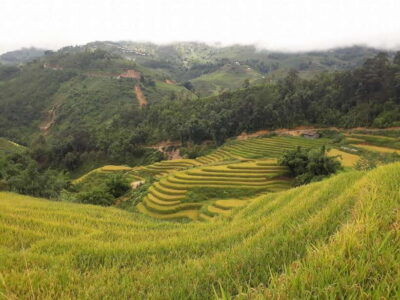
Sa Pa: Muong Hoa Valley Trek and Local Ethnic Villages
Read our review →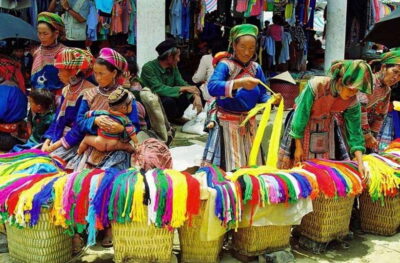
Eco Adventure Terrace Fields and Local Villages Trek
Read our review →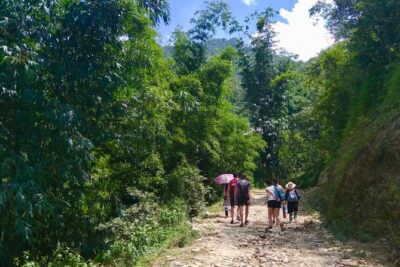
Number one top rated ethical cultural trekking and homestay by ETHOS
Read our review →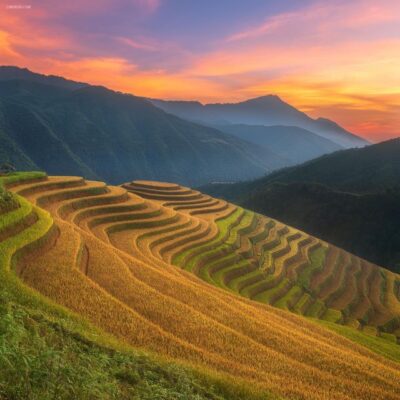
1-Day Guided Trek to Lao Chai & Ta Van with Lunch
Read our review →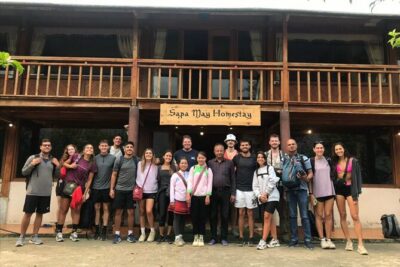
EXPLORE SAPA: 2D1N TREKKING & HMONG CULTURE WITH DINH
Read our review →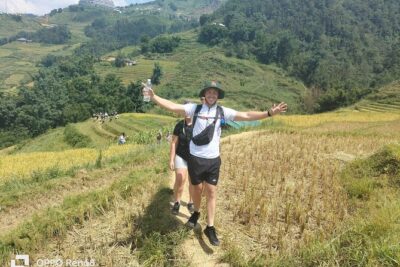

This walk also sits in