
REVIEW · VIETNAM
SAPA: 2-DAY 1-NIGHT TREKKING & CULTURE WITH HMONG GUIDE LINH
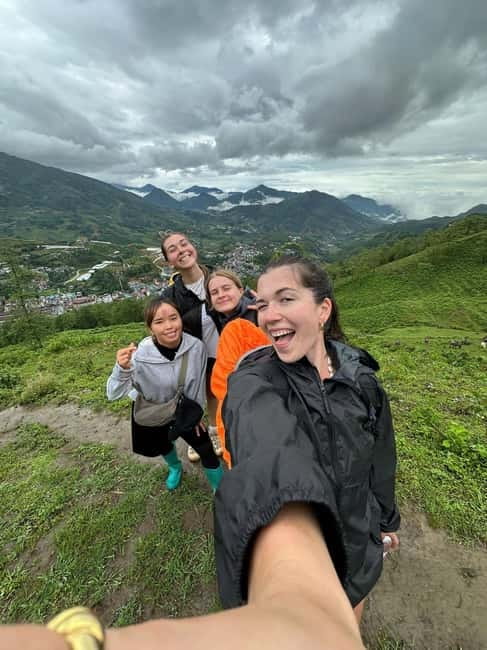
Sapa’s best scenery is not found from a cable car or bus window. It lies down in Muong Hoa Valley, where rice terraces fall away beneath misty mountains and narrow paths connect Hmong, Giay, and Red Dao villages. This two-day trek with local Hmong guide Linh gives you time to walk through that countryside rather than simply photograph it.
I like the small-group feel and the overnight stay with a local family. You get more than a long day of viewpoints: there is a cooking lesson, home-style food, village life, and time to slow down. The main caution is the physical effort. Nineteen kilometers over two days is manageable for a reasonably fit person, but steep, muddy, sunny, or slippery paths can make it feel much harder.
Key points to know before you book
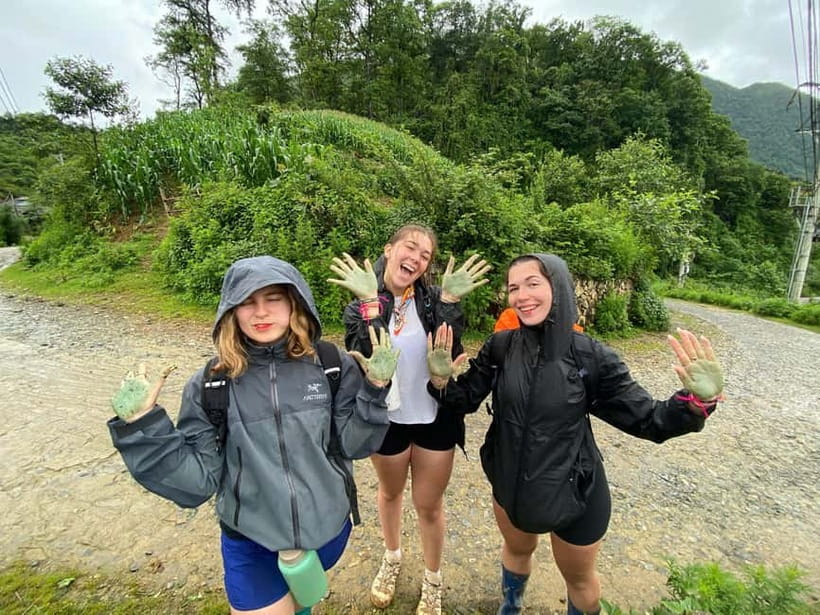
- Muong Hoa Valley on foot: Walk from Sapa through rice terraces, bamboo forests, waterfalls, and village paths rather than taking a sightseeing bus.
- Three ethnic communities: Visit Black Hmong, Giay, and Red Dao villages, with local explanations about farming, homes, and daily life.
- Overnight in Ta Van: Stay at a simple family homestay with meals, a spring-roll cooking class, and a welcoming evening.
- 19 kilometers in two days: The first day covers about 12 kilometers in five to six hours, while the second covers about 6 kilometers in three to four hours.
- Good value, but check the final price: The advertised price is $6 per person, with a stated final payment of ₫700,000 per person after the tour plus a ₫160,000 booking fee.
- Pack for real walking: Hiking shoes, water, sun protection, insect repellent, and a change of clothes matter more here than smart clothes or heavy luggage.
Why this Sapa trek is worth your time
Sapa is famous for its terraced rice fields, but the town itself can feel busy and built up. This trip gets you away from the central streets and into the Muong Hoa Valley, where the scenery changes with the weather and the farming season.
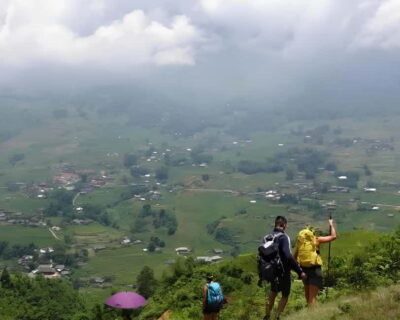
The most rewarding part is the steady movement through the countryside. You pass terraces cut into steep hills, wooden and bamboo homes, narrow village routes, suspension bridges, and forested sections. Instead of stopping at one viewpoint, you see how villages connect to the land.
I also like the cultural side of the trip. Linh is a Hmong guide, and the experience is built around conversation as much as walking. You can ask about rice planting, village life, local customs, and the different communities along the route. Other guides associated with this experience include Lala, Mimi, Nghing, and Su, so confirm your guide’s name when you book if that matters to you.
There is one practical point to clear up before paying. The experience is advertised at $6 per person, but the payment notes say that ₫700,000 per person is due after the tour, in addition to a ₫160,000 booking fee. That may reflect a booking-platform arrangement rather than the full cost. I would confirm the total price directly before you commit.
More Evening Trips around Sa Pa:
- Sapa: 2-Day Local Guided Valley Trek with Night Homestay
★ 5.0 · 27 reviews - Hanoi: Sapa Trekking 2 Days 1 Night – Sleeper Bus from Hanoi
★ 4.6 · 18 reviews - 2 Night Lao Chai-Ta Van Homestay- Trekking & Fansipan Visit
★ 4.0 · 8 reviews
Day one: from Sapa Church into Muong Hoa Valley
The meeting point is Sapa Stone Church, near the central square on Núi Hàm Rồng Street. Be there by 9:00 AM. The church is easy to find, but the town can be crowded, so allow a few extra minutes to locate the guide and organize yourself.
The trek heads southeast from Sapa toward Muong Hoa Valley. Early sections provide broad views over the town and surrounding mountains. As you leave the built-up area, the route becomes more rural and the terraces take over.
The first major village is Y Linh Ho, associated with the Black Hmong. Traditional wooden and bamboo homes sit among the fields, and the route gives you a close look at how steep land is used for rice cultivation. Depending on the season, the terraces may be green, golden, recently planted, or partly empty. Cloud and mist can hide the higher peaks, but they also give Sapa its cool mountain character.
The path continues toward Lao Chai, one of the larger Hmong communities in the valley. This is a good place to notice the difference between viewing rice fields from a roadside stop and walking through the farming area itself. You may see water channels, footpaths between fields, and homes set close to working land.
Lao Chai is also known for old stone carvings. The route gives you a chance to see village life at a slower pace, though this is not a museum visit with a formal display. The appeal is being in the valley and hearing local explanations as you go.
The first day takes about five to six hours and covers roughly 12 kilometers. That distance includes uneven ground, climbs, descents, and natural paths. You do not need to be a serious hiker, but you should be comfortable walking for several hours at a time.
Ta Van and the family homestay
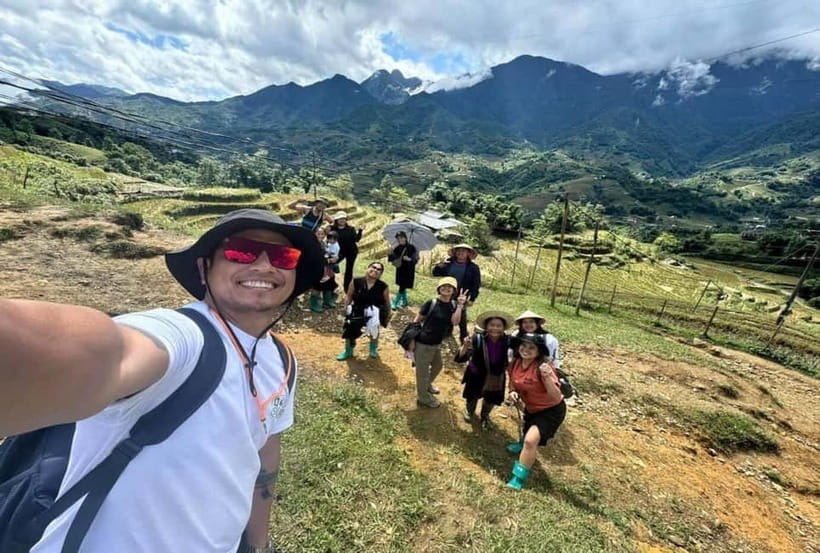
From Lao Chai, the trek continues to Ta Van, a village associated with both Giay and Hmong communities. The route passes through green valleys and may include suspension bridges. This is where the day begins to feel less like a scenic walk and more like a journey between communities.
Your overnight stay is in a family-run homestay. Expect a simple, cozy setting rather than hotel standards. The facilities are described as basic, though several accounts of the stay include clean rooms, showers, toilets, and private-room options. Ask ahead if you need a specific sleeping arrangement.
The homestay is one of the strongest reasons to choose the two-day version. A day trip lets you see terraces, but staying overnight gives you time to sit down with a family, eat food prepared at home, and experience the valley after the day’s walking is over.
The evening includes a hands-on Vietnamese cooking class focused on spring rolls. It is a small activity, but it adds something useful to the night. You are not simply eating a meal and going to bed. You get to take part in preparing one of the dishes.
Dinner is included, and portions are described as generous. Vegetarian food is available, but you should mention your requirements before the tour. Some evenings may include karaoke, games, and small servings of local rice alcohol, often called happy water. You can join in or keep the evening quiet.
One thing to expect is downtime. One group reached the homestay around 3:30 PM and did not eat dinner until about 6:45 PM. That gap can feel long after a tiring trek, especially if the weather is wet. Bring a book, cards, or a simple game if you enjoy filling quiet hours.
Day two: Red Dao villages, bamboo, and waterfalls
The second morning begins with breakfast at the homestay. You then leave Ta Van for Giang Ta Chai, a village associated with the Red Dao. The Red Dao are known for their distinctive red headdresses and herbal bathing traditions.
This section has a different feel from the previous day. You walk past waterfalls, across suspension bridges, and through bamboo forests. The bamboo can provide welcome shade, especially in clear weather when parts of the route are exposed to direct sun.
A waterfall stop may offer a chance to cool off, and one account describes swimming there. Bring a swimsuit if that appeals to you, but treat it as an optional possibility rather than a guaranteed feature. Water levels and weather can affect the route.
The path continues toward Supan, a quiet hilltop community with wide views over the valley. Lunch is served at a small family restaurant. Allow some patience here. Lunches have occasionally taken close to an hour to arrive, even when the food itself is simple.
The second day covers approximately 6 kilometers and takes three to four hours. At about 2:30 PM, a vehicle transfers the group back to Sapa Church. This timing gives you part of the afternoon back, useful if you have a bus, train, or another activity planned. Still, do not book a tight onward connection. Mountain roads, weather, and group pace can affect the schedule.
More Two-Day Trips in Sa Pa:
- EXPLORE SAPA: 2D1N TREKKING & HMONG CULTURE WITH DINH
★ 4.9 · 191 reviews - Sa Pa: 2-Day Trekking Trip with Ethnic Minority Homestay
★ 4.7 · 145 reviews - Mountain views & Rice Terraced Fields Hiking – 2D 1N
★ 5.0 · 99 reviews - 2-Day Fansipan Mountain Trek – Indochina’s Highest Peak
★ 4.3 · 42 reviews
The people and communities along the route
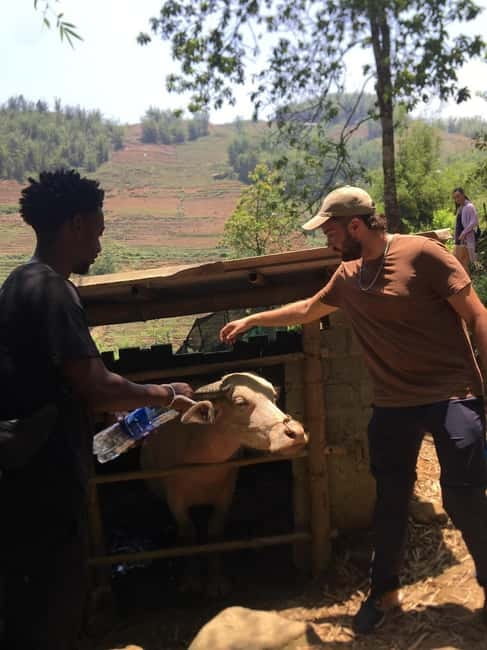
This trek is valuable because the villages are not treated as scenery alone. The route introduces you to three distinct groups, each with its own clothing, customs, and local identity.
The Black Hmong communities around Y Linh Ho and Lao Chai are closely connected with the rice terraces. The Giay in Ta Van add another cultural layer, while the Red Dao near Giang Ta Chai are recognizable by their red headwear and herbal bath traditions.
A local guide helps make these differences easier to understand. Linh’s role is not just to lead the way. She can explain what you are seeing and answer questions about farming and daily routines. English ability is listed for the tour, and direct feedback about Linh, Lala, and other guides repeatedly points to friendly conversation and clear explanations.
You should also be aware of a common village-tour situation. Local people may walk with you on steep sections or help with balance. At the end, they may offer handmade bracelets, scarves, or other items for sale. Prices may be reasonable, but the attention can feel persistent. You are free to say no politely, and it is better to decide in advance whether you want to buy anything.
How difficult is 19 kilometers?
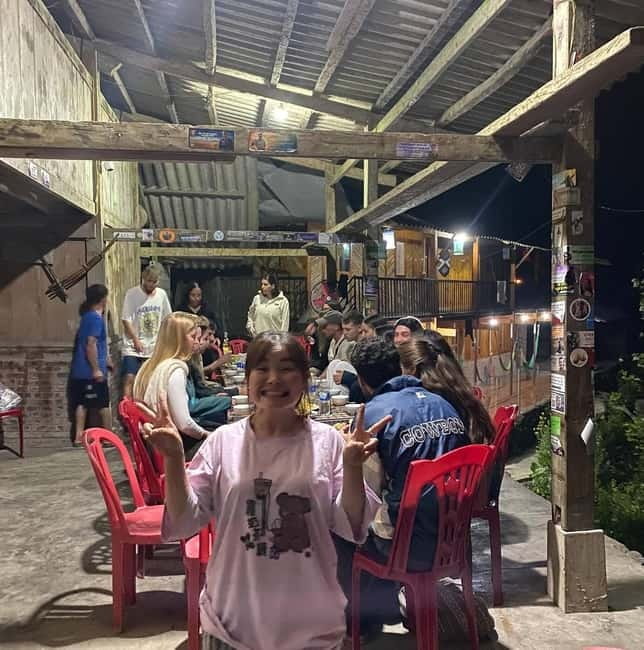
The tour describes the trek as moderate, and that is the right way to think about it. The mileage is not extreme, but the surface is the challenge. Expect uneven village paths, natural terrain, slopes, steps, mud after rain, and sun exposure on open sections.
The first day is the longer one. Twelve kilometers over five to six hours gives you time to stop, but it is still a full walking day. The second day is shorter, though tired legs and wet ground can make it feel demanding.
Good footwear is essential. Wear hiking shoes with a firm grip, not thin-soled trainers or sandals. Bring water, even though guides may help you stay hydrated. The route can be hot under clear skies, and one useful tip is to carry a hat or umbrella for sun protection.
Pack a light raincoat or jacket, sunscreen, sunglasses, insect repellent, comfortable clothes, and a change of clothes for the homestay. Keep your overnight bag small. If you already have a hotel in Sapa, leave your main luggage there. For early arrivals, a bag transfer to the homestay can be arranged for ₫50,000 per motorbike, with up to two large backpacks per bike.
Bad weather may change the route. Fog and rain do not automatically ruin the trip, but they can reduce views and make paths slippery. In poor conditions, the guide may choose a safer route.
Meals, transport, and what is included
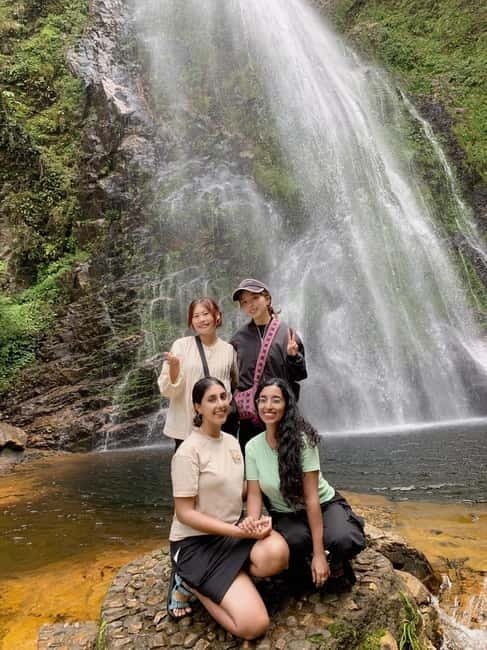
The package includes an English-speaking local guide, one night at a traditional family homestay, four meals, and entry fees to villages and attractions.
The meals are:
- Day one lunch and dinner
- Day two breakfast and lunch
Extra drinks, soft drinks, alcohol, personal purchases, and travel insurance are not included. Bring some Vietnamese currency for drinks, snacks, or handmade goods.
Transport includes the return vehicle from the valley to Sapa Town. The experience begins and ends at Sapa Church, though individual arrangements such as a taxi back to a hotel may sometimes be possible. Do not assume hotel pickup unless it is confirmed.
The tour is described as a group experience, but the emphasis is on small groups. That usually gives you more room to ask questions and allows the guide to adjust the pace. Group size can still affect how quickly you move, how long meals take, and how much time you have at each stop.
Is the price good value?
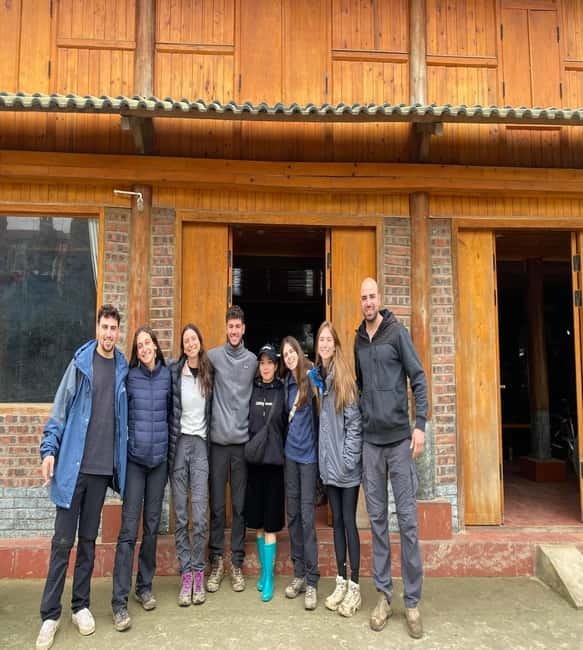
The price looks exceptionally low at $6 per person, especially for a two-day walk with a homestay, four meals, a guide, entry fees, and transport back to Sapa. The experience offers far more than a short viewpoint walk.
The important catch is the payment structure. A final payment of ₫700,000 per person is stated, along with a ₫160,000 booking fee. Because the headline price and the later payment information do not appear to describe the same total, ask for the complete amount before booking.
Even at a higher total than the headline price suggests, the package can be good value if you want food, lodging, guiding, and transport bundled together. You are also supporting a local family homestay and a guide from the area rather than paying only for a vehicle and a quick photo stop.
Who should choose this trek?
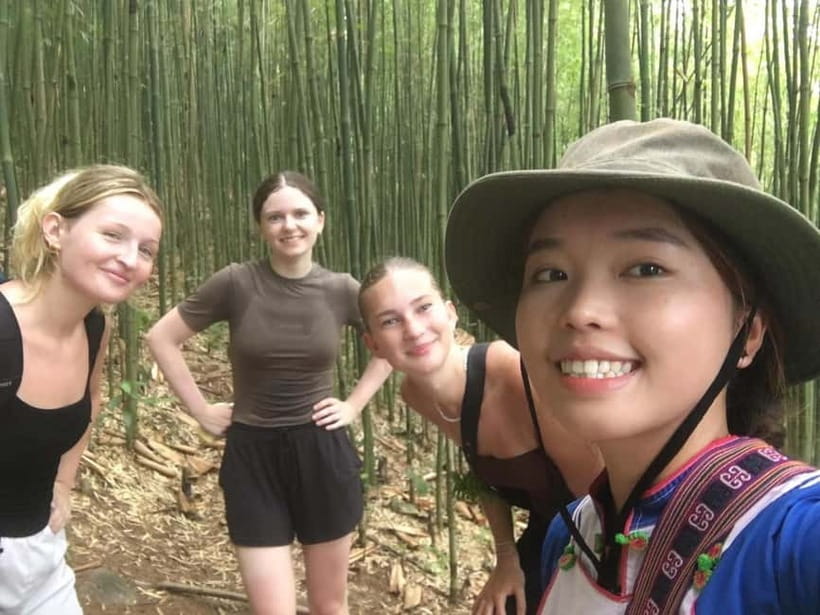
I would recommend it to you if you want mountain scenery with a strong local element and you are happy with simple accommodation. It works well for solo visitors, couples, and small groups who enjoy meeting other people during a shared walk.
It suits someone who wants more than a polished resort experience. The homestay may include a private room, but the setting remains basic. You should be comfortable with rural facilities, waiting for meals, changing weather, and a flexible daily rhythm.
It is less suitable if you have limited mobility, dislike steep or uneven paths, or need a precise schedule. Babies under one year are not suited to the activity, children under four are free if arranged in advance, and the stated upper age limit is 95. Those age guidelines do not replace an honest assessment of fitness.
Should you book the Linh trek?
Book it if your priority is rice terraces, local culture, and time in a family home, not luxury or perfect weather. The best parts are the walk through Muong Hoa Valley, the three ethnic communities, the spring-roll lesson, and the relaxed evening with the homestay family.
Before paying, confirm the total price, your guide’s name, sleeping arrangement, meal requirements, and luggage plan. Bring proper shoes, water, sun protection, and patience for mountain roads and simple village service.
If you accept those conditions, this is a strong way to experience Sapa beyond the town center. Linh’s local connection, the homestay, and the route through Ta Van, Giang Ta Chai, and Supan give the trip a human scale that a quick sightseeing outing cannot match.
FAQ
Where does the trek begin?
The trek begins at Sapa Stone Church, also called Nhà Thờ Đá Sapa, on Núi Hàm Rồng Street near the central square.
What time should I arrive?
You should arrive by 9:00 AM for the scheduled departure.
How long is the trek?
The full route covers about 19 kilometers over two days. Day one is approximately 12 kilometers, and day two is about 6 kilometers.
Which villages does the trek visit?
The route includes Y Linh Ho, Lao Chai, Ta Van, Giang Ta Chai, and Supan.
Which ethnic communities will I meet?
The trek introduces you to Black Hmong, Giay, and Red Dao communities.
Where do I sleep?
You spend one night in a traditional family homestay in Ta Van. Facilities are simple and basic.
Are meals included?
Yes. The tour includes lunch and dinner on day one, plus breakfast and lunch on day two.
Is the trek difficult?
It is rated moderate. You should expect uneven paths, steep sections, natural terrain, and possible heat, rain, or mud.
What should I bring?
Bring hiking shoes, comfortable clothes, water, sunscreen, a hat, sunglasses, insect repellent, a light rain jacket, and a change of clothes.
Can I cancel the booking?
You can cancel up to 24 hours before the tour for a full refund. If bad weather or an unexpected event prevents the trip, the stated charge is limited to the ₫160,000 booking fee.
Just added around Sa Pa
- From Sapa: Guided Full-Day Trekking with Lunch and Drop-Off★ 4.2 · 86 reviews
- Sapa: Trekking Sapa One Day With Group Tour★ 4.7 · 55 reviews
- Sapa Trekking Bargains With Local Guide★ 4.9 · 91 reviews
- Sapa: Y Linh Ho – Lao Chai, and Ta Van Trekking Day Tour★ 5.0 · 25 reviews
- Sapa: Ta Phin Village Trek with Lunch and Bathing Experience★ 4.7 · 13 reviews
- Sapa Trekking Private Tour With Ethnic Female Tour Guide★ 4.9 · 24 reviews
- Sapa: Muong Hoa Valley View & Villages Trek with Local Guide★ 5.0 · 25 reviews
- Sapa: Sapa Mountain View And Villages Trek★ 4.4 · 16 reviews
Sapa Hiking Tours, side by side.
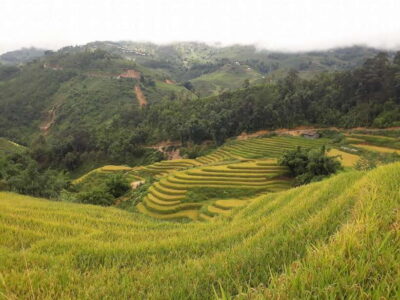
Sa Pa: Muong Hoa Valley Trek and Local Ethnic Villages
Read our review →
Eco Adventure Terrace Fields and Local Villages Trek
Read our review →
Number one top rated ethical cultural trekking and homestay by ETHOS
Read our review →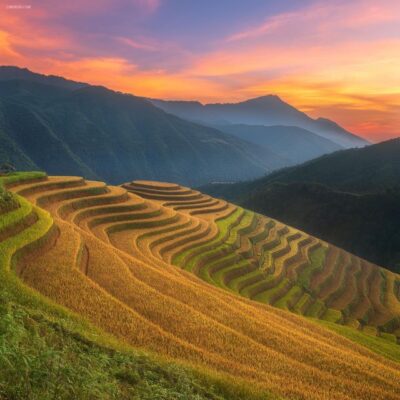
1-Day Guided Trek to Lao Chai & Ta Van with Lunch
Read our review →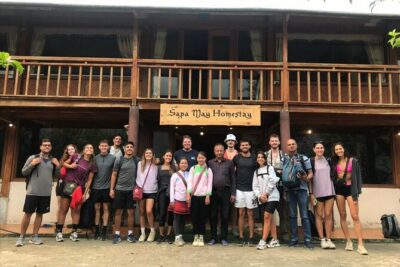
Sapa 1 Day Long Trek: Trek to Hau Thao and Sa Seng Villages
Read our review →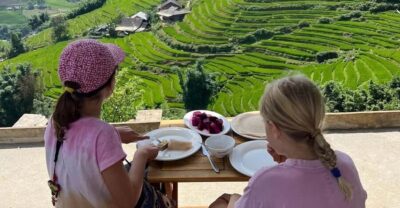
EXPLORE SAPA: 2D1N TREKKING & HMONG CULTURE WITH DINH
Read our review →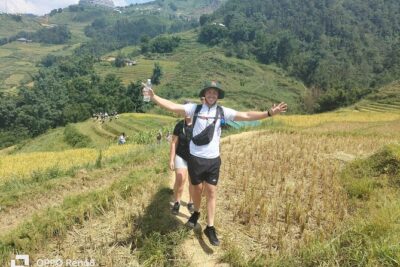
This walk also sits in