
REVIEW · VIETNAM
Mountain views & Rice Terraced Fields Hiking – 2D 1N
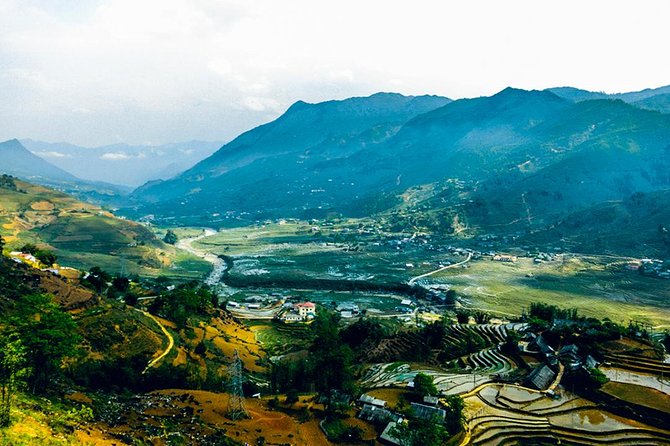
The best part of this Sapa trek is the change of pace. You leave town on foot, climb toward open mountain views, then follow village paths through rice terraces, river valleys, and communities where Hmong, Giay, and Red Dao traditions still shape daily life. It is a two-day walk, but it feels like a proper visit to the countryside rather than a quick photo stop.
I like the small group limit of 10, which should give your local guide room to explain customs and answer questions. I also like the practical value: two lunches, dinner, breakfast, one homestay night, village entry fees, water, and transport back to Sapa are included. Guide San has been singled out for his clear explanations, especially about Hmong marriage customs, farming, and house building.
The main caution is the walking. You need a moderate fitness level, and the route includes uphill and downhill sections on small trails. Weather also matters. Rain can make rural paths harder, and the operator may move or cancel the outing if conditions are poor.
Key points to know before booking
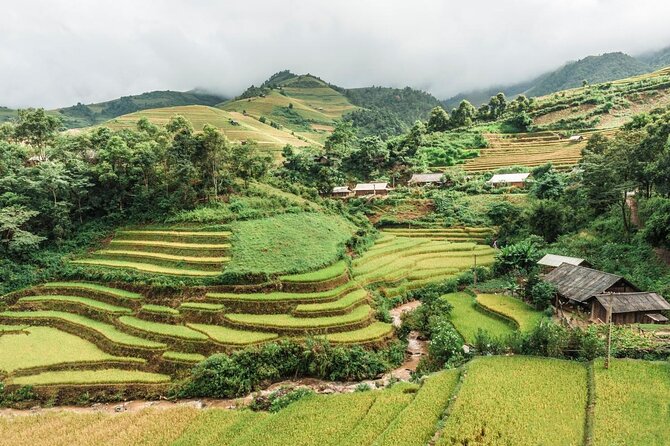
- Hang Da begins the walk with mountain views: The first 1-kilometer uphill section gets you away from Sapa and into open country quickly.
- Three ethnic cultures shape the route: You learn about Hmong, Giay, and Red Dao communities rather than seeing only one village.
- One homestay turns the trek into a two-day experience: Dinner and breakfast are included, along with two lunches.
- Giang Ta Chai adds a waterfall stop: The second day combines forested village paths, water, and rice terraces.
- The group is capped at 10 people: That is a useful size for a walking tour with cultural explanations.
- The price is $90 per person: With meals, lodging, entry fees, guide service, water, and return transport included, the cost is sensible for a two-day Sapa trek.
Leaving Sapa for Hang Da’s wide mountain views
Your morning begins at 9:00 am, with pickup at your Sapa hotel or at Sapa Church on Ham Rong Street. That later start is helpful if you arrive in town the previous evening and want a calm morning. It also means you are not racing out before breakfast.
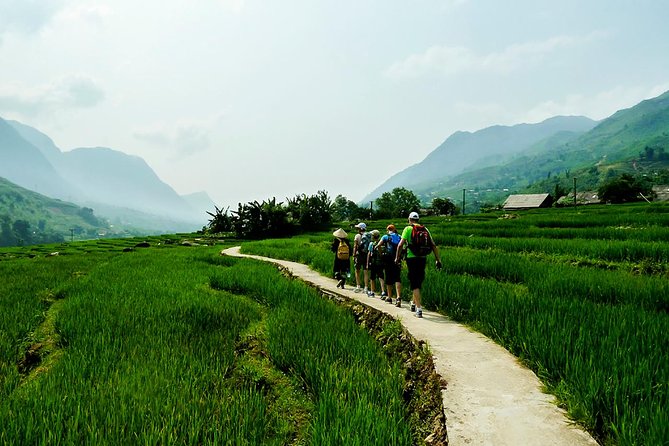
The first stop is Hang Da Village. The walk starts with about 1 kilometer uphill on a small trail, leading toward mountain viewpoints. This opening section matters because it gets you out of Sapa’s built-up center right away. Instead of beginning with a long road transfer, you start walking into the scenery.
Expect the first climb to set the tone for the whole trip. This is not a flat village stroll. The route asks for steady effort, especially if you are carrying a full daypack. The reward is a broader view of the mountains and the valley below, with rice terraces becoming part of the setting as you move farther from town.
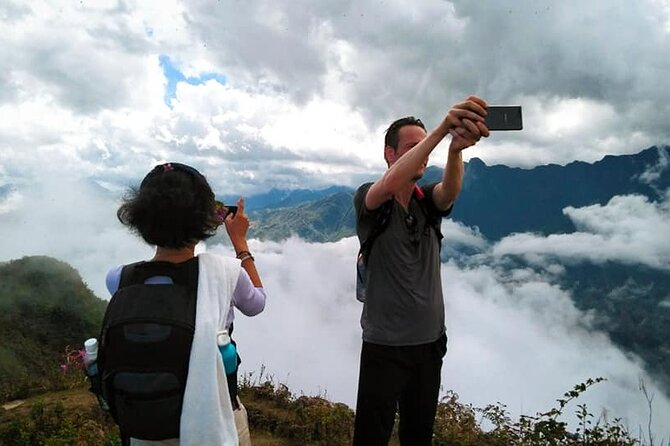
The Hang Da section is scheduled for about an hour, with admission included. The precise length of the stop may depend on walking speed and weather. If you want time for photos, take it here, but keep some energy for the later descent and the following day.
More Mountain and Summit Hikes in Sapa
- Sapa The Hidden Trail Trek 1 Day – Mountain & Rice Valley
★ 5.0 · 133 reviews - Mountain views and villages trek – 1 Day
★ 5.0 · 99 reviews - In Sapa: 1 Day Mountain Trek, Visit beautiful villages
★ 5.0 · 50 reviews
Hau Thao and a closer look at Hmong life
After lunch, the route continues along a smaller road toward Hau Thao, a Black Hmong village. This part is less about ticking off a viewpoint and more about seeing how people live and work in the area.
The tour focuses on Hmong customs and everyday skills. Your guide may explain marriage traditions, rice farming, work routines, and house-building methods. These details give the terraces a human meaning. You are not just looking at patterned hillsides. You are seeing farmland that depends on careful labor, seasonal timing, and practical building knowledge.
The supplied schedule gives Hau Thao only a short listed stop, but the walk itself continues through the village area. Do not treat the four-minute timing as the total time spent in Hau Thao. It appears to mark a brief visit point rather than the whole afternoon.
This is also where a local guide can make a real difference. One booking specifically praised San for explaining the area well, and the operator describes its guides as local Hmong people from Sapa. Guide Sinh signed the provider’s response to that booking. If San leads your walk, you can expect the kind of personal explanation that is difficult to get from a guide who only knows the route by map.
The route has also been described as reaching places away from the busiest tourist paths. That does not mean you will have the villages entirely to yourself, but the focus is on ordinary village life rather than a staged performance.
The homestay night: simple, social, and practical
Your overnight stay is in a homestay in the village area. Accommodation, dinner, and breakfast are included, giving you a chance to spend the night close to the route instead of returning to Sapa after the first day.
The homestay is likely to appeal most if you value local contact over hotel comfort. The information provided describes the lodging simply as a homestay, so you should not book this expecting a resort-style room or a full list of hotel facilities. The point is to stay within the rural setting and share a meal at the end of a walking day.
Dinner is included, but extra drinks are not. Bottled water or beer at the homestay costs extra, so keep some Vietnamese cash with you if you want anything beyond the included meals and one large bottle of water.
The homestay also gives you a natural pause in the schedule. Day one includes the uphill start, village walking, lunch, and the move toward Hau Thao. An overnight stop breaks up the route and lets you begin day two close to the next section rather than spending more time on transport.
Day two begins toward Giang Ta Chai
After breakfast, you set out from Hau Thao toward Giang Ta Chai Village. The route heads downhill, with village scenery and rice terraces continuing around you. Downhill walking may sound easier than climbing, but uneven rural paths can still put pressure on your knees and ankles.
Giang Ta Chai is one of the most attractive parts of the route for people who want more than farmland views. The stop includes a waterfall, giving the second day a change of texture and sound. You get water, mountain scenery, and village paths in the same stretch.
The scheduled stop is about an hour, and entry is included. You will want shoes with dependable grip, especially if the weather has been wet. The tour requires good weather, and that rule makes sense here: rain can change the feel and difficulty of a downhill trail.
The walk to Giang Ta Chai also helps explain why a two-day route is more useful than a quick drive-by visit. You see the countryside at walking speed. Small changes in elevation, the shape of the terraces, and the distance between villages become easier to notice.
Same trailheads, a different kind of day:
- Sa Pa: Muong Hoa Valley Trek and Local Ethnic Villages
★ 4.6 · 864 reviews - Sapa: Eco Adventure Terrace Fields and Local Villages Trek
★ 4.9 · 636 reviews - Number one top rated ethical cultural trekking and homestay by ETHOS
★ 5.0 · 456 reviews - From Sapa: 1-Day Guided Trek to Lao Chai & Ta Van with Lunch
★ 4.9 · 416 reviews
Ta Van and the meeting of Giay and Black Hmong communities
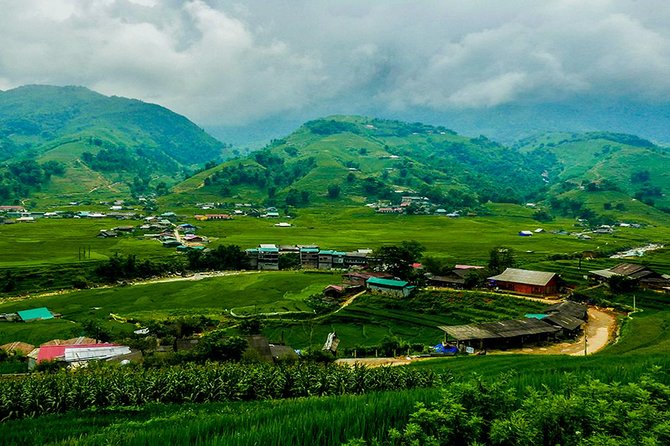
After the waterfall and photo time, the route continues downhill to Ta Van Village. Here you can see Giay and Black Hmong communities in the same village area.
Ta Van is listed as a brief stop, but its value is cultural rather than based on a single attraction. The village gives you another point of comparison after Hau Thao and Giang Ta Chai. You are not hearing one general description of hill life. You are learning how different ethnic communities share the wider Sapa region while keeping distinct customs and identities.
The tour description also refers to Red Dao culture, although the detailed stop-by-stop schedule names Hang Da, Hau Thao, Giang Ta Chai, and Ta Van. Because of that difference, ask your guide at the start how the fifth village and Red Dao element fit into the actual route for your date. The broader tour promises five villages, but the supplied day plan does not identify every one by name.
That small question can prevent confusion. It also gives you a chance to say what interests you most, such as farming, marriage traditions, homes, textiles, or village work.
What the $90 price really covers
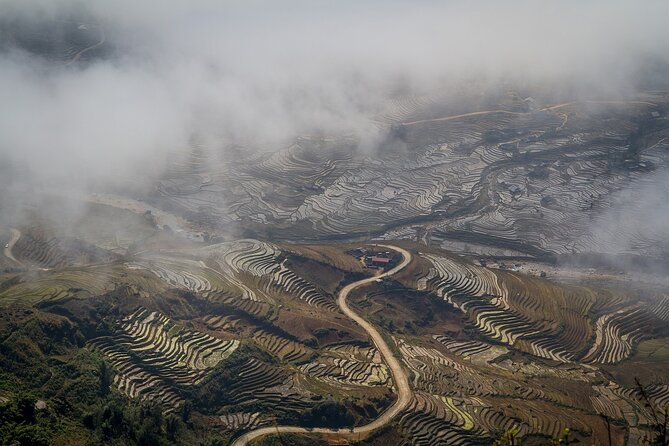
At $90 per person, this is a fair package for a two-day guided walk in Sapa. The cost includes:
- Local guide
- One night in a homestay
- Dinner and breakfast
- Two lunches
- Village entry fees
- One large bottle of water per person
- Transport back to Sapa after the village route ends
That list matters because meals and return transport can quietly add to the price of a rural trek. Here, the basic costs are bundled together. You are paying for an overnight experience, not only for a guide and a few hours on a trail.
The value is strongest if you want a ready-made route with cultural explanation. You do not need to arrange a separate homestay, plan village access, or find your own way back to Sapa at the end.
The package does not include travel insurance, extra drinks, or tips. Personal insurance is especially worth considering for a walking trip in changing mountain weather. Tips are optional, but you may want to budget for one if your guide provides the patient local explanations this trip is built around.
The tour has a 4.9 out of 5 rating from 99 ratings, with 100 percent recommended in the supplied booking information. That matches the strongest features of the experience: the guide service, the food, the homestay, and the route away from the busiest paths. Still, a high score does not remove the need to judge the physical demands honestly.
How difficult is the walking?
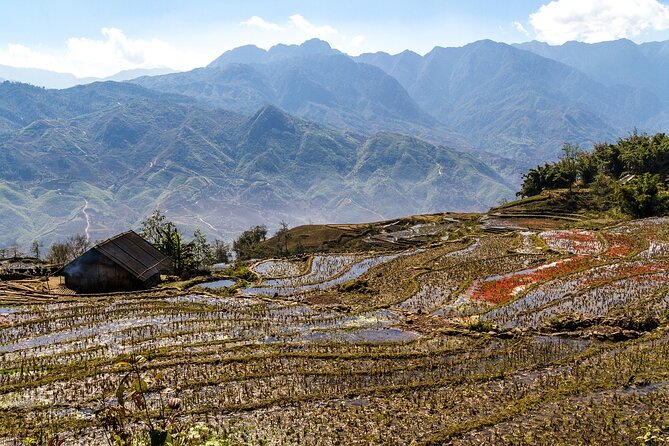
The operator asks for moderate physical fitness. That is the clearest description to use when deciding if this trip fits you.
You should be comfortable walking uphill for about 1 kilometer at the start, then continuing on rural roads and trails over two days. The second day includes a downhill route toward Giang Ta Chai and Ta Van. The route is not presented as an extreme mountain climb, but it is more demanding than a short sightseeing walk.
Wear shoes suited to uneven ground. Bring clothing for changing weather, since the experience depends on good conditions. A daypack is more practical than a large suitcase, especially for the walking sections and homestay night.
If you are unsure about your fitness, ask the operator about the current trail condition before departure. The route may feel very different in dry weather than after rain.
Group size, timing, and transport
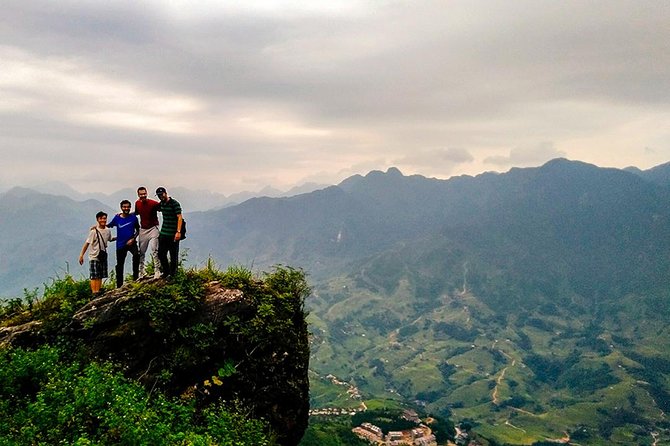
The group maximum is 10 people. That is small enough to keep the group moving without turning the walk into a crowded procession. It also gives you a better chance to hear explanations during a village visit.
Pickup is offered from your hotel in Sapa, or you can meet in front of Sapa Church. The listed start time is 9:00 am. After the village portion ends, transport brings you back to Sapa, and the activity ends at the original meeting point.
Confirmation is provided when you book. The tour is near public transportation, which is useful if you need to reach the meeting point without a hotel pickup.
Book at least a few days ahead if your schedule is fixed. The experience is booked an average of five days in advance, and its minimum group requirement means a departure is not guaranteed in every situation. If the minimum is not met, the operator offers another date, another experience, or a full refund.
You can cancel for a full refund up to 24 hours before the 9:00 am start time. Changes made inside that 24-hour window are not accepted, and cancellations that late are not refunded. If poor weather causes the operator to cancel, you can choose another date or receive a full refund.
Who should book this Sapa trek?
I would choose this tour if you want Sapa’s countryside explained by someone from the local community, not simply photographed from a roadside viewpoint. It suits hikers who want a moderate two-day route with food, lodging, and return transport arranged in advance.
It is also a good fit if you are curious about how Hmong, Giay, and Red Dao customs differ. The guide’s explanations of marriage traditions, rice farming, work, and house building give the scenery more meaning.
You may want a different trip if you prefer private luxury, a hotel bed, or a tightly controlled sightseeing schedule. The homestay is simple by design, and the trail conditions depend on weather. You should also think twice if you do not enjoy uphill and downhill walking.
Should you book the Mountain Views and Rice Terraced Fields Hiking tour?
Book it if you want a real walking route through Sapa’s villages, with a local guide, one homestay night, and the main costs covered for $90. The combination of Hang Da views, Hmong village life, Giang Ta Chai waterfall, and Ta Van’s Giay and Black Hmong communities gives you a well-rounded two-day outing.
Before paying, confirm the exact village sequence, especially how the promised fifth village and Red Dao visit fit the current schedule. If you are happy with a moderate trek and basic homestay conditions, this is a strong-value way to see Sapa beyond the town center.
FAQ
Where does the Sapa trek start?
You can begin at your Sapa hotel if pickup is arranged, or meet the guide in front of Sapa Church on Ham Rong Street. The listed start time is 9:00 am.
How long does the experience last?
The tour lasts two days and includes one night in a homestay.
Which ethnic communities can I learn about?
The tour covers Hmong, Giay, and Red Dao culture. The detailed route specifically identifies Black Hmong and Giay communities at several stops.
Are meals included?
Yes. The package includes two lunches, one dinner, and breakfast. Extra drinks at the homestay are not included.
Is transport back to Sapa included?
Yes. Transport back to Sapa is included after the village route ends, and the activity finishes at the original meeting point.
Can I cancel for a full refund?
Yes. You can cancel at least 24 hours before the experience start time for a full refund. Poor-weather cancellations may also be moved to another date or refunded.
More Two-Day Trips in Sapa
- EXPLORE SAPA: 2D1N TREKKING & HMONG CULTURE WITH DINH
★ 4.9 · 191 reviews - From Antigua: Adventure, 2-Day Hiking to Acatenango Volcano
★ 4.4 · 1,189 reviews - Mt Toubkal Ascent Express Trek 2 Days 1 Nights
★ 4.7 · 962 reviews - Hanoi – Sapa 2 Days 1 Night Overnight At Homestay
★ 5.0 · 899 reviews
Just added around Sapa
- Sapa: Private The Most Beautiful Terraced Fields Trekking★ 4.8 · 42 reviews
- In Sapa: 1 Day Mountain Trek, Visit beautiful villages★ 5.0 · 50 reviews
- Mountain views and villages trek – 1 Day★ 5.0 · 99 reviews
- Sapa The Hidden Trail Trek 1 Day – Mountain & Rice Valley★ 5.0 · 133 reviews
- Trekking Through Rice Terraced Fields – 1Day★ 5.0 · 173 reviews
- Sa Pa: 6-Hours Muong Hoa Valley Trek with Local Ethnic guide★ 4.5 · 178 reviews
- 1 day Fansipan Trekking★ 5.0 · 180 reviews
- EXPLORE SAPA: 2D1N TREKKING & HMONG CULTURE WITH DINH★ 4.9 · 191 reviews
Mountain & Summit Hikes, side by side.
Berber villages : Atlas Mountains Day Hike from Marrakech
Read our review →
Sunrise Mount Batur Guided Hike with Breakfast
Read our review →
Mount Batur Sunrise Guided Hike and Natural Hot Spring
Read our review →
Mount Etna: Summit Guided Hiking Tour up to 3,400 m
Read our review →
Bovilla Lake & Gamti Mountain Hiking Day Trip
Read our review →
Mount Etna: Trek to 3000m with cable car and 4×4
Read our review →
Mount Batur Sunrise Trek With Guide and Breakfast
Read our review →This walk also sits in