
REVIEW · MEXICO
From Mexico City: 2-Day Pico de Orizaba Summit Trek
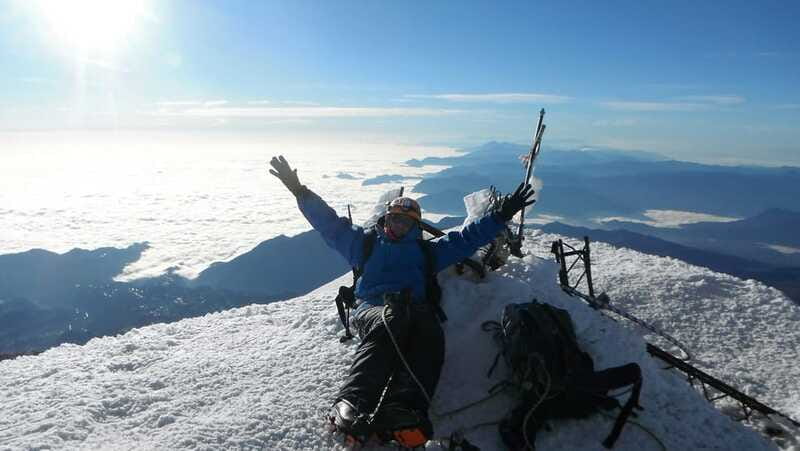
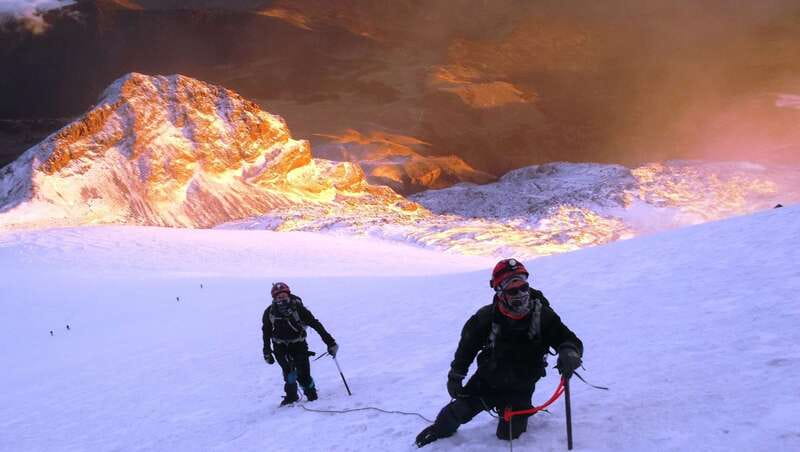
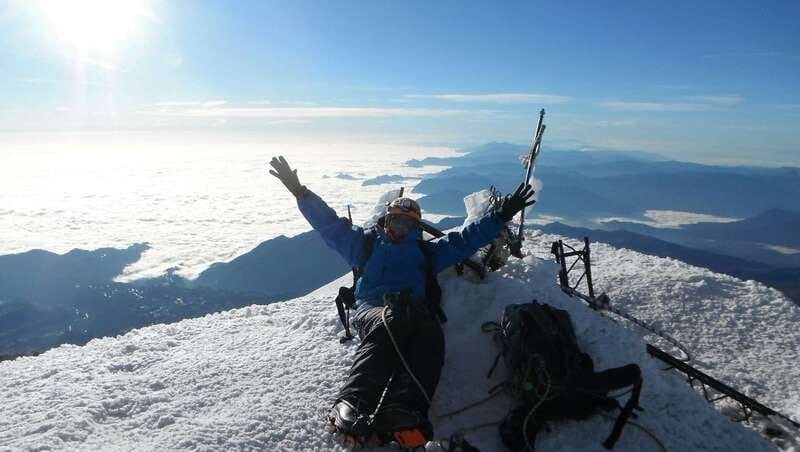
Pico de Orizaba is not a gentle day hike with a fancy summit café. It is a serious 5,700-meter climb, beginning with a rough 4X4 ride to Piedra Grande hut and continuing over snow and ice before dawn. The reward is sunrise on Mexico’s biggest glacier, with wide views over the valleys below.
I like the practical setup: the guides provide crampons, an ice axe, helmet, head lamp, transport, meals, and accident insurance. I also like the small-group limit of 15, plus the patient guiding reported from Alan, Bernardino, and Carlos. The main caution is simple: do not underestimate the altitude. You need excellent physical condition, and previous mountaineering experience is recommended.
Key points to know before booking
- Summit height: Reach 5,700 meters, the highest point in Mexico and the third-highest in North America.
- Two very different days: Day one is for transport, acclimatization, gear practice, dinner, and rest. Day two is a long pre-dawn summit push.
- Glacier equipment supplied: Crampons, ice axe, helmet, and head lamp are included.
- Basic mountain lodging: You sleep one night at Piedra Grande hut, so bring a sleeping bag, towel, toiletries, and warm layers.
- Small groups help: The maximum group size is 15, with English- and Spanish-speaking guides.
- Price and value: At $599 per person, the cost covers transport, guides, entrance fees, safety equipment, four meals, insurance, and the hut night.
Why Pico de Orizaba is a serious two-day climb
Pico de Orizaba, also called Citlaltépetl, rises to 5,700 meters. That height changes the character of the trip. You are not simply walking uphill for a few hours. Cold, thin air, snow, ice, darkness, and fatigue all become part of the challenge.
The itinerary compresses the climb into two days from Mexico City. That makes the trip efficient, but it also leaves little room for a long acclimatization schedule. You should arrive ready, not hoping that the first few hours at the mountain will prepare your body for everything.
The program does include an acclimatization walk on the first day. You also practice putting on crampons and using an ice axe before the summit attempt. That matters because you are not learning the basic equipment for the first time on a steep, dark section of glacier.
I would treat the recommended previous mountaineering experience seriously. One successful participant had never used crampons or an ice pick before and managed the climb with support, but that does not make the route easy. Another completed it in nine hours, while larger groups can take up to 15 hours of steady movement. Your fitness, pace, altitude response, and group conditions all matter.
More Two-Day Trips in Mexico:
- From Antigua: Adventure, 2-Day Hiking to Acatenango Volcano
★ 4.4 · 1,189 reviews - Mt Toubkal Ascent Express Trek 2 Days 1 Nights
★ 4.7 · 962 reviews - Hanoi – Sapa 2 Days 1 Night Overnight At Homestay
★ 5.0 · 899 reviews
From Mexico City to Tlachichuca and Piedra Grande
The first day begins at the meeting point on the corner of Vicente Suarez and Michoacan, at the benches in front of the market. From there, transport takes you toward Tlachichuca in Puebla.
The road trip is an important part of the schedule. You leave the city behind and head for the mountain base area before transferring to a 4X4 for the rougher route to Piedra Grande. The 4X4 ride gets you close to the hut, but it is not a sightseeing transfer. Expect mountain-road conditions and a practical ride rather than comfort.
Piedra Grande hut is your accommodation for the night. It is simple mountain lodging, not a private hotel room. You should bring a sleeping bag, towel, toiletries, a change of clothes, and warm clothing. Pack only what you need for the mountain, but leave enough dry clothing at the hut so you can change after the climb.
The first day includes lunch and dinner. The dinner is prepared through the camping kitchen, and the food has earned strong praise, including a Mexican meal that helped make the basic hut stay feel welcoming. You should not expect restaurant service, but a hot meal in a cold mountain setting can be worth far more than its menu suggests.
Crampon practice before dinner
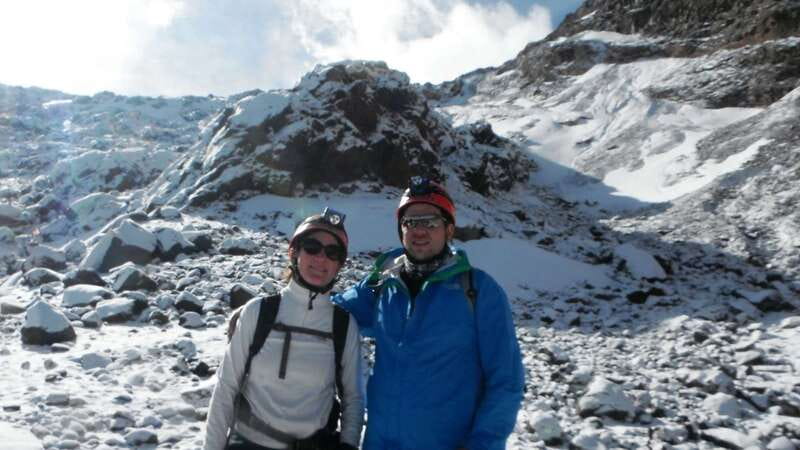
After reaching Piedra Grande, you take an acclimatization walk and work through the equipment. Crampons attach to your hiking shoes, while the ice axe gives you a tool for balance and travel on snow and ice. The helmet and head lamp are also supplied.
This practice is one of the most useful parts of the first day. You can check the fit of your equipment, ask how to move safely, and get used to the feel of metal under your feet. If you have previous experience, it lets you refresh the basics before the climb. If you are new to glacier travel, listen closely and take the practice seriously.
The guide team is central here. Alan has been singled out for clear English, patience, and a pace that matched the climber he was guiding. Bernardino has also led a difficult ascent while explaining each part clearly. Carlos is associated with strong support, good food, and extensive experience organizing demanding outings. Guide assignments can change, so you should not assume one particular person will lead your departure, but the available examples point to a hands-on approach.
After the walk and gear practice, you return to the hut for dinner and preparation. Lay out your clothing, organize your daypack, check your head lamp, and keep the morning routine simple. The start comes before dawn, so last-minute packing costs valuable rest.
The pre-dawn climb toward the glacier
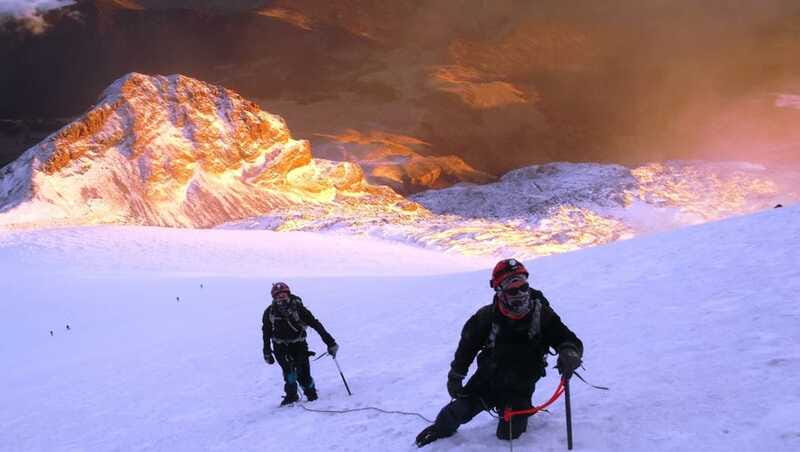
The summit day begins early, before sunrise. Darkness makes the head lamp essential, and the cold makes careful clothing choices just as important as fitness. Bring thermal clothing, warm layers, gloves, a hat, sunglasses, sunscreen, rain gear, and proper hiking shoes.
The route follows the glacier toward the crater. As the sky brightens, you can look back toward the surrounding valleys and watch the first sunlight strike the ice. That sunrise is the emotional center of the trip. You are seeing the glacier at the exact time the climb feels most demanding, which makes the view more meaningful than a quick photo stop reached by road.
The ascent is not presented as a casual walk. You may spend many hours moving over hard terrain, often at altitude and in cold conditions. The group has a maximum of 15 people, which keeps the operation relatively small, but a group climb still means your pace is affected by others. A strong individual may move faster, while a larger group can require much longer than nine hours.
Good guides help manage that difference. Their job is not simply to point toward the summit. They also watch your condition, explain the equipment, and help you move at a safe pace. The strongest praise for this experience centers on guides who were patient, supportive, and attentive throughout the climb.
More hikes and treks around Mexico:
- Matacanes : Canyoning + Hiking + Water Jumps + Rappel + Caves
★ 5.0 · 1,497 reviews - Nido de los Aguiluchos, Monterrey: Hiking + Rock Climbing + 3 Rappels
★ 5.0 · 713 reviews - Puerto Vallarta: Full Day Hike to 6 Hidden Beaches & Snorkel
★ 4.8 · 403 reviews - Los Cabos: Hiking at the Fox Canyon with Waterfall
★ 5.0 · 369 reviews
Reaching Mexico’s highest point
The summit reaches 5,700 meters, making Pico de Orizaba the highest point in Mexico and the third-highest in North America. From the top, you can take in wide views of the valleys surrounding the mountain, assuming weather and visibility cooperate.
The summit is only part of the physical effort. You still need to descend safely, return to the hut, and travel back to Tlachichuca. At altitude, the way down can feel surprisingly long because your body is already tired. Save energy for the full day, not just the final meters upward.
The guide team carries responsibility for safety, but you also need to speak up. Tell your guide if you feel unwell, cold, unusually tired, or unable to keep a steady pace. The stated requirement for excellent physical condition is not boilerplate. It is the clearest warning attached to the trip.
Accident insurance is included, along with entrance fees and safety gear. That does not remove the physical risk of high-altitude climbing, but it does mean several practical costs are built into the price.
What the $599 price really covers
The cost is $599 per person. That is a substantial fee for a two-day activity, but the package includes much more than guiding alone:
- Transport from Mexico City to the mountain area and back
- 4X4 transport to Piedra Grande
- Qualified guides
- Accident insurance
- Entrance fees
- One night at the mountain hut
- Lunch and dinner on day one
- Breakfast and lunch on day two
- Helmet, crampons, ice axe, and head lamp
You still need to supply your own personal clothing, hiking shoes, sleeping bag, towel, toiletries, and daypack. Alcoholic drinks are not included.
I consider the price reasonable for someone who needs the complete structure. Hiring transport, arranging the 4X4, finding a guide, securing mountain equipment, organizing hut lodging, and planning meals would be a complicated task on your own. The value is strongest if you need the equipment and support.
The price is less attractive if you already have a trusted mountain team, all the required gear, and your own transport. In that case, you are mainly paying for organization, guiding, insurance, and access. For a first serious Mexican high-altitude climb, that structure can be worth paying for.
What to pack for the hut and summit day
The packing list is long because conditions can change quickly at altitude. Bring:
- Sleeping bag
- Hiking shoes
- Thermal and warm clothing
- Gloves and hat
- Sunglasses and sunscreen
- Rain gear
- Daypack
- Towel and toiletries
- Change of clothes
- Water and personal essentials as needed
The sleeping bag is especially important because one night at the hut is included, but the sleeping bag itself is not. Keep summit-day items easy to reach, and separate dry clothes for after the descent.
You can leave some belongings at the hut rather than carrying everything to the summit. That is useful advice from the practical side of the trip. A lighter daypack saves effort over a long climb, but you should still carry the personal items your guide requires.
Who will enjoy this climb most
This trip suits you if you already hike hard, tolerate long days on your feet, and want a genuine high-altitude challenge. It is also a good fit if you want professional support without arranging every mountain detail yourself.
You do not need to arrive as an expert mountaineer, but you should be ready to learn quickly. The provided equipment helps, and the guides can teach you how to use it, but equipment alone cannot replace stamina or altitude preparation.
This is not suitable for pregnant women, people with haemophilia, or people with heart or back problems. The activity also calls for excellent physical condition. If you have doubts about your health or altitude tolerance, get medical advice before booking.
The small-group format is useful for communication and support. English and Spanish are available, and the group can include up to 15 participants. A smaller departure may feel more personal, while a full group may take longer on the mountain.
Booking details that matter
You can cancel up to 24 hours before the activity for a full refund. The reserve-now, pay-later option lets you hold a place without paying immediately, which helps if your Mexico City plans are still shifting.
Starting times depend on availability, and the total schedule is demanding. Do not place an important flight or fixed appointment too close to the return from the mountain. The trip returns to Mexico City after the descent, a restorative meal in Tlachichuca, and the drive back.
The meeting point is specific: the benches in front of the market at the corner of Vicente Suarez and Michoacan. Confirm the departure time and arrive prepared for an early start from the city.
Should you book Pico de Orizaba?
Book this climb if reaching Mexico’s highest summit is a serious goal and you value guides, transport, equipment, meals, and a set plan. The glacier sunrise, the high summit, and the chance to learn crampon and ice-axe skills make this far more than a standard mountain excursion.
Skip it if you want a relaxed weekend walk, dislike basic hut lodging, or have not built the fitness needed for a long climb at 5,700 meters. The biggest mistake would be booking because the two-day format sounds short.
At $599, this is a fair package for a difficult and logistically demanding climb. Go in prepared, pack for cold conditions, respect the altitude, and listen to the guides. That is how you give yourself the best chance of enjoying the summit instead of merely surviving the attempt.
FAQ
How high is Pico de Orizaba?
The summit is 5,700 meters high. It is the highest point in Mexico and the third-highest point in North America.
How long is the experience?
The activity lasts two days. Starting times vary, so you need to check availability when booking.
Where does the tour meet in Mexico City?
Meet at the corner of Vicente Suarez and Michoacan, at the benches in front of the market.
Where do you sleep?
You spend one night at the mountain hut in Piedra Grande.
Is a sleeping bag included?
No. You need to bring your own sleeping bag, along with a towel, toiletries, and a change of clothes.
Is transport included?
Yes. Transport is included, including the 4X4 ride used to reach the mountain hut.
What climbing equipment is provided?
The activity provides a helmet, crampons, ice axe, and head lamp. Safety equipment and entrance fees are also included.
Are meals included?
Lunch and dinner are included on the first day. Breakfast and lunch are included on the second day.
What languages do the guides speak?
The live guides speak English and Spanish.
Is previous mountaineering experience required?
Previous mountaineering experience is recommended, and you need to be in excellent physical condition. The activity is not suitable for pregnant women or people with haemophilia, heart problems, or back problems.
Just added around Mexico
- Sea Trek Adventure at Chankanaab National Park★ 3.5 · 9 reviews
- Colima Volcano Trekking Plus Kayaking in a Crater Lake★ 5.0 · 28 reviews
- Hiking Tour on the Iztaccíhuatl Volcano from Puebla★ 5.0 · 44 reviews
- Hiking Tour to volcano La Malinche from Puebla (private tour)★ 5.0 · 17 reviews
- Hiking Todos Santos at Sunset★ 5.0 · 46 reviews
- Private Hiking at the Fox Canyon from Cabo San Lucas★ 5.0 · 68 reviews
- Hike the native Pericu road in Sierra de la Laguna.★ 5.0 · 92 reviews
- Snorkel Adventure and Hike to a Hidden Beach★ 5.0 · 74 reviews
Mexico City Hiking Tours, side by side.
From Mexico City: Hike Iztaccihuatl Volcano with an Alpinist
Read our review →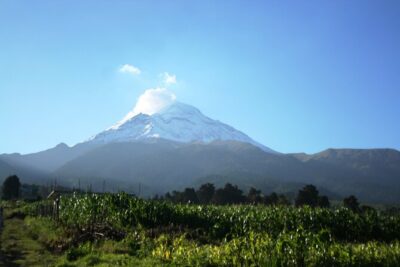
From Mexico City: Full Day Volcano Crater and Lake Hike
Read our review →This walk also sits in