
REVIEW · JAPAN
1-Day Tour from Nagoya: Hiking the Historic Nakasendo Trail
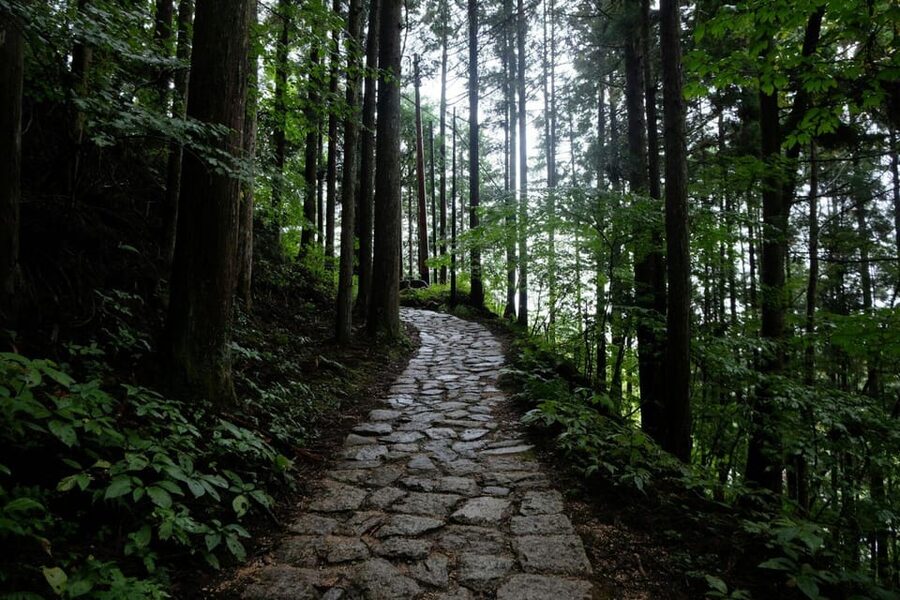
The best part of this day is the change of pace. You leave modern Nagoya, walk through the old post town of Tsumago, then follow the 8-kilometer Nakasendo Trail through forest, past streams and waterfalls, to Magome. I like the way this tour joins Japan’s past and present in one clean day, and I like having a guide to explain why these quiet villages mattered during the Edo era. The small group, limited to 14 people, also makes a long hike easier to manage.
The main drawback is the amount of time spent getting there and walking. The bus ride from Nagoya takes about two hours each way, and the trail includes hills, mud, slippery rocks, and more than eight kilometers of walking. You also need to bring your own lunch, so this is a rewarding choice for active visitors, not a casual sightseeing shuttle.
Key points to know before booking
- Walk from Tsumago to Magome: The 8-kilometer route passes through forest, mountain scenery, streams, waterfalls, and quiet rural stretches.
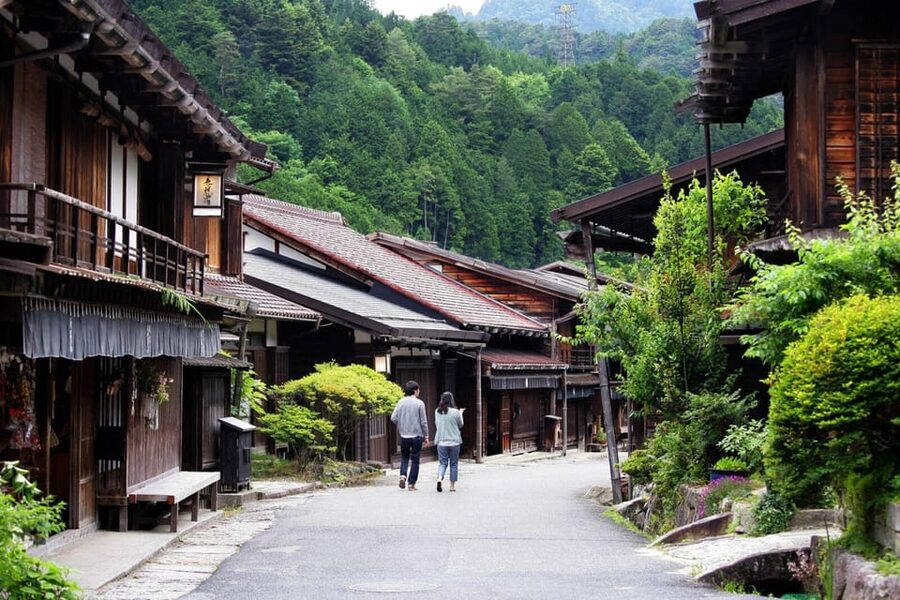
- See two preserved post towns: Tsumago feels especially calm and traditional, while Magome offers more shops, snacks, and free time.
- Expect a full day: The tour lasts eight hours, including roughly three and a half hours on the road.
- Use the guide for context: Guides such as Kim and Mir have explained the trail, Edo-era travel, local customs, and village life in clear detail.
- Pack lunch and wear proper shoes: Food choices are limited on the trail, and parts of the route can be muddy or slippery.
- Choose the non-hiking option if needed: You can visit both towns without walking between them, with free time in Tsumago and Magome.
Why the Nakasendo Trail makes a good day from Nagoya
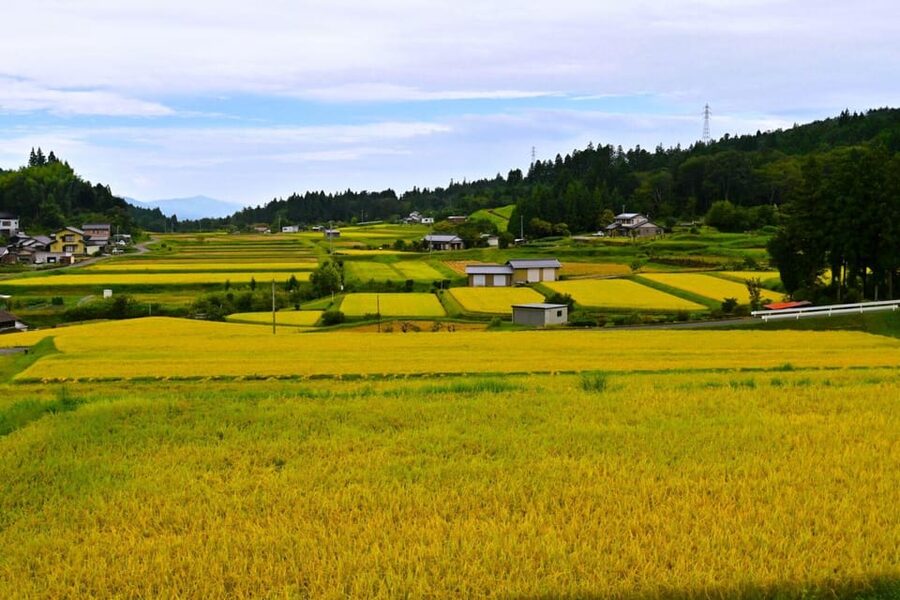
The Nakasendo was one of the old routes linking Edo, now Tokyo, with Kyoto. Its post towns gave officials, merchants, workers, and other road users places to rest during the long journey across central Japan.
Today, you do not walk the whole route. You walk the particularly scenic section between Tsumago-juku and Magome-juku, two post towns in the Kiso Valley. This is a useful slice of rural Japan because it combines architecture, history, and a proper forest hike without requiring an overnight stay.
I like the balance here. Tsumago gives you preserved buildings and a sense of how a post town was arranged. The trail then carries you away from shops and roads for long stretches. Magome brings you back to a lived-in historic town, with time for a snack, a look at local crafts, or a short rest before the bus home.
The experience feels more substantial than simply stopping at the two towns by car. You travel between them in the same direction that people once did, on foot and at a much slower pace. That physical effort helps you understand the distance and terrain in a way that a quick photo stop cannot.
More History Tours around Japan:
- Hiking the Historic Nakasendo Trail [1 Day Tour from Nagoya]
★ 5.0 · 104 reviews - Hike Japan Heritage Hakone Hachiri with certified mountain guide
★ 5.0 · 46 reviews - Morning Hiking Tour: Mt. Futaba & Hiroshima’s History
★ 5.0 · 25 reviews
Meeting at Nagoya Station without confusion
The meeting point is at the base of the silver clock tower inside Nagoya Station, near the Shinkansen gates. If you arrive by Shinkansen, the clock should be directly in front of you as you leave the gates.
Coming from a local JR line requires a little more attention. Follow signs for the Taiko-Dori Gate. The silver clock sits inside the station just before that exit. If you enter from outside, you will most likely come through the Sakura-Dori side, marked by the gold clock. Walk straight through the station toward Taiko-Dori.
The guide meets you at 9:30 in the morning holding a SNOW MONKEY RESORTS tour sign. Nagoya Station is large and busy, so I would arrive early rather than try to find the clock at the last second. This is one of those small planning details that can prevent a stressful start.
Transportation from your hotel or accommodation is not included. You need to make your own way to the station, so allow extra time if you are staying outside central Nagoya.
The two-hour ride into rural Japan
The bus ride to the Nakasendo area takes about two hours. There is a bathroom stop along the way, but you should still expect a long stretch of sitting before the walking begins.
That ride is the tradeoff for making this a day trip from Nagoya. You gain a convenient round trip without changing hotels or arranging a complicated series of local trains and buses. The transport receives a perfect score from all listed ratings, and the smaller group size helps keep the ride more comfortable than a large coach excursion.
The bus also gives the guide a chance to explain the day ahead. You can use the time to prepare your shoes, organize lunch, and enjoy the change from city buildings to the mountains of central Honshu.
Bring food before departure. Lunch is not included, and choices along the trail are limited. A bento box or other packed food is the sensible choice. Time is set aside to eat during the hike, rather than stopping for a full restaurant meal in the middle of the route.
Tsumago-juku, a post town kept deliberately quiet
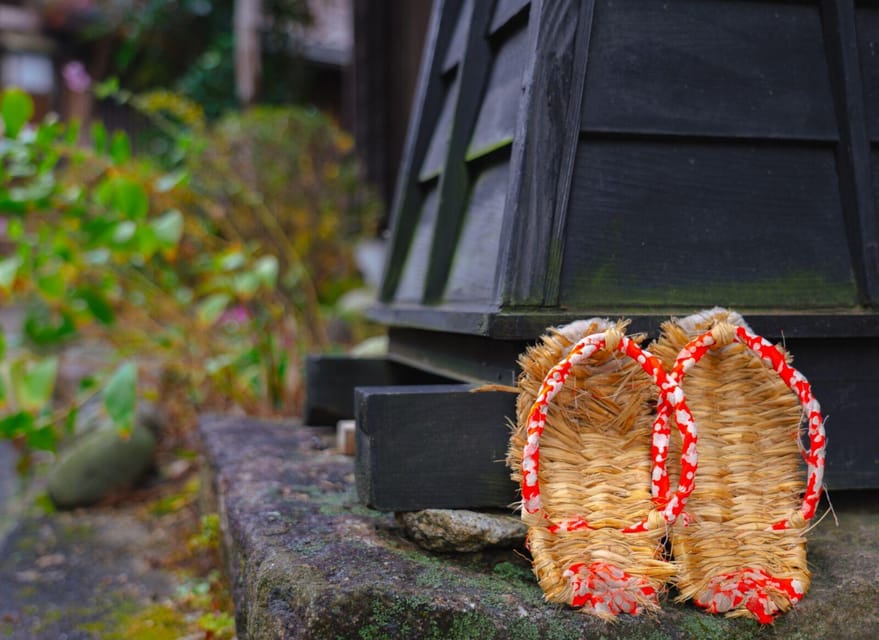
Your first stop is Tsumago-juku, where the guide leads you through the old town for about 45 minutes before the hike begins. Tsumago is known for its preserved post-town appearance, with traditional wooden buildings lining the old road.
You can enter historical buildings and get a closer look at how the town was arranged for people passing through. The value is not just visual. With a guide such as Kim or Mir, you get an explanation of what daily life and travel were like during the Edo period.
Tsumago is also the better place to slow down and take in the setting before the hike. Its streets feel quieter and less commercial than Magome. That does not mean there is nothing to see. You will find traditional structures, small shops, and old-world details, but the town’s appeal comes from restraint rather than constant activity.
The guided visit is fairly short, so do not expect a museum-length tour of every building. Instead, think of it as an introduction that gives the trail meaning. Once you leave Tsumago, you will recognize the road as part of an old travel network, not just a pleasant walk through trees.
More One-Day Trips in Japan:
- Cinque Terre Day Trip with Optional Hiking or Pisa
★ 5.0 · 8,486 reviews - Florence: Cinque Terre Day Trip with Optional Hiking or Pisa
★ 4.9 · 4,848 reviews - From Tirana: Bovilla Lake & Gamti Mountain Hiking Day Trip
★ 4.9 · 4,397 reviews - From SF: Yosemite Day Trip with Giant Sequoias Hike & Pickup
★ 4.9 · 1,331 reviews
Eight kilometers through forest, streams, and mountain country
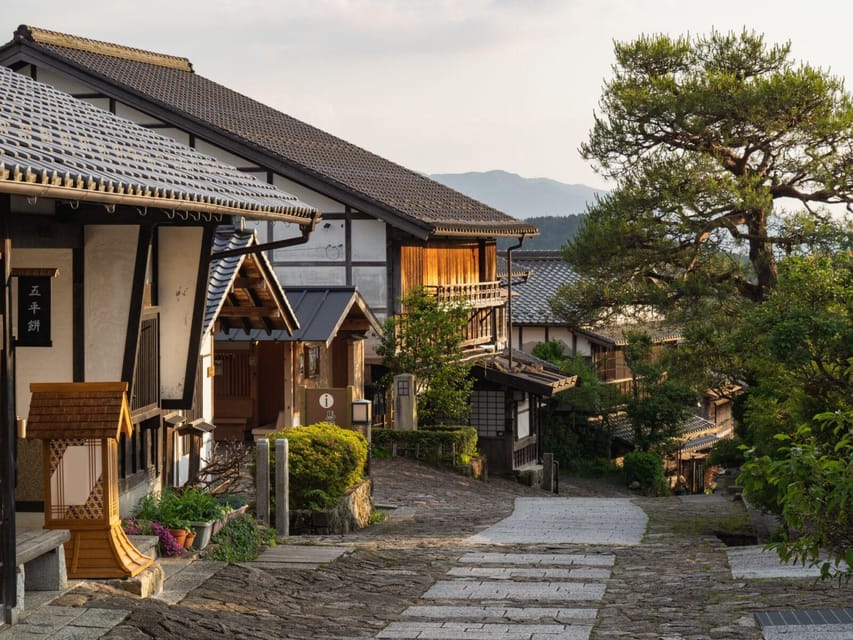
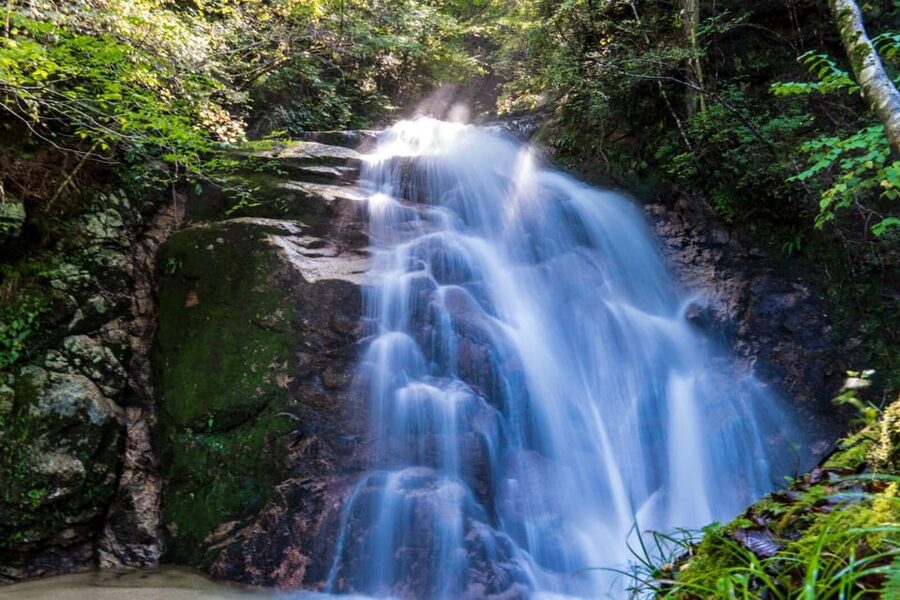
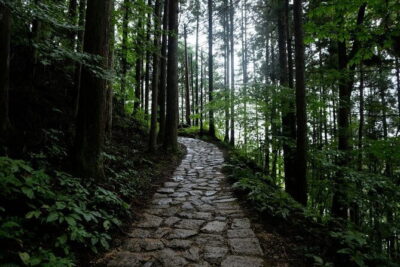
The hike from Tsumago to Magome takes about three hours within the scheduled itinerary. The route includes forest paths, clear streams, waterfalls, wildlife, and sections with noticeable elevation gain.
You should not treat this as a flat stroll. The trail is described as not especially difficult, but mud and slippery rocks can appear, and the total walking distance is significant. Comfortable walking shoes or hiking boots are important. In wet weather, the condition of the path may make the walk slower and less predictable.
The guide sets the pace for the group. This matters because three hours on a mountain route can feel very different for different people. One particularly useful example is the way the pace was adjusted for two people in their mid and late sixties, allowing them to complete the hike comfortably. A small group gives the guide more room to respond to the group’s actual condition.
You will also hear bells along the route, used as a precaution in an area where black bears may be present. Do not expect a wildlife encounter. The bells are part of the practical character of the walk, a reminder that this is a real mountain path rather than a groomed city park.
The scenery changes as you go. Forest cover provides shade, streams add sound, and open sections offer views toward the surrounding mountains and valleys. The trail’s strength is its quiet rhythm. You walk, pause for food, listen to the guide, and continue. It is a good break from the crowded stations and shopping streets of Japan’s larger cities.
Summer requires extra care. Temperatures can reach about 35 degrees Celsius or higher, with heavy humidity. Wear light, airy clothing, protect yourself from the sun, and watch for signs of heatstroke. Spring and autumn are likely to feel more comfortable for walking, though the tour runs in changing weather, so check the forecast before you leave.
Magome-juku, a lively finish to the walk
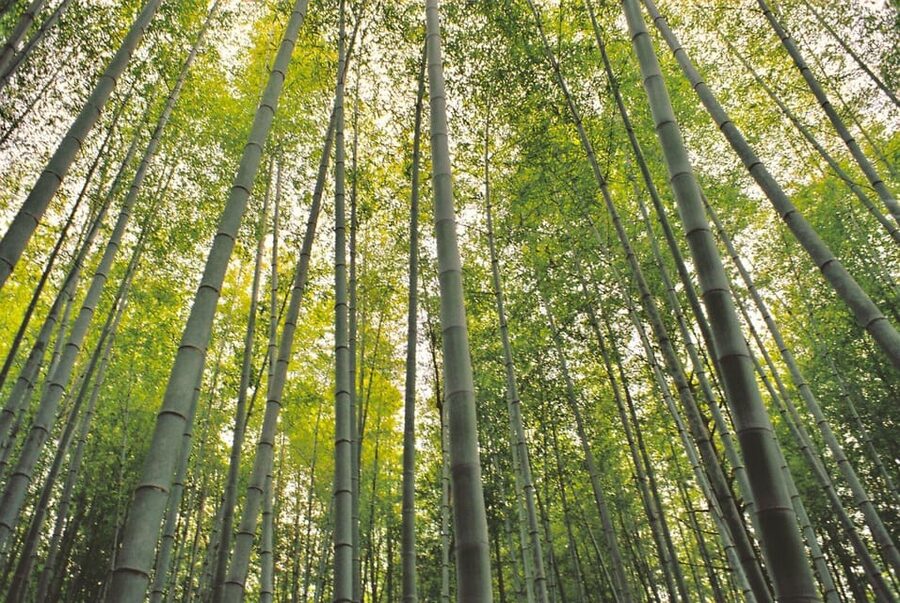
The hike ends in Magome-juku, where you have about 45 minutes for a guided visit and free time. Magome is another preserved post town, built along a sloping stone street with traditional buildings and views toward the valley.
Compared with Tsumago, Magome can feel more commercial. That is not necessarily a weakness. After several hours on the trail, its shops and food stalls give you a place to rest, browse handmade crafts, and sample local fare. You may prefer Tsumago’s quieter mood, but Magome is a practical place to finish the route.
Your free time is short, so think in terms of a snack, a few shops, photographs, and a quick look around rather than a long meal. Since lunch is not included, pack enough food for the trail and use Magome as a chance to try a regional snack or buy something small.
The two towns make a useful contrast. Tsumago feels more controlled and hushed, while Magome gives you more commercial activity and a broader choice of places to stop. Seeing both helps you understand that preserved historic towns are not frozen museum sets. They remain part of the local economy.
What the guides add to the walk
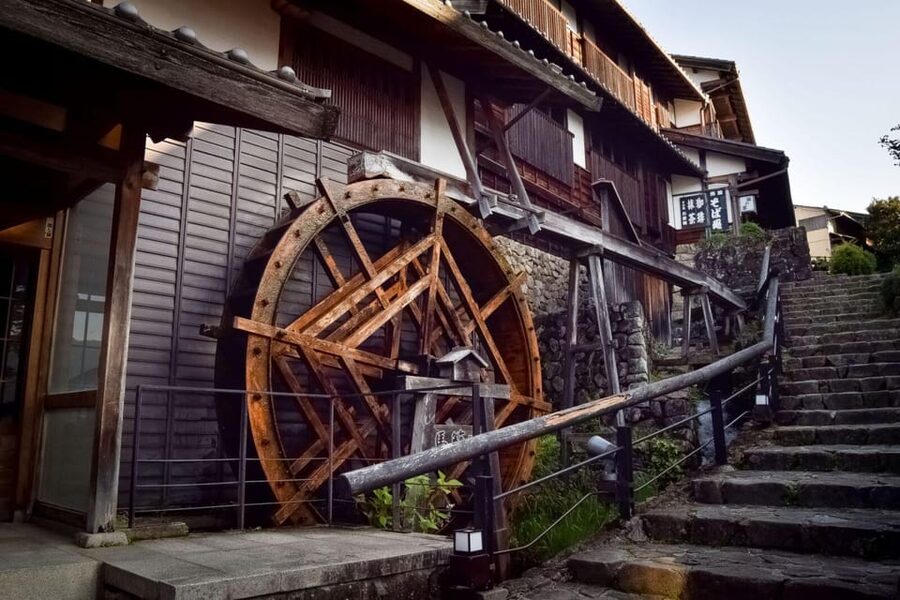
The strongest part of this tour is the human explanation along the route. The trail itself is attractive, but without context you may see only trees, stones, and old buildings. A good guide connects those details to the old road system and the people who used it.
Guides named Kim and Mir have led this route with strong attention to the trail’s history and culture. Paula and Kim have also guided groups together. The guide language options are English, Spanish, and French, depending on the departure and availability.
You can expect explanations about the post towns, Edo-era travel, and the way people lived along the samurai roads. The guide also helps with practical matters such as pacing and trail conditions. That combination is more useful than a nonstop lecture. You get information when it makes the place in front of you easier to understand.
The small group limit of 14 is another advantage. It is easier to hear, ask questions, and stay together on a forest path. One trip continued even with only two people booked, which suggests the operator is willing to run the experience rather than cancel simply because the group is small. Still, group size can vary, so do not assume every departure will be nearly private.
Price, timing, and what you receive

The price is $189 per person for eight hours. That includes round-trip transportation from Nagoya, transport during the tour, and an English, Spanish, or French-speaking guide.
For a self-planned visit, you might save money by using public transport and visiting the towns independently. But the calculation is not only about the fare. You would need to coordinate the long journey from Nagoya, understand the train and bus connections, manage the one-way trail, and find your way back after hiking.
This tour takes care of that structure. You are collected at Nagoya Station, driven to the trail, guided through both towns, and returned to the same city. For a first visit to the Kiso Valley, I consider the price fair if you value time, transportation, and historical explanation.
The cost does not include lunch, accommodation, or travel to the meeting point. Bring your own meal and water, and budget separately for snacks or crafts in Magome. Free cancellation is available up to 24 hours before departure, and you can reserve now and pay later, which helps if your Japan schedule is still shifting.
The non-hiking choice for a gentler day
You can select a non-hiking version if you want to see Tsumago and Magome without walking between them. This option begins at the same Nagoya Station meeting point at 9:30.
The guide takes you through Tsumago and explains the town’s place in Edo-era travel. You then receive about an hour of free time to look around, take photographs, and visit shops while the hikers continue along the trail. The driver takes you onward to Magome, where you have time for lunch, local specialties, and handmade souvenirs before meeting the hiking group at 4:30 for the return journey.
This option is recommended for families with small children and people with mobility concerns. The walking is reduced, but you still see both historic towns and receive the cultural background. It is also the sensible choice if an injury, heat, or poor weather makes the full hike a bad idea.
The hiking route has been completed with a two-year-old using a baby backpack carrier, but the official guidance says the full tour is not suitable for small children because of the distance. I would follow the cautious advice and choose the non-hiking option for young children.
Who should book this Nakasendo day trip?
Book it if you want a genuine rural break from Nagoya and you are comfortable walking eight kilometers on uneven ground. It suits you especially well if you enjoy history, old roads, forest scenery, and a guide who can explain what you are seeing.
It is also a smart choice if you do not want to arrange a one-way hike and complicated return transportation yourself. The bus ride is long, but it removes much of the day’s logistical work.
Think twice if you dislike long coach journeys, need a full restaurant lunch, or prefer a relaxed sightseeing day with very little walking. Summer heat can make the route tiring, and wet conditions may add mud and slippery rocks.
The 4.9 rating from 34 ratings reflects a very strong level of satisfaction, particularly for the guides, pacing, scenery, and transport. I would book the hiking version in spring or autumn if possible, bring a packed bento, arrive early at the silver clock, and wear shoes you trust on uneven paths. If the walk sounds too demanding, the non-hiking option still gives you the best cultural pieces of the day.
FAQ
Where does the tour meet in Nagoya?
The meeting point is at the base of the silver clock tower inside Nagoya Station, near the Shinkansen gates. The guide meets you at 9:30 while holding a SNOW MONKEY RESORTS tour sign.
How long is the hike?
The route from Tsumago-juku to Magome-juku is about 8 kilometers. The scheduled hiking portion takes around three hours.
Is lunch included?
No. Lunch is not included, and food choices on the trail are limited. Bring a bento box or other packed food before the tour starts.
What should I wear for the trail?
Wear sturdy walking shoes or hiking boots. The route can include mud, slippery rocks, and significant increases in elevation.
How long is the bus ride from Nagoya?
The drive to the Nakasendo area takes about two hours. The return drive to Nagoya takes about one and a half hours, with a bathroom stop during the outward journey.
Is there a non-hiking option?
Yes. The non-hiking option visits Tsumago and Magome by transport, with free time in both towns and no hike between them. It is recommended for small children and people with mobility issues.
What languages are available for the guide?
The guide languages are English, Spanish, and French.
Just added around Japan
- Oiso: Adventure Hike to See Mt. Fuji & Historic Coastal Walk★ 5.0 · 10 reviews
- Kyoto: Hike and Hot Springs in Kurama★ 5.0 · 49 reviews
- Kamakura: Daibutsu Hiking Trail Tour with Local Guide★ 5.0 · 10 reviews
- Hiroshima: Morning Hiking Tour with Open-air Tea Ceremony★ 4.8 · 58 reviews
- Hike Hakone Hachiri Japan Heritage Area★ 5.0 · 10 reviews
- Hakone Hachiri: Old Tokaido Highway Hiking Tour★ 4.9 · 22 reviews
- From Matsumoto/Nagano: Nakasendo Trail Walking Tour★ 4.9 · 33 reviews
- Explore Kiso Valley : Magome – Tsumago Mountain Trail Walk★ 5.0 · 33 reviews
Historical Tours, side by side.
Hiking the Historic Nakasendo Trail [1 Day Tour from Nagoya]
Read our review →
Hathipaown Heritage Walk – A guided walk to Mini Everest
Read our review →

Hike Japan Heritage Hakone Hachiri with certified mountain guide
Read our review →
Explore the best of Ella. Hiking, waterfalls and cultural tour
Read our review →
Mauritius: Le Morne Brabant Hike with Historical Immersion
Read our review →
Historical Montserrat Half-Day Hiking Tour from Barcelona
Read our review →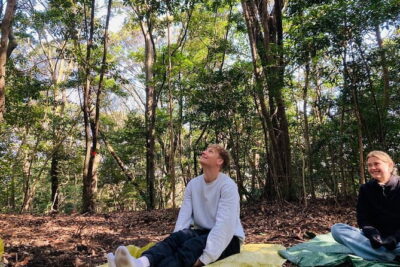
Morning Hiking Tour: Mt. Futaba & Hiroshima’s History
Read our review →This walk also sits in