
REVIEW · JAPAN
From Matsumoto/Nagano: Nakasendo Trail Walking Tour
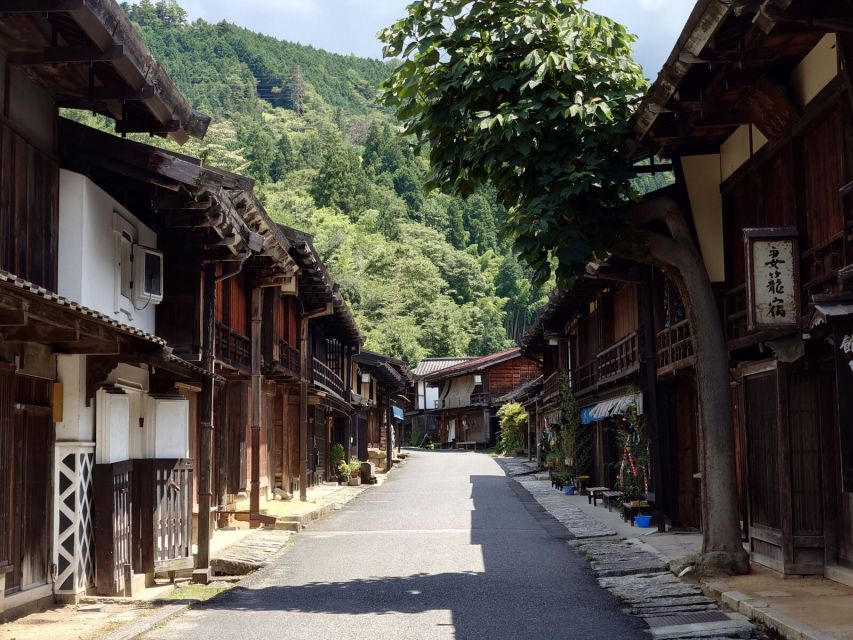
The best part of this day is the walk between Tsumago and Magome, two former post towns linked by an old mountain road. You get forest paths, quiet country lanes, stone paving, waterfalls, and wooden buildings without having to work out the transport on your own.
I like the easy rhythm of the day. Your guide can explain the Edo-period road as you walk, then help you enjoy small details such as the waterwheels, roadside tea stops, and Odaki and Medaki waterfalls. I also like that the route is long enough to feel like a proper hike, but not so demanding that it takes over your entire Japan trip.
The catch is the travel time. From Matsumoto, the drive to the trail takes about two hours, and the return journey is also long. Add the 8-plus-kilometer hike, and this becomes a full day for reasonably fit adults, not a quick sightseeing outing.
Key points at a glance
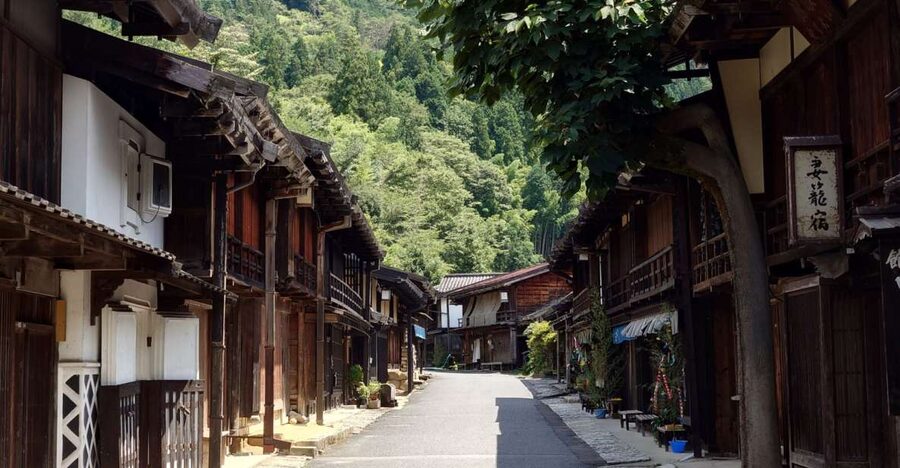
- Walk the historic 8-km section from Tsumago to Magome: Expect moderate climbs and descents, country roads, forest paths, and some Edo-era cobbles.
- Pause at Odaki and Medaki waterfalls: The twin falls offer cool spray, a natural rest stop, and one of the day’s most memorable moments.
- See two unusually well-preserved post towns: Tsumago feels rustic and quiet, while Magome’s sloping main street is lined with restored wooden buildings.
- Let a guide handle the awkward transport: The bus ride is long, but it removes the need to piece together rural connections yourself.
- Plan carefully for the walk: Bring hiking shoes, water, and weather-ready clothing. The route is not suitable for wheelchair users or people with mobility impairments.
Why this old road makes a fine day trip
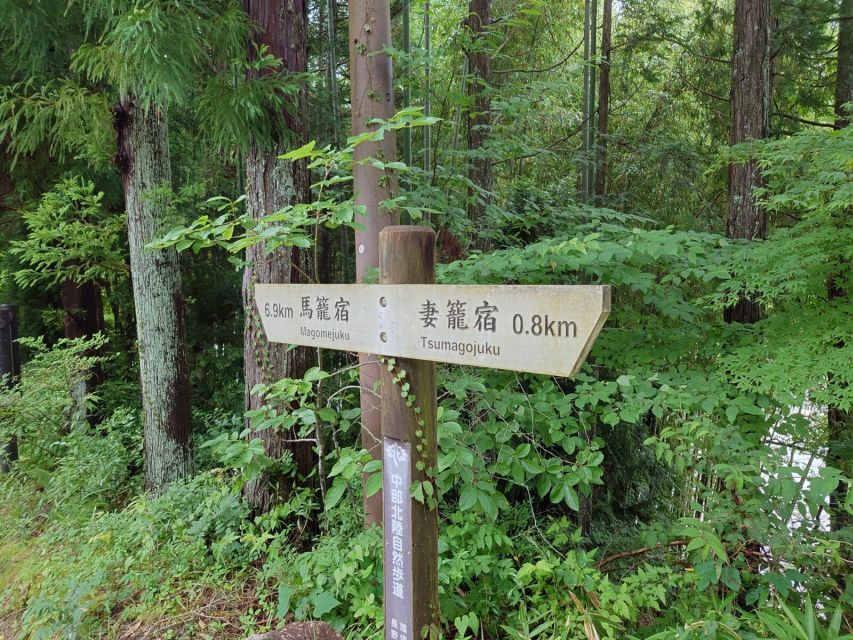
The Nakasendo was one of Japan’s major inland routes during the Edo period, linking the areas now known as Tokyo and Kyoto. It was used by officials, merchants, pilgrims, and ordinary people moving between post towns.
Today, the road is much quieter. That is the point. Instead of modern traffic and shop signs, you walk through cedar woods, small settlements, and mountain valleys where the old route still makes sense under your feet.
I find this kind of history more rewarding than a museum display because the setting explains the past. A steep road tells you something about old travel. A roadside inn shows where people stopped. A water channel beside the street hints at the practical systems that kept a mountain town working.
This tour covers the most popular walking section between Tsumago and Magome. It is a good choice if you want a taste of rural Japan but do not want to arrange local buses, luggage logistics, and trail directions yourself.
More hikes and treks around Japan:
- Fushimi Inari Hidden Hiking Tour (Private Option Available)
★ 5.0 · 1,750 reviews - Kyoto: 3-Hour Fushimi Inari Shrine Hidden Hiking Tour
★ 4.9 · 270 reviews - Hiroshima Local guided Hiking Tour&Open-air Tea Ceremony
★ 5.0 · 213 reviews
Starting from Matsumoto, Nagano, or Kokusai 21
You can join at Matsumoto Station, Nagano Station, or Kokusai 21, depending on the option you book. The pickup details vary, so check your selected departure point closely before the day begins.
The coach ride is a real part of the outing. From Matsumoto, expect about two hours before reaching the Nakasendo area, plus roughly two hours on the return. The full transport time is listed at about 3 hours and 50 minutes outbound and 3 hours and 20 minutes back, reflecting the long rural route and stops.
There is a bathroom break at a Japanese Michi-no-Eki, or roadside service area. This is useful rather than glamorous. You can stretch your legs, use the facilities, and pick up drinks or snacks before heading deeper into the Kiso Valley.
I would not book this day if you dislike sitting on a bus. If you accept the ride as the price of reaching a remote historic route, the scenery from the window helps. The road takes you away from city Japan and into wooded mountain country.
Tsumago, a post town that keeps its old shape
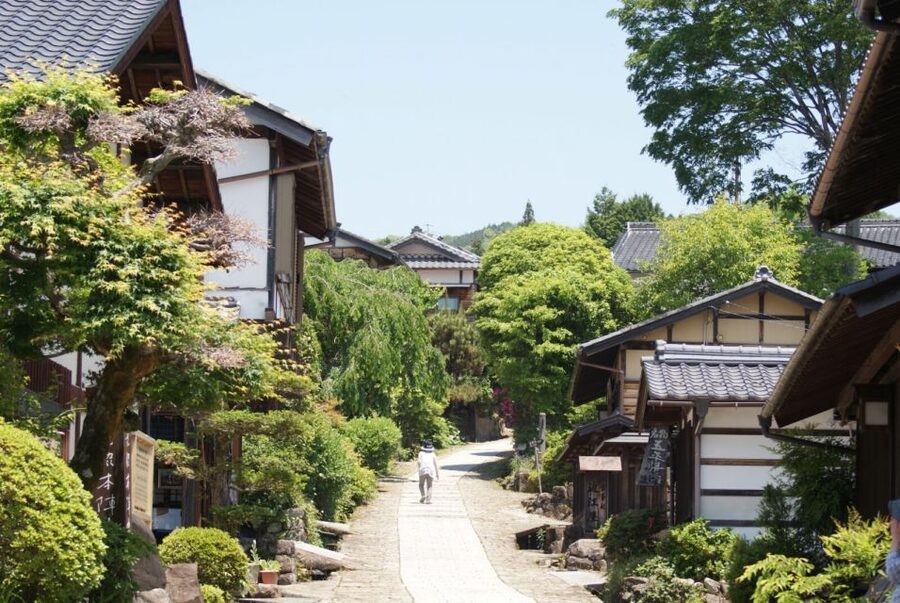
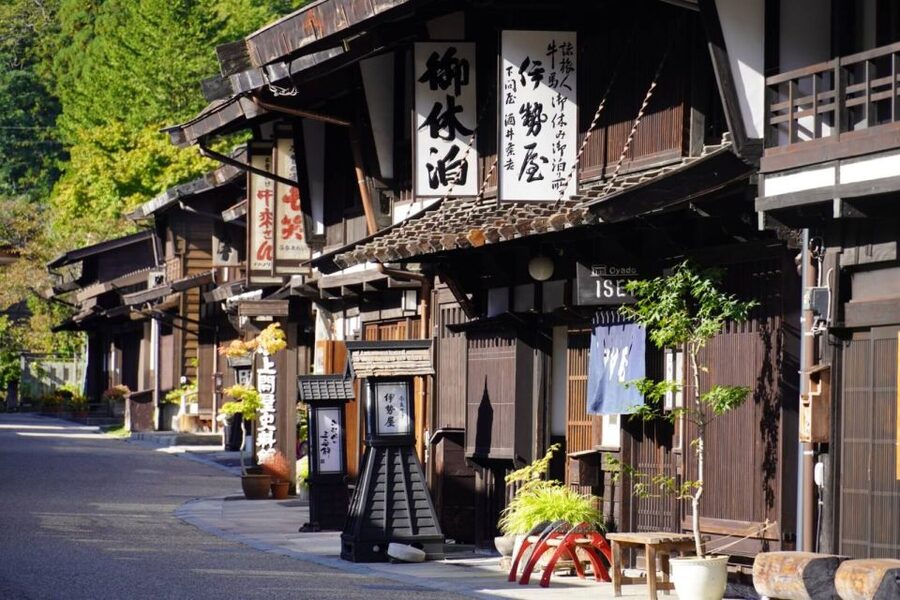
The first major stop is Tsumago-juku, a preserved post town with wooden buildings, small eateries, souvenir shops, Japanese inns, and mountain views.
The town is designed for walking. Rather than feeling like a modern attraction built around one monument, it presents a whole street and settlement. That makes the visit useful: you see how a post town worked as a place where people slept, ate, changed horses, and continued their journey.
Your guide leads a visit of about an hour before the hike begins. Some buildings are open to the public, giving you a look at domestic life and the way these old houses were arranged.
Tsumago is compact, but do not rush it. Look beyond the main street for details in the wooden facades, water channels, shopfronts, and mountain views. The town’s appeal comes from its overall mood, not from one headline sight.
A guide adds real value here. The buildings can look like attractive old houses if you do not know what you are seeing. A good guide can connect the street to the wider Nakasendo route and point out details you might otherwise pass.
Several guides have received especially strong praise for their pacing and local explanations. Shawn is noted for helping groups move comfortably and answering questions along the way. Kim, Joyce, Kevin, Devon, and Sijung have also led days praised for clear explanations, friendly support, and thoughtful pacing. Guides can change, so treat those names as examples rather than a promise.
The 8-km walk through the Kiso Valley
After Tsumago, the serious part of the day begins. The walk to Magome covers more than 8 kilometers, or about 5 miles, with moderate ascents and descents.
You will use a mix of forest trails, rural roads, and sections paved with old cobblestones. The path is generally well marked, but the walk is not flat or effortless. Expect uphill stretches, downhill stretches, and a steady amount of time on your feet.
The route suits you if you have a moderate level of fitness and are comfortable walking for several hours. Several pauses are built into the day, and guides can adjust the pace to the group. That matters when people arrive with different walking speeds.
Do not confuse this with a gentle stroll between two sightseeing stops. It is a proper day hike, though not an extreme one. Hiking shoes are the sensible choice, especially if the weather has made the stones or woodland sections slick.
The quiet is one of the route’s best features. You may notice birds, lizards, and possibly deer or badgers, though wildlife sightings are never guaranteed. The scenery changes as you go, from wooded stretches to open mountain views and small rural roads.
I like that the walk connects the two towns instead of dropping you at each one by bus. You earn Magome. By the time you arrive, the old road is not just an attractive backdrop. You have felt its grades, surfaces, and distance.
Same trailheads, a different kind of day:
- Hiking the Historic Nakasendo Trail [1 Day Tour from Nagoya]
★ 5.0 · 104 reviews - Hiroshima: Morning Hiking Tour with Open-air Tea Ceremony
★ 4.8 · 58 reviews - Full Day Hiking Tour at Mt.Takao including Hot Spring
★ 5.0 · 52 reviews - Kyoto: Hike and Hot Springs in Kurama
★ 5.0 · 49 reviews
Odaki and Medaki waterfalls
The twin waterfalls, Odaki and Medaki, make a natural break in the walk. Their names mean male waterfall and female waterfall, and they sit close together along the route.
The sound arrives before the full view. Water rushes over rock, and spray cools the air around the path. On a warm day, the mist on your face is welcome relief after an uphill section.
You can stop near the falls for a short rest. Traditional houses along the route may also offer water and a place to pause. One group enjoyed lunch at the waterfall and a tea house along the way, but lunch is not included, so bring food or plan to buy something where available.
This is a good example of why the guided format works. A guide can point out the falls, manage the group’s timing, and help you avoid treating the route as a race. You have enough time to enjoy the sound and cool air before continuing.
Arriving in Magome after the climb
Magome is the second post town and has a different feel from Tsumago. Its main street rises along a slope and is lined with restored wooden buildings, small shops, food stops, and traditional houses.
The slope gives Magome a strong visual shape. Waterways run along both sides of the street, and waterwheels show how moving water was put to work. Mountain views open around the town, making the final approach especially satisfying.
The scheduled free time is about 40 minutes. That is enough for a snack, a quick look through the shops, photographs, and a final walk along the main street. It is not enough for a slow meal or a detailed visit to every building, so use the time with some purpose.
Arrival late in the day can be lovely. One account of the route noted the warm light around Magome near golden hour. Of course, the exact light depends on the season and schedule, but the town’s sloping street is a fitting finish after the wooded trail.
You might want a local snack here. Venison burgers and wagyu sushi have been enjoyed at personal expense, though these are not guaranteed menu items or part of the tour price. The safe plan is to bring water and a small snack, then buy something in Tsumago or Magome if your timing allows.
What the $189 price buys you
At $189 per person, this is not the cheapest way to see the Nakasendo. The value comes from the combination of transport, a live English-speaking guide, and a full day linking two rural post towns that can be awkward to reach independently.
The bus is the biggest practical benefit. You do not need to study connections between Matsumoto or Nagano and the Kiso Valley, find your way to the trailhead, or work out how to leave Magome at the end. That convenience matters because the route is outside the main city sightseeing network.
The guide is the second major part of the value. You get context while walking, help with the pace, and support if the group has mixed fitness levels. Several guides have also helped with photographs and small travel problems, including one case where the guide and driver helped a group sort out onward plans after returning to Matsumoto.
Group size can vary. Some departures have been very small, even close to private, while other days have included families and a wider range of walking speeds. A small group can make the day feel personal, but you should not assume every departure will be that way.
Lunch is not included. This keeps the price from covering a meal you may not want, but you need to plan for food. Ask your guide about the day’s timing, and carry water from the start.
How hard is the walk?
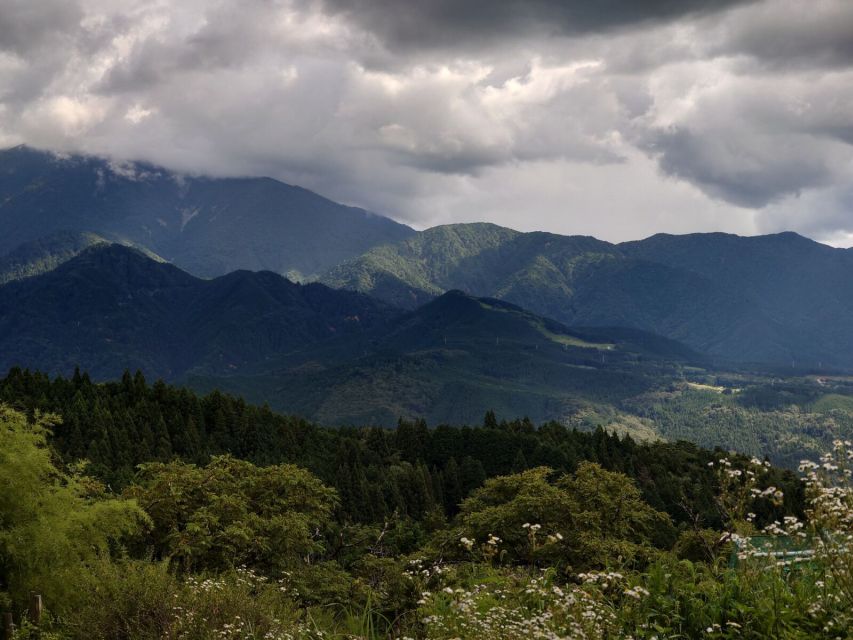
The route is moderate, with more than 8 kilometers of walking and repeated uphill and downhill sections. The main challenge is not technical terrain. It is the combination of distance, uneven surfaces, slopes, and the long return journey.
You should be comfortable walking for several hours and wearing proper shoes. Hiking shoes are listed as essential equipment, and weather-appropriate clothing matters because the day includes exposed roads, wooded sections, and damp areas near the falls.
One useful point is the guide’s pace. The best reports describe regular breaks after inclines and a pace adjusted to the group. That helps, but it does not remove the physical demand.
The official guidance says the tour is not suitable for children under seven, people with mobility impairments, or wheelchair users. It is also a poor match if you need a flat, short walk or frequent access to facilities.
Best seasons and practical packing
Spring and autumn can offer especially pleasant walking conditions, though the tour runs in changing weather and availability depends on the date. April walks have been enjoyed in clear conditions, while October and November outings have brought cool air and attractive light.
You should pack:
- Hiking shoes with a firm sole
- Water for the walking portion
- Weather-appropriate layers
- A small snack or lunch
- Sun protection if the forecast is bright
The only bathroom stop mentioned on the drive is at the roadside service area, so use it. You will spend a few hours in the coach before reaching the trail.
Sun position can affect comfort. One outing had the sun directly in the group’s eyes for much of the walk. Sunglasses and a hat are sensible additions, especially on a clear day.
The tour allows cancellation up to 24 hours before departure for a full refund, and you can reserve now and pay later. Activities remain subject to availability, so check the exact date and departure option rather than assuming every part of the schedule is fixed.
Who should book this Nakasendo day?
I would book this tour if you want a rural Japan day with real walking, old towns, and a guide who can explain what you are seeing. It is especially useful from Matsumoto or Nagano, where reaching the Nakasendo independently takes more planning.
You will get the most from it if you enjoy history in a physical setting. Walking the road gives you a better sense of distance and terrain than simply visiting Tsumago and Magome by coach.
I would skip it if your Japan schedule is already packed with long transfers, or if you want a relaxed sightseeing day with little exertion. The road time is long, the hike is real, and lunch is your responsibility.
For fit adults who want one day away from the cities, the mix is strong: preserved post towns, mountain air, old stone paving, waterfalls, and a practical guide-led route. At $189, you are paying for access and ease, not just admission to two pretty streets.
FAQ
How long is the Nakasendo walk?
The walk from Tsumago to Magome is more than 8 kilometers, or about 5 miles.
Where can I join the tour?
The available starting points are Nagano Station, Kokusai 21, and Matsumoto Station. The meeting point depends on the option you book.
How long is the drive from Matsumoto?
The drive from Matsumoto to the Nakasendo area takes about two hours. There is a bathroom stop at a Japanese roadside service area.
Is lunch included?
No. Lunch is not included, so bring food or plan to buy something during the day where available.
What should I bring?
Bring hiking shoes, water, and clothing suited to the weather. Sunglasses and a hat may also help on bright days.
Is the tour suitable for children?
The tour is not suitable for children under seven because of the long walking distance. The route also requires moderate fitness.
Is the tour wheelchair accessible?
No. It is not suitable for wheelchair users or people with mobility impairments.
Is cancellation available?
You can cancel up to 24 hours in advance for a full refund. The tour also offers a reserve-now, pay-later option.
Just added around Japan
- Oiso: Adventure Hike to See Mt. Fuji & Historic Coastal Walk★ 5.0 · 10 reviews
- Kyoto: Hike and Hot Springs in Kurama★ 5.0 · 49 reviews
- Kamakura: Daibutsu Hiking Trail Tour with Local Guide★ 5.0 · 10 reviews
- Hiroshima: Morning Hiking Tour with Open-air Tea Ceremony★ 4.8 · 58 reviews
- Hike Hakone Hachiri Japan Heritage Area★ 5.0 · 10 reviews
- Hakone Hachiri: Old Tokaido Highway Hiking Tour★ 4.9 · 22 reviews
- 1-Day Tour from Nagoya: Hiking the Historic Nakasendo Trail★ 4.9 · 34 reviews
- Explore Kiso Valley : Magome – Tsumago Mountain Trail Walk★ 5.0 · 33 reviews
Japan Hiking Tours, side by side.
Hiroshima Local guided Hiking Tour&Open-air Tea Ceremony
Read our review →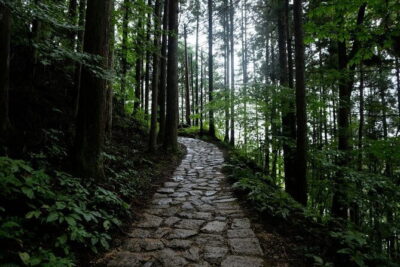
Hiking the Historic Nakasendo Trail [1 Day Tour from Nagoya]
Read our review →
Hiroshima: Morning Hiking Tour with Open-air Tea Ceremony
Read our review →
Full Day Hiking Tour at Mt.Takao including Hot Spring
Read our review →
Hike Japan Heritage Hakone Hachiri with certified mountain guide
Read our review →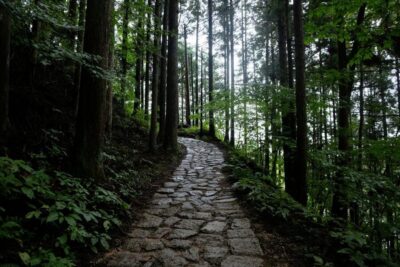
1-Day Tour from Nagoya: Hiking the Historic Nakasendo Trail
Read our review →This walk also sits in