
REVIEW · JAPAN
Explore Kiso Valley : Magome – Tsumago Mountain Trail Walk
The best part of this experience is the chance to walk an intact section of the old Nakasendo highway, linking Magome and Tsumago through the Kiso Valley. You get forest paths, mountain air, waterfalls, and two remarkably well-preserved post towns in one day, with a guide to handle the route and buses.
I especially like the private format, which lets your group set a comfortable pace, and the local insight offered by guides such as Ryo, Harumoto, and Kazuo. The tradeoff is simple: this is a real 9-kilometer walk with hills, so it suits active people much better than anyone seeking a gentle sightseeing day.
Key points at a glance
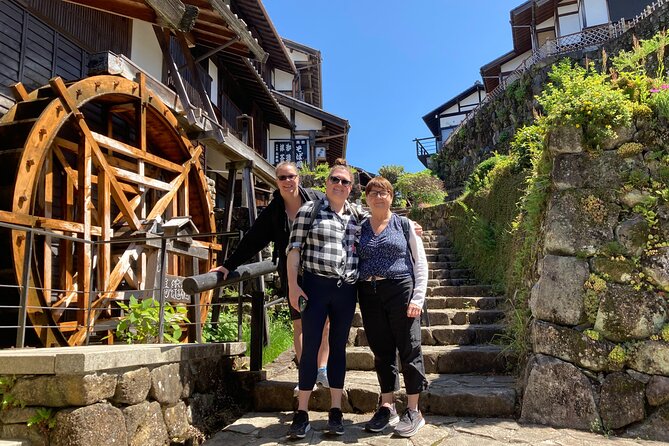
- Walk 5.5 miles from Magome to Tsumago: The route takes about five hours on foot, with an overall tour length of roughly seven hours.
- Start at Nakatsugawa Station: Your guide meets you at the ticket gate at 9:00 a.m. and helps with the bus to Magome.
- See two historic post towns: Magome-juku and Tsumago-juku preserve the feel of Japan’s old highway settlements.
- Pause at Odaki and Medaki waterfalls: These paired falls offer a natural break along the forest route.
- Finish at Nagiso Station: The tour ends around 3:45 p.m., and your guide assists with buying a train ticket onward.
- Private and adaptable: Only your group takes part, and the walk can be adjusted to suit your needs.
Why the Magome to Tsumago walk is special
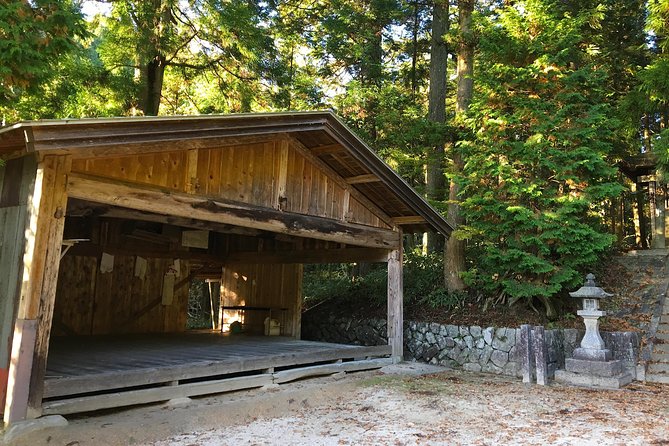
The Nakasendo was an inland road between Kyoto and Tokyo during the Edo period. It passed through mountain country rather than following the coast, and its post towns gave officials, samurai, merchants, and ordinary people places to rest during long journeys.
Today, the Magome to Tsumago section gives you a manageable taste of that old road. You are not committing to the entire long-distance trail. Instead, you spend one day on a clearly defined route between two historic settlements, with transportation at both ends.
The walking itself is the main event. The route passes through woodland, rural areas, and old road sections. It is not a parade of major monuments. Its appeal comes from the steady change of scenery, the quiet path, and the feeling of moving through the same mountain corridor used by people centuries ago.
I like that the tour gives historical context without turning the day into a museum crawl. You walk first, then understand the post towns better because you have arrived the old-fashioned way, on foot.
More Mountain and Summit Hikes in Japan
- Full Day Hiking Tour at Mt.Takao including Hot Spring
★ 5.0 · 52 reviews - Hike Japan Heritage Hakone Hachiri with certified mountain guide
★ 5.0 · 46 reviews - Morning Hiking Tour: Mt. Futaba & Hiroshima’s History
★ 5.0 · 25 reviews
Meeting at Nakatsugawa and riding to Magome
Your day begins at 9:00 a.m. at the ticket gate of Nakatsugawa Station. This is a useful arrangement because you do not have to figure out the first bus connection alone. After meeting your guide, you travel by bus to Magome-juku.
The bus ticket is included, as are the entry fees listed for the tour. Private transport is not included, so the regular bus is part of the experience. That keeps the day practical and avoids the added cost of a private taxi or car.
The guide also helps keep the morning on schedule. That matters here because the route involves a station meeting, a bus ride, several walking stops, and an afternoon finish at a different station. You can focus on the day instead of constantly checking maps and connections.
Magome-juku, the starting post town
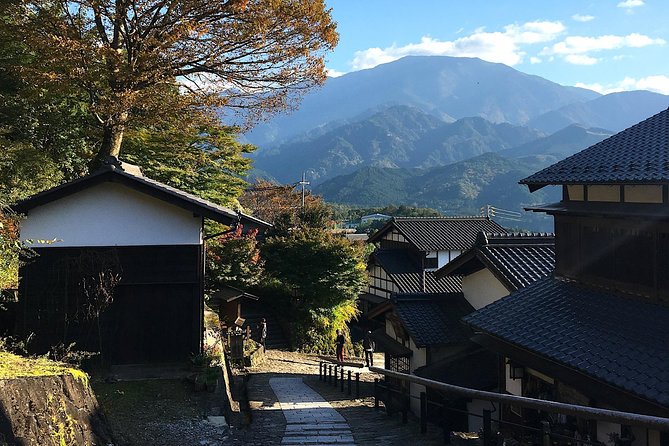
Magome-juku is one of the most attractive places on the route. Its main street climbs through a preserved post town, with traditional buildings lining a stone-paved road. It once served people using the Nakasendo, including samurai and other official travelers.
The first stop lasts about 40 minutes. Use this time to get your bearings, look at the buildings, and notice how the town is built into the slope. Magome does not feel like a flat, isolated museum display. Its rising street gives the town a strong sense of place and makes the first part of the walk feel like a proper departure.
Your guide can explain how the post-town system worked and point out details you might miss on your own. This is where local background adds value. Guides named Ryo, Harumoto, and Kazuo have each been praised for explaining the trail, regional culture, and local customs in a clear and friendly way.
Magome is also a good place for photographs, but do not spend all your energy here. The day still includes the uphill section toward the observatory and several hours of walking.
The Magome Observatory and the first climb
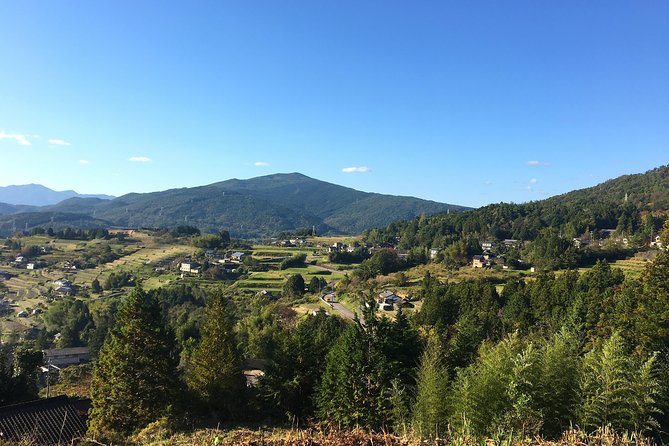
The Magome Observatory sits above the town at an altitude of about 801 meters. The stop lasts around 15 minutes and gives you a broad view over Magome and the surrounding mountains.
This is also the highest point of the Magome to Tsumago hiking course. That detail matters because the walk is not flat. You gain height early, then continue through a route that requires steady movement and good footing.
The observatory is a useful point to pause, catch your breath, and understand the setting. From above, you can see why the Nakasendo route was both valuable and demanding. The old road connected major cities, but it crossed serious mountain country.
If you have limited stamina, tell your guide early. The activity is private, and the pace can be adapted to your group’s needs. Still, customization does not turn it into an easy stroll. The tour specifically calls for strong physical fitness, and that warning deserves attention.
More Mountain and Summit Hikes in the world:
- Berber villages : Atlas Mountains Day Hike from Marrakech
★ 5.0 · 14,007 reviews - Bali: Sunrise Mount Batur Guided Hike with Breakfast
★ 4.8 · 9,660 reviews - Bali: Mount Batur Sunrise Guided Hike and Natural Hot Spring
★ 4.8 · 9,284 reviews - From Marrakech: Atlas Mountains Full-Day Hiking Trip w Lunch
★ 4.8 · 7,417 reviews
Forest paths and the Odaki and Medaki waterfalls
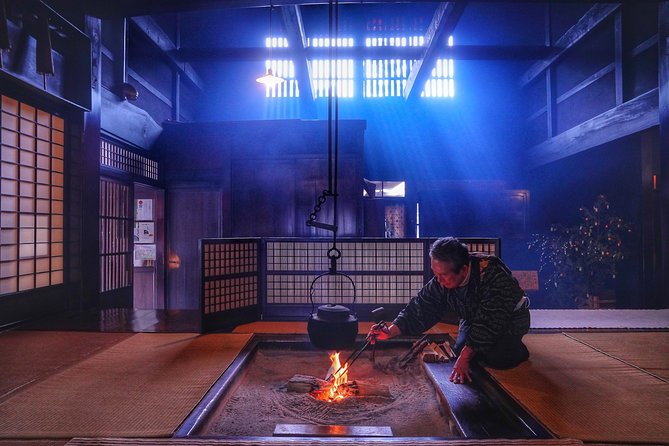
After Magome, the route becomes more rural and wooded. You leave the busy part of the post town behind and follow the old highway through the Kiso Valley.
One of the memorable natural stops is the pair of Odaki and Medaki waterfalls. Odaki is known as the man waterfall, while Medaki is the woman waterfall. Together they have long served as a refreshing point for people using the road through Kiso.
The stop lasts about 10 minutes. That is enough for a short rest and photographs, but it is not a long picnic break. Food and drinks are not included, so bring what you need for the walk or plan to purchase something when possible in the towns.
This part of the route shows why the walk works so well. The old road is not only about architecture. The forest, running water, and mountain setting are part of the story. You get a sense of the practical journey people once made, stopping at natural features as well as inns and villages.
Otsumago and the quieter side of the route
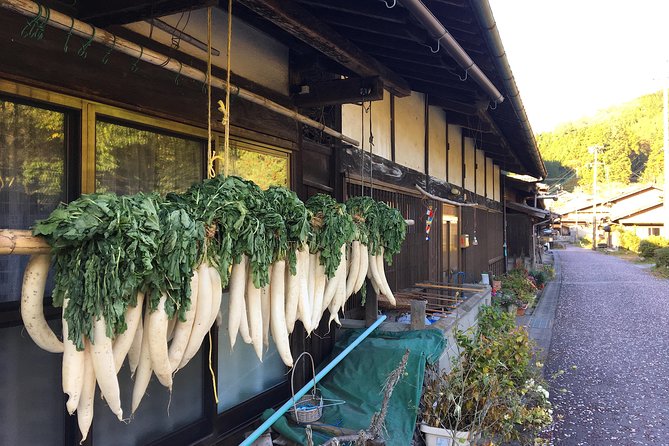
Otsumago is a district within the Tsumago-juku preservation area. The stop lasts about 20 minutes and offers a quieter look at traditional houses built in local styles, including Hon-Udatsu and Dashibari Zukuri.
This is a useful contrast with the more familiar central streets of the post towns. You see how preservation extends beyond one postcard view. Houses continue along the route, and the surrounding area remains part of the historic setting.
The area is becoming more popular, so it is not untouched wilderness. Even so, Otsumago gives you a better sense of the old settlement pattern than a quick visit to a single main street would.
Your guide is especially helpful here because architectural terms and local building styles can otherwise blur together. The point is not to memorize names. It is to notice the shape of the houses, their timber construction, and the way they relate to the road.
Arriving at Tsumago-juku

Tsumago-juku receives about 1 hour and 10 minutes on the schedule, making it the longest stop of the day. That is sensible. Tsumago has enough preserved buildings, small streets, and historic sites to reward a proper look.
During the Edo period, Tsumago had one Honjin, one Waki-Honjin, and 31 Hatago inns. The Honjin served important officials, while the Hatago inns accommodated ordinary people using the highway. This gives the town a broader social story than a simple samurai stop.
The town is famous for preserving its traditional character. You can stroll along the historic street, examine the old inns and shops, and take a break after the main walk. The pace here should feel more relaxed than on the forest section.
This is also where the private format becomes useful. Your group can spend more time on the details that interest you, within the day’s overall schedule. If you care most about architecture, ask your guide to point out building features. If you prefer local customs or road history, say so.
Do not expect a modern shopping district or a long list of major attractions. Tsumago’s appeal is its scale and continuity. It is a place to walk slowly, look closely, and appreciate the preserved relationship between road and buildings.
The Nagisomachi Museum and Waki-Honjin Okuya

The final cultural stops are in and around the Nagiso-machi Museum. The museum occupies the Waki-Honjin Okuya residence, also known as the Hayashiya House, a designated Important Cultural Property.
The house was restored using plans from the late Edo period. That makes it more than an old building to glance at from the street. You can see how a historic residence was laid out and how the site functioned within the post-town system.
The museum visit lasts about 25 minutes. The entrance fee is included, so you do not need to budget separately for admission.
Another 25-minute stop takes place at Waki-Honjin Okuya itself. The 1877 residence served as a waki-honjin and provision store for generations. It was built from fragrant Japanese cypress, a material that had only recently become legal for building use when the house was constructed.
These stops add substance to the walk. By this point, you have seen the road, the town, and the countryside. The buildings help explain how people actually lived and worked along the route.
Timing, effort, and what to carry
The complete experience lasts about seven hours. You meet at 9:00 a.m. and reach Nagiso Station at around 3:45 p.m. The walking portion covers about 9 kilometers, or 5.5 miles, and takes roughly five hours, with sightseeing and pauses included in the wider schedule.
You should be comfortable walking for much of the day and handling hills. Good physical fitness is required. The route is a poor match for anyone who wants a mostly seated outing or has trouble with sustained walking.
Wear sturdy walking shoes and carry water and snacks. Those items are not listed as included, and food and drinks are your responsibility. A light day bag is easier than bulky luggage, especially on forest paths and old town streets.
Weather matters. The tour requires suitable conditions, and poor weather can lead to a different date or a full refund. If you need to cancel, free cancellation is available up to 24 hours before the start time. Changes or cancellations inside that period are not refunded or accepted.
What the $171.31 price includes
At $171.31 per person, the tour is not the cheapest way to walk the Nakasendo. The price makes more sense if you value a private guide, route support, included bus fare, and entry to the two cultural sites.
You are paying for more than a marked trail. The day begins at one station and ends at another, with a bus transfer at the start and train assistance at the finish. That reduces the risk of taking the wrong bus, missing a turn, or wasting time on connections.
The private arrangement is the biggest value point. Only your group participates, and the walk can be adjusted to suit your needs. Group discounts are available, though the exact saving depends on the size of your party and booking terms.
The price does not include meals, drinks, or private transportation. If you want a taxi or private car instead of the regular bus, that costs extra. For someone comfortable planning rural transport alone, the premium may feel high. For a first visit to the Kiso Valley, the added structure can be worth it.
Who should book this experience?
I would choose this tour if you want an active day with a strong sense of place. It works especially well for people who enjoy historic roads, traditional buildings, mountain scenery, and long walks more than big-city sightseeing.
Families can enjoy it if everyone in the group is ready for the distance and hills. One family described the day as relaxed and enjoyable, but the fitness requirement still matters. Children or older family members who tire easily may find the route demanding.
The tour also suits a first day in Japan if you want to start outside the major cities. The mix of countryside, local culture, and preserved towns gives you a useful introduction to a different side of the country.
You may want a different outing if you dislike fixed start times, need frequent long breaks, or want a food-focused tour. Meals are not included, and the schedule is built around walking and historic sites rather than extended dining.
Should you book the Magome to Tsumago trail walk?
Book it if you want the Nakasendo to feel like a journey, not just a photo stop. The guide, bus ticket, entrance fees, private format, and station-to-station planning take care of the fiddly parts while leaving you to enjoy the route.
The strongest reasons to choose it are the 9-kilometer walk, the preserved towns, and the chance to learn from a guide with local ties. Guides such as Ryo, Harumoto, and Kazuo have been singled out for patience, enthusiasm, and clear explanations of regional culture.
Skip it if a full day of walking sounds tiring or if you expect a short, easy village visit. This is a rewarding but active outing. If you can handle the distance, it offers one of the clearest ways to connect Japan’s old road system with the countryside it crossed.
FAQ
Where does the tour begin?
It begins at the ticket gate of Nakatsugawa Station in Gifu Prefecture. The meeting time is 9:00 a.m.
Where does the tour end?
The tour ends at Nagiso Station in Nagano Prefecture at around 3:45 p.m. Your guide will assist with buying a train ticket back to your accommodation.
How far do you walk?
The route covers about 5.5 miles, or 9 kilometers, between Magome and Tsumago.
How long does the experience last?
The total duration is about seven hours. The guided walk itself takes about five hours, with transport and sightseeing included in the full schedule.
Is this a private tour?
Yes. Only your group participates, and the walk can be customized to suit your needs.
Is an English-speaking guide included?
Yes. An English guide is included. Guides associated with this experience include Ryo, Harumoto, and Kazuo.
Are bus tickets included?
Yes. The bus ticket from the Nakatsugawa area to Magome is included. Private taxis, cars, and buses are not included.
Are entrance fees included?
Yes. The listed entrance fees, including the museum and Waki-Honjin Okuya, are included.
Is food included?
No. Food and drinks are not included in the tour price.
Can I cancel for a refund?
You can cancel up to 24 hours before the experience start time for a full refund. If poor weather causes the tour to be canceled, you will be offered another date or a full refund.
Just added around the world
- Rovaniemi: Korouoma Frozen Waterfalls Hike & Hot BBQ Lunch★ 4.9 · 90 reviews
- Hidden Waterfalls Hiking Adventure★ 5.0 · 148 reviews
- Hike to Frozen Waterfalls of Korouoma Including BBQ Lunch from Rovaniemi★ 5.0 · 84 reviews
- Private Family Hike in Yosemite★ 5.0 · 37 reviews
- Private Guided Hiking Tour in Yosemite★ 5.0 · 94 reviews
- Guided Yosemite Hiking Excursion★ 5.0 · 80 reviews
- Yosemite Valley Private Hiking Tour★ 5.0 · 83 reviews
- From Valencia: Montanejos Tour with Guided Hike★ 4.1 · 86 reviews
Mountain & Summit Hikes, side by side.
Berber villages : Atlas Mountains Day Hike from Marrakech
Read our review →
Sunrise Mount Batur Guided Hike with Breakfast
Read our review →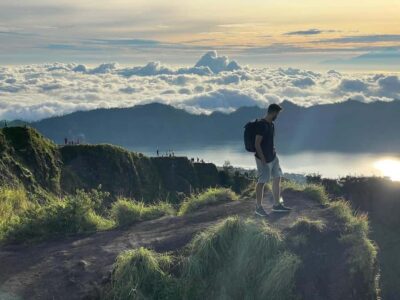
Mount Batur Sunrise Guided Hike and Natural Hot Spring
Read our review →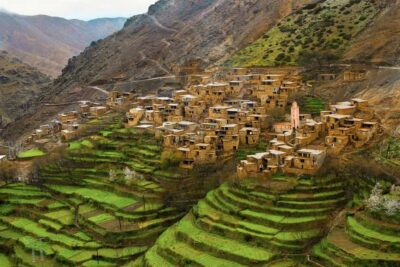

Mount Etna: Summit Guided Hiking Tour up to 3,400 m
Read our review →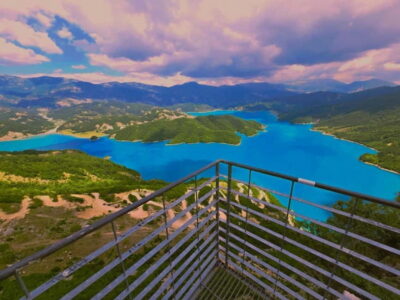
Bovilla Lake & Gamti Mountain Hiking Day Trip
Read our review →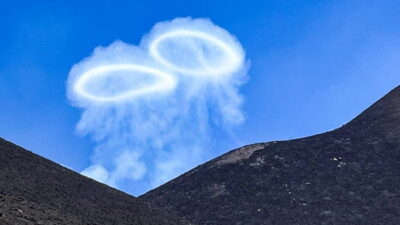
Mount Etna: Trek to 3000m with cable car and 4×4
Read our review →
Mount Batur Sunrise Trek With Guide and Breakfast
Read our review →This walk also sits in