
REVIEW · VIETNAM
Sapa: Ta Phin Village Trek & Red Dao Herbal Bath
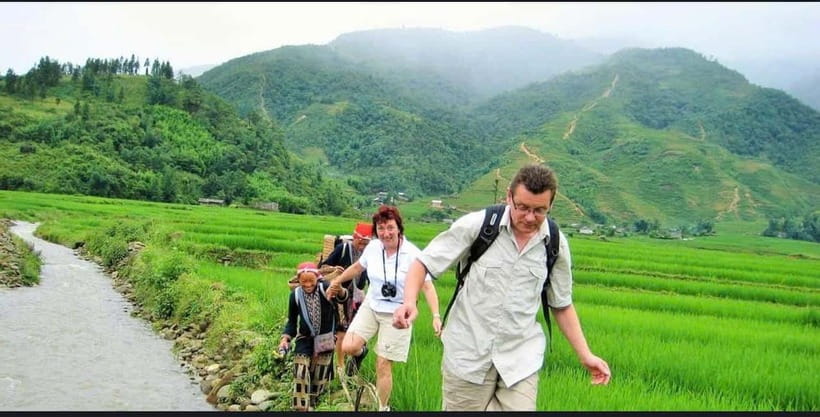
The best part of this Sapa day trip comes at the end: after walking through H’mong and Red Dao villages, you settle into a hot Red Dao herbal bath in a wooden tub. I like the way the trek links scenery with daily life, and I like that guides such as Su and Gao explain farming, family life, crafts, and local customs rather than simply leading you from one viewpoint to another.
I also like the small-group format, capped at 10 people, and the chance to eat at a local homestay or family restaurant. The main consideration is the 12 to 14 kilometer distance. It is described as easy to moderate, but you still need decent fitness, comfortable shoes, and enough energy for several hours on village paths.
Key points at a glance
- Three villages in one day: Walk through Suoi Ho, Ma Tra, and Ta Phin, each linked with Black H’mong or Red Dao life.
- A guide-led cultural walk: Su and Gao have been praised for clear English, friendly conversation, and explanations about farming, food, family life, and customs.
- A quieter route from Sapa: The walk reaches rural areas that feel less commercial than some better-known routes around town.
- Local food with a view: Lunch may be a picnic or a homestay meal, with Vietnamese dishes and vegetarian choices available at the local restaurant used by one group.
- A memorable finish: The Red Dao herbal bath gives tired legs a warm, calming soak after the trek.
- Good value at $26: The price includes the guide, lunch, bath, and transport back to Sapa.
Why this Sapa trek feels different
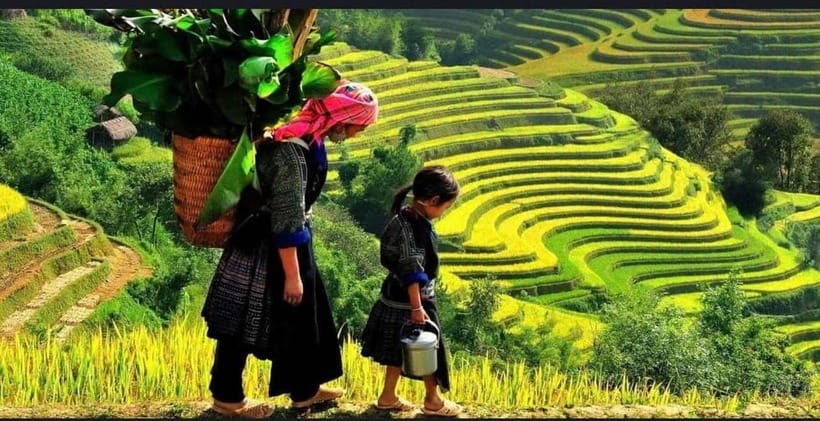
Many Sapa outings are sold on scenery alone. This one works better because the views are tied to places where people live and work. You walk through rice fields, pine forests, and village paths while your guide explains what you are seeing: crops, animals, farming routines, clothing, embroidery, and local customs.
That context matters. A rice terrace is pleasant to photograph, but it becomes more interesting when you understand that it is part of a working farm. A piece of Red Dao embroidery tells you more when someone explains how it fits into local dress and craft traditions.
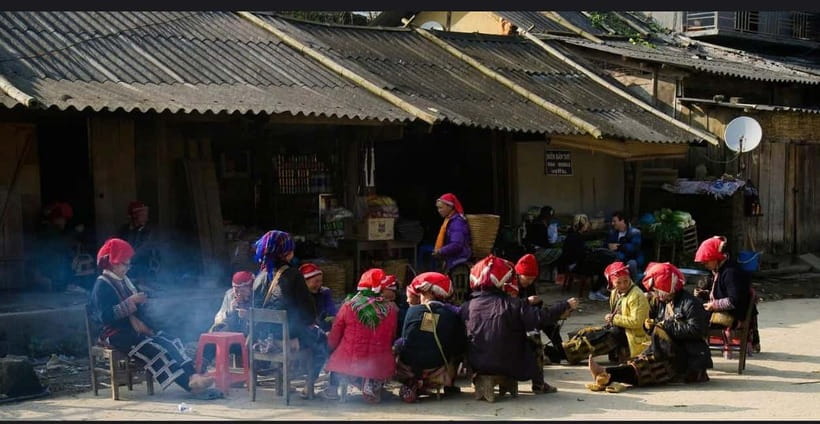
The route covers Suoi Ho, Ma Tra, and Ta Phin. These villages are connected, but they do not all offer the same feel. Suoi Ho is associated with the Black H’mong people and gives you an early look at daily village life. Ta Phin is home to the Red Dao, with a stronger focus on embroidery and herbal medicine.
The tour also avoids the pressure of a large coach group. With no more than 10 people, you can ask questions without having to shout across a crowd. Guides named Su and Gao have been especially praised for making time for questions and for discussing ordinary subjects such as food, family life, and farming.
More Homestay and Village Treks in Sa Pa:
- Number one top rated ethical cultural trekking and homestay by ETHOS
★ 5.0 · 456 reviews - Sa Pa: 2-Day Trekking Trip with Ethnic Minority Homestay
★ 4.7 · 145 reviews - Private Hoang Lien National Park & Tribal Village Trek
★ 4.7 · 30 reviews
Starting at Sapa Stone Church at 9:00
You meet at Sapa Stone Church at 9:00 in the morning. This is a useful starting point because it is easy to identify in central Sapa, and the tour begins with a short walk toward Suoi Ho.
The first part is not about rushing to a grand viewpoint. It helps you leave the town behind and adjust to the walking pace. Bring water in a daypack, and wear shoes that can handle uneven village paths. The tour is not presented as a hard mountain hike, but 12 to 14 kilometers is still a full day on your feet.
Weather can change how the route feels. Sapa can be cool, damp, or warm depending on the season, so bring clothing suited to the forecast. Insect repellent is also listed as useful, especially when you are walking through rural areas and vegetation.
Suoi Ho and the Black H’mong way of life
Suoi Ho is the first village stop and is linked with the Black H’mong community. Here, your guide can explain daily work, traditional farming, and animal husbandry.
This is one of the strongest parts of the day for anyone who wants more than photographs. You may see how the village setting relates to crops and livestock, while your guide fills in the details that are easy to miss when walking independently.
The setting is peaceful, with rice terraces and green hills around the route. Still, do not expect every moment to be a photo stop. The value lies in the combination of walking and conversation. You are learning how local life fits into the fields, paths, and homes around you.
If you have already done an independent hike near Sapa, this section may give you what was missing. A guide can answer the questions that arise naturally: what is grown here, how the land is used, and how village customs shape everyday routines.
Ma Tra, village paths, and a slower pace
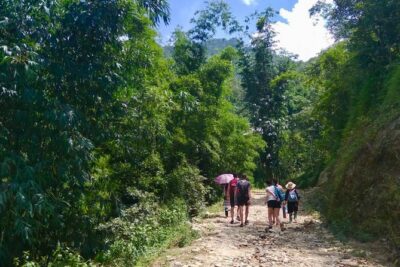
The walk continues to Ma Tra at about 10:30. The route passes through rice terraces, pine forests, and open countryside. The scenery is a major reason to book, but it is best enjoyed at a steady pace rather than treated as a race between stops.
Ma Tra offers another chance to speak with local people and learn about customs and crafts. The schedule allows for a possible visit to a local school, though the exact experience can depend on the day and the group. This is a good place to keep your expectations flexible and let the guide shape the visit.
The trail is described as easy to moderate. Some people will find it comfortable, while others may feel the distance in their legs by the afternoon. The route is suitable for most fitness levels, but it is not suitable for people with mobility impairments, and children under six cannot join.
One practical point: good walking shoes matter more than fancy hiking equipment. You do not need specialist gear based on the information provided, but sandals or smooth-soled shoes would be a poor choice for a long walk through rural terrain.
More hikes and treks around Sa Pa:
- Sa Pa: Muong Hoa Valley Trek and Local Ethnic Villages
★ 4.6 · 864 reviews - Sapa: Eco Adventure Terrace Fields and Local Villages Trek
★ 4.9 · 636 reviews - From Sapa: 1-Day Guided Trek to Lao Chai & Ta Van with Lunch
★ 4.9 · 416 reviews - Sa Pa Full Day Trekking Tour
★ 5.0 · 414 reviews
Lunch in a homestay or local restaurant
Around 11:30, you stop for lunch. Depending on the arrangements for the day, this may be a picnic or a meal at a local homestay.
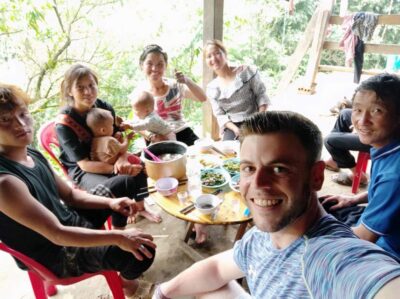
The homestay option adds to the sense of place. You are not just eating between scheduled attractions, but pausing in a village setting with traditional Vietnamese dishes. Several people have especially liked the food, the views, and the friendly atmosphere at the lunch stop.
One group enjoyed a fresh sturgeon hotpot, while another found the local meal tasty and the setting attractive. A separate lunch stop offered several food choices, including vegetarian dishes. The exact menu is not fixed in the tour details, so you should see the meal as a local dining experience rather than a guaranteed signature dish.
I would also keep expectations practical. The food is included, which is excellent value at this price, but the quality and menu may vary by venue and day. If you have dietary needs, tell the provider in advance when possible, even though vegetarian options have been available.
Ta Phin and Red Dao traditions
After lunch, the walk continues to Ta Phin, home to the Red Dao people. The schedule allows roughly two hours for the Ta Phin visit, including a guided tour, walking, sightseeing, and time for photographs.
Ta Phin is the cultural heart of the outing. Here, you can learn about Red Dao embroidery and herbal medicine traditions. These are not random add-ons to the route. They help explain why the herbal bath at the end feels connected to the place rather than tacked onto an ordinary hike.
The village is also where you may notice a more rural side of the Sapa area. The route is promoted as less touristy than some other options around town, and the focus stays on local life rather than a long list of commercial stops.
That does not mean the walk is completely untouched or free of visitor activity. Ta Phin is a known destination, and local crafts may be part of the experience. Still, the small group and guide-led format give you a better chance to ask questions and understand what you are seeing.
The Red Dao herbal bath at 2:00
At about 2:00, you finish the walking portion with a traditional Red Dao herbal bath. You sit in a wooden tub filled with aromatic medicinal herbs, soaking after several hours on the trail.
This is the tour’s cleverest feature. By this point, even an easy or moderate walk can leave your feet and legs tired. A warm bath gives the day a clear ending and makes the experience feel more complete than a simple ride back to town.
The bath is traditionally believed to ease muscle pain and improve circulation. Those are traditional claims, not medical guarantees, so think of it as a cultural wellness experience and a relaxing soak rather than treatment for a health condition.
Temperature is worth noting. One person found the bath very hot, while also finding it pleasant. If you are sensitive to heat, ask about the water before getting in and take breaks if needed.
The setting can include mountain views, adding one last visual reward after the walk. You do not need to bring special bath equipment in the listed inclusions, but a small daypack is useful for carrying water and personal items.
Returning to Sapa by car
After the bath, transportation takes you back to Sapa. The tour ends at Sapa Stone Church at about 3:30 in the afternoon.
The return car matters because it saves you from walking the full distance back after the bath. It also keeps the day to around six hours, leaving your evening open for dinner or further time in town.
The timing is well suited to a short Sapa stay. You get a full day outside the center without committing to an overnight trek or a more demanding mountain route. If you have only one spare day in Sapa, this tour covers scenery, village culture, lunch, and a local bathing tradition in one outing.
What $26 includes, and what it does not
At $26 per person, the tour offers solid value. The price includes a local guide, lunch or a homestay meal, the Red Dao herbal bath, and transportation back to Sapa.
A comparable self-guided day would still require you to arrange food, transport, and the bath separately. More importantly, you would lose the explanations that give the villages meaning. The guide is not just a practical escort here. The cultural discussion is one of the main reasons the tour works.
Personal expenses are not included. That means you should carry money for anything outside the stated package, such as personal purchases or extra food and drinks. The small group, capped at 10, is another reason the price feels fair.
You can cancel up to 24 hours ahead for a full refund, and the reserve-now, pay-later option keeps your plans flexible. Starting times should be checked when booking, since the stated schedule begins at 9:00 but availability can vary.
The right guide can shape the day
The guide makes a noticeable difference on a cultural walk. Su has led several of the strongest outings, and his English has been described as very good. He has also been able to use some French, which may help French-speaking visitors.
Gao has also guided the route. The important qualities to look for are not just language skills, but patience and curiosity. You want someone who will explain farming, food, local customs, family life, and the differences between the Black H’mong and Red Dao communities.
This tour suits people who enjoy asking questions. If you prefer to move quickly from one viewpoint to another with little conversation, you may find the village stops slower than expected. If you want to understand what you are seeing, the guide-led format adds real value.
Who should book this experience
I would recommend this day for couples, small groups, and solo visitors who want a rural Sapa outing without a demanding trek. It is also a good fit if you have already walked independently and want a guide to explain the culture and local economy.
The route is a sensible choice for people with average fitness who can walk 12 to 14 kilometers. It is not suitable for children under six or anyone with mobility impairments.
Pack comfortable shoes, water, insect repellent, weather-appropriate clothing, and a daypack. You do not need to overpack, but you should be ready for several hours outdoors and a warm bath at the end.
Should you book the Sapa village trek?
Book it if you want a quieter route, clear cultural context, and a relaxing finish. The strongest parts are the personal guiding, the working village scenery, the local lunch, and the Red Dao bath.
Skip it if you want a steep mountain challenge, a tightly controlled menu, or a tour built around famous viewpoints. This is a day for walking, listening, and noticing ordinary life in Suoi Ho, Ma Tra, and Ta Phin.
At $26, the package is hard to fault for value. The distance is the only real caution. If your legs can manage a full day on rural paths, this is a well-balanced way to see more of Sapa than the town center and finish with something you are unlikely to forget.
FAQ
How long does the Sapa trek and herbal bath experience last?
The activity lasts about six hours. It starts at 9:00 at Sapa Stone Church and ends back there at about 3:30 in the afternoon.
How far do you walk?
The trekking distance is approximately 12 to 14 kilometers. The route is rated easy to moderate and is suitable for most fitness levels, but you should be prepared for a full day of walking.
Which villages does the tour visit?
The route includes Suoi Ho, Ma Tra, and Ta Phin. Suoi Ho is associated with the Black H’mong people, while Ta Phin is home to the Red Dao community.
Is lunch included?
Yes. The tour includes either a picnic lunch or a meal at a local homestay. Traditional Vietnamese dishes are served, and vegetarian choices have been available at the local restaurant used during the tour.
What languages does the guide speak?
The live guide service is available in English and Vietnamese. Guides such as Su and Gao have led this experience.
What is included in the price?
The $26 price includes the local guide, picnic lunch or homestay meal, traditional Red Dao herbal bath, and transportation back to Sapa. Personal expenses are not included.
Can children or people with mobility impairments join?
Children under six are not permitted, and the tour is not suitable for people with mobility impairments. Comfortable shoes, water, insect repellent, weather-appropriate clothing, and a daypack are recommended.
Just added around Sa Pa
- From Sapa: Guided Full-Day Trekking with Lunch and Drop-Off★ 4.2 · 86 reviews
- Sapa Trekking Bargains With Local Guide★ 4.9 · 91 reviews
- Sapa: Y Linh Ho – Lao Chai, and Ta Van Trekking Day Tour★ 5.0 · 25 reviews
- Sapa: Trekking Sapa One Day With Group Tour★ 4.7 · 55 reviews
- Sapa: Ta Phin Village Trek with Lunch and Bathing Experience★ 4.7 · 13 reviews
- Sapa Trekking Private Tour With Ethnic Female Tour Guide★ 4.9 · 24 reviews
- Sapa: Muong Hoa Valley View & Villages Trek with Local Guide★ 5.0 · 25 reviews
- Sapa: Sapa Mountain View And Villages Trek★ 4.4 · 16 reviews
Homestay & Village Treks, side by side.
Number one top rated ethical cultural trekking and homestay by ETHOS
Read our review →
2-Day Sa Pa Ethnic Homestay Tour & Trek with Limousine Bus
Read our review →
Sapa 3 Day 2 Night Trekking With Hotel & Homestay
Read our review →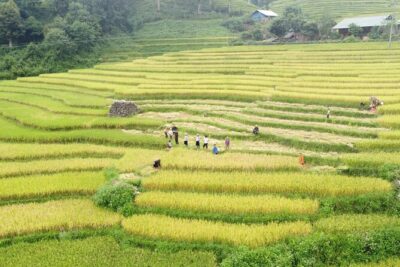
Sapa 2 Days 1 Night Overnight At Local Homestay
Read our review →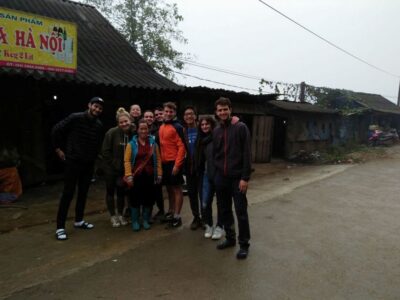
Sa Pa: 2-Day Trekking Trip with Ethnic Minority Homestay
Read our review →
This walk also sits in