
REVIEW · PERU
Machu Picchu: 5-Day Salkantay Trek with Panoramic Train
The best part of this trek is the way Peru changes around you. You begin among icy peaks and thin air, cross the 4,630-meter Salkantay Pass, then walk through coffee country and cloud forest before reaching Llactapata, where Machu Picchu first appears across the valley. I especially like the contrast between hard walking and thoughtful comforts, including hot drinks, fresh meals, and a proper hotel night in Aguas Calientes.
I also like the cultural stops, particularly the Pachamanca feast and coffee visit in Lucmabamba. The main caution is altitude. The first two days are demanding, and several hikers needed extra support with headaches or altitude sickness. You should be comfortable walking long distances and ready for a very early start.
Key points to know before booking
- The high point is 4,630 meters: Salkantay Pass is the toughest section, with cold air, steep climbs, and a long descent.
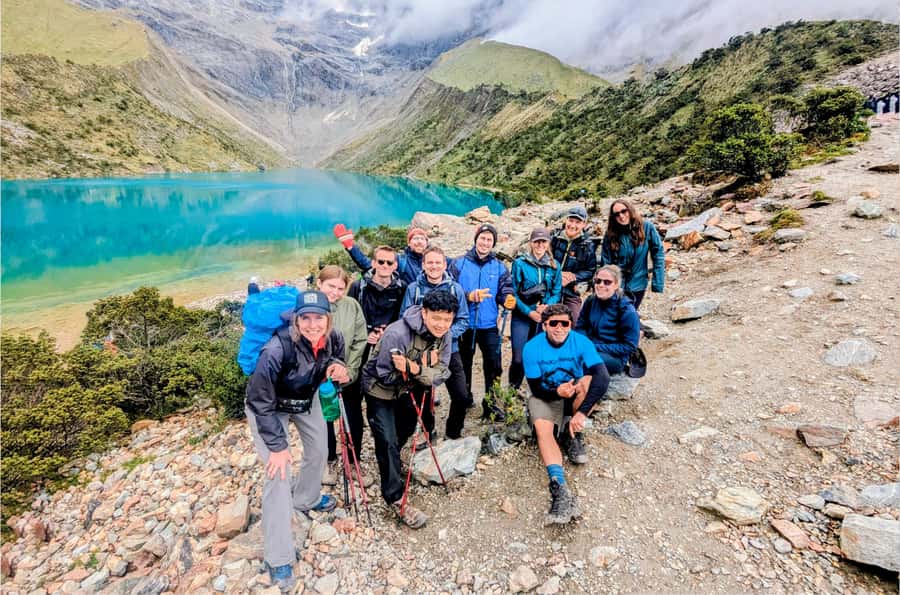
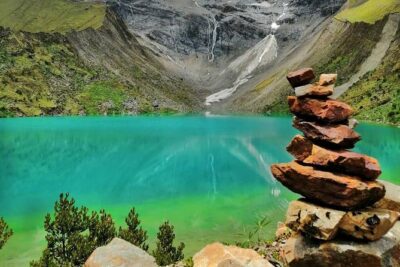
- Humantay Lake comes early: The first morning includes a three-hour uphill hike to a turquoise mountain lake at 4,200 meters.
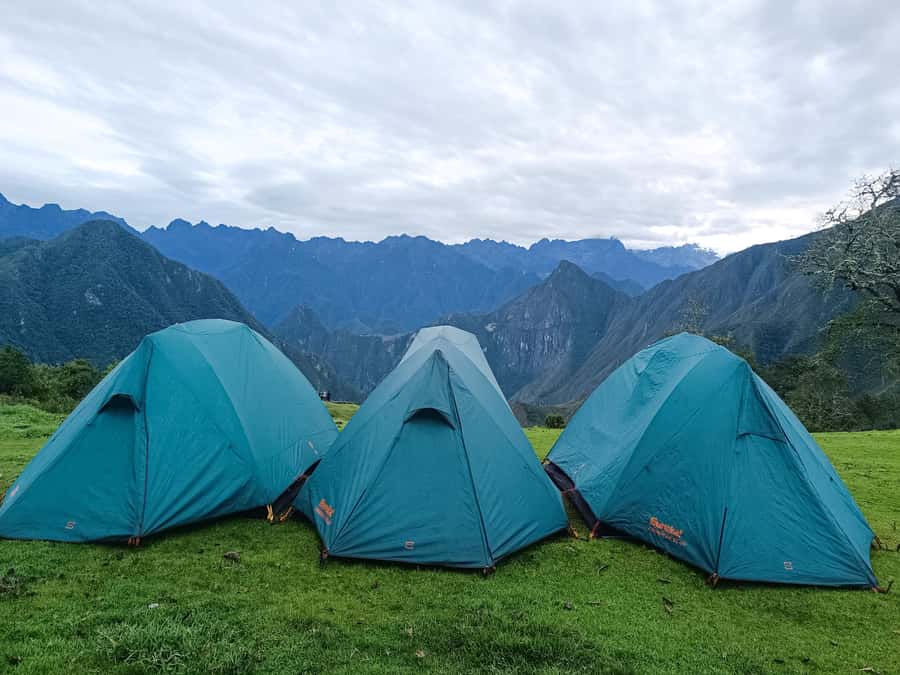
- You sleep in memorable places: One night is in a Salkantay glamp campsite, another near Llactapata with a view toward Machu Picchu, and one in a three-star hotel.
- Food is a major strength: Chefs prepare breakfasts, lunches, dinners, snacks, and multi-dish meals, with vegetarian choices available if requested.
- The group stays small: Up to 16 people, with guides who can adjust the pace and give extra encouragement.
- The final return is comfortable: After Machu Picchu, you ride a Vistadome or 360° panoramic train to Ollantaytambo, then continue to Cusco by private van.
Why this five-day route feels different
The Salkantay route is a fine choice if you want Machu Picchu to feel like the end of a journey, not simply a quick visit from Cusco. You spend four days moving through changing terrain, eating with a support crew, and sleeping in camps that have been placed for the scenery.
At $655 per person, the price covers a great deal: transport from Cusco, entry permits, a professional guide, meals, snacks, water, camping equipment, muleteers, buses to Machu Picchu, a hotel night, and the panoramic train back toward Cusco. You still pay extra for a sleeping bag, trekking poles, an inflatable mattress, and either Huayna Picchu or Machu Picchu Mountain. Even so, the package offers solid value because the expensive transport and major permits are already included.
The experience is run in small groups of no more than 16. That matters on a route with large differences in pace. Guides such as José, Cesar, Roger, Gilbert, and Miguel have been praised for encouragement, organization, historical information, and help with altitude problems. Guide assignments can vary, but the setup gives you a good chance of getting personal attention.
More Machu Picchu and Inca Trail Treks in Peru:
- Salkantay Trek Challenge – 3 Days / 2 Nights
★ 5.0 · 101 reviews - Choquequirao Trek 4 days and 3 nights
★ 5.0 · 81 reviews - Ancascocha Trek To Machu Picchu 4 Days And 3 Nights
★ 5.0 · 77 reviews
Day 1: Humantay Lake at 4,200 meters
Your day begins before dawn, with pickup around 4:30 a.m. from a hotel or Airbnb near Cusco’s historic center. A three-hour drive takes you to Mollepata, where breakfast comes before you meet the trekking team and begin walking.
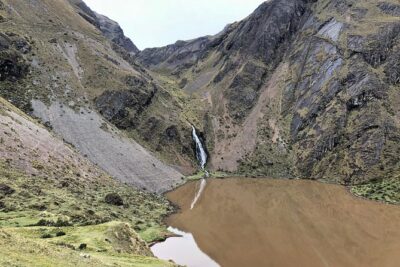
The first major test is Humantay Lake. The three-hour climb is not technically difficult, but the altitude makes every uphill section feel harder. At 4,200 meters, the turquoise water and surrounding mountain walls are a fine reward, but you should not rush. Take short breaks, drink regularly, and follow your guide’s advice about warm layers and sun protection.
After time at the lake, you descend to Soraypampa for lunch. This change from uphill work to downhill walking gives your legs some relief, though the rough trail can still be tiring. The day is not finished yet. A gentler two-hour climb takes you to the Salkantay glamp campsite at about 4,150 meters.
This is a cold, high night, but the campsite adds comfort without removing the mountain setting. You sleep in a roomy tent, have a warm dinner, and can look up at a clear sky if conditions cooperate. A night sky above Salkantay was one of the memorable details repeatedly singled out by people who took this route.
Day 1 is also when altitude problems are most likely to appear. Headaches, shortness of breath, and poor sleep can affect anyone, even fit hikers. Acetazolamide was useful for some people, but medication decisions belong with your doctor. The included oxygen tank and first-aid kit offer a safety net, not a replacement for acclimatization or honest communication with your guide.
Day 2: Salkantay Pass and the long drop to cloud forest
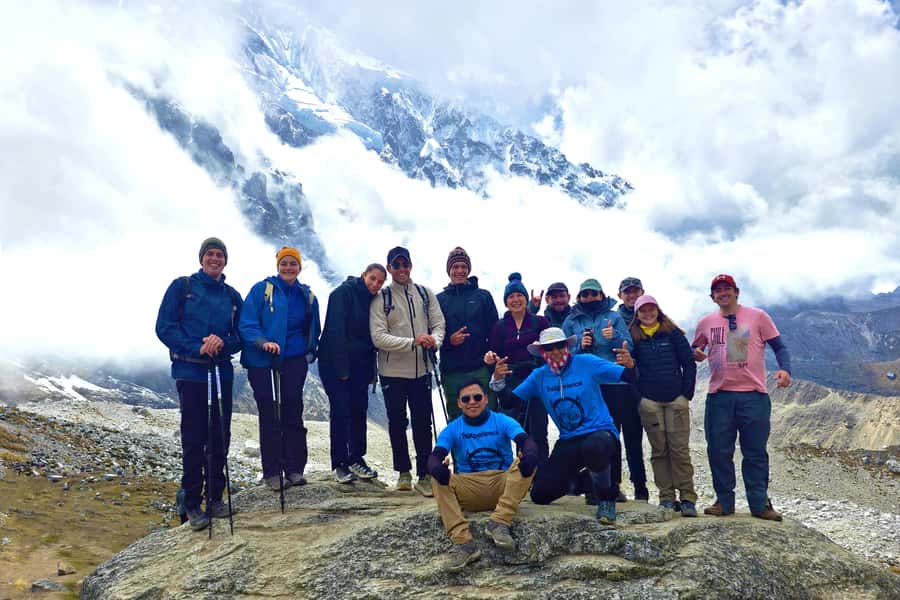
Fresh coffee or coca tea starts the morning. Then you climb toward Salkantay Pass, the highest point of the trek at 4,630 meters.
This is the day to use a steady pace. The pass is a serious climb, and the cold can be sharp. At the top, you get broad mountain views and a stop near a glacial lake before beginning the long descent. It is a powerful change in scenery, but it is also one of the longest and hardest walking days.
Lunch at Wayracmachay breaks up the descent. Afterward, the trail continues downward through several climate zones. Cold highland air gives way to milder, wetter cloud forest, with thicker plant growth and waterfalls along the route.
By evening, you reach Collpapampa at roughly 2,770 meters and sleep in comfortable Andean huts. This is a welcome change after the high campsite. The lower altitude usually feels easier, and the huts provide a more settled night before another full day on foot.
A practical point: the descent can be tough on knees and toes. Good hiking shoes matter, and trekking poles are worth renting if you use them. Poles, sleeping bags, and inflatable mattresses are not included, so arrange those before setting off.
Day 3: Pachamanca, coffee, and your first view of Machu Picchu
Day 3 brings one of the best cultural sections of the trip. After breakfast, you follow trails past waterfalls, plantations, and wooden bridges on the way to Lucmabamba at around 2,000 meters.
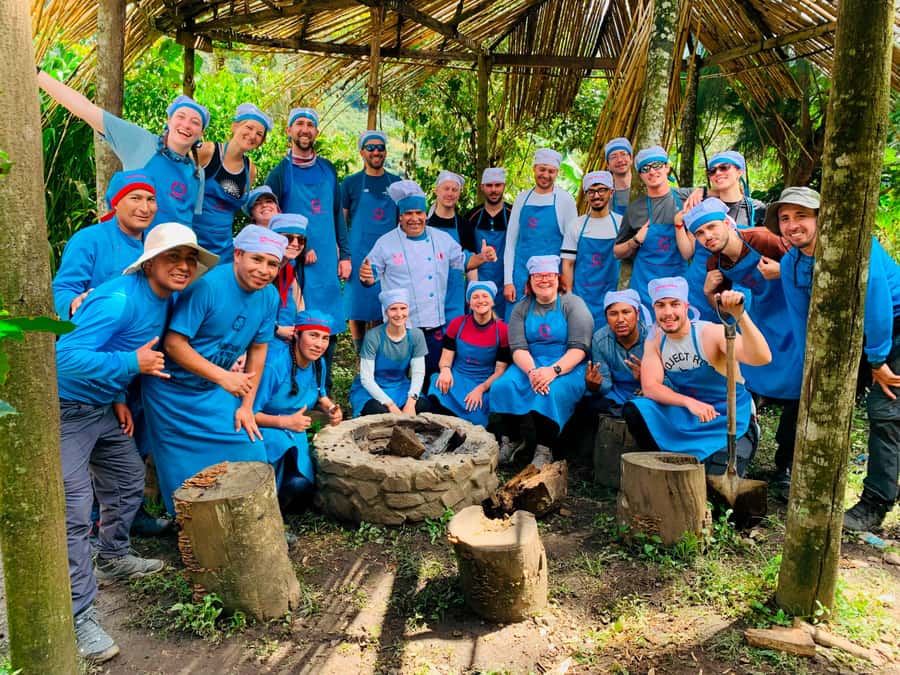
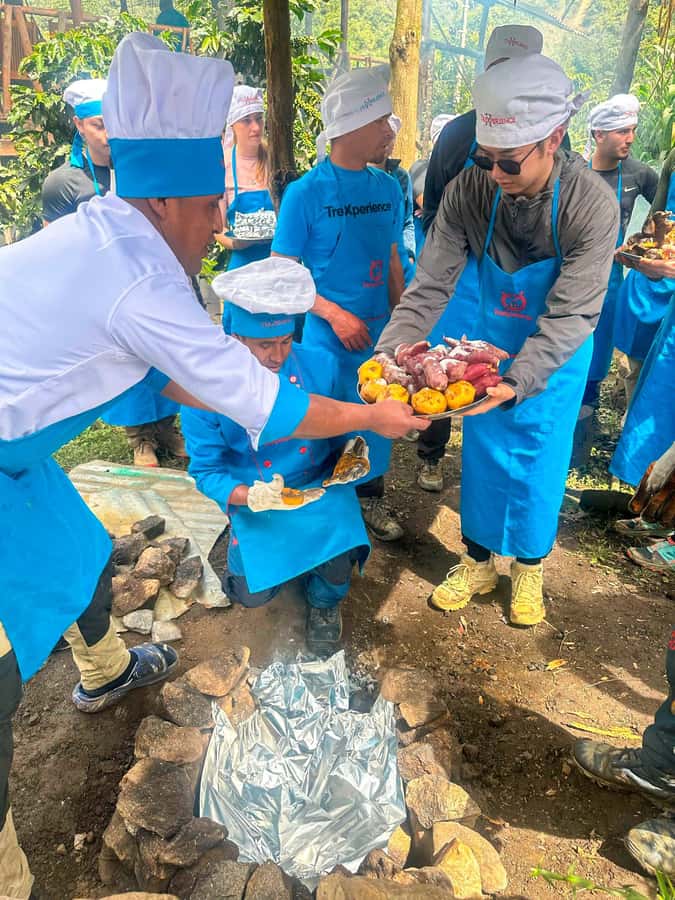
Here you take part in a Pachamanca cooking experience. Pachamanca is a traditional Andean method in which food cooks with heated stones in an earth oven. The meal gives you more than another lunch stop. It connects the route to local food customs and turns the support team’s cooking into part of the day’s activity.
The coffee visit is another strong feature. Lucmabamba is coffee-growing country, and you get to see local production and taste freshly brewed coffee. For many people, this is more meaningful than a quick souvenir stop because it shows how the plants and farms fit into daily life.
The afternoon route follows a section of Inca Trail for about three hours to Llactapata at 2,750 meters. This climb comes after the morning’s walking and meal, so it can feel heavier than the distance suggests. One suggestion from an experienced participant was to do the hike before the Pachamanca meal, which might make the order feel more natural for some groups. The actual schedule can depend on local arrangements.
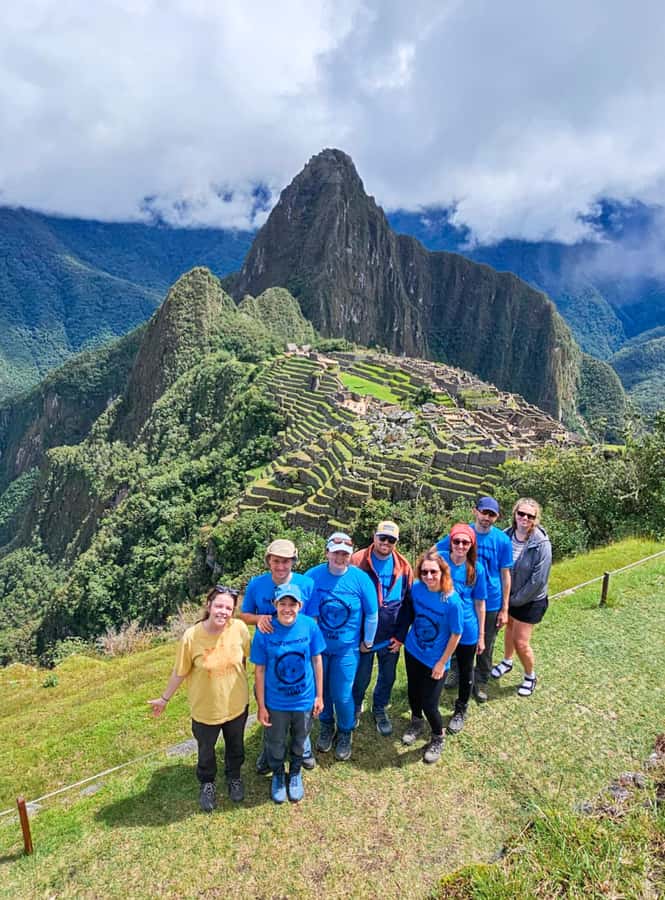
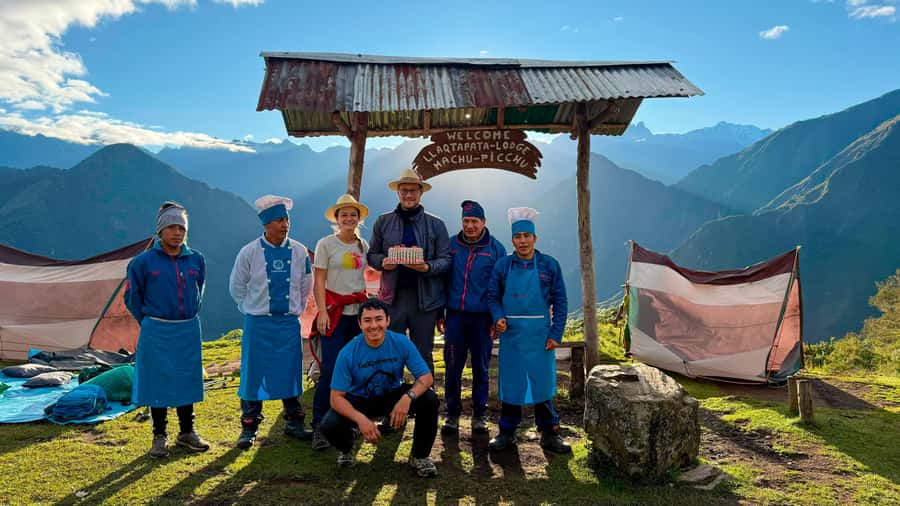
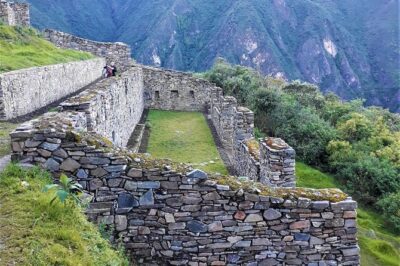
Llactapata is the emotional turning point. You camp with a view toward Machu Picchu, seeing the citadel from across the valley rather than entering it yet. The distant view is less famous than the classic postcard angle, but it makes the next morning feel earned.
More Train Rides around Peru:
- Saint Kitts Train Trek
★ 4.0 · 60 reviews
Day 4: From Llactapata to Aguas Calientes
Wake up with Machu Picchu in view. Coffee is served near the campsite, giving you time to appreciate the setting before a two-hour descent to the hydroelectric station.
At the station, you have a final brunch with the team. From there, the route follows the railway and the Urubamba River for about three hours toward Aguas Calientes. This section is far easier than the pass, but it is still a long walk after several demanding days.
A stop at Mandor Botanical Gardens adds a quieter note. The area is known for birdlife and orchids, so keep your eyes open rather than treating the walk as simple road time. The route itself is not as dramatic as the high mountain sections, but it gives you a close look at the warm forest around Machu Picchu.
In Aguas Calientes, you check into a three-star hotel. This is an important comfort after several nights outdoors. You can explore the town, rest, or visit the hot springs before dinner at a local restaurant.
Do not expect a long evening. The next morning begins early, and the Machu Picchu visit is the main event. Use the hotel night to shower, repack your small day bag, charge batteries, and get your passport ready.
Day 5: Machu Picchu and the panoramic train
After breakfast, you take one of the first buses up to Machu Picchu. An early arrival gives you the best chance of seeing the citadel in softer morning light and starting the visit before the day feels crowded.
The guided visit lasts two to three hours. Your guide explains the main buildings, terraces, and setting, then you have time to explore within the rules of your assigned circuit. Machu Picchu access is controlled, so follow the route printed on your ticket and listen carefully to your guide.
Huayna Picchu and Machu Picchu Mountain are separate options. Neither is included, and both must be booked in advance. Do not wait until the morning of your visit if one of these climbs matters to you.
After returning to Aguas Calientes, you have lunch before boarding the Vistadome or 360° panoramic train to Ollantaytambo. The large windows make the train a pleasant final chapter, with views along the valley as you leave the walking route behind. A private van then brings you back to Cusco, with arrival expected around 7:30 p.m.
This makes Day 5 long. You have an early start, a full visit, a train ride, and a road transfer. It is worth keeping your evening in Cusco free rather than planning anything important.
Meals, camping, and what the price really covers
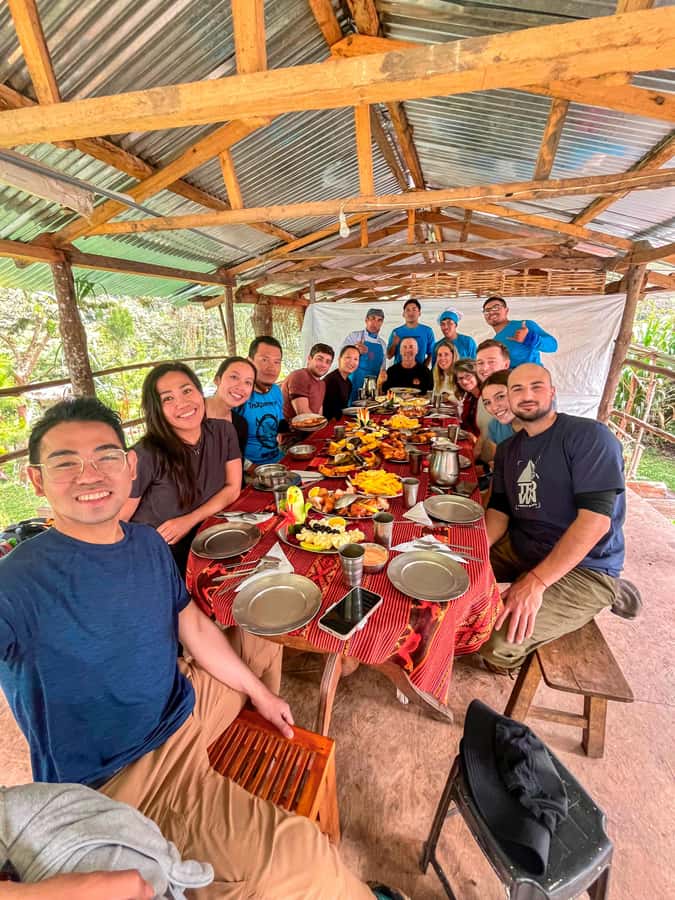
The food is one of the strongest reasons to choose this organized trek. Experienced chefs prepare four breakfasts, three lunches, and three dinners, with snacks and drinking water supplied along the way. Several people praised meals as better than restaurant food in Aguas Calientes, and one group described six to eight dishes appearing at mealtimes.
That level of cooking matters after a high-altitude climb. You do not need to depend only on packaged snacks, though carrying a few personal favorites is still sensible. Vegetarian meals are available if you advise the company when booking.
Your camping gear is partly handled for you. A duffle bag of up to 7 kilograms, or 11 pounds, is carried by muleteers along with camping equipment. You should carry a comfortable daypack no larger than 25 liters, since larger bags cannot enter Machu Picchu.
The package includes a sleeping pad, pillow, rain poncho, and hand towels. You need to arrange a sleeping bag, trekking poles, and an inflatable mattress separately if you want them. Bring warm layers for the high camps, rain gear, hiking pants, sunscreen, insect repellent, toiletries, and a head torch.
The support crew also carries a satellite phone, first-aid kit, and oxygen tank. That is reassuring, particularly on the first two days, but the trek remains physically demanding. It is not a sightseeing tour with a little walking added.
Who should book this Salkantay trek?
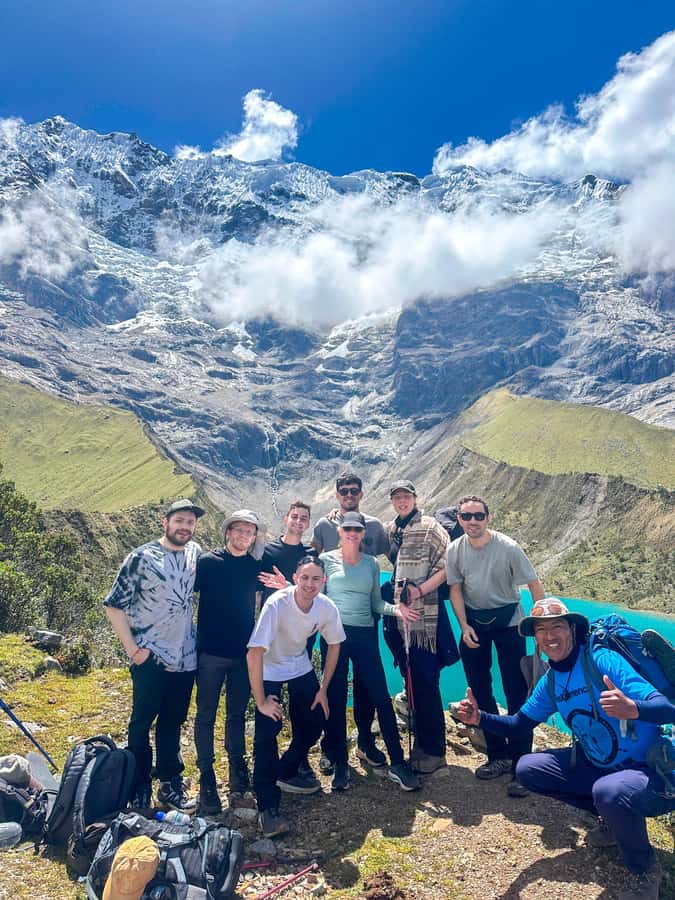
I would choose this trip if you want a full trekking experience but also care about good meals, organized transport, and a comfortable night before Machu Picchu. It suits active people who can manage long walking days and who like changing scenery more than a single dramatic viewpoint.
It also works well for hikers with different speeds. Guides have offered short breaks, hydration reminders, pacing help, and encouragement when someone struggled. One guide even arranged an alternative for a participant who could not complete every walking section. That flexibility is valuable, though you should still be honest about your fitness and medical history.
I would think twice if you dislike early mornings, high altitude, basic camping, or long descents. The tour is not suitable for pregnant women, people with heart or serious back problems, people with mobility impairments, or wheelchair users. Children must be accompanied by an adult.
The non-refundable booking policy also deserves attention. Confirm your dates, passport details, and any mountain add-ons before paying. You need your passport information at booking, and carrying the passport itself is essential.
Final verdict: a strong route for active visitors
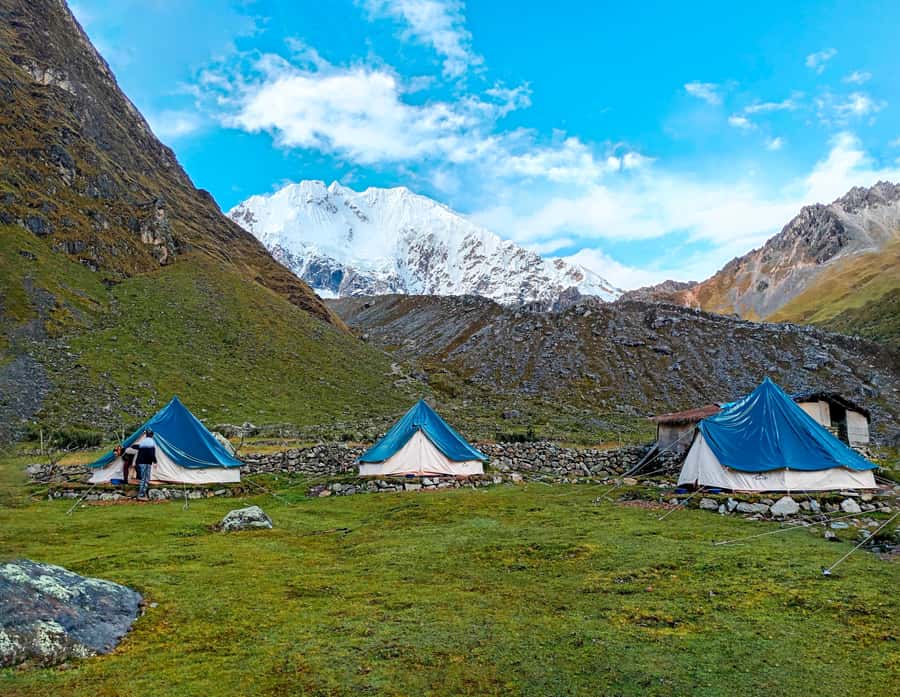
At $655, this is a well-equipped five-day journey with unusually strong attention to food, camp comfort, cultural stops, and transport. The best moments are not limited to Machu Picchu. Humantay Lake, the Salkantay Pass, the Pachamanca meal, Lucmabamba coffee, and the first view from Llactapata give the route a satisfying rhythm.
Book it if you want the challenge and are ready for altitude. Skip it if you want a relaxed visit to Machu Picchu with little physical effort. For the right person, the combination of hard mountain days, caring guides, generous meals, and a panoramic train home makes this a very good value.
FAQ
How long is the Salkantay trek?
The experience lasts five days, including the trek, the Machu Picchu visit, and the return to Cusco.
What time does pickup begin?
Pickup is around 4:30 a.m. from a hotel or Airbnb near Cusco’s historic center.
How high does the route climb?
The highest point is Salkantay Pass at 4,630 meters. Humantay Lake reaches about 4,200 meters.
Is Machu Picchu entry included?
Yes. Entrance tickets for the Salkantay Trek and Machu Picchu are included.
Are Huayna Picchu and Machu Picchu Mountain included?
No. Either mountain requires a separate pass booked in advance.
What type of accommodation is provided?
You spend two nights camping, one night at the Salkantay glamp campsite, and one night in a three-star hotel in Aguas Calientes.
Is food included?
Yes. The package includes four breakfasts, three lunches, three dinners, daily snacks, and water. Dietary options are available if requested at booking.
What train returns to Cusco?
You return from Aguas Calientes on a panoramic Vistadome or 360° train to Ollantaytambo, followed by a private van to Cusco.
Can I rent trekking equipment?
A sleeping bag, inflatable mattress, and trekking poles can be rented. These items are not included in the listed price.
More Five-Day Trips around Peru
- Annapurna base camp trek 5 Days
★ 5.0 · 252 reviews - 5-Day Pearl of Africa Chimps and Gorilla Trekking Safari
★ 5.0 · 52 reviews
Just added around Peru
- Ancascocha Trek To Machu Picchu 4 Days And 3 Nights★ 5.0 · 77 reviews
- Choquequirao Trek 4 days and 3 nights★ 5.0 · 81 reviews
- Full-Day Trek to Humantay Lake from Cusco with Guide★ 4.5 · 66 reviews
- Humantay Lake Full Day Hike★ 5.0 · 75 reviews
- From Huaraz: Hike to the Lagoon 69★ 4.4 · 121 reviews
- Cusco: Full-Day Rainbow Mountain & Red Valley Trekking Tour★ 4.5 · 121 reviews
- Cusco: Rainbow Mountain Tour and Red Valley Hike (Optional)★ 4.7 · 149 reviews
- Salkantay Trek Challenge – 3 Days / 2 Nights★ 5.0 · 101 reviews
Cusco Hiking Tours, side by side.
7 Lakes Ausangate Trek with Breakfast and Lunch
Read our review →
Rainbow Mountain Tour and Red Valley Hike (Optional)
Read our review →
Full-Day Rainbow Mountain & Red Valley Trekking Tour
Read our review →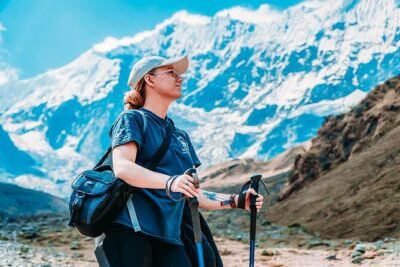
Ancascocha Trek To Machu Picchu 4 Days And 3 Nights
Read our review →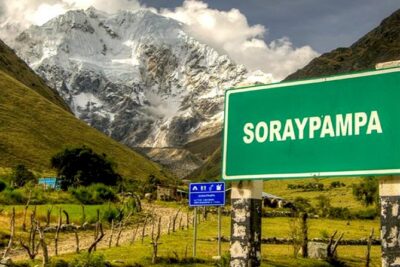
Full-Day Trek to Humantay Lake from Cusco with Guide
Read our review →This walk also sits in