
REVIEW · VIETNAM
Number one top rated ethical cultural trekking and homestay by ETHOS
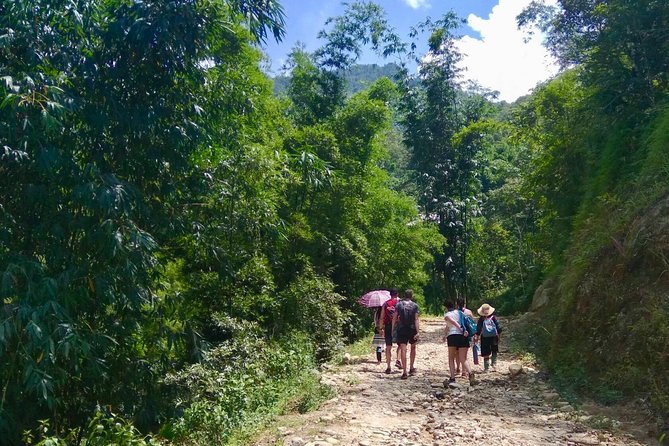
Sapa’s best moments often come away from the town, and this private trek gets you there on foot. You’ll cross rice terraces, village paths, and bamboo forests, then spend the night with a local host family rather than returning to a hotel. I like the personal scale and the chance to learn about Hmong and Dao life from people who live in the valley. I also like the flexible second day, which lets you choose a gentler walk or a more demanding route.
The main caution is the first day’s length: about 14 kilometers, or nine miles, with a steep climb of roughly two kilometers. The route is described as easy in its opening six kilometers, but the terrain remains undulating, and muddy or uneven paths can make the trek feel harder than the distance suggests.
Key points before you book
- A private trek for your group: You travel only with your own party and local guide, with a minimum booking size of two people.
- A real village homestay: The overnight stay gives you time with a host family and includes dinner and breakfast.
- A demanding first day: Expect about 14 kilometers, including an extended steep climb after the opening section.
- Flexible second morning: You can choose the distance and challenge before taking a taxi back to Sapa.
- Strong cultural focus: Guides such as Cha, Ha, Ker, My, and Kae have introduced visitors to local family life, plants, customs, and Hmong and Dao culture.
- Good value at $93.34: The price covers two lunches, dinner, breakfast, water, refreshments, transport, the guide, and homestay accommodation.
Leaving Sapa for the valley
Your morning begins at 8:30 at the ETHOS center on 79 Nguyen Chi Thanh Street in Sapa. This is a useful starting point because you can meet the team, get oriented, and begin the trek without arranging a separate transfer.
The tour is private, so you are not trying to match the pace of a large mixed group. That matters on a route with both easy walking and a serious uphill section. You can ask questions, stop when needed, and spend more time on subjects that interest you, such as plants, village customs, or the daily life of the families you meet.
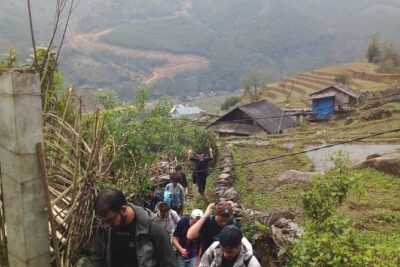
The first six kilometers are described as relatively easy but undulating. That means you should not expect a flat stroll. You’ll be walking through changing ground, with rises and dips that gradually use up your energy. Still, this opening section gives you time to settle into the pace before the harder climb begins.
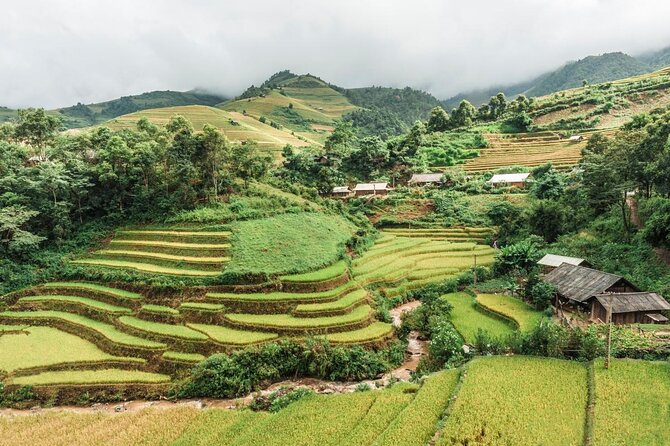
The route passes through rice terraces and traditional villages. These are not simply photo stops. The appeal is seeing how the valley’s scenery connects to local life. The paddies shape the views, while the villages give your guide a setting for explaining family life and regional customs.
More Homestay and Village Treks in Sapa:
- Hanoi – Sapa 2 Days 1 Night Overnight At Homestay
★ 5.0 · 899 reviews - From Hanoi: 2-Day Sapa Trekking Trip with Homestay & Meals
★ 4.8 · 704 reviews - 2-Day Sa Pa Ethnic Homestay Tour & Trek with Limousine Bus
★ 4.8 · 440 reviews
The 2-kilometer climb that sets the pace
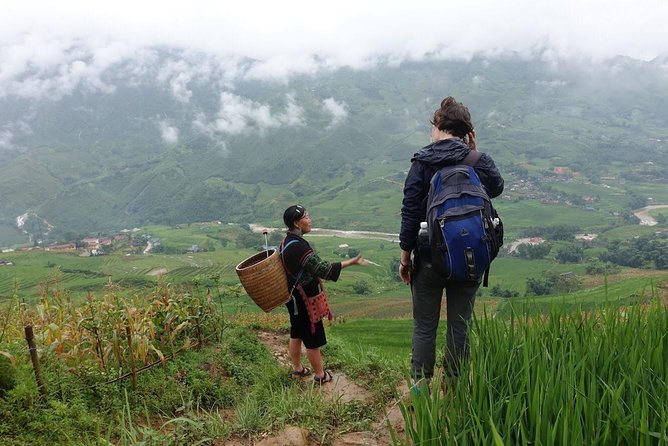
After the easier opening stretch comes a steep climb of around two kilometers. This is the part to take seriously when deciding if the trek suits you. A moderate fitness level is required, and you should be comfortable walking for several hours over uneven, undulating ground.
The tour does not present this as a technical mountain hike, but the climb can still be tiring. You’ll want shoes with a firm grip, light clothing, and enough flexibility in your schedule to stop for rests. The route’s difficulty may also change with weather, which is one reason the experience requires good conditions.
The reward is the shift in scenery as you move through the valley. Bamboo forest, terraces, and village paths replace the more built-up feel of Sapa. The guide can also make the walk more meaningful by pointing out plants and explaining how people use the surrounding area.
Guide quality is central here. Past visitors have worked with guides named Cha, Ha, Ker, My, and Kae, and the strongest part of the experience has been their personal connection to village life. Cha, for example, was praised for explaining local life and hosting visitors warmly. Other guides have introduced families, discussed plants, and explained Hmong and Dao traditions.
Your assigned guide may be different, so do not book based on a promise that one particular person will lead your trip. The important point is the local guiding model. You are not only following a route. You are walking with someone who can help you understand the people and places along it.
Lunch with a host family
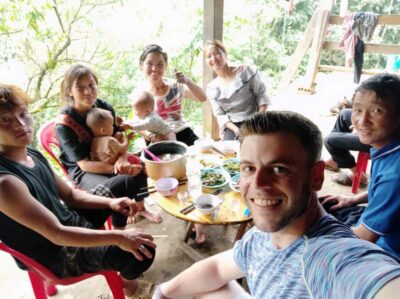
The first day includes lunch with your host family, along with a chance to help cook and share the meal. This is a small but important detail. A meal creates a more natural connection than a quick stop beside a trail, and cooking gives you something practical to do together.
Two lunches are included in the total package, one on each day. Dinner and breakfast are also covered at the homestay, as are water and refreshments. The exact dishes are not specified, so you should not expect a fixed menu or assume that every meal will suit a particular diet unless you confirm it in advance.
The lunch stop also breaks up the long first day. After several kilometers and the steep climb, time with the family gives you a chance to rest before continuing or settling into the evening. It is the sort of pause that makes the trek feel connected to village life rather than like a race from one viewpoint to the next.
What the homestay adds
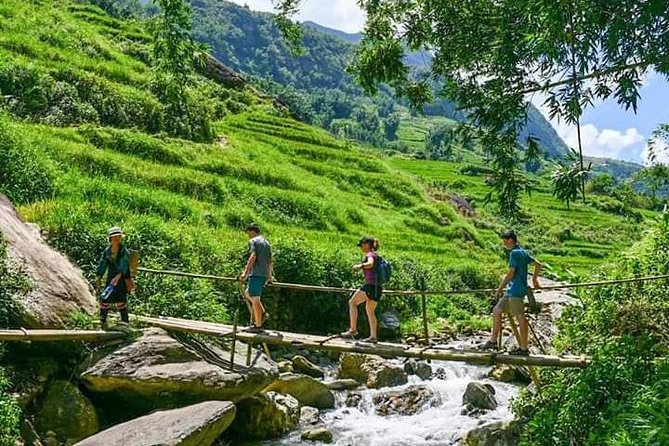
The overnight stay is the heart of the tour. You spend the night with a host family in a village among rice paddies, giving you more time to see ordinary routines and ask questions. The experience is designed around cultural exchange, not just a bed in a rural setting.
Past guests have stayed with families connected to their guides and have valued meeting relatives and seeing how people live. One guide introduced visitors to her family, while another used the homestay to explain Hmong and Dao culture in more detail. These personal links are what separate the trip from a standard valley hike.
Keep your expectations practical. This is a village homestay, not a boutique hotel. The supplied information does not specify room arrangements, bathroom facilities, bedding, or heating, so ask ETHOS about those points if they affect your comfort. The listing confirms homestay accommodation, but not the exact standard at each family home.
That uncertainty is part of the trade-off. You gain a closer look at local life, but you give up the predictable facilities of a Sapa hotel. If you need private hotel comforts, this may not be your best choice. If you value conversation, family contact, and a rural setting, the overnight stay is likely to be the strongest part of the trip.
More hikes and treks around Sapa:
- Sa Pa: Muong Hoa Valley Trek and Local Ethnic Villages
★ 4.6 · 864 reviews - Sapa: Eco Adventure Terrace Fields and Local Villages Trek
★ 4.9 · 636 reviews - From Sapa: 1-Day Guided Trek to Lao Chai & Ta Van with Lunch
★ 4.9 · 416 reviews - Sa Pa Full Day Trekking Tour
★ 5.0 · 414 reviews
A flexible second morning
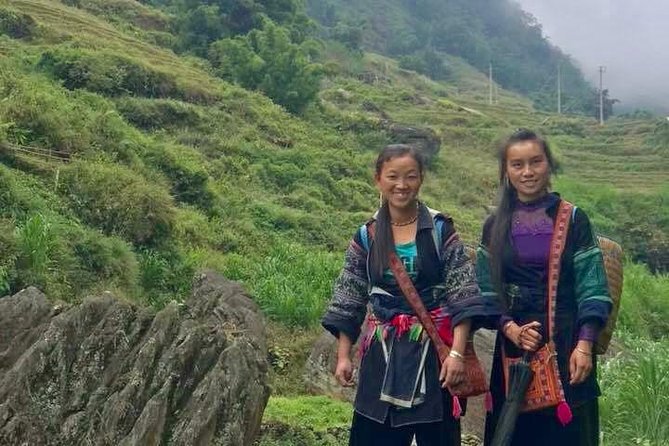
Day two is deliberately less fixed than day one. You continue trekking, but the distance and challenge can be adjusted. This gives you room to respond to how your legs feel after the first day.
That flexibility is valuable. A long first day followed by a fixed demanding route could turn a pleasant outing into a slog. Instead, you can discuss a suitable destination with your guide and spend the morning walking at a level that fits your group.
The second day may be the better time to focus on conversation and scenery. You have already spent an evening with the family, so the morning can continue that connection or shift toward a quieter walk through the valley. The information provided does not name a fixed destination, which means you should clarify the available choices with ETHOS before departure if a specific route matters to you.
In the afternoon, a taxi picks you up and returns you to Sapa. Private transportation is included, which removes the need to arrange your own ride from a rural village. The activity ends back at the ETHOS meeting point.
What the $93.34 price really covers
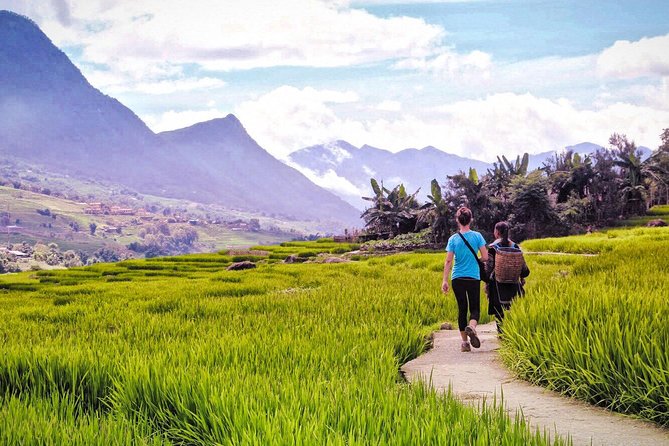
At $93.34 per person, this is not merely a walking tour. The price includes a private guide, homestay accommodation, two lunches, dinner, breakfast, water, refreshments, and private transportation. For a two-day experience with an overnight stay, that package offers solid value, especially if you want local contact rather than a simple scenic hike.
The value also comes from the smaller group format. A private tour usually costs more than joining a large group, but you gain control over pace and discussion. Here, that matters because the route has a long first day and a flexible second one.
The price does not include travel insurance. You should also remember that the trip begins and ends in Sapa, so the cost of reaching Sapa itself is outside this package. The meeting point is near public transportation, but no separate transfer from another city is included in the supplied details.
This is an experience where the social side matters as much as the walking. If you only want dramatic views at the lowest possible price, a shorter group hike may suit you better. If you want meals, an overnight stay, a private guide, and time with a village family, the higher price has a clear purpose.
Who will enjoy this trek most
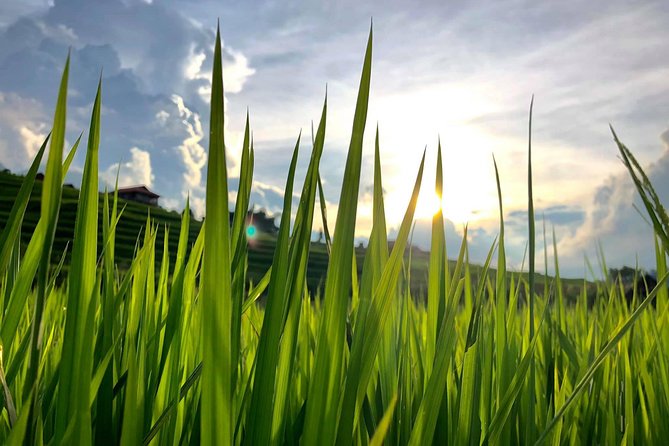
I would choose this tour if you want to understand Sapa through its villages rather than only photograph the terraces from a viewpoint. It is a good fit for couples, friends, and families of at least two people who enjoy walking and want a private pace.
You should have moderate fitness and be ready for a full first day. The distance is not extreme for regular hikers, but the steep climb and changing ground make it more than a casual sightseeing walk. If you dislike hills, uneven paths, or simple overnight accommodation, consider a shorter day tour instead.
The experience also suits people who enjoy asking questions. The best moments may come from conversations with the guide and host family, not from checking off named attractions. Guides have shared local plant knowledge, family stories, village customs, and information about Hmong and Dao communities.
It is less suitable if you need a carefully fixed schedule. The second day is intentionally flexible, and the first day includes a substantial walk. The exact homestay setup is also not described in detail, so comfort-focused visitors should ask questions before booking.
Weather, timing, and practical preparation
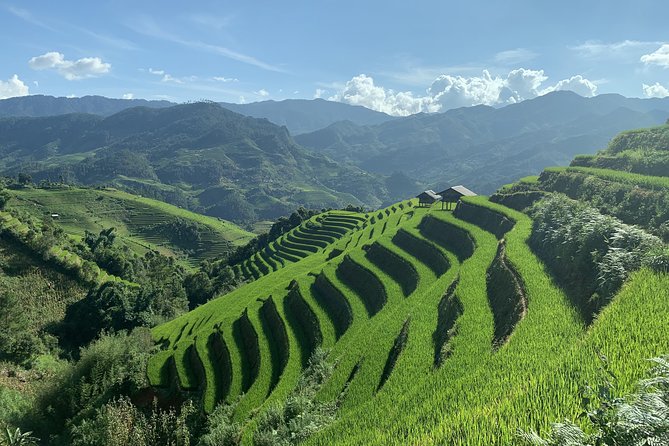
The tour starts at 8:30 in the morning. Set aside about two days, since the experience includes the overnight stay and the return to Sapa by taxi on the second afternoon.
Good weather is required. If poor weather causes cancellation, you are offered another date or a full refund. This is sensible for a route that includes steep and uneven sections, but it means you should leave some flexibility in your wider Sapa plans.
Pack for walking rather than city sightseeing. A supportive pair of shoes is the key item. You should also carry clothing suited to changing mountain weather, though the supplied information does not specify a packing list. Water and refreshments are included, but a small personal day pack remains useful.
Confirmation is received when you book. The activity is private, and the minimum group size is two. The tour is near public transportation, but the listed meeting point is the ETHOS center, so plan to arrive there by 8:30 rather than assuming hotel pickup.
Cancellation is free up to three full days before the start time. Within that period, refunds and changes are not accepted. The cut-off uses local time, so check the timing carefully before making last-minute adjustments.
The ethical side of the experience
ETHOS, or Spirit of the Community, places local people at the center of the trip. That is visible in the structure: local guides, village meals, a family homestay, and direct contact with communities rather than a quick pass through them.
The cultural approach also asks something of you. You should treat the family home as a home, not a staged attraction. Listen carefully, ask before taking photographs, and stay open to customs that may differ from your own. The experience works best when you bring curiosity and respect, not a checklist.
The strongest praise has focused on this personal contact. People have valued learning about everyday village life, meeting families, and reaching paths they would not have found alone. That is the core reason to select this tour over a standard trek.
Should you book it?
Book this ETHOS trek if you want a private, people-centered way to see Sapa and you are comfortable with a long first day, a steep climb, and a simple homestay. The combination of local guiding, family meals, flexible walking, and included transport makes the $93.34 price reasonable for the right kind of visitor.
Think twice if you want hotel comforts, a short and easy walk, or a tightly scripted route. Before booking, ask about the homestay facilities, dietary needs, and the second-day route. For an active visitor who values real village contact over polished sightseeing, this is one of the stronger choices in Sapa.
FAQ
Where does the trek start?
It starts at the ETHOS, Spirit of the Community center at 79 Nguyen Chi Thanh Street in Sapa.
What time does the experience begin?
The start time is 8:30 am.
How long is the tour?
The experience lasts approximately two days and includes one overnight homestay.
How far is the first day’s trek?
The first day is approximately 14 kilometers, or about nine miles.
Is the route difficult?
The first six kilometers are relatively easy but undulating. The route then includes a steep climb of around two kilometers. You should have a moderate level of physical fitness.
What meals are included?
The package includes one dinner, one breakfast, and two lunches, along with water and refreshments.
Is the tour private?
Yes. Only your group participates, and at least two people are required for the booking.
How do you return to Sapa?
On the second day, a taxi pickup in the afternoon brings you back to Sapa, and the activity ends at the ETHOS meeting point.
Just added around Sapa
- Sapa: Private The Most Beautiful Terraced Fields Trekking★ 4.8 · 42 reviews
- Mountain views and villages trek – 1 Day★ 5.0 · 99 reviews
- Mountain views & Rice Terraced Fields Hiking – 2D 1N★ 5.0 · 99 reviews
- Sapa The Hidden Trail Trek 1 Day – Mountain & Rice Valley★ 5.0 · 133 reviews
- In Sapa: 1 Day Mountain Trek, Visit beautiful villages★ 5.0 · 50 reviews
- Trekking Through Rice Terraced Fields – 1Day★ 5.0 · 173 reviews
- Sa Pa: 6-Hours Muong Hoa Valley Trek with Local Ethnic guide★ 4.5 · 178 reviews
- 1 day Fansipan Trekking★ 5.0 · 180 reviews
Homestay & Village Treks, side by side.
2-Day Sa Pa Ethnic Homestay Tour & Trek with Limousine Bus
Read our review →
Sapa 3 Day 2 Night Trekking With Hotel & Homestay
Read our review →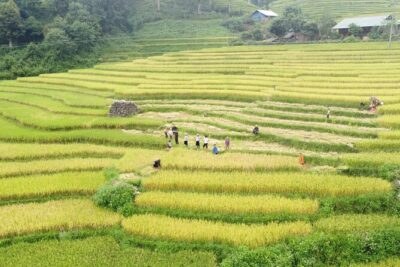
Sapa 2 Days 1 Night Overnight At Local Homestay
Read our review →
The Wild Explorer – 3 days forest trek with homestay and camping
Read our review →This walk also sits in