REVIEW · NEPAL
Everest Base Camp Trek -14 Days
Everest Base Camp is the main event here, but the real story is the steady climb through Sherpa country. You fly from Kathmandu to Lukla, walk beside the Dudh Koshi River, spend acclimatization days in Namche Bazaar and Dingboche, then reach Base Camp and Kala Patthar at more than 17,000 feet.
I like the small maximum group of 12, which gives you a better chance to know your guide and walking companions. I also like that the price covers the awkward essentials: Lukla flights, permits, trekking lodges, full-board meals, and an experienced licensed guide.
The main caution is altitude. This is not a sightseeing stroll, and the itinerary moves into thin air quickly. You should also check the exact hotel and meal arrangements in Kathmandu, since the package information is clearest about services during the trek, not every night before and after it.
Key points to know before booking
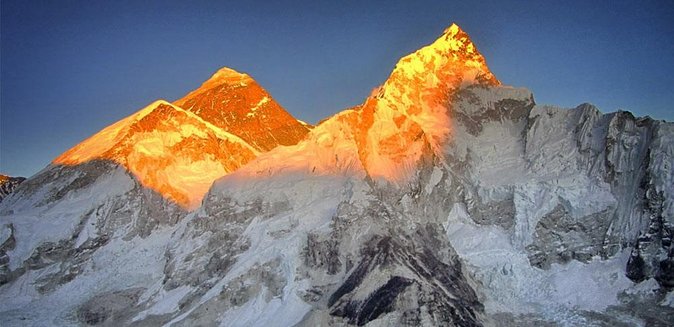
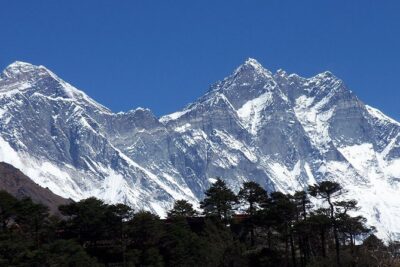
- Kala Patthar provides the sunrise view: The early climb offers wide views of Everest, Nuptse, Lhotse, Pumori, and other Himalayan peaks.
- Lukla flights are included: The return Kathmandu to Lukla flights and departure taxes are part of the package.
- Two acclimatization stops help: Rest days in Namche Bazaar and Dingboche break up the climb and give your body time to adjust.
- Meals are included, but drinks are not: Breakfast, lunch, and dinner are covered during the trek. Water, tea, coffee, snacks, Wi-Fi, and hot showers cost extra.
- The guide is central to the experience: Guides connected with this operation include Dil, Sujal, Nir, Laxman, Ram, Saugat, and Subash. Ask who will lead your departure.
- A porter is optional: You can hire local porter help separately, which may be sensible for a high-altitude trek lasting nearly two weeks.
What the $1,420 price really covers
At $1,420 per person, this is a practical package rather than a luxury Himalayan holiday. You pay for the hard-to-arrange pieces in one go: return flights to Lukla, trekking permits and documents, lodges, meals, a licensed guide, local taxes, and a basic first-aid setup.
I consider that a fair value for a first Everest Base Camp trek. Arranging each piece yourself would mean managing flights, permits, accommodation, meals, and a guide while dealing with altitude and possible changes in mountain transport. The package removes much of that guesswork.
The inclusions have limits. International flights, the Nepal entry visa, meals and accommodation before and after the trek, porter service, drinks, bottled water, hot showers, Wi-Fi, snacks, and tips are not included. Emergency rescue is listed as funded by travel insurance, so you should carry suitable insurance rather than assume rescue is free.
The food is described as full board, with breakfast, lunch, and dinner during the walking section. Expect simple lodge meals rather than restaurant dining. One useful practical point is that the menu may become repetitive over the 11 or 12 trekking days. That is normal on this route, but you should budget for extra drinks and snacks if you need more food between meals.
More Everest Base Camp Treks in Kathmandu:
- Everest Base Camp Trek – 14 Days
★ 5.0 · 1,499 reviews - Everest Base Camp Trekking
★ 5.0 · 485 reviews - Everest Base Camp Trekking – 13 Day
★ 5.0 · 365 reviews
Kathmandu arrival and the flight to Lukla
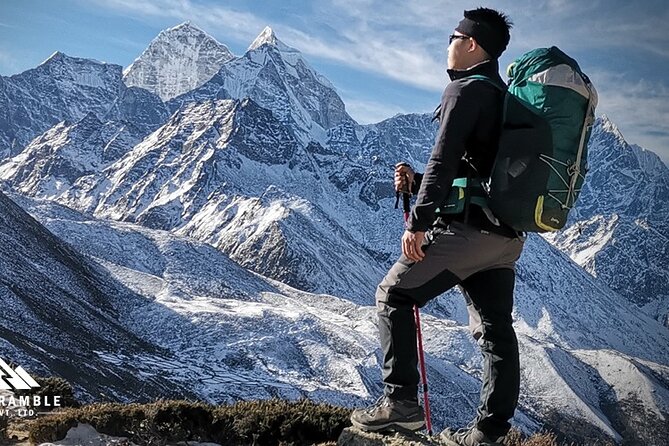
Day one begins with an airport pickup at Tribhuvan International Airport and a transfer to your hotel. This is a welcome convenience after a long international flight, especially if Kathmandu is new to you. The airport reception has included marigold garlands on some departures, and the local team is known for getting people settled quickly.
The itinerary then calls for an early morning flight to Lukla, about 35 minutes. The flight is more than transport. It carries you from Kathmandu into the Khumbu region, where the walking begins at roughly 9,000 feet.
Lukla is the first test of the trip. You meet the guide and support crew, organize your luggage, and begin walking toward the Sherpa villages. The first day on foot includes a short acclimatization period and a walk of about two hours, according to the itinerary.
Ask the operator how flight disruptions are handled before you leave home. The package includes the flights, but mountain flying can affect the schedule. The supplied plan allows little spare time, so this is one part of the booking worth clarifying.
Phakding, Monjo, and the first Everest views
The early walking days follow the Dudh Koshi River through pine forest and small settlements. You cross suspension bridges, pass stone-built villages, and begin to feel the rhythm of the trail.
The route includes the first views of Everest, Kusum Kanguru, and nearby peaks. They are not the grand summit views yet, but they give you a clear sense of where you are heading. The forest also makes this section feel different from the barren high-altitude miles later in the trip.
You pass through places such as Phakding, Benkar, and Monjo. The pace is meant to be manageable, but the trail is not flat. There are repeated rises and descents, and bridge crossings can make the day feel longer than the mileage suggests.
Accommodation is in trekking lodges. These are functional places where you sleep, eat, and gather in common areas. The package promises the best available lodges, but standards vary. A basic room, shared facilities, limited hot water, and extra charges for showers and Wi-Fi are all part of the normal setup.
Namche Bazaar and the first acclimatization day
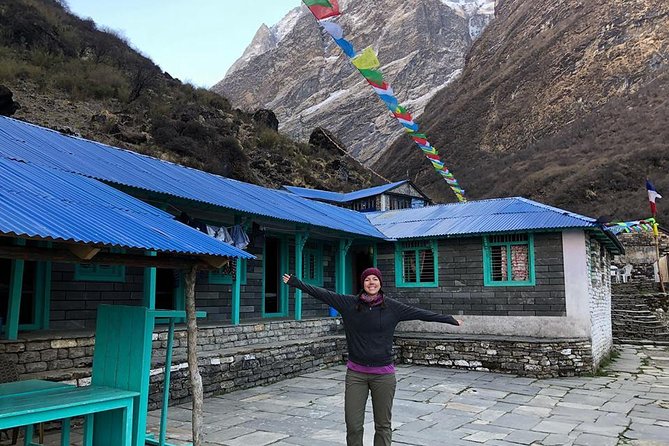
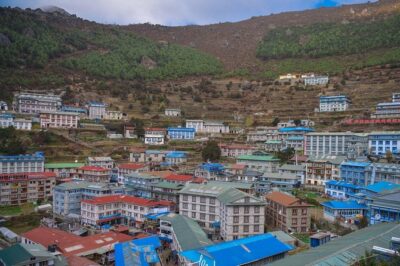
Namche Bazaar is the key early stop. The route climbs toward this busy Sherpa trading town, with a famous descent to the Dudh Koshi followed by a demanding ascent through rhododendron forest.
Namche is important because the itinerary gives you an acclimatization day here. You do not simply stop walking. The plan includes a climb to a lookout for views of Everest, Lhotse, Cholatse, Thamserku, Kwangde, and Ama Dablam, followed by time to rest in town.
I like this arrangement because the view walk gives your body gentle activity without sending you onward too quickly. It also helps you learn how your body responds to altitude. If you develop a headache, nausea, unusual fatigue, or breathing problems, tell your guide early.
Namche is also one of the better places to spend extra money. Water, snacks, hot drinks, and Wi-Fi are not included, and prices rise as you go higher. Buying a few small comforts here can be easier than waiting for the upper villages.
More hikes and treks around Kathmandu:
- Nagarkot Sunrise View and Day Hiking from Kathmandu
★ 5.0 · 471 reviews - Annapurna Circuit Trek with Tilicho Lake
★ 5.0 · 368 reviews - Everest Base Camp Trek
★ 5.0 · 350 reviews - Manaslu Circuit Trek
★ 5.0 · 292 reviews
Tengboche and the approach to Dingboche
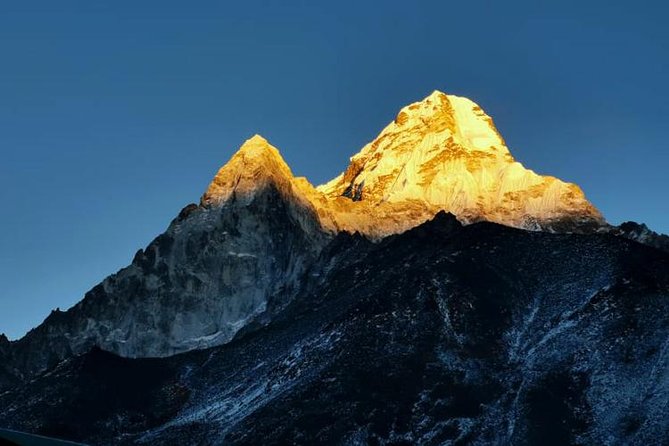
After Namche, you follow what the itinerary calls the high way of Everest. The trail rises and falls through forest, crosses the Dudh Koshi again, and leads toward Tengboche.
Tengboche is one of the memorable stops. Its monastery and mountain setting are especially striking in the early morning, when the surrounding peaks can look sharp and clean. The trail then passes through forest, with views of Ama Dablam and other major summits appearing between the trees.
From Tengboche, the route continues toward Dingboche. As you climb, the forest thins and the air gets colder and drier. You will notice the change in walking speed. A distance that looks modest on paper can take much of the day at altitude.
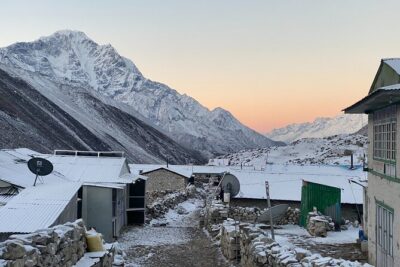
Dingboche is another acclimatization stop, and that rest day is one of the most valuable parts of the itinerary. The village sits among fields enclosed by stone walls, built to protect barley and potatoes from the mountain conditions. You have time to rest, take a short walk, and prepare for the harder days ahead.
Memorials, glaciers, and the final push to Base Camp
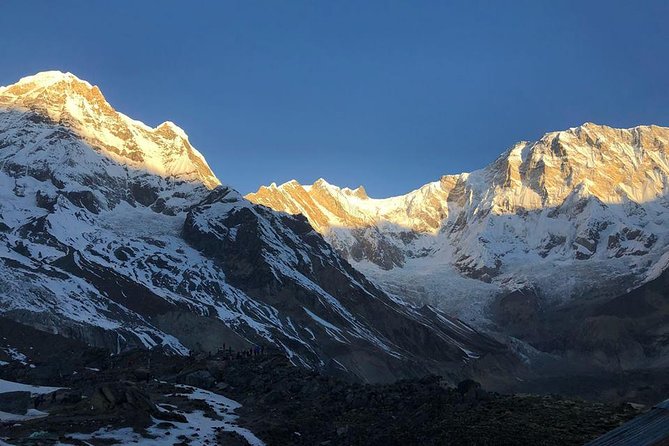
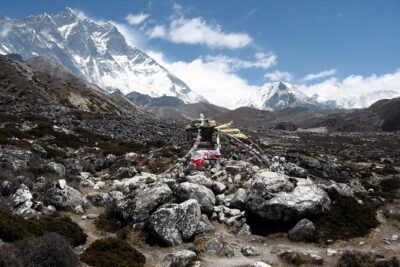
The route from Dingboche rises toward Duglha and then climbs steeply to the ridge at Chukpo Lari. This section includes memorials to climbers who died on Everest. They are quiet, sobering reminders that the mountain is not simply a pretty backdrop.
From there, the trail continues to Lobuche, where the air is thin and the surroundings become more open and severe. You should expect a slow pace, cold conditions, and fewer comforts. This is where proper layers, sun protection, and hydration matter most.
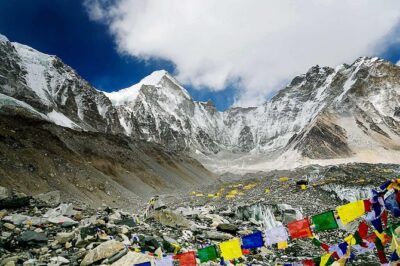
The approach to Base Camp begins from Lobuche. The trail follows the Khumbu Glacier, crosses rocky ground, and climbs onto the lateral moraine. The walking can be uneven, and the glacier terrain makes the day feel more serious than the earlier village sections.
Everest Base Camp sits at 17,598 feet, or 5,364 meters. Reaching it is the emotional high point of the trek, but do not expect to see the summit of Everest directly from Base Camp itself in the same way you do from Kala Patthar. The glacier, moraine, and surrounding peaks create the setting, while the next morning offers the finest broad mountain view.
Kala Patthar at sunrise
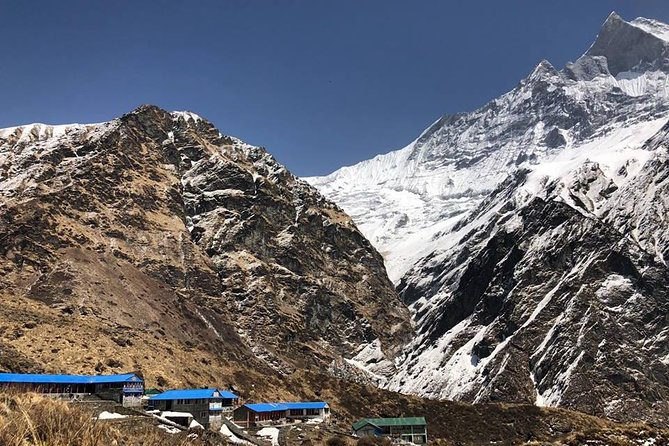
The Kala Patthar climb begins early, often before sunrise. The itinerary describes about two hours of climbing from the lower slopes near Pumori.
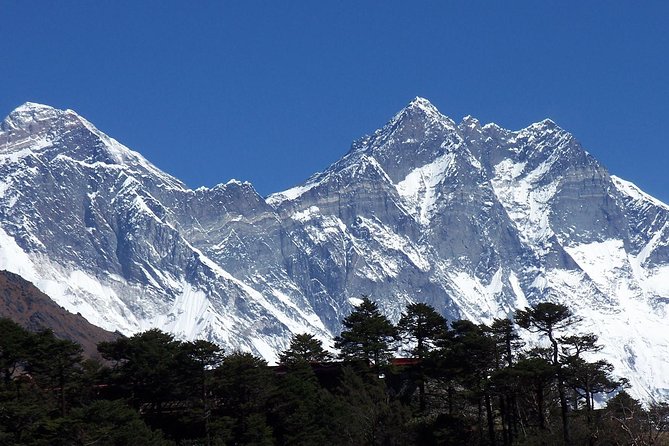
This is the hardest visual reward of the trip. From the top, you can see Everest, Nuptse, Lhotse, Pumori, and other Himalayan peaks in a wide 360-degree panorama. Sunrise turns the mountain faces from gray to gold, but the cold can be intense, so keep your warmest layers ready the night before.
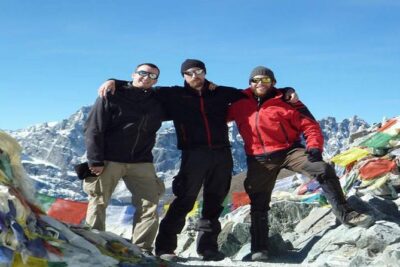
Kala Patthar also tests your fitness and altitude response. You may be tired from the previous day and still need to climb steadily in thin air. The guide’s role matters here. Guides connected with this company, including Ram, Laxman, Saugat, Sujal, Nir, and Subash, have been praised for patience, organization, and close attention to individual needs. Ask about your guide before departure, since the quality of the personal connection can shape the whole trek.
After Kala Patthar, the route turns downhill. That sounds easy, but steep descents can be hard on knees and ankles, especially when you are tired.
The long return through Sherpa villages
The return follows the route back through the high valleys, Dingboche, Tengboche, and the Dudh Koshi corridor. The scenery changes when you walk downhill, and you may notice details you missed on the way up: village fields, mani stones, forest paths, and suspension bridges.
The descent from the upper villages is physically easier for many people, but it is not effortless. Loose ground, long downhill sections, and tired legs can create their own problems. Trekking poles are worth considering, though the package does not list them as included equipment.
The route passes through places such as Jorsalle, Manjo, Benkar, and Phakding before returning to Lukla. This final walking section gives you another chance to enjoy the river, forest, and village life without the same pressure of gaining altitude.
The lodges remain basic, and the same extra charges apply. Keep enough Nepalese rupees available for drinks, showers, snacks, Wi-Fi, and tips. The package includes taxes and official expenses, but gratitude for the guide and support staff is left to you.
Guide support, porters, and group size
A maximum of 12 people is a useful middle ground. You are not walking with a huge crowd, but you still have the chance to meet other people and share the experience. A small group also makes it easier for the guide to notice when someone is struggling.
The guide is a government-licensed professional, and the package includes first-aid supplies plus Diamox in the basic medical kit. That does not replace medical advice or insurance. Ask your doctor about altitude medication before the trek, and do not treat the presence of Diamox in the kit as permission to take it without guidance.
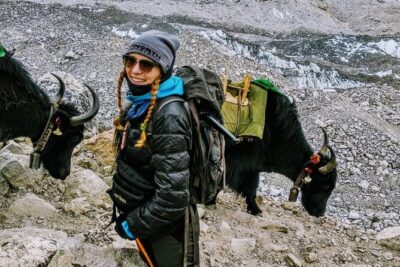
A local porter is not included. You can hire one if carrying your own equipment would make the trip harder. This is a personal decision, but the total length, repeated climbs, and high altitude make porter support worth considering for anyone unsure about managing a full pack.
The company has also handled family groups and solo departures. A guide who is attentive and flexible can make the route easier for teenagers, older walkers, or anyone trekking alone, but you still need moderate physical fitness.
Who should choose this trek
I would choose this package if you want the classic Everest Base Camp route and prefer a single company to arrange the major moving parts. It suits you if you are comfortable with simple lodges, long walking days, cold mornings, and paying extra for basic comforts.
It is a good match for people who want a small group rather than a private luxury trek. It also works well for first-time Himalayan trekkers who would rather have a licensed guide handle permits, flights, lodge arrangements, and route decisions.
I would think twice if you want hotel-quality accommodation throughout, a flexible schedule, or a quiet route. Everest Base Camp is popular, and the approach can feel crowded at busy times. The itinerary also leaves limited room for delays, so ask about contingency plans for Lukla flights and bad weather.
The package is not ideal for anyone with serious doubts about their fitness or altitude tolerance. A moderate fitness level is required, and the highest days are demanding even when the itinerary is well paced.
Final verdict: a solid classic route with practical limits
I would book this trek if my goal were to reach Everest Base Camp and Kala Patthar without arranging every permit, flight, meal, and lodge myself. The $1,420 price is reasonable for the included services, especially the return Lukla flights and two acclimatization days.
Before paying, I would confirm four things: the exact Kathmandu hotel nights, the name of the guide, the policy for flight delays, and the expected porter cost. I would also buy travel insurance that covers high-altitude trekking and emergency rescue.
Alpine Ramble Treks appears best suited to people who value attentive guide support, clear organization, and a small group over luxury. Book it if you want the classic Himalayan experience with the main logistics handled. Pass if you need polished accommodation, private transport throughout, or a generous schedule with built-in delay days.
FAQ
How long is the Everest Base Camp trek?
The experience is marketed as a 14-day trek. The supplied day-by-day plan runs from arrival in Kathmandu through the return flight to Kathmandu on day 13, so you should confirm the exact overnight and departure arrangement before booking.
What is included in the $1,420 price?
The price includes full-board meals during the trek, trekking-lodge accommodation, a licensed guide, return Kathmandu to Lukla flights with departure taxes, trekking documents, Everest National Park and TIMS fees, basic first-aid supplies, government and local taxes, and official expenses.
Are porters included?
No. A local porter is available if needed, but porter service is an extra cost.
Are drinks and Wi-Fi included?
No. Water, hot and cold drinks, coffee, tea, snacks, Wi-Fi, and hot showers are not included.
What level of fitness is required?
The activity requires a moderate level of physical fitness. You will walk for multiple days, climb to Everest Base Camp at 17,598 feet, and make an early ascent of Kala Patthar.
What is the cancellation policy?
You can receive a full refund if you cancel at least 24 hours before the experience begins. Cancellations or changes made within 24 hours are not refunded or accepted.
Just added around Kathmandu
- Kathmandu: Nagarkot Sunrise & Hike with Lunch -Private/Group★ 4.9 · 122 reviews
- 14 Days Private Tour Everest Base Camp Trek★ 5.0 · 105 reviews
- 4 Days Poon Hill Trek★ 5.0 · 94 reviews
- Langtang Valley Trek★ 5.0 · 140 reviews
- Manaslu Circuit Trek★ 5.0 · 184 reviews
- Kathmandu: Dhulikhel to NamoBuddha Day Hike with Lunch★ 4.8 · 62 reviews
- Nagarkot Sunrise View & Day Hiking with Lunch – Private/Group★ 5.0 · 73 reviews
- Nagarkot Sunrise Trip & Day Hike with Lunch from Kathmandu★ 4.5 · 83 reviews