
REVIEW · NEPAL
Kathmandu: 6-Day Limitless Langtang Trek
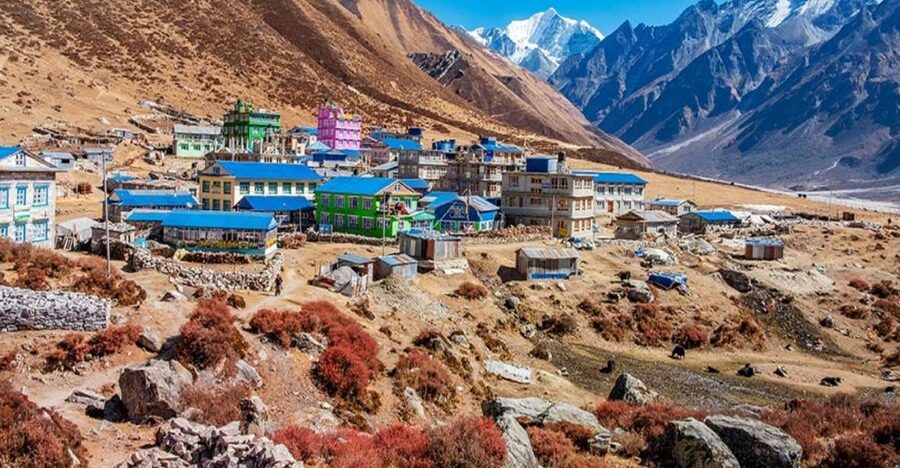
Langtang gives you a real Himalayan trek without the long approach needed for Everest. In six days, you travel from Kathmandu to Syabrubesi, walk beside the Langtang River, pass Tamang villages and monasteries, and reach Kyanjin Gompa at 3,870 meters. The big prize is the high mountain air and broad views from the upper valley.
I like the strong guide support and the chance to see daily mountain life rather than only chase a summit. I also like the route’s range: forests and waterfalls early on, high peaks and a cheese factory near Kyanjin Gompa, then a quiet return by the river.
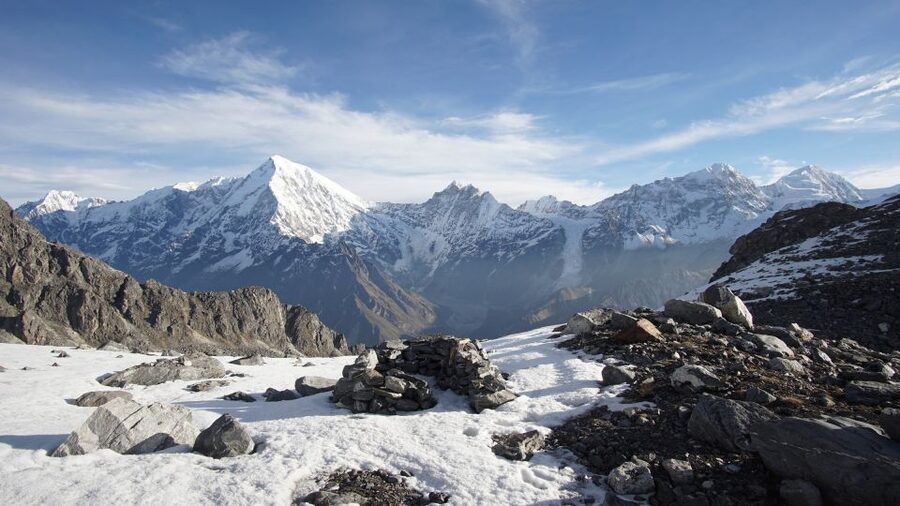
The main caution is the pace. Some days can run to eight hours on steep ground, and the jump in altitude is serious. The Kyanjin Ri option reaches a stated 4,770 meters, so this is a moderate trek only if you prepare well and listen to your guide.
Key points to know before booking
- Kyanjin Gompa is the heart of the trek: You reach a high mountain village with monasteries, a cheese factory, and views of snowy peaks.
- The route suits a short Nepal visit: Six days includes road transfers from Kathmandu and five nights in mountain accommodation.
- Guides receive especially strong praise: Niraj, Bipin, Mahesh Aryal, Dipesh, and Ghanshyam are named for patient, careful support.
- Kyanjin Ri is optional but demanding: The climb adds a serious high-altitude test and can be skipped if your body says no.
- Tamang culture is part of the experience: Village stays, local hospitality, monasteries, and conversations add meaning to the scenery.
- The $181 price is attractive but needs checking: Confirm whether you are booking the full meal package, and budget separately for a porter, drinks, water, showers, and personal costs.
Why Langtang works so well in six days
The Langtang Valley is a smart choice if you want a proper Himalayan trek but have limited time. You do not spend the whole trip walking toward the mountains. Instead, the road from Kathmandu takes you directly toward the trailhead at Syabrubesi, leaving most of your walking days for the valley itself.
The route also changes character as you gain height. You begin with mountain roads, forests, and river scenery. Higher up, trees thin out and the valley opens toward snowy summits. By Kyanjin Gompa, the trip feels properly alpine, yet you are still staying in a village with lodges, a monastery, and a working cheese factory.
I would call the trek moderate with several hard sections, not an easy family stroll. The itinerary describes six-hour walking days, while one detailed account says the actual effort can reach eight hours on steep paths. Your pace, weather, trail conditions, and decision about Kyanjin Ri will matter.
The private-group format is useful here. You are not tied to the speed of a large crowd, and the guide can check how you are coping. That matters in the Himalayas, where a little patience is worth far more than rushing to meet a timetable.
More Langtang and Manaslu Treks in Kathmandu:
- Manaslu Circuit Trek
★ 5.0 · 292 reviews - Manaslu Circuit Trek
★ 5.0 · 184 reviews - Langtang Valley Trek
★ 5.0 · 140 reviews
Day 1: Kathmandu to Syabrubesi, then Pahiro
Your first day begins with a long drive from Kathmandu to Syabrubesi, listed at about six hours. Mountain roads are winding, and the journey is part of the experience rather than a quick transfer. You will see changing countryside and steep hills before arriving at the Langtang trailhead.
From Syabrubesi, you walk for about two hours to Pahiro at 1,550 meters. The trail follows the Langtang River and passes through forest, giving you a gentle introduction to the trek. Pahiro is not a high-altitude destination, but it breaks up the road journey and gets your legs working.
The practical drawback is that this is a long combined travel and walking day. You may feel tired before the trek really begins. Keep your day pack organized, carry water, and make sure your passport, sunscreen, jacket, and medication are easy to reach.
The schedule has a small wording issue: the second day is described as starting from Syabrubesi even though the first night is in Pahiro. Confirm the exact overnight stop and walking plan with the operator before departure. It does not change the appeal of the route, but clear timing helps on a trek.
Day 2: Forest trails and waterfalls to Ghoda Tabela
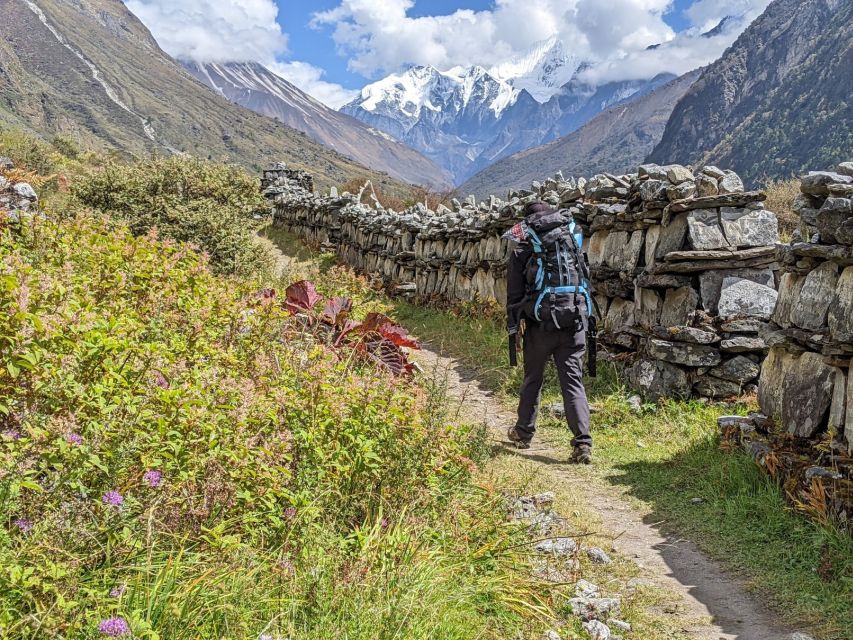
The walk toward Ghoda Tabela rises through lush forest, villages, and waterfalls. This is one of the most varied sections of the trip, with the sound of running water and the Langtang River adding life to the trail.
Ghoda Tabela sits at about 2,900 meters, so this day brings a meaningful gain in height. You will need to pace yourself. The point is not to prove you can walk fast. A steady rhythm, regular water breaks, and a guide who pays attention to your condition are more valuable.
This section gives you a first taste of the traditional mountain settlements along the valley. The villages are not simply scenic stops. They are part of a living Tamang region, and your guide can help explain local customs and answer questions about life in the Himalayas.
Accommodation is described as private and comfortable, but mountain lodging is still basic compared with a Kathmandu hotel. Five nights of accommodation are included, though the exact standard of each lodge can vary. Expect a practical base for sleep and meals, not a resort.
Day 3: Reaching Kyanjin Gompa at 3,870 meters
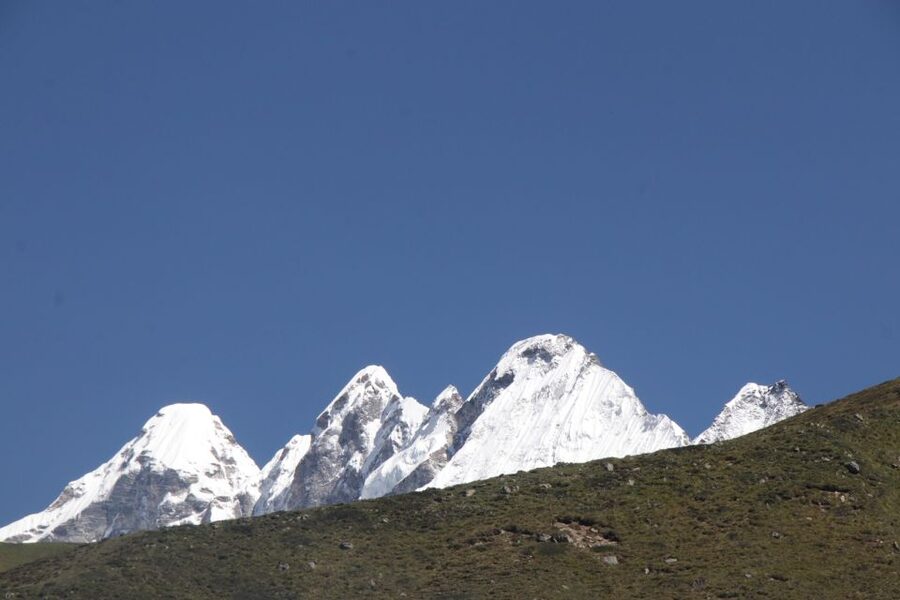
The walk from Ghoda Tabela to Kyanjin Gompa is the dramatic turning point. The valley opens, the mountain views grow larger, and the scenery takes on a colder, higher feel. You are now at 3,870 meters, high enough that altitude deserves your full attention.
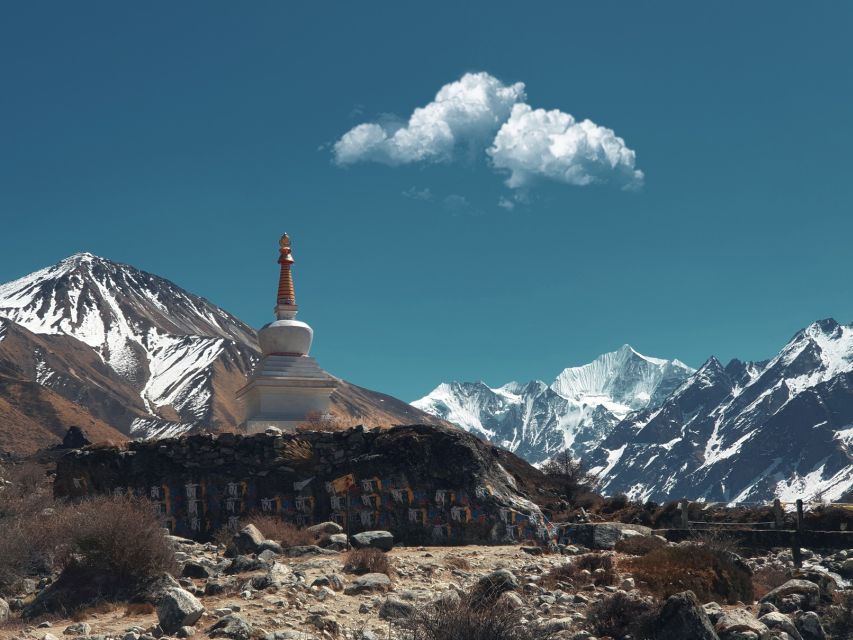
Kyanjin Gompa is more than a place to sleep. You can explore the village, visit monasteries, see the cheese factory, and spend time with local residents. The setting makes this a fine place to slow down rather than simply arrive, eat, and collapse into bed.
The Tamang connection is central to the character of the trek. You see how mountain culture, spiritual practice, and daily work fit together. A good guide adds real value here. Guides named in the experience include Niraj, Bipin, Mahesh Aryal, Dipesh, and Ghanshyam. Their duties go beyond leading the path. They explain the next day, arrange meals, check your comfort, and help you understand what you are seeing.
This is also the day when altitude may become noticeable. Headaches, tiredness, or shortness of breath should not be brushed aside. The supplied itinerary describes the trek as suitable for first-time trekkers, but first-time does not mean unprepared. You should arrive with sensible clothing, good hiking shoes, and a willingness to adjust your pace.
More Six-Day Trips around Kathmandu:
- Kathmandu: 6 Days Langtang Valley Trek with Kyanjin Ri
★ 5.0 · 7 reviews - Singalila Ridge Trek from Darjeeling – 6 Days
★ 5.0 · 56 reviews - 6 Days Serengeti Safari(hiking waterfalls &coffee tour)
★ 5.0 · 48 reviews - 6 day Rainbow Mountain x Ausangate Trek – FlashpackerConnect
★ 5.0 · 30 reviews
Day 4: Kyanjin Ri and the return to Thangsyap
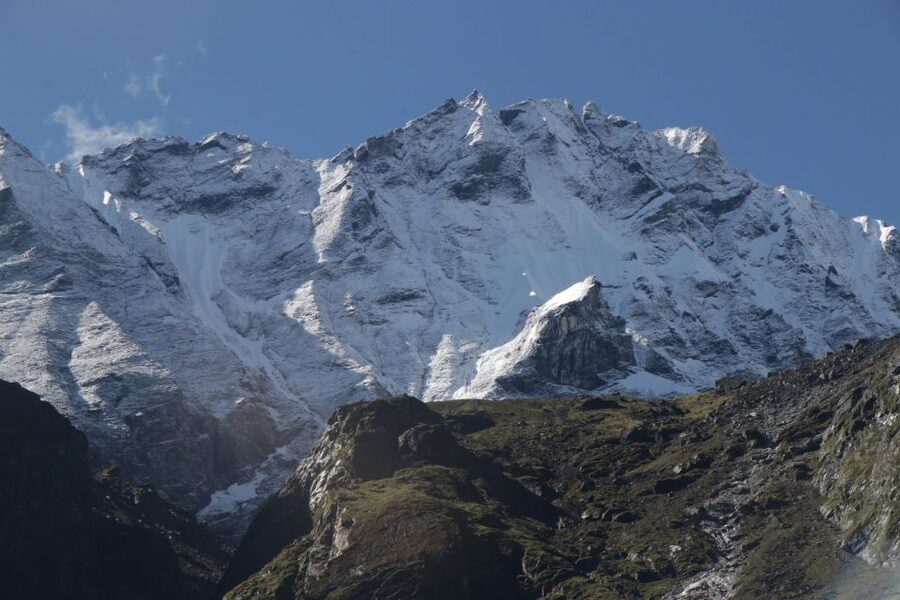
Day four contains the trip’s toughest optional challenge. The plan describes an uphill walk from the Langtang area toward Kyanjin Ri, with the high point listed at 4,770 meters. At that height, the views can be enormous, but the climb is not a casual add-on.
You may start early for better mountain light, though the exact start time is not provided. Ask your guide about the day’s conditions and your own readiness. If you feel strong and acclimatized, Kyanjin Ri can be the day you remember most. If you feel unwell, skipping it is the sensible choice, not a failure.
The itinerary also refers to the peak as a climb toward the black peak of Kyanjin Ri. One account describes reaching about 4,700 meters for sunrise, while the stated route height is 4,770 meters. Treat those figures as approximate and follow the guide’s assessment rather than chasing a number.
After the climb, you retrace the trail toward Thangsyap at about 3,200 meters. That return means the day combines a steep ascent with a long descent. Your knees may notice it. Trekking poles, if you use them, can be helpful, and your day pack should stay light.
The benefit of this arrangement is that you get a high viewpoint without adding another night to the schedule. The cost is a demanding day with no new route on the way back. If your priority is a relaxed cultural trek, enjoy Kyanjin Gompa and treat the peak as optional exactly as intended.
Day 5: Descending beside the Langtang River
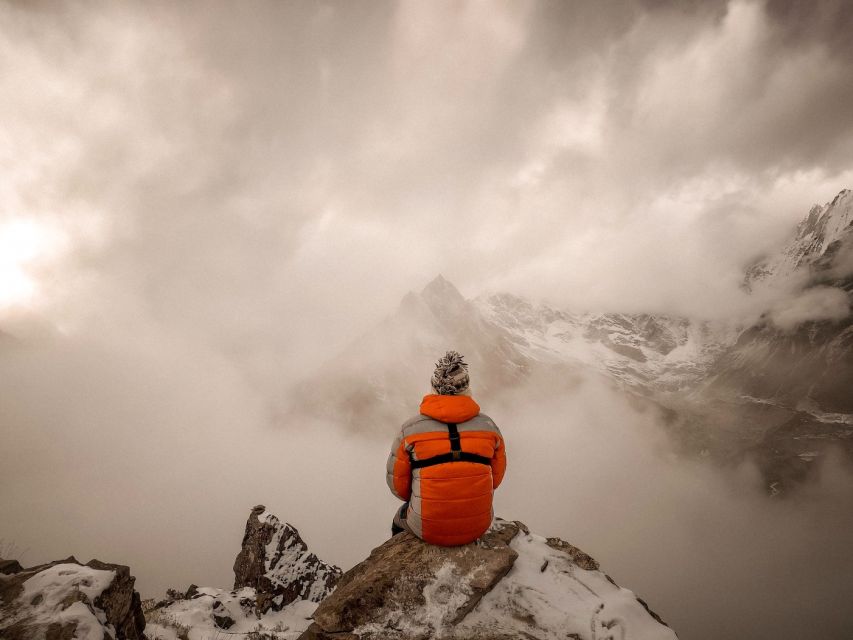
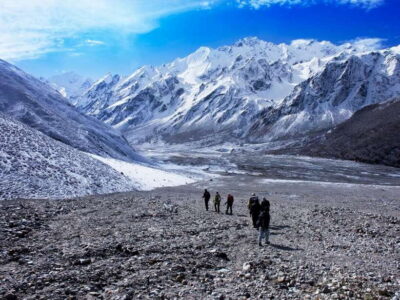
From Thangsyap, you walk down toward Syabrubesi at 1,550 meters. The trail retraces earlier ground, but the return looks different when you know the valley. You will notice the change in vegetation as you lose height, and the river becomes a familiar companion again.
Descending is faster in some ways, but it is not effortless. Long downhills can strain knees and ankles, especially after the Kyanjin Ri climb. Take care on uneven sections, and do not let the lower altitude tempt you into racing ahead.
This is your final full walking day, so it is worth leaving room for the small details: village life, forest sounds, mountain views, and the welcome of the lodges. The trip is strongest when you treat these moments as part of the destination rather than filler between major viewpoints.
You spend the night in Syabrubesi. That gives you a proper end to the walking portion before the drive back to Kathmandu, though the itinerary uses both Syabrubesi and Syafrubesi in its wording. Confirm the exact transport and accommodation details before leaving the city.
Day 6: The road back to Kathmandu
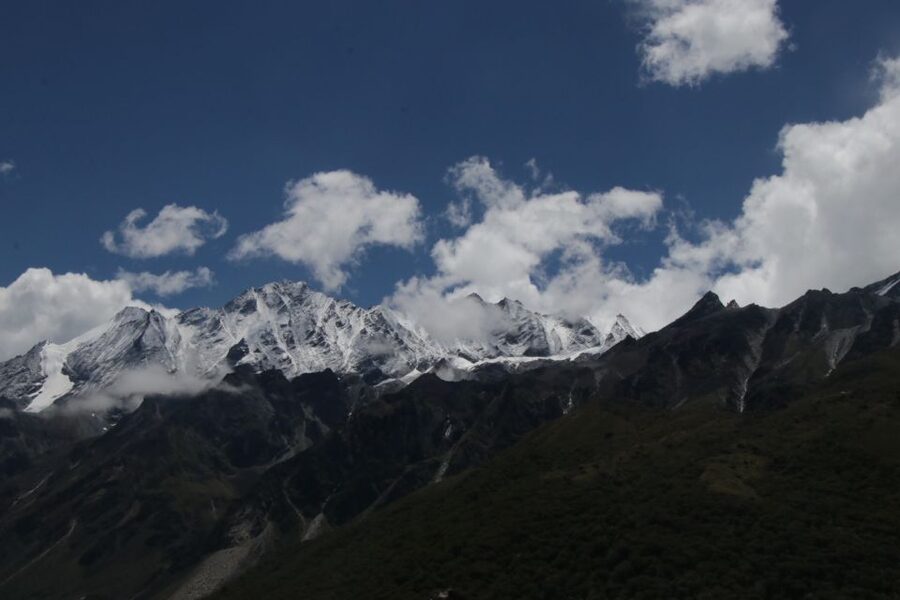
The final day is a shared bus journey from Syabrubesi to Kathmandu. Transportation is arranged according to group size, and the journey can be tiring after five nights on the trail. Still, it gives you time to look back on the valley and let the trip settle in.
The return is not a sightseeing day with a new attraction. Its value is practical: you complete the circuit and return to Kathmandu within the six-day plan. If you have an international flight immediately afterward, build in caution. The package does not cover extra Kathmandu or Pokhara nights caused by an early arrival, late departure, or an early return outside the planned schedule.
Guides, porters, and the human side of the trek
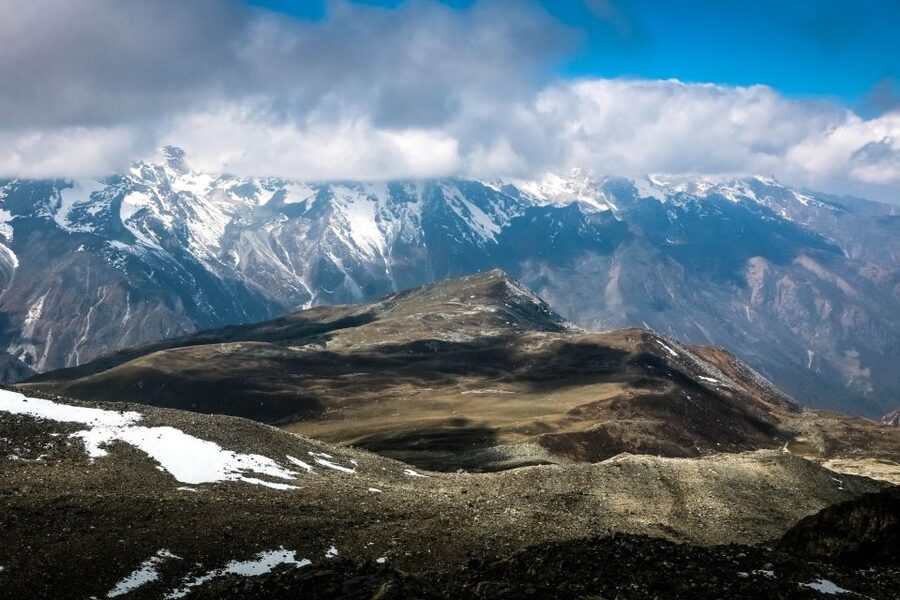
Guide care is one of the strongest reasons to consider this trip. Specific guides connected with the experience include Niraj, Bipin, Mahesh Aryal, Dipesh, and Ghanshyam. The praise centers on patience, friendliness, safety checks, route knowledge, explanations of the next day, and help during difficult sections.
Mahesh Aryal is noted for reviewing the day’s progress and explaining the next plan. He also helped with backpacks when the trail became too hard. Niraj is associated with strong support on a high climb, and Ghanshyam is specifically praised for helping a solo woman feel safe. Those details matter more than a generic promise of an English-speaking guide.
English, Hindi, and Nepali are available. The group is private, which should make it easier to discuss pace and comfort. Porter service is not included in the base price, so arrange and budget for one if you do not want to carry a larger pack.
The included staff costs cover meals, accommodation, salary, equipment, insurance, and transport for the staff. That is different from your porter charge, so read the price breakdown carefully.
What the $181 price really covers
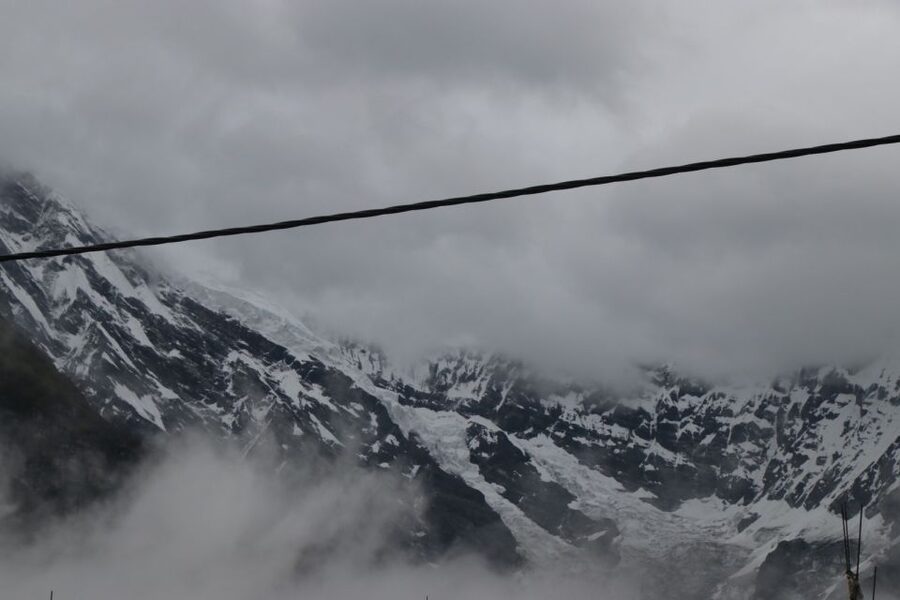
At $181 per person, this is an appealing price for a six-day trek with hotel pickup and drop-off, permits, paperwork, a TIMS fee, government taxes, transport, five nights of accommodation, and guide support.
The key question is the meal plan. Breakfast, lunch, and dinner are included during the trek for the Full Package only. Confirm that your selected $181 option is the full package before paying. Drinks are not included, and personal costs such as bottled or boiled water, showers, laundry, phone calls, battery charging, bar bills, extra porters, and medication are separate.
Travel and rescue insurance is also excluded. You should arrange suitable insurance before going, especially because the route reaches high altitude and includes an optional climb close to 4,770 meters.
The value is best for someone who wants an organized route without paying for a large luxury operation. It is less suitable if you expect private road transport, hotel-style lodges, or every mountain expense to be covered.
Packing for cold nights and changing altitude
The required list is sensible: hiking shoes, jacket, gloves, hat, sunglasses, sunscreen, trekking gear, a towel, flashlight, sleeping bag, and identification.
Warm clothing deserves special emphasis. January conditions can be cold at night, and one account specifically advises bringing warm clothes and medication. Even if daytime walking feels mild, evenings at altitude can be sharp.
Keep your essentials in your day pack:
- Passport or ID card
- Sunscreen and sunglasses
- Gloves, hat, and warm jacket
- Flashlight
- Basic medication
- Towel
- Water and personal snacks
- A sleeping bag
You will need to pay for bottled or boiled water if you choose it. Ask the guide about water options and daily needs. A sleeping bag is listed as something to bring, so do not assume the lodge will provide one.
Who should book this Langtang trek
I would recommend it to a reasonably fit first-time trekker who wants forests, villages, high peaks, and local culture in one compact route. Couples, solo trekkers, and families with older children may appreciate the private format and guide attention, provided everyone can manage long walking days.
It also suits someone who wants more than scenery. The Tamang villages, monasteries, cheese factory, and conversations with guides give the trip a human side. You are not simply collecting mountain photographs.
I would be more careful recommending it to anyone unused to steep walking, anyone uncomfortable with basic mountain accommodation, or anyone hoping for a slow holiday. Pregnant women are specifically advised not to join. Anyone with health concerns should get appropriate medical advice before booking.
The 5 out of 5 score from 21 ratings reflects a very strong experience, especially around guide support and organization. I would still focus on the practical facts: altitude, long walking days, the optional high climb, and the extra costs.
Should you book it?
Book this trek if you want a compact, good-value route into the Himalayas, with a private group, an English-speaking guide, and a strong mix of scenery and Tamang culture. The best part is the progression from river forests to Kyanjin Gompa, followed by the choice of a demanding high viewpoint.
Before booking, confirm three things: the exact meal package, the porter cost, and the day four plan for Kyanjin Ri. If you accept basic lodges, cold nights, shared transport, and a few hard walking days, this is a rewarding way to experience Langtang without committing to a much longer trek.
FAQ
How long is the Langtang trek?
The experience lasts six days, including the drive from Kathmandu to Syabrubesi and the return drive to Kathmandu.
What is the highest point on the itinerary?
The optional Kyanjin Ri climb is listed at 4,770 meters, or 15,649 feet. Kyanjin Gompa itself is at about 3,870 meters.
Is Kyanjin Ri included for everyone?
The climb is optional because it is considered difficult for some people. You can discuss your condition and pace with your guide.
What languages do the guides speak?
Guides are available in English, Hindi, and Nepali.
Is the trek suitable for first-time trekkers?
It is described as suitable for first-time trekkers, families, couples, and solo adventurers, but you should be ready for steep paths and walking days that may reach eight hours.
Are meals included?
Breakfast, lunch, and dinner during the trek are included with the Full Package only. Drinks and several personal food and drink costs are not included.
Is a porter included in the price?
Porter service costs extra. The guide and staff arrangements are included, but you should budget separately if you want a porter.
What happens if I need to cancel?
You can cancel up to 24 hours in advance for a full refund. The activity also offers a reserve-now, pay-later option.
Just added around Kathmandu
- Kathmandu: Nagarkot Sunrise and Hike Tour to Changu Narayan★ 4.7 · 151 reviews
- Pokhara: 2 Day Ghorepani & Poon Hill Private Trekking★ 4.9 · 8 reviews
- Kathmandu: Nagarkot Sunrise Tour with Day Hike★ 4.7 · 13 reviews
- Pokhara: 5-Day Annapurna Base Camp (ABC) Trek★ 5.0 · 9 reviews
- Kathmandu: Shivapuri Day Hike with Lunch★ 4.9 · 25 reviews
- Kathmandu: 6 Days Langtang Valley Trek with Kyanjin Ri★ 5.0 · 7 reviews
- Kathmandu: 14-Day Everest Base Camp with Kala Patthar Trek★ 4.2 · 21 reviews
- Kathmandu: 10-Day Adventurous Annapurna Circuit Trek★ 5.0 · 25 reviews
Langtang & Manaslu Treks, side by side.
Trekking in Annapurna/Langtang/Everest/Upper Mustang regions
Read our review →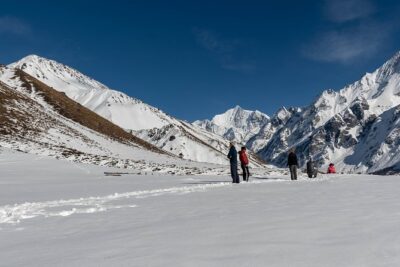
This walk also sits in