
REVIEW · NEPAL
Kathmandu: 10-Day Adventurous Annapurna Circuit Trek
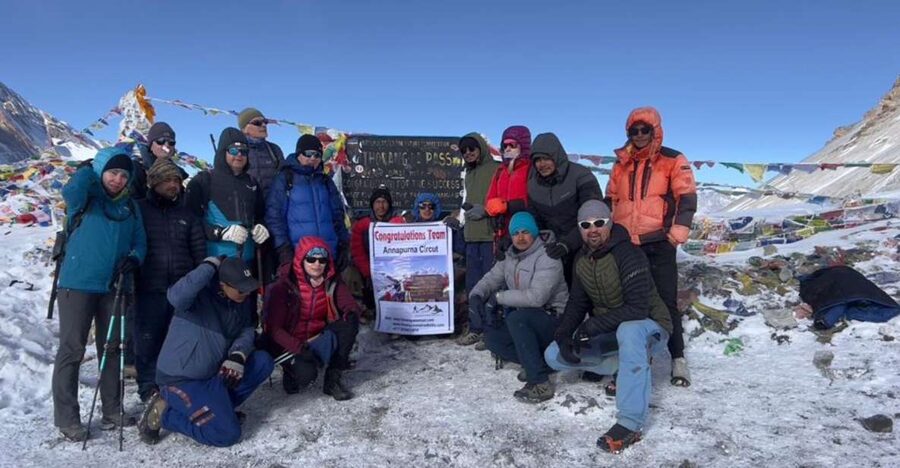
Crossing Thorong La Pass at 5,416 meters is the heart of this 10-day Annapurna Circuit trek. You’ll move from forested river valleys to high grazing country, then descend into Mustang’s dry, wind-cut terrain before ending in Pokhara. It is a big mountain trip packed into a short schedule.
I like the careful altitude plan, with an acclimatization day in Manang, and I like the practical support from Himalayan Nomad Treks. Guides including Prakash, Keshab, Mahesh, and Milani have helped people adjust walking days, find comfortable teahouses, and deal with route changes. The main drawback is the pace: a 12-hour pass day and long road transfers demand good fitness.
Key points to know before you book
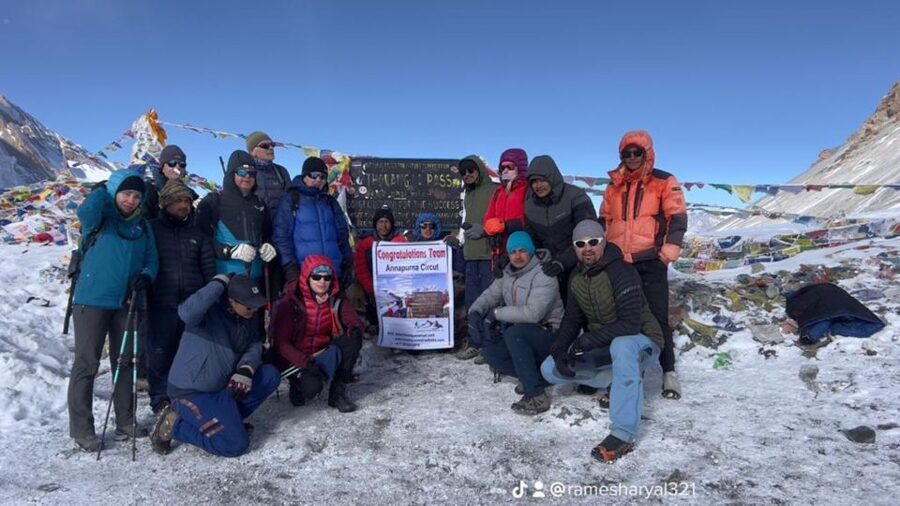
- Thorong La is the main test: The pass reaches 5,416 meters, and the crossing from Thorong Phedi to Muktinath can take about 12 hours.
- The scenery changes fast: Expect forest, suspension bridges, broad high valleys, alpine pasture, snow country, and Mustang’s dry terrain.
- Manang gives you a useful rest day: You’ll spend Day 5 acclimatizing instead of gaining more height.
- Transport is part of the adventure: You’ll take a bus from Kathmandu to Besisahar, a shared Jeep to Dharapani, and a bus from Jomsom to Pokhara.
- Support is built into the price: Permits, guide costs, staff expenses, nine trek nights, Pokhara lodging, and listed transport are included.
- Porters cost extra: Your guide is included, but you’ll need to carry your own trekking load unless you arrange a porter separately.
Why this Annapurna Circuit feels so varied
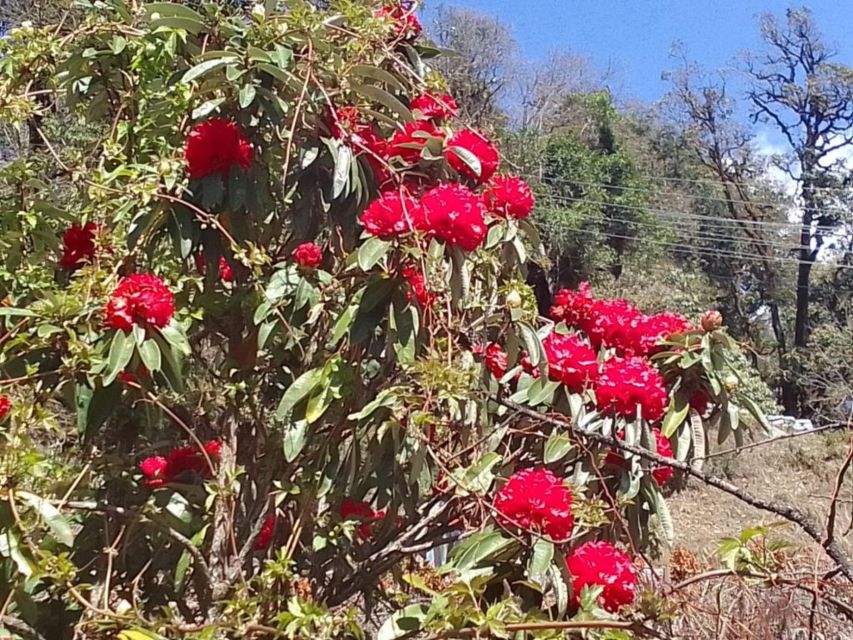
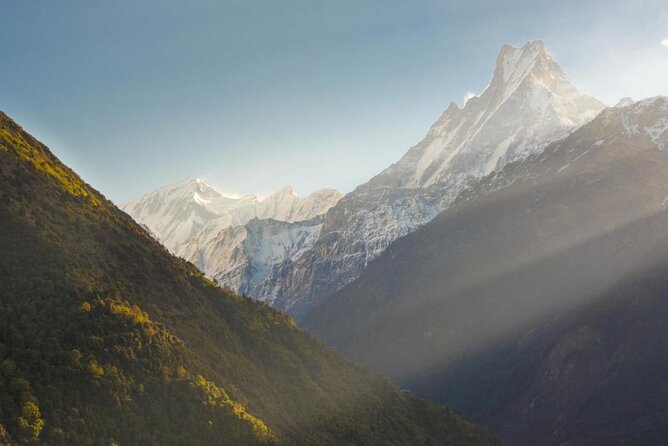
The Annapurna Circuit is appealing because the scenery changes almost every day. You don’t spend the whole trek looking at one type of mountain view. The route starts with green hills and river valleys, climbs through pine and forest country, reaches the stark high Himalayas, then drops toward Muktinath and Jomsom in the dry Mustang region.
That variety gives the trek a strong sense of progress. You can see the climate changing as you gain altitude. Villages also feel different from one another, with local customs, mountain farming, Buddhist and Hindu religious sites, and simple teahouses shaping the route.
The price is $467 per person. For a 10-day guided trip, that is good value if you want the main logistics handled. The cost covers permits, government fees, guide insurance, staff expenses, trek accommodation, transport listed in the schedule, and a hotel night in Pokhara. Full-package bookings also include breakfast, lunch, and dinner during the trek.
You still need to budget for drinks, bottled or boiled water, showers, phone use, laundry, charging, personal purchases, extra porters, insurance, and Nepal’s visa fee. Travel and rescue insurance with high-altitude coverage is especially important. The low headline price does not mean the trip is all-inclusive.
More Annapurna Treks in Kathmandu:
- Annapurna Circuit Trek with Tilicho Lake
★ 5.0 · 368 reviews - Annapurna base camp trek 5 Days
★ 5.0 · 252 reviews - 14-Day Private Annapurna Base Camp Trek
★ 5.0 · 180 reviews
Day 1: Kathmandu to Dharapani by bus and shared Jeep
The first day is mostly transport, with about 10 hours on the road. You’ll take a bus from Kathmandu to Besisahar, then continue toward Dharapani in a shared Jeep.
This is not a gentle sightseeing transfer. Road travel in the hills can be tiring, and the shared Jeep means you will not have the same control over stops or space as you would in a private vehicle. A private vehicle is available at an extra cost, which could be worth considering if you value comfort or have a larger group.
Still, the drive gives you a useful first look at the changing countryside. By the time you reach Dharapani at about 1,800 meters, you’ll have traded Kathmandu’s urban setting for a mountain village and a much more active trekking rhythm.
You’ll sleep in Dharapani. Since this is the start of the walking section, keep your daypack ready and your heavier luggage organized. Luggage storage is available, so you can leave items behind if they are not needed on the trail.
Day 2: Dharapani to Chame through forest country
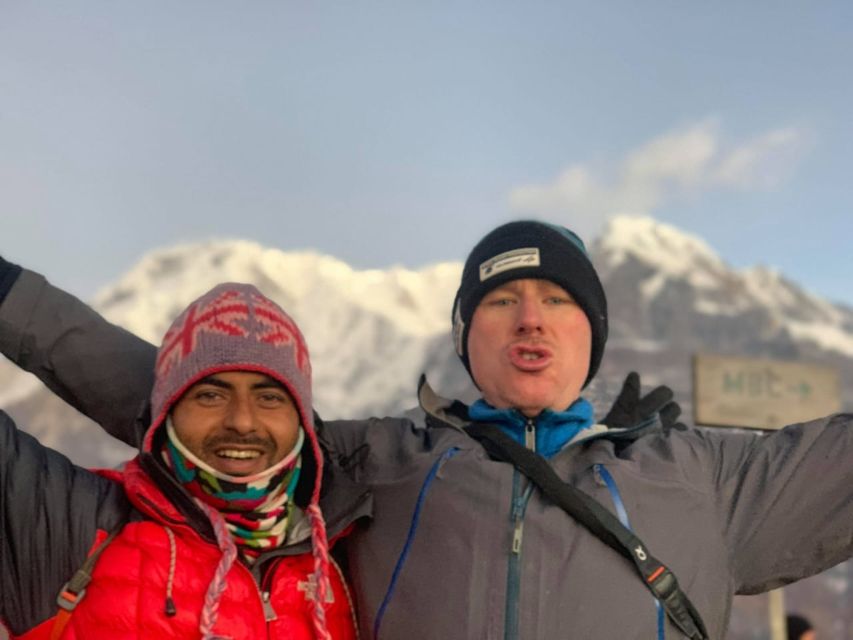
The six-hour walk to Chame takes you through forest, across suspension bridges, and steadily uphill to about 2,670 meters. This is a useful introduction to the demands of the trek without yet reaching the most exposed high-altitude country.
The changing scenery is the point here. You’ll notice the air becoming cooler as you climb, while the route continues to pass through inhabited areas and wooded slopes. Suspension bridges add a little excitement, but the main challenge is the steady gain in height.
Chame is a good first trekking stop because it gives you time to settle into the routine: walk, eat, dry clothes, check gear, and sleep. Accommodation is in basic mountain teahouses or guesthouses. Expect comfort rather than luxury, with the charm and limits of village lodging.
Day 3: Chame to Upper Pisang at 3,300 meters
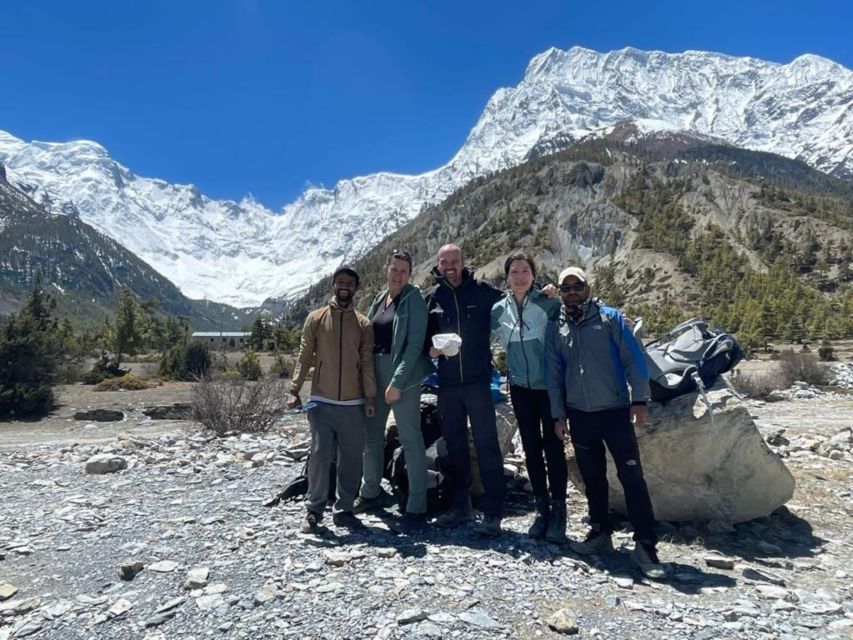
The six-hour walk to Upper Pisang brings you to 3,300 meters and begins to feel like a true Himalayan trek. You’ll see stronger mountain views and a more open setting as the route climbs above the lower forests.
Upper Pisang is a particularly appealing overnight stop because it is a picturesque village with a strong local feel. The program allows time to explore and look around rather than treating the village as just a bed for the night.
At this height, pacing matters. I would keep your steps slow and steady, drink regularly, and tell your guide if you feel unwell. Do not try to prove anything on the first few days. The pass is still several days away, and saving energy is part of the plan.
More hikes and treks around Kathmandu:
- Everest Base Camp Trek – 14 Days
★ 5.0 · 1,499 reviews - Everest Base Camp Trekking
★ 5.0 · 485 reviews - Nagarkot Sunrise View and Day Hiking from Kathmandu
★ 5.0 · 471 reviews - Everest Base Camp Trekking – 13 Day
★ 5.0 · 365 reviews
Day 4: Upper Pisang to Manang and the first big mountain views
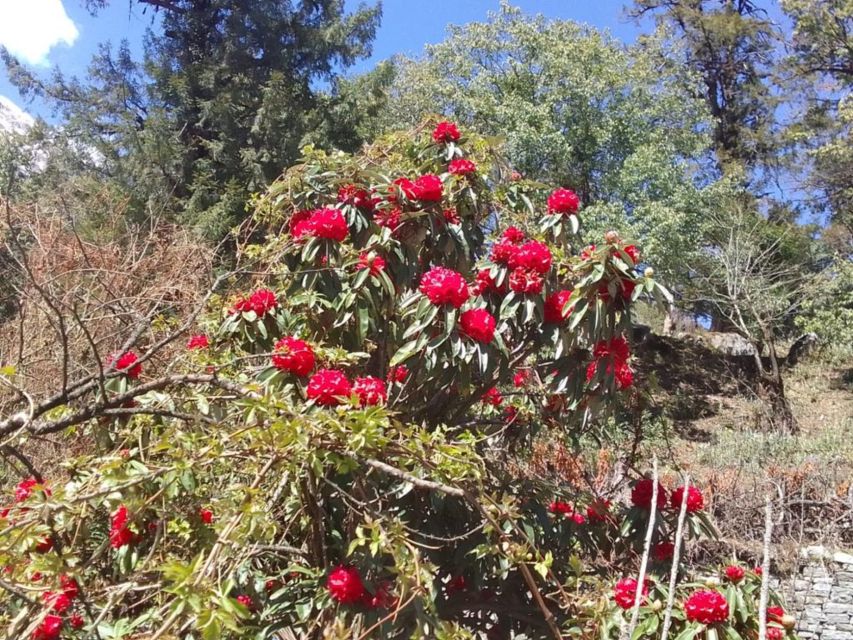
The route to Manang takes about six hours and reaches 3,540 meters. You’ll walk into a broad valley with views toward Annapurna II, Annapurna III, and Gangapurna.
Manang is one of the most important stops on the route. It is not simply another village. It is your main chance to slow down before the high section begins, and it gives you a real taste of life in the upper valley.
This is also where the trip starts to feel more serious. The air is thinner, the nights are colder, and each uphill stretch costs more effort. A guide who watches your pace is valuable here. Keshab, Prakash, Mahesh, and other guides associated with this operation have been praised for explaining route conditions, arranging rooms and meals, and paying close attention to altitude symptoms.
Day 5: A needed acclimatization day in Manang
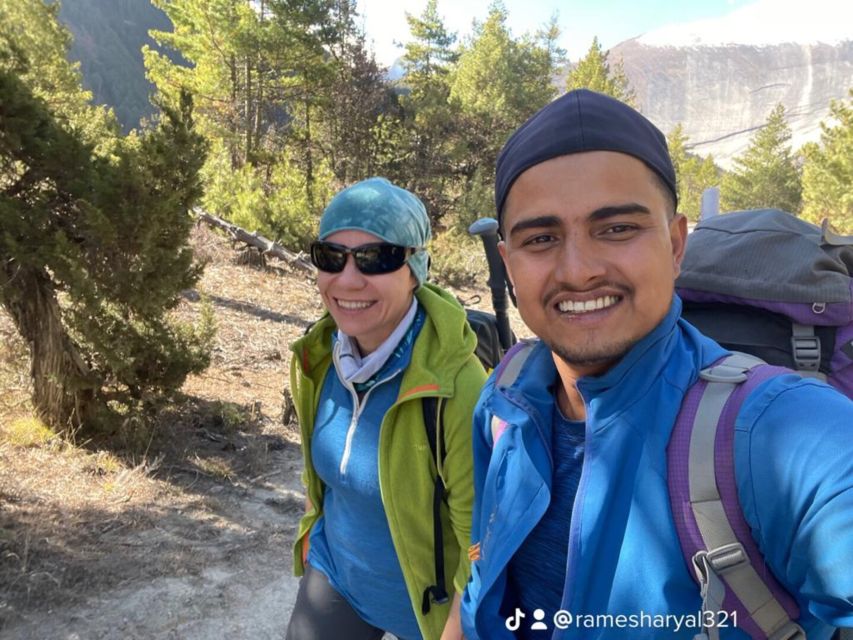
You’ll spend a full day in Manang to rest and adjust to the altitude. This is one of the best features of the schedule. A rushed itinerary might try to remove this day, but that would make the later high section harder and less sensible.
You can explore the village, enjoy mountain views, and let your body catch up with the route. The day is not a free pass to overexert yourself. A gentle outing, food, water, and rest are the useful priorities.
Altitude sickness can affect fit people, so fitness alone does not guarantee an easy crossing. Your guide can help you judge symptoms and decide how quickly to continue. The trip information specifically advises high-altitude insurance, and I consider that essential rather than optional.
Day 6: Manang to Yak Kharka and the alpine zone
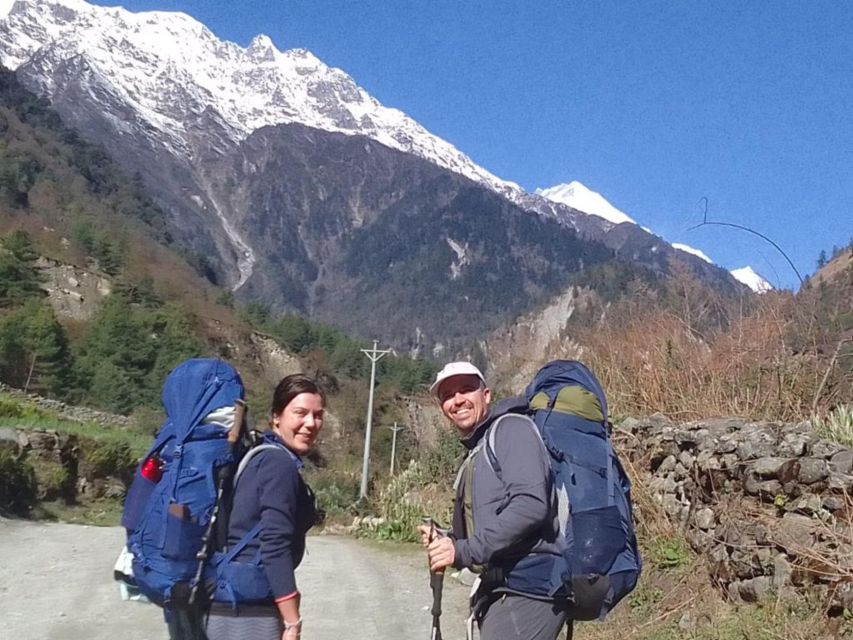
The walk from Manang to Yak Kharka takes about six hours and climbs to around 4,050 meters. The scenery becomes more open and alpine, with grazing pasture surrounded by high peaks.
This is a quieter section of the trek. You’ll feel the reduced oxygen more clearly, and the route may seem demanding even when the distance is not extreme. The right approach is simple: shorten your stride, take regular breaks, and focus on steady progress.
Yak Kharka is a practical overnight stop in high grazing country. Accommodation remains basic. You should expect a warm meal and a place to sleep, but not the comforts of a city hotel. Bring a sleeping bag, warm layers, and a headlamp. A sleeping bag can also be rented in Kathmandu, and the company has helped arrange its return after the trek.
Day 7: Yak Kharka to Thorong Phedi
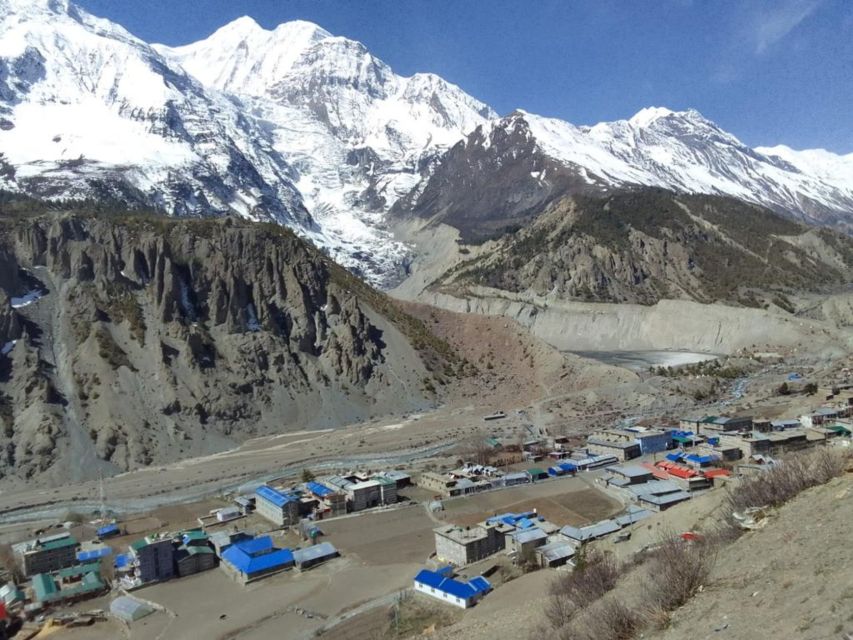
The six-hour walk to Thorong Phedi reaches about 4,450 meters. This is the base area for the pass crossing, so the day has a clear purpose: arrive, rest, and prepare.
The route is high and exposed compared with the earlier days. Your body may feel slow, and the cold can be sharper. Keep your jacket, hat, gloves, water, snacks, and flashlight easy to reach. Pack your daypack the night before so you are not searching for essentials before an early start.
Thorong Phedi is not meant to be a grand destination. It is a staging point for the biggest day of the trek. The best thing you can do here is eat, hydrate, listen to your guide, and sleep as well as the altitude allows.
Day 8: Thorong La to Muktinath, the hardest day
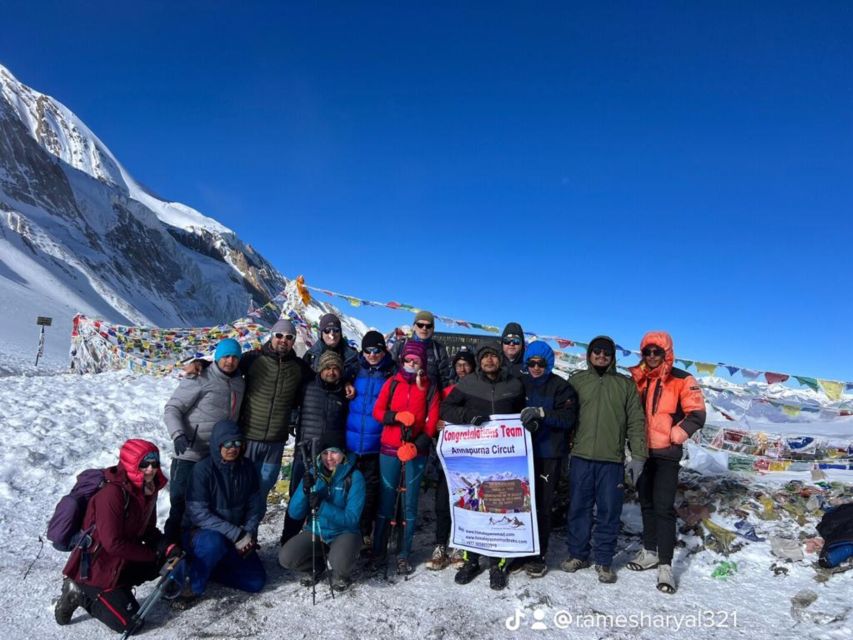
The pass crossing begins early and takes about 12 hours from Thorong Phedi to Muktinath. You’ll climb to Thorong La at 5,416 meters, then descend to Muktinath at about 3,800 meters.
This is the day that defines the trip. The climb is physically demanding because of both the steep route and the altitude. Weather can change quickly in the mountains, with clear sun, rain, or snow possible. Layered clothing, sunglasses, sunscreen, warm socks, sturdy hiking shoes, water, and a headlamp are not minor extras here.
Reaching the pass is a major personal achievement, but the work is not over at the top. The long descent to Muktinath can be hard on tired legs and knees. Follow your guide’s pace and do not rush downhill simply because you have reached the high point.
Muktinath adds cultural weight to the day. It is a sacred pilgrimage site for both Hindus and Buddhists, and the village offers a sharp contrast to the high pass. After a long day in cold mountain country, arriving at a religious site and lower elevation gives the route a memorable finish.
Day 9: Muktinath to Jomsom and the Mustang change
The five-hour walk to Jomsom drops to about 2,720 meters. You’ll notice a dramatic shift toward dry, desert-like Mustang scenery.
This descent is a reward after the pass, but it is not effortless. The route can be windy, and Jomsom is known for strong winds. The scenery becomes more severe and bare, with fewer signs of the forested world you saw near Dharapani.
Jomsom is a useful final walking stop. You can explore the town, rest after the pass, and prepare for the next day’s road journey. It also gives you a sense of how quickly Nepal’s mountain regions can change from humid hills to dry high-country valleys.
Day 10: Jomsom to Pokhara by bus
The final transfer takes about eight hours by bus. You’ll leave the trekking route behind and travel toward Pokhara, with mountain views along the way.
After nine nights in trek accommodation, the included night at Hotel Orchid in Pokhara gives you a welcome change of pace. The plan also includes a farewell Nepalese dinner in Lakeside Pokhara, which is a fitting way to finish the trip.
The long bus ride is worth factoring into your decision. You do not fly out of Jomsom on this schedule. If you are tired after the pass, another full day of road travel may feel long, but it also avoids adding a flight to the program. From Pokhara, a luxury sofa-seater tourist air-conditioned bus to Kathmandu is included as part of the transport arrangements.
Guides, group style, and practical support
This is a private-group trek with a live English-speaking guide. That matters because the guide can set a pace for your group rather than trying to fit you into a large mixed party.
The strongest part of the service is the guide support. Prakash has been singled out for careful organization and altitude advice. Keshab has helped with transport, guesthouses, meals, and itinerary changes. Mahesh has been praised for keeping people informed and comfortable. Bipin has handled route conditions and timely adjustments, while guides such as Suresh, Milani, Jeet, and Silwal have provided local guidance and steady support.
You should not assume the same guide is guaranteed, since the scheduled guide can vary. Still, the operation’s structure includes a guide, staff insurance, meals and accommodation for staff, transportation, equipment, and permits.
A porter is not included in the basic guide arrangement. If you do not want to carry your own main bag, ask about the extra porter charge before booking. Carrying a daypack is still useful, even with a porter, because you’ll want water, layers, sunscreen, snacks, and personal items close at hand.
Food, lodging, and what your $467 covers
The trek uses basic teahouses and guesthouses. I like this style of lodging because it keeps you close to village life, but you should not expect private-hotel standards at every stop. Rooms and facilities can be simple, and hot showers, charging, bottled water, and Wi-Fi-style extras may cost more where available.
Full-package bookings include breakfast, lunch, and dinner during the trek. Dal bhat, lentils and rice, is a sensible mountain meal, and other food choices are available. Drinks are not included, so keep cash accessible.
The $467 price has real value if you want the company to handle permits, paperwork, transport links, guide arrangements, staff costs, trek lodging, and the Pokhara finish. It is less attractive if you expect private transport, a porter, drinks, showers, insurance, or premium lodging to be included. Read the inclusions carefully and ask whether your booking is the full package for meals.
Who should book this trek
I would recommend this route to a fit first-time Himalayan trekker who wants a structured introduction to Nepal. You need to be comfortable with six-hour walking days, steep inclines, basic lodging, long road transfers, and one very long pass day.
It also suits someone who wants more than mountain photos. The route includes local villages, sacred Muktinath, changing food and building styles, and the dry Mustang region. You get a stronger sense of Nepal by walking between communities rather than simply visiting a viewpoint.
I would be cautious if you have limited hiking experience, dislike basic guesthouses, or want a relaxed holiday. The 10-day schedule is efficient, but not leisurely. Pregnant women should not book this activity, and anyone with medical concerns should discuss high-altitude trekking with a qualified professional before committing.
The operator allows cancellation up to 24 hours in advance for a full refund and offers reserve-now, pay-later booking. Those terms provide useful flexibility, but they do not replace travel insurance.
Should you book the 10-day Annapurna Circuit?
Book it if you want the main Annapurna Circuit highlights in a compact, guided package and you are ready for the physical demands. The best reasons are the varied scenery, the Manang acclimatization day, the cultural stop at Muktinath, and the strong guide support built into the arrangement.
Think twice if you want a slow trek, private vehicles throughout, or full control over your lodging. The pass day is long, the first and last road transfers take most of a day, and personal costs add up.
For a prepared walker, $467 offers a practical route through some of Nepal’s finest mountain country. Bring proper boots, warm layers, a water bottle, trekking poles, sunscreen, sunglasses, cash, and a headlamp. Most of all, respect the pace of the mountains. Your legs will thank you by the time Thorong La appears.
FAQ
How long is the Annapurna Circuit trek?
The activity lasts 10 days, beginning in Kathmandu and ending in Pokhara.
What is the highest point of the trek?
The highest point is Thorong La Pass at 5,416 meters, or 17,769 feet.
Is there an acclimatization day?
Yes. Day 5 is a rest and acclimatization day in Manang at about 3,540 meters.
How long is the Thorong La crossing day?
The walk from Thorong Phedi to Muktinath via Thorong La takes about 12 hours.
What transport is included?
The schedule includes a bus from Kathmandu to Besisahar, a shared Jeep from Besisahar to Dharapani, and a bus from Jomsom to Pokhara. A luxury sofa-seater tourist air-conditioned bus from Pokhara to Kathmandu is also included.
Are meals included?
Breakfast, lunch, and dinner during the trek are included for the Full Package option. Soft drinks, alcoholic drinks, bottled or boiled water, and other personal purchases are not included.
Is a porter included?
The English-speaking guide is included, but porter service costs extra.
What accommodation is provided?
The trek includes nine nights of accommodation during the walking route and one night at Hotel Orchid, a tourist-standard luxury hotel in Pokhara.
What should I bring?
Bring your passport or ID, sunscreen, sleeping bag, socks, cash, daypack, camera, first aid kit, jacket, hat, water, hiking shoes, trekking gear, flashlight, and sunglasses. A headlamp, trekking poles, warm clothes, and a water bottle are also advised.
Just added around Kathmandu
- Kathmandu: Nagarkot Sunrise and Hike Tour to Changu Narayan★ 4.7 · 151 reviews
- Pokhara: 2 Day Ghorepani & Poon Hill Private Trekking★ 4.9 · 8 reviews
- Kathmandu: Nagarkot Sunrise Tour with Day Hike★ 4.7 · 13 reviews
- Pokhara: 5-Day Annapurna Base Camp (ABC) Trek★ 5.0 · 9 reviews
- Kathmandu: Shivapuri Day Hike with Lunch★ 4.9 · 25 reviews
- Kathmandu: 6-Day Limitless Langtang Trek★ 5.0 · 21 reviews
- Kathmandu: 6 Days Langtang Valley Trek with Kyanjin Ri★ 5.0 · 7 reviews
- Kathmandu: 14-Day Everest Base Camp with Kala Patthar Trek★ 4.2 · 21 reviews
Annapurna Treks, side by side.
Trekking in Annapurna/Langtang/Everest/Upper Mustang regions
Read our review →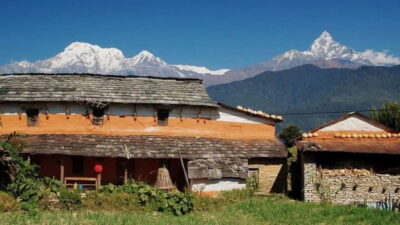
Kathmandu/Pokhara: 5-Day Annapurna Base Camp (ABC) Trek
Read our review →
This walk also sits in