
REVIEW · NEPAL
Kathmandu: 6 Days Langtang Valley Trek with Kyanjin Ri
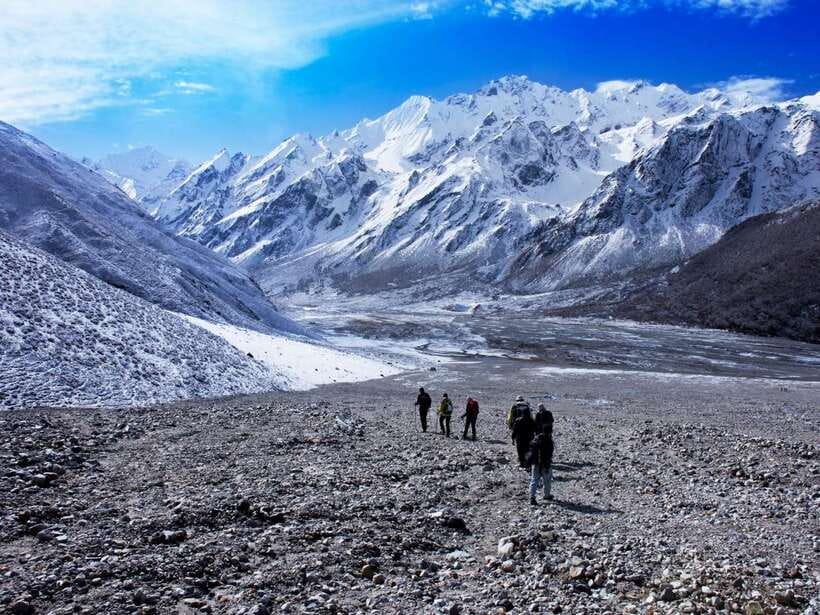
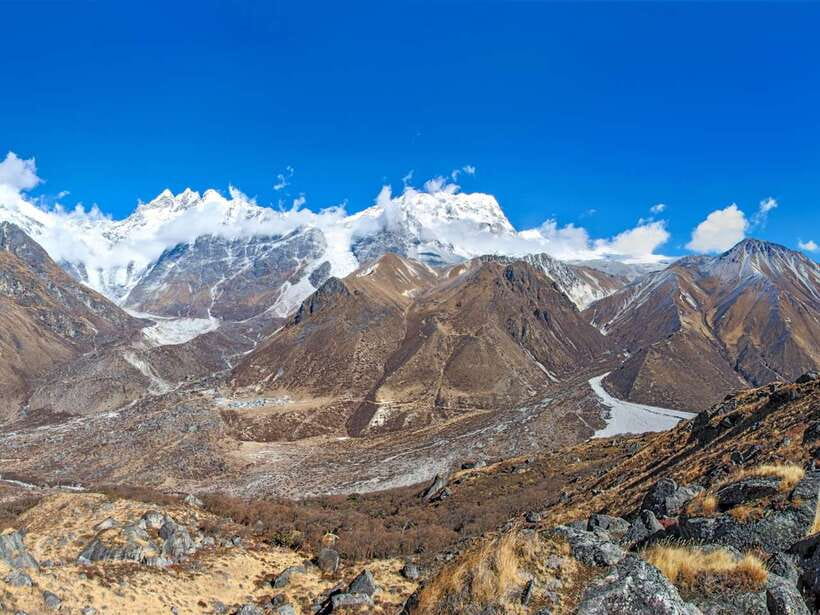
Kyanjin Ri is the payoff here. You climb early from Kyanjin Gompa to a high viewpoint at 4,770 meters, then look across snow-covered peaks and glacial valleys before descending into the Langtang Valley. The climb is tough, but it gives this six-day trek a clear high point.
I like the Tamang village life along the route and the chance to visit Kyanjin Gompa, not just walk past it. I also like the practical setup: permits, five nights of private accommodation, meals on the full package, and hotel pickup are included. Guides such as Ghanshyam and Sudarshan have been especially attentive about pacing and health.
The main caution is altitude. The route rises from 1,550 meters to 3,870 meters, with the optional summit at 4,770 meters, in only a few trekking days. You need to take symptoms seriously, and the Kyanjin Ri climb is optional for good reason.
Key points at a glance
- Kyanjin Ri at 4,770 meters: Add the early morning climb for broad mountain views, or skip it if your body is not ready.
- Tamang culture on the trail: Walk through mountain villages, meet local residents, and visit the traditional setting around Kyanjin Gompa.
- A six-day route from Kathmandu: The trip combines road transfers and trekking, with overnight stops in Pahiro, Ghoda Tabela, Kyanjin Gompa, Thangsyap, and Syabrubesi.
- Strong guide support: Guides including Ghanshyam and Sudarshan are noted for clear communication, flexible breaks, and careful attention to health.
- Cheese and monastery time: Kyanjin Gompa offers more than a bed for the night, with a monastery visit and local cheese factory stop.
- Good value at $179: The price covers permits, guide costs, transport as planned, five nights, and meals on the full package, but a porter and several personal costs are extra.
Why this Langtang trek works in six days
Langtang offers a useful middle ground for anyone who wants a real Himalayan trek without committing to a much longer route. You leave Kathmandu by road, reach the trailhead at Syabrubesi, and spend several days walking through forests and high mountain villages before returning the same way.
At $179 per person, the price is appealing because it covers several costly basics: hotel pickup and drop-off, transportation listed in the plan, trekking permits, required paperwork, guide expenses, government tax, and five nights of private accommodation. The full package also includes breakfast, lunch, and dinner during the trek.
Read the inclusions carefully. A porter costs extra, and one of the Japanese trekkers found hiring one worthwhile. You also pay separately for drinks, bottled or boiled water, showers, battery charging, laundry, personal bills, insurance, and international transport. The price is strongest for someone who wants the core arrangements handled but can budget for these extras.
The group is private, which gives the walking pace more flexibility than a large fixed group. The actual transport is described as shared transportation or bus according to party size, so private trekking does not necessarily mean a private vehicle for every road section.
More Langtang and Manaslu Treks in Kathmandu:
- Manaslu Circuit Trek
★ 5.0 · 292 reviews - Manaslu Circuit Trek
★ 5.0 · 184 reviews - Langtang Valley Trek
★ 5.0 · 140 reviews
Day 1: Kathmandu to Syabrubesi and the walk to Pahiro
The first day starts with a road journey from Kathmandu to Syabrubesi, the entry point for the Langtang Valley. Expect mountain roads, local villages, and changing views as the city gives way to greener hills.
After reaching Syabrubesi, you begin walking toward Pahiro at about 1,550 meters. The route follows the Langtang River and passes through forest, giving you a gentle introduction to the trail rather than sending you straight into high-altitude terrain.
Pahiro is the first overnight stop. Because the drive and walk share the day, this is not a day for a relaxed late start or a long trek. Wear shoes you can walk in from the beginning and keep water, sunscreen, and a jacket close at hand rather than buried in your luggage.
Day 2: Forest paths, waterfalls, and Ghoda Tabela
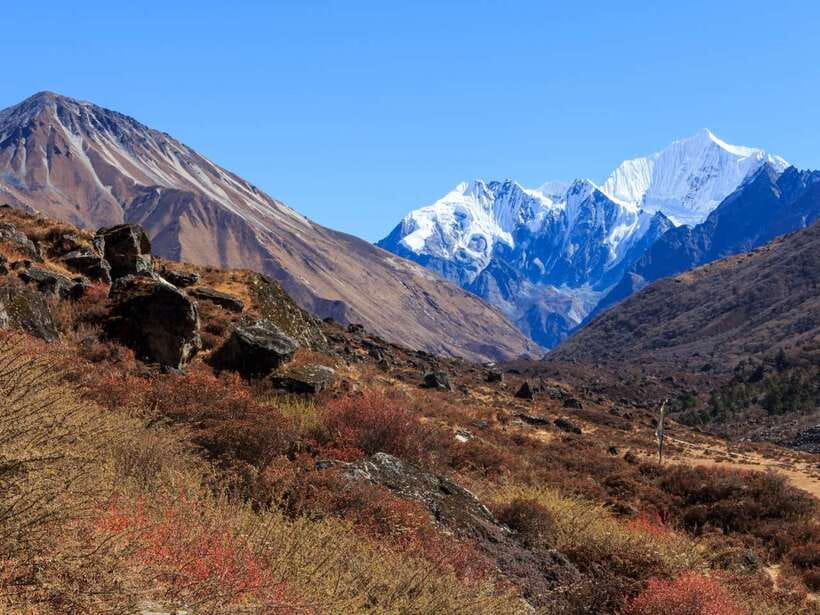
From Pahiro, the trail continues toward Ghoda Tabela at about 2,900 meters. The route passes through green forest and villages, with waterfalls along the way and glimpses of snow-capped peaks.
This day matters because the elevation gain becomes more noticeable. You are moving from a relatively low valley setting toward the higher part of Langtang, so your guide should set a pace that leaves room for breaks. Sudarshan, one of the guides named in the feedback, is specifically praised for adjusting walking speed and stopping when needed. That kind of flexibility is more useful than simply trying to finish early.
Ghoda Tabela is a mountain settlement and a practical stopping point before Kyanjin Gompa. The overnight altitude of 2,900 meters means you should pay attention to headache, nausea, unusual tiredness, or loss of appetite. These symptoms can be signs of acute mountain sickness, and you should tell your guide rather than trying to hide them.
Day 3: Reaching Kyanjin Gompa at 3,870 meters
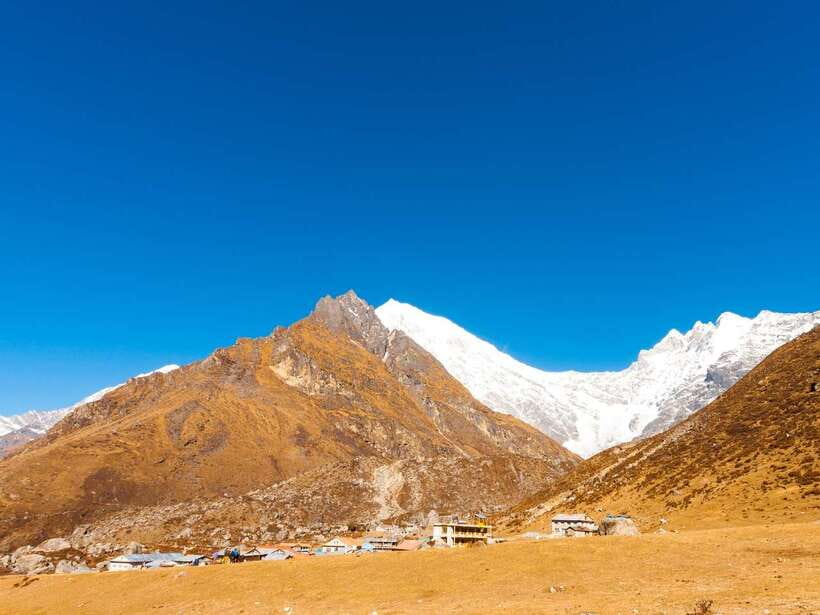
The third day takes you from Ghoda Tabela to Kyanjin Gompa, at approximately 3,870 meters. The route brings you farther into the Himalayan valley, with taller peaks and a more open setting as the forest begins to thin.
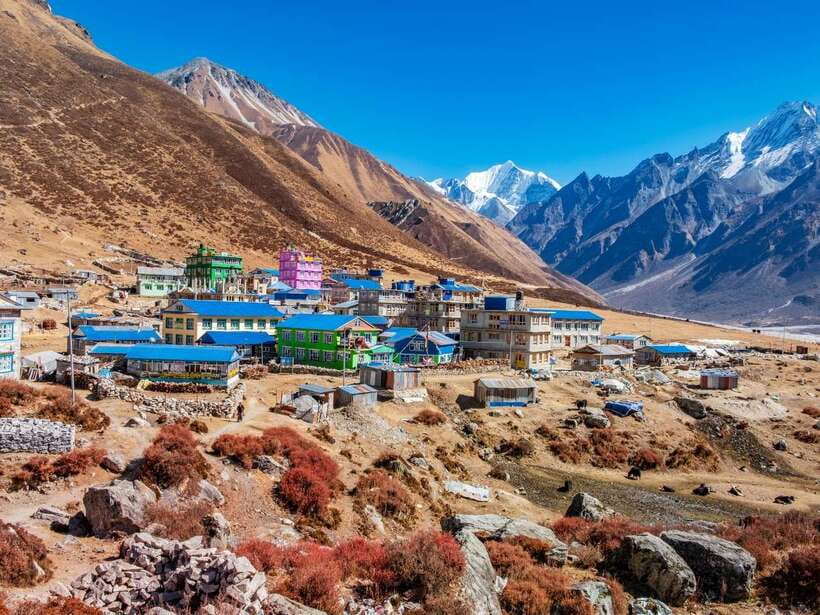
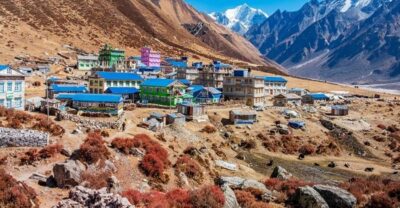
Kyanjin Gompa is the emotional center of the trek. You can visit the historic monastery, spend time in the village, and see the local cheese factory. The cheese tasting adds a simple but memorable local detail to a day otherwise dominated by mountain views.
This stop also gives you your best chance to experience Tamang culture in a direct, everyday way. The attraction is not a staged performance. It is the village setting, the monasteries, the homes and trails, and the chance to meet people who live in a high mountain community.
The elevation is also the serious part of the day. Reaching Kyanjin Gompa does not guarantee that you will feel well there. You might arrive feeling fine and develop symptoms later, so keep the evening easy, drink water, and tell your guide if anything feels wrong. The itinerary does not include a separate acclimatization day, so your own pace matters.
More Six-Day Trips around Kathmandu:
- Kathmandu: 6-Day Limitless Langtang Trek
★ 5.0 · 21 reviews - Singalila Ridge Trek from Darjeeling – 6 Days
★ 5.0 · 56 reviews - 6 Days Serengeti Safari(hiking waterfalls &coffee tour)
★ 5.0 · 48 reviews - 6 day Rainbow Mountain x Ausangate Trek – FlashpackerConnect
★ 5.0 · 30 reviews
Day 4: The optional Kyanjin Ri climb
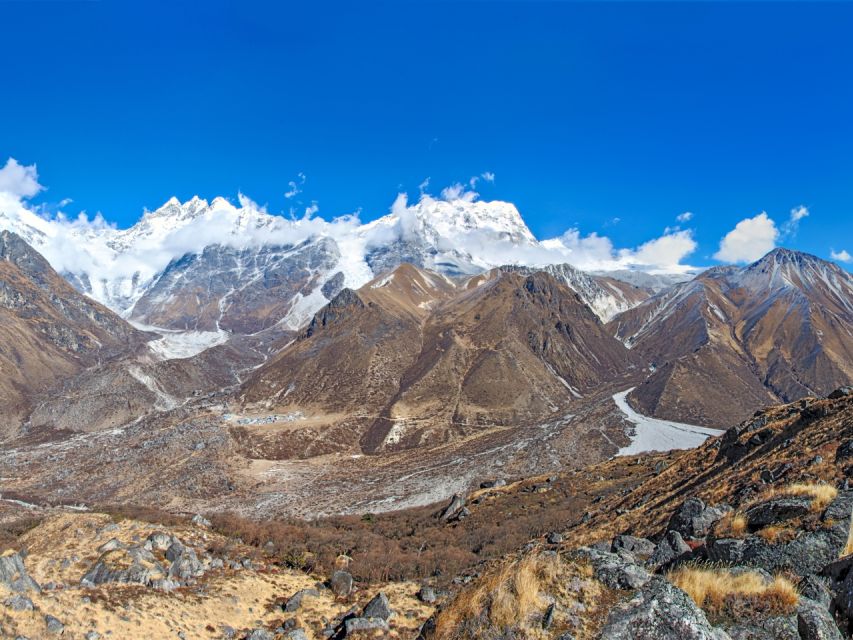
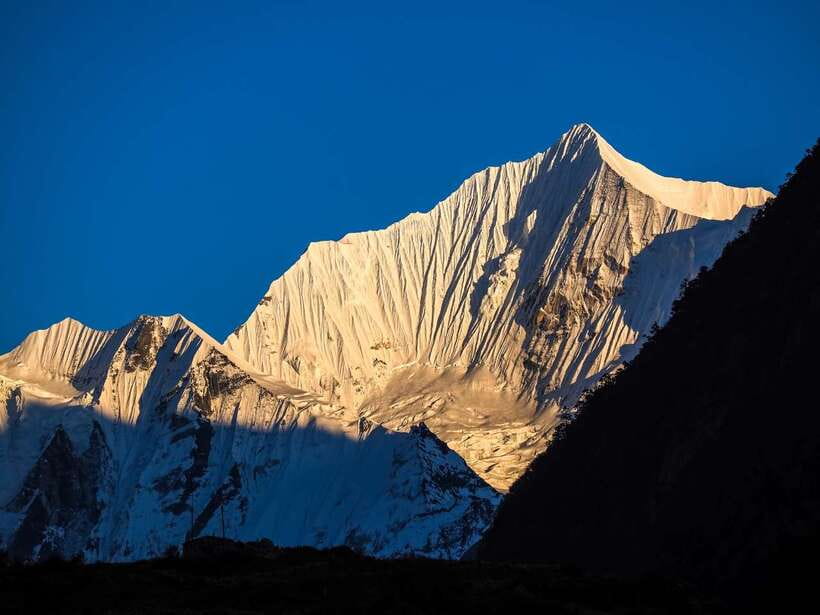
Kyanjin Ri rises to about 4,770 meters and is the most demanding section of the trip. The climb usually begins early, and the reward is a wide view over snow-covered peaks and glacial valleys. One particularly strong version of the day is a sunrise ascent, with clear morning light over the mountains.
The climb is optional, and that is an important feature rather than a weakness. If your breathing, energy, or balance is poor, you can remain near Kyanjin Gompa instead of treating the viewpoint as a test of willpower. A six-day trek should leave you with good memories, not a forced summit attempt.
After the high point, you retrace your steps and descend to Thangsyap at roughly 3,200 meters. That descent helps, but it still makes this a full and demanding day. Carry gloves, a jacket, sunglasses, sunscreen, water, and a flashlight. Cold and bright sun can arrive together at high altitude.
The route can also reward slow walking. A German participant described clear views and wildlife sightings on the way to Kyanjin Ri. That does not guarantee wildlife on every departure, but it is a good reason not to rush with your eyes fixed only on the next step.
Day 5: Down through the valley to Syabrubesi
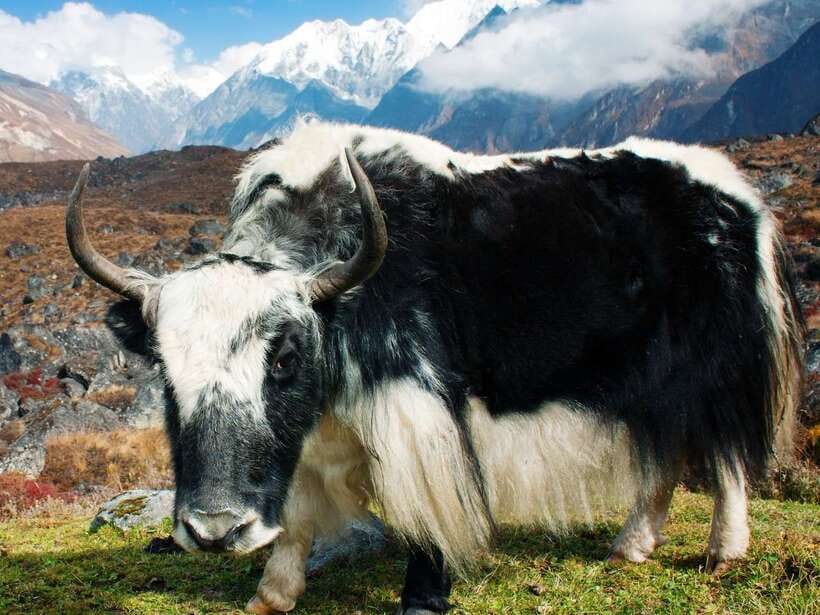
From Thangsyap, you descend to Syabrubesi at about 1,550 meters, following the trail back through forest and alongside the Langtang River. The return route is familiar, but it should not feel like wasted time. Going downhill gives you another view of the villages and mountain walls, often with less concern about gaining altitude.
Your knees may notice this day more than your lungs. Trekking poles can help, though they are not listed among the required items. Take care on uneven sections, especially after the harder Kyanjin Ri outing.
Syabrubesi is the final trekking night. It provides a useful reset before the road journey back to Kathmandu. Since personal accommodation outside the scheduled plan is not included, avoid assuming that extra nights in Kathmandu or Pokhara will be covered if weather or transport problems alter your return.
Day 6: The road back to Kathmandu
The final morning is a drive from Syabrubesi to Kathmandu. The road is part of the experience, not just a transfer. It gives you one last look at the hill villages and winding mountain route you passed at the start.
Road conditions and weather can affect timing, and the itinerary may change with seasonal factors. Keep your return day flexible if you have an international flight or another fixed appointment immediately afterward. Travel insurance that includes rescue and trekking is not included, so arrange it yourself before departure.
Guides, pace, and the human side of the trip
The guide can make or break a short trek, especially one with a fast rise in altitude. The named guides connected with this experience include Ghanshyam and Sudarshan. Ghanshyam is repeatedly described as friendly, caring, funny, and attentive to health, while Sudarshan is noted for flexible breaks and a pace matched to the walker.
Communication should be workable in English or Hindi. One Japanese participant with limited English found that the guide spoke at a comfortable pace and checked understanding often. That is useful if you are new to trekking or do not usually speak English on the trail.
A guide also handles more than navigation. The package includes staff meals, accommodation, salaries, equipment, insurance, and transport, along with permits and paperwork. You still need your own travel and rescue insurance, but the company handles the main trek administration.
A porter is extra. If you are not used to carrying trekking gear at altitude, I would treat this as a serious budget choice rather than a luxury. Carrying less can leave you more energy for the forest, villages, monastery, and Kyanjin Ri.
What to pack and what to budget
The required list is practical: passport or ID, sleeping bag, flashlight, sunscreen, hiking shoes, gloves, water, jacket, trekking gear, and sunglasses. Conditions vary with season, but the high point at Kyanjin Ri can be cold and exposed even when lower villages feel pleasant.
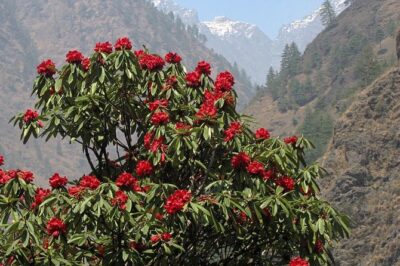
The two best periods are mid-March through April and October through mid-November. Autumn generally brings less wind and warmer temperatures, while late March and April can bring rhododendron blooms at lower elevations. Weather is still changeable, and the schedule may shift.
Budget beyond the $179 starting price for:
- A porter, if you want one
- Bottled or boiled water
- Soft and alcoholic drinks
- Showers and battery charging
- Laundry, phone calls, and bar bills
- Travel and rescue insurance
- International flights and the Nepalese visa
- Extra accommodation caused by early arrival, late departure, or an unscheduled early return
Alcohol and drugs are not allowed on the activity. That rule fits the demands of altitude and the need to keep the trek safe.
Who should book this trek?
I would choose this route if you want a compact Himalayan trek with real village contact, a monastery visit, and a strong high viewpoint. It suits first-time trekkers who are reasonably fit and willing to walk steadily, use a guide, and speak up about altitude symptoms.
It is also a good fit for someone starting a first Nepal trip. The route gives you cultural contact, mountain scenery, cheese tasting, and a clear six-day structure without requiring a long expedition.
I would hesitate if you want a slow acclimatization schedule, dislike long road transfers, or need guaranteed weather and fixed transport times. The itinerary climbs quickly, and Kyanjin Ri is demanding. You should also think twice if you are counting on the $179 price to cover every expense, since porter service, water, insurance, and personal costs are separate.
Should you book the Langtang Valley trek?
Book it if your priority is value, scenery, and a manageable introduction to trekking in Nepal. The strongest parts are the Tamang villages, Kyanjin Gompa, the local cheese stop, and the chance to add a sunrise climb to Kyanjin Ri. The guide support described by names such as Ghanshyam and Sudarshan adds confidence for first-time trekkers.
Before paying, confirm whether your chosen package includes all meals, ask about porter cost, and check the expected transport arrangement. Go prepared for altitude, not just for photographs. If you can accept those conditions, this is a well-priced six-day route with enough cultural and mountain variety to feel like a true Himalayan journey.
FAQ
How long is the Langtang Valley trek?
The activity lasts six days, including transportation from Kathmandu to Syabrubesi and the return drive to Kathmandu.
What is the highest point on the itinerary?
The optional Kyanjin Ri hike reaches about 4,770 meters. Kyanjin Gompa, where you spend the third night, is at approximately 3,870 meters.
Is the Kyanjin Ri climb required?
No. The Kyanjin Ri hike is optional. It is described as challenging, so you can decide based on your health, energy, and comfort with the altitude.
Are meals included?
Breakfast, lunch, and dinner during the trek are included with the full package. Drinks, bottled or boiled water, and personal food and beverage expenses are not included.
Is a porter included?
No. The guide is included, but porter service costs extra. A porter can be useful if you prefer not to carry your trekking gear at altitude.
What languages does the guide speak?
Guides are available in English and Hindi. The activity is offered as a private group experience, with hotel pickup included.
Just added around Kathmandu
- Kathmandu: Nagarkot Sunrise and Hike Tour to Changu Narayan★ 4.7 · 151 reviews
- Pokhara: 2 Day Ghorepani & Poon Hill Private Trekking★ 4.9 · 8 reviews
- Kathmandu: Nagarkot Sunrise Tour with Day Hike★ 4.7 · 13 reviews
- Pokhara: 5-Day Annapurna Base Camp (ABC) Trek★ 5.0 · 9 reviews
- Kathmandu: Shivapuri Day Hike with Lunch★ 4.9 · 25 reviews
- Kathmandu: 6-Day Limitless Langtang Trek★ 5.0 · 21 reviews
- Kathmandu: 14-Day Everest Base Camp with Kala Patthar Trek★ 4.2 · 21 reviews
- Kathmandu: 10-Day Adventurous Annapurna Circuit Trek★ 5.0 · 25 reviews
Langtang & Manaslu Treks, side by side.
Trekking in Annapurna/Langtang/Everest/Upper Mustang regions
Read our review →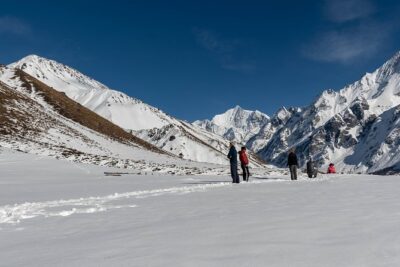
This walk also sits in