
REVIEW · NEPAL
Manaslu Circuit Trek
The Manaslu Circuit gives you Nepal at its most dramatic: rice terraces and hot springs at the start, icy river gorges in the middle, and the snowbound Larkya La Pass at 5,160 meters near the end. It feels more remote than the Annapurna Circuit, with fewer people and a stronger sense of expedition.
I like the powerful change in scenery and the human side of the route. You pass Gurung and Ghale villages, mani walls, gompas, yak pastures, and homes shaped by Tibetan customs. I also like the way this private trip can adjust its pace. Guides such as KP, Pemba, Dilman, Narayan, and Sajan are praised for helping groups handle weather, altitude, and changing energy levels.
The catch is simple: this is a hard trek. The road to Soti Khola is rough, the trail includes landslide areas and steep ground, and the pass day can last 10 hours. You need strong fitness, patience with basic teahouse lodging, and a serious plan for altitude.
Key points before you book
- The Budi Gandaki gorge: Expect waterfalls, suspension bridges, steep cliffs, and icy turquoise water far below the trail.
- A true acclimatization plan: Nights in Sama Gaun and Samdo break up the climb toward the pass.
- Tibetan Buddhist culture: Prayer flags, mani walls, gompas, painted gateways, and traditional dress shape the upper valley.
- A demanding pass crossing: Larkya La may require crampons in snow or bad weather, and an early start is essential.
- Private-group flexibility: Your guide can adjust the pace, side trips, and timing around weather and group strength.
- A useful price package: The $1,081 price includes private transport, meals, taxes, and fees, but not a Kathmandu hotel or porter.
Why the Manaslu Circuit feels different
The Manaslu Circuit is a circular route around Mount Manaslu, which rises to 8,163 meters. It begins in warm, low country and climbs toward the Tibetan border before crossing into the Marsyangdi Valley near Bimthang.
That progression is the whole appeal. You do not simply walk through one mountain setting for two weeks. You move from steamy farmland to sal forest, from river gorge to pine woodland, and then into bare, icy high country. Each day changes the feel of the trip.
Compared with the better-known Annapurna Circuit, Manaslu offers more quiet and a more remote mood. The trade-off is less comfort and less margin for error. Roads are rough, villages are smaller, and altitude becomes a serious concern after Sama Gaun.
This is a private activity, so only your group takes part. That matters on a route where people may walk at different speeds. The guide can stop for water, shorten a side hike, or change the plan to make the most of a safe weather window. Several guides connected with this trip, including KP and Narayan, have been praised for exactly that kind of practical flexibility.
More Langtang and Manaslu Treks in Kathmandu:
- Manaslu Circuit Trek
★ 5.0 · 292 reviews - Langtang Valley Trek
★ 5.0 · 140 reviews - Trekking in Annapurna/Langtang/Everest/Upper Mustang regions
★ 5.0 · 161 reviews
Days 1 and 2: the rough road to Soti Khola and Machha Khola
The first day is mostly transport. You can use a bus, a bus and local jeep combination, or pay extra for a private jeep. The road is long, dusty, and bumpy, so the private option is worth considering if comfort and control matter to you. Local vehicles usually stop for lunch and toilet breaks, but you have less say over the timing.
Soti Khola marks the practical start of the walking route. On day two, you leave the road behind and walk toward Machha Khola, also spelled Maccha Khola. The trail passes through sal forest, waterfalls, narrow river corridors, and high cliffs. You may meet mule trains, so stand on the uphill side of the path when they pass. That small habit matters on narrow sections above a drop.
The villages along this stretch are mainly Gurung and Ghale communities. At Nyali Khola, people pray to local river and mountain deities for safe passage. It is a useful reminder that this is not just a mountain workout. The trail is part of daily life and local belief.
Machha Khola means fish river. The walking day takes about six hours, but the rough ground and repeated climbs and descents can make it feel longer.
Days 3 and 4: hot springs, bridges, and the restricted area
From Machha Khola, the route follows the Budi Gandaki through thick forest and twisting river country. Monkeys and langurs may appear among the trees. You pass more Gurung villages and reach Tatopani, meaning hot water, where you can soak in warm springs.
Do not let the hot water make you think the day is over. The trail continues across the Budi Gandaki on a suspension bridge, then over a cantilever bridge before reaching Jagat. Jagat is a handsome, flagstoned Gurung village and an important checkpoint. From here, you enter the Manaslu Restricted Area.
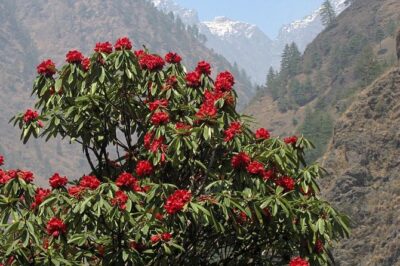
The next day begins with prayer flags and Buddhist symbols as you descend toward Sirdibas. A permit check takes place at Phillim, after which the trail follows the western bank of the river. Water-shaped boulders, rhododendron, and pine forest keep the route interesting.
You spend the night at Pewa in a teahouse, with dal bhat usually filling the dinner plate. This staple of rice, lentils, vegetables, and sometimes extra portions is practical mountain food. It is warm, familiar, and easy to keep eating when the walking gets hard.
Days 5 and 6: landslides, mani walls, and first views of Manaslu
The trail toward Namrung crosses a landslide zone. Follow the guide closely here and do not hurry. The route can also offer more monkey sightings, a welcome distraction from the rough footing.
Namrung has one unusual comfort: a local business owner who worked in Hong Kong returned home and built a hotel and restaurant with good coffee and Wi-Fi. Do not expect city-level service, but the stop can feel like a small luxury after several days on the road.
The next day brings a stronger Tibetan influence. You pass mani walls made from stones carved with Buddhist mantras. Villagers may wear Tibetan-style clothing, and the route passes painted gate arches near Sho village.
The setting changes too. Terraces give way to fir, oak, and rhododendron woodland, then rocky hillsides. Lho is the reward at the end of the day, with striking views of Manaslu and Manaslu North, which rises to 7,157 meters. The walking time is about four hours, leaving space to enjoy the village and mountain views rather than simply arrive exhausted.
More hikes and treks around Kathmandu:
- Everest Base Camp Trek – 14 Days
★ 5.0 · 1,499 reviews - Everest Base Camp Trekking
★ 5.0 · 485 reviews - Nagarkot Sunrise View and Day Hiking from Kathmandu
★ 5.0 · 471 reviews - Annapurna Circuit Trek with Tilicho Lake
★ 5.0 · 368 reviews
Days 7 and 8: Sama Gaun and the acclimatization choice
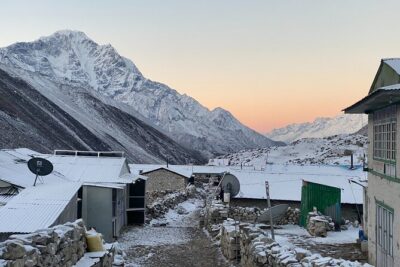
The walk to Sama Gaun is another shorter day, about four hours. You begin with views of Manaslu, then enter a broad settlement surrounded by yak pastures. Sama Gaun is the main village of the Nubri people and an important supply and rest point.
You will find a large gompa, shops, a health post, a heliport, and telephone and Wi-Fi access. Those services matter because the upper section becomes increasingly remote. Sama Gaun is also where altitude needs to guide your schedule.
The following day is for acclimatization, but it is not a day to lie in bed. You can walk to Pungyen Gompa, Birendra Tal, or Manaslu Base Camp. The walks take about two hours, though the base camp option requires more effort because it reaches about 4,400 meters.
If you feel tired, choose Birendra Tal. If you are adapting well, Manaslu Base Camp offers a stronger high-altitude outing. A packed lunch is included, and walking slowly with plenty of water is the sensible approach. This day is one of the trip’s best features because it gives your body time to adjust before the trail climbs higher.
Days 9 and 10: yak country and the Tibetan border
The route to Samdo passes through a broad valley filled with yak pastures. The walking time is only about three hours, but altitude makes short days valuable. Samdo is close to the Tibetan border, and you can explore nearby villages or climb toward Samdo Peak for views of the route ahead.
The second Samdo day is another acclimatization day. You may hike toward the Tibetan border and look across into Tibet, although you cannot cross there. Yak caravans may be visible, and with luck you might spot blue sheep, pikas, or marmots. Looking south, you can see Samdo Glacier and a large serac near its top.
This is a quiet part of the trek, and that is precisely the point. There are fewer distractions, fewer services, and little to do except walk, watch the mountains, and monitor how you feel. Tell your guide about headaches, nausea, unusual tiredness, or trouble sleeping. One guide, Dilman, is specifically praised for helping a participant through altitude sickness, but no guide can make altitude risk disappear.
Days 11 and 12: Dharamsala and the Larkya La crossing
From Samdo, you walk slowly through stark high-country terrain toward Dharamsala. The day takes about four hours. The mountain chain feels close, the ground is rugged, and the settlement is a staging point rather than a place for comfort.
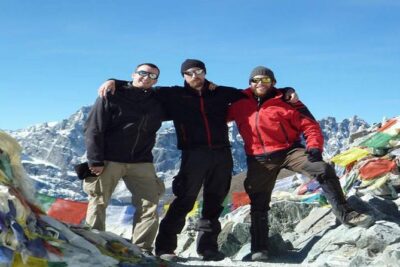
The next morning starts early. You must cross Larkya La before afternoon conditions worsen. The pass reaches 5,160 meters, and snow or bad weather can make the crossing very difficult. Crampons may be needed, so ask before departure what equipment and conditions your group should expect.
The reward is enormous. From the pass, you can see Himlung at 7,126 meters, Kang Guru at 6,981 meters, and Annapurna II at 7,937 meters. You also look toward a broad glacial cirque, icefalls, and Pongkar Tal between the Pongkar and Salpudanda Glaciers.
After the pass, the trail drops for roughly three hours to Bimthang. Downhill does not mean easy. Your legs are tired, the surface can be loose, and concentration still matters. This is the hardest and most memorable day of the trip, with around 10 hours of walking.
Days 13 and 14: forests, farms, and the long ride home
The final walking day descends through forest and rhododendron, with lunch at Karche Village after crossing the Dudh Khola. The route shows signs of glacier floods, and some sections are rough.
As you continue, the valley becomes greener and agriculture returns. Fields and forest replace the bare upper valley, giving you a clear sense that the circuit is closing. This day is also listed at about 10 hours, so do not expect a gentle stroll after the pass.
On day 14, you return to Kathmandu by local jeep and bus or by private jeep. The drive can take about 10 hours and may be tiring after nearly two weeks on foot. A private jeep gives you more control and may be worth the extra cost if your budget permits.
Food, lodging, and what the $1,081 covers
The $1,081 price includes breakfast, lunch, and dinner for all 14 days, along with private transportation, fees, and taxes. That makes the price easier to judge because food and the long vehicle transfers are already included.
It does not include a Kathmandu hotel or a porter. You should budget for both if you want help carrying your main bag or need accommodation before and after the trek. The information provided does not specify porter pricing, so ask before booking.
Teahouses are part of the appeal and part of the compromise. You sleep in small mountain lodges, eat local meals, and spend evenings in villages rather than sealed resort rooms. Facilities become more basic as you climb. Wi-Fi and phone access exist in some places, including Namrung and Sama Gaun, but you should not plan your trip around reliable internet.
Guide support and the private-group advantage
A good guide matters here more than on an easy day hike. The route includes permit checks, landslide zones, high-altitude decisions, weather changes, and a pass that must be crossed at the right time.
The guiding team connected with this trip includes names such as KP, Pemba, Dilman, Narayan, Sajan, Mitra, and Deepak. Specific praise centers on clear communication, patience, cultural explanations, route knowledge, photography help, and the ability to change the plan when conditions shift.
That flexibility is valuable, but you still need to speak up. A private group does not mean a private mountain. Weather, snow, altitude, and road conditions can affect everyone. The best use of a private itinerary is to make sensible adjustments, not to force the original plan at any cost.
Who should book this trek?
You should consider it if you want:
- A quieter alternative to the Annapurna Circuit
- A major high pass and serious mountain scenery
- Buddhist and Tibetan cultural traditions along the trail
- A private trip with room to adjust the pace
- A physically demanding route lasting about two weeks
- Meals and transport included in one quoted price
You should think twice if you dislike rough road travel, basic teahouses, long walking days, or uncertain mountain conditions. This is not a gentle introduction to Nepal trekking. The route demands strong fitness, and the pass day requires stamina and an early start.
Cancellation is free up to 24 hours before the experience begins. Changes or cancellations inside that window are not accepted for a refund. Pickup is offered, the meeting point is Tribhuvan Airport in Kathmandu, and confirmation is provided at booking.
Should you book the Manaslu Circuit Trek?
Book it if the idea of walking from rice fields to a 5,160-meter pass excites you more than the thought of a hot shower and a smooth road. The route offers a rare mix of isolation, strong local culture, river gorge scenery, glaciers, and huge Himalayan views.
At $1,081, the package has good value for a private trip because meals, taxes, fees, and transport are included. Just add the cost of a Kathmandu hotel, a porter if needed, and any extra gear for cold or snowy conditions.
I would choose this trek for a fit hiker who wants a demanding route with fewer people and more room for local contact. I would not choose it for a first mountain holiday without preparation. If you train, pack carefully, respect altitude, and accept that the road and weather may dictate the schedule, the Manaslu Circuit can be one of Nepal’s most rewarding long treks.
FAQ
How long does the Manaslu Circuit Trek take?
The trip lasts approximately 14 days, including transport from Kathmandu, walking days, acclimatization days, the Larkya La crossing, and the return journey.
What is the highest point of the trek?
The highest point is Larkya La Pass at about 5,160 meters.
Is transportation included?
Yes. Private transportation is included. You can also choose between local bus and jeep combinations or a private jeep for parts of the route.
Are meals included?
Yes. Breakfast, lunch, and dinner are included for all 14 days.
Is a porter included?
No. A porter is not included in the stated price.
Where does the experience start and end?
The meeting point is Tribhuvan Airport in Kathmandu. The trip ends in Kathmandu at postal code 44600.
How fit do I need to be?
You should have a strong fitness level. The route includes rough roads, long walking days, landslide areas, high altitude, and a demanding 10-hour crossing of Larkya La.
Just added around Kathmandu
- Kathmandu: Nagarkot Sunrise & Hike with Lunch -Private/Group★ 4.9 · 122 reviews
- 14 Days Private Tour Everest Base Camp Trek★ 5.0 · 105 reviews
- 4 Days Poon Hill Trek★ 5.0 · 94 reviews
- Langtang Valley Trek★ 5.0 · 140 reviews
- Kathmandu: Dhulikhel to NamoBuddha Day Hike with Lunch★ 4.8 · 62 reviews
- Nagarkot Sunrise View & Day Hiking with Lunch – Private/Group★ 5.0 · 73 reviews
- Nagarkot Sunrise Trip & Day Hike with Lunch from Kathmandu★ 4.5 · 83 reviews
- 14-Day Private Annapurna Base Camp Trek★ 5.0 · 180 reviews
Kathmandu Hiking Tours, side by side.
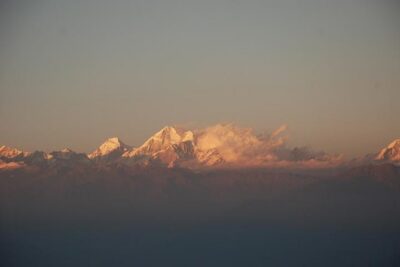
Nagarkot Sunrise View and Day Hiking from Kathmandu
Read our review →
This walk also sits in