
REVIEW · ITALY
Mount Etna: Craters of the 2002 Eruption Trekking Experience
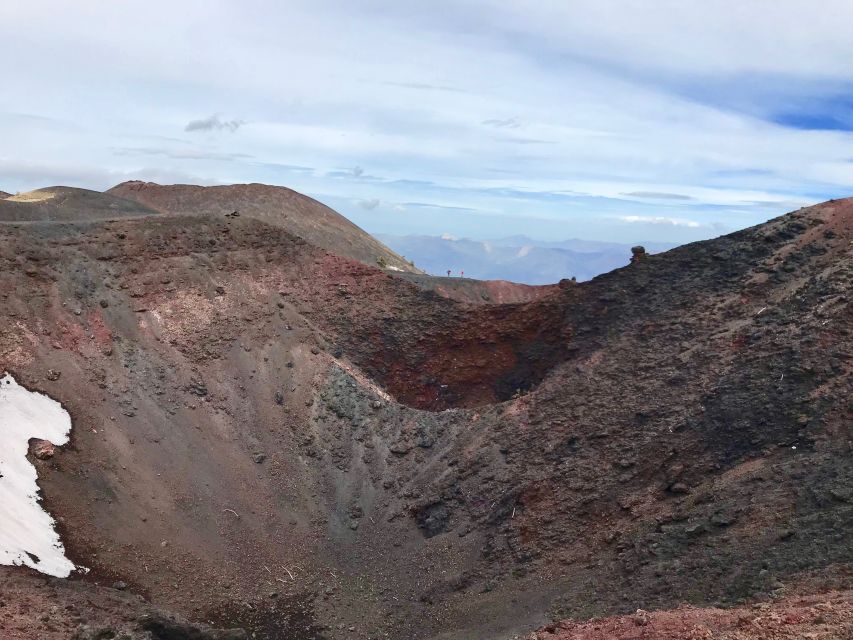
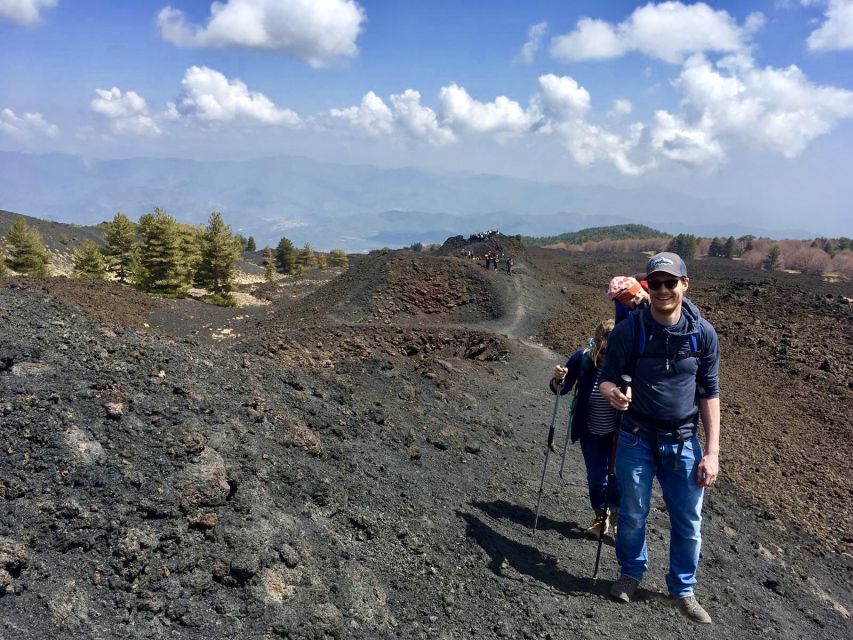
The most striking part of this Etna hike is the 2002 eruption zone, where black lava flows and broken volcanic ground tell the story of an eruption that threatened Piano Provenzana and the town of Linguaglossa. You walk beside crater rims, through forest, and over cinder cones rather than simply stopping at a roadside viewpoint.
I like the way the route combines real geology with easy-to-follow explanations, and I like the broad views toward the Calabrian Coast. Guides including Daniele, Davide, Vincenzo, and Niko have been praised for mixing science with humor and for keeping the group together.
The catch is that this is not a casual stroll for everyone. Loose volcanic soil, crater edges, wind, and uphill walking call for a fair level of fitness. Older hikers can manage it, but you should bring proper shoes and expect some hard going.
Key points about the Etna north-side trek
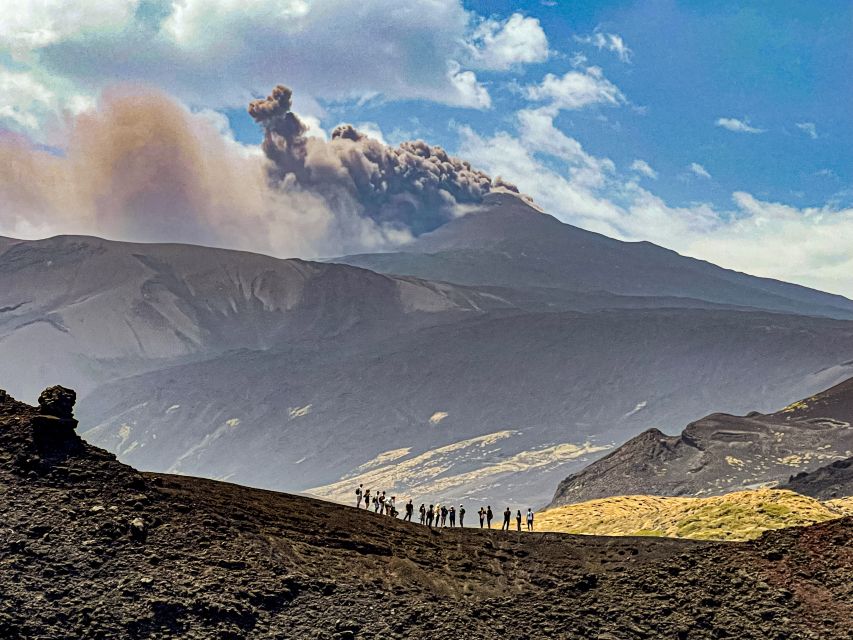
- The 2002 lava flow is the main event: See the crater chain and lava streams linked to Etna’s most powerful recent eruption.
- The buried hotel makes the eruption tangible: The ruins of the Hotel delle Betulle are the only visible structure left in the lava flow.
- You get three hours of guided geology: The route covers the 1911 craters, eruptive fractures, hornitos, cinder cones, and crater rims.
- Views reach beyond Sicily: From the higher ground, you can look across the eruptive theater toward the Calabrian Coast.
- The group pace matters: The full walking time depends on the group, with pauses for photos and explanations.
- Come prepared for changeable weather: Windbreakers, jackets, water, sturdy hiking shoes, and winter gloves or hats are practical essentials.
Why the 2002 eruption zone is worth seeing
Mount Etna is not just a high mountain with a smoking summit. It is a working volcano, and the north side around Piano Provenzana gives you a close look at the marks left by past eruptions.
The 2002 eruption is especially important here. Lava covered part of Piano Provenzana, destroyed buildings, and threatened routes toward Linguaglossa. The flow changed the ground in a way you can still read today: black rock, broken channels, cinder cones, fractures, and crater mouths spread across the slope.
I find this more rewarding than a quick cable-car ride to a high viewpoint. You are not only looking at Etna. You are tracing what it has done.
The route also gives you a sense of scale. The craters are not tidy little cones arranged for easy viewing. Their edges can be uneven, and the volcanic soil may shift under your feet. That raw quality is part of the experience, but it is also why the guide’s instructions matter.
More Mountain and Summit Hikes in Italy
- Mount Etna: Summit Guided Hiking Tour up to 3,400 m
★ 4.8 · 4,792 reviews - Mount Etna: Trek to 3000m with cable car and 4×4
★ 4.6 · 3,823 reviews - Mount Etna: Summit Crater Trek with Cable Car
★ 4.8 · 1,875 reviews
Starting at Piano Provenzana
Your meeting point is the Chiosco Bar Mareneve di Ferraro Giuseppa, near the chairlift used by skiers in winter. It is the second of four buildings in the parking area. Do not go to the Chiosco Bar Etna Nord in the lower parking lot, since that is a different place.
The excursion begins with a safety briefing from Guide Vulcanologiche Etna Nord. Allow about 15 minutes for this. The guide will set expectations for the route, explain how to handle unstable volcanic ground, and outline any changes caused by wind, snow, rain, or volcanic conditions.
This is also the point to check your clothing and footwear. The tour includes insurance for accidents, but the supplied information makes clear that you are not covered without suitable shoes. Sandals, flip-flops, slippers, high heels, skirts, and large bags are not appropriate.
Parking is not included. The information supplied for the experience gives a full-day rate of €5 on weekdays and €8 on Sundays and public holidays, while the meeting-point note mentions €3 payable after the excursion. Because those figures conflict, confirm the current amount locally. Either way, bring a little cash and allow time to park before the briefing.
The buried Hotel delle Betulle
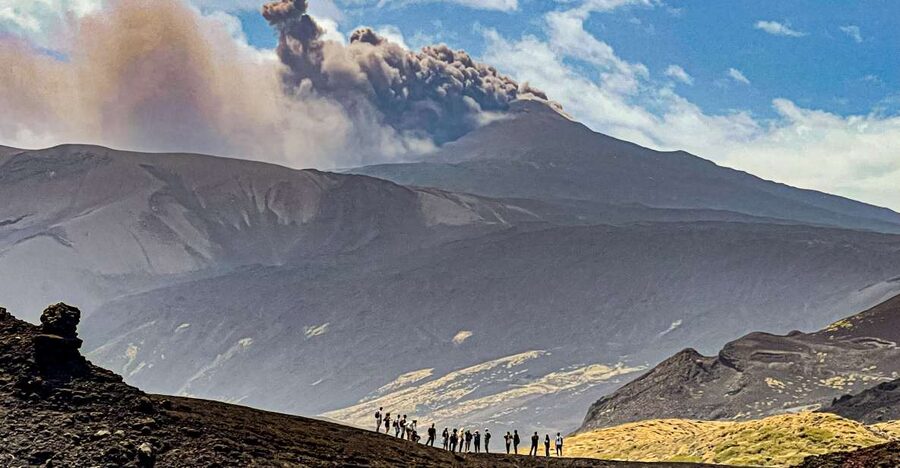
The first major stop is the Hotel delle Betulle, described locally as the only visible structure left from the 2002 lava flow. The building was overwhelmed by lava, leaving a memorable reminder that this eruption was not an abstract event far above the tree line.
You get around 10 minutes here for a break, photographs, and an explanation from the guide. It is a short stop, but it gives the rest of the walk a useful frame. After seeing the buried hotel, the black rock and broken ground ahead make more sense.
This is a good place to listen rather than rush for pictures. Your guide can connect the remains to the eruption routes and explain how lava moved across the north side. The strongest guides, including Daniele and Vincenzo, have used photographs and personal eruption footage to make the science easier to picture.
The Bottoniera del 1911
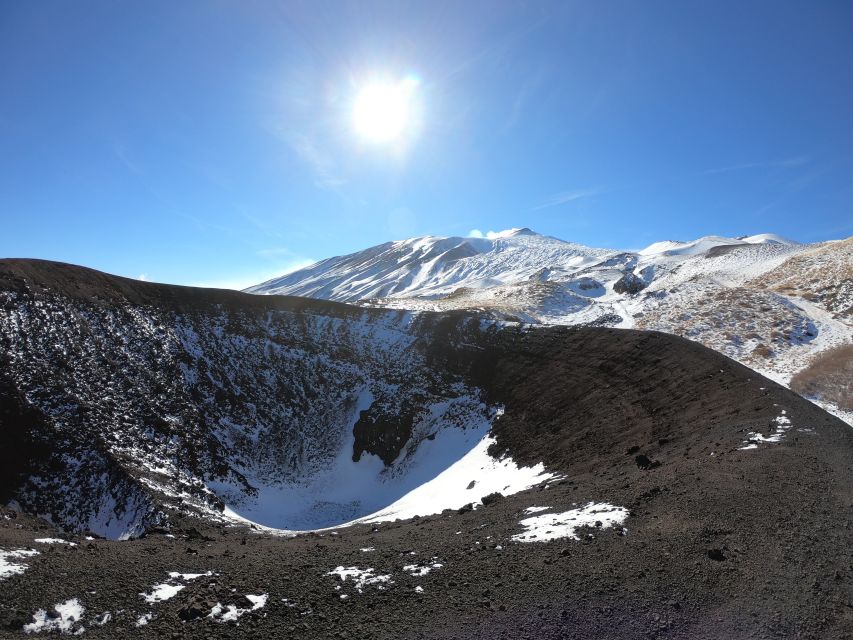
The next part takes you to the Bottoniera del 1911, a chain of volcanic openings associated with the 1911 eruption. You have roughly 25 minutes here for a guided visit, photographs, sightseeing, and some free time.
The Italian word bottoniera refers to a button-like chain, a useful image for a line of small volcanic cones and openings. This stop helps you see that Etna’s eruptions do not always come from one neat summit vent. Flank eruptions can open lower down, producing their own cones, cracks, and lava paths.
Expect a short walk over uneven ground and pauses while the guide points out different volcanic forms. The benefit of having a volcano guide becomes clear here. Without explanation, one dark mound may look much like another. With context, you begin to distinguish a cinder cone from an eruptive fracture or a hornito.
More Volcano Hikes in Italy
- Etna: summit craters trekking with volcano guide 3350mt
★ 4.7 · 1,712 reviews - Catania: Mount Etna Trekking Tour Beyond the Tourist Trails
★ 4.9 · 1,596 reviews - Mount Etna: Guided Trek 3,000 Meters to the Summit
★ 4.8 · 1,407 reviews - Etna Sunset Tour: Volcano trek, Cave & tasting from Catania
★ 4.8 · 1,290 reviews
Hornitos, cinder cones, and eruptive fractures
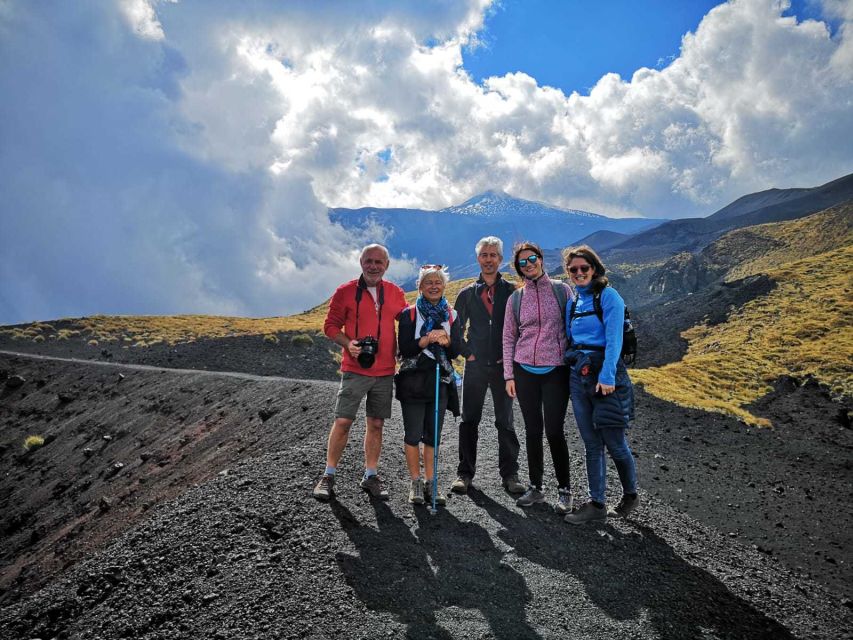
The route continues through a mixture of forest and open volcanic ground. You may see hornitos, a term meaning small ovens, formed when lava pushes through openings or builds small structures around vents.
You also climb along cinder cones. These are made from loose volcanic fragments thrown out during eruptions. They can be tiring to ascend and awkward to descend, especially when the surface gives way beneath your shoes.
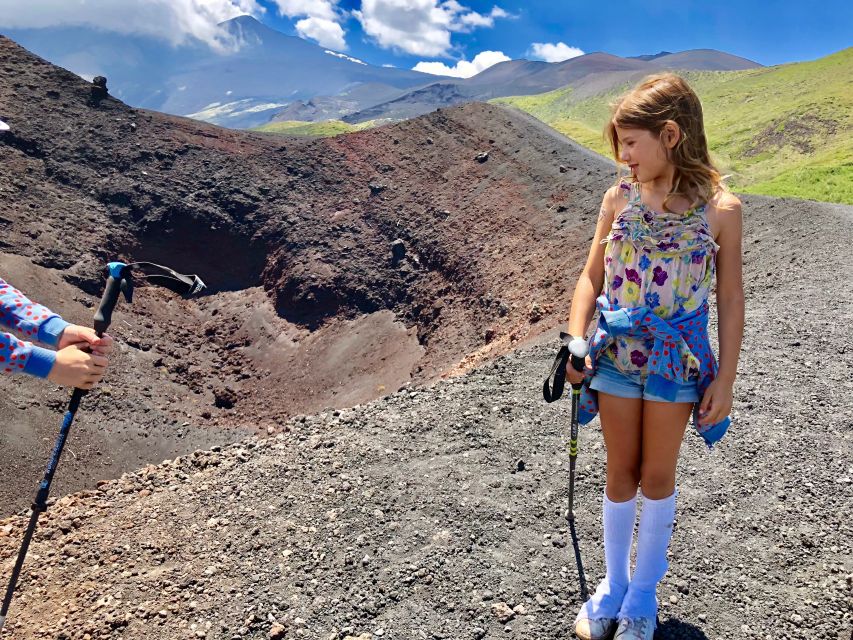
That is why trekking poles are worth using if they are available. One participant specifically advised taking the walking poles offered, and the suggestion makes practical sense on this type of soil. Poles help with balance, especially near crater edges and on sandy channels.
The walk is educational, but it is not a geology lecture that leaves you standing in one spot. You keep moving between different volcanic forms. The guide explains what you are seeing, then gives you time to look, photograph, and ask questions.
The Cerniera di Fuoco 2002
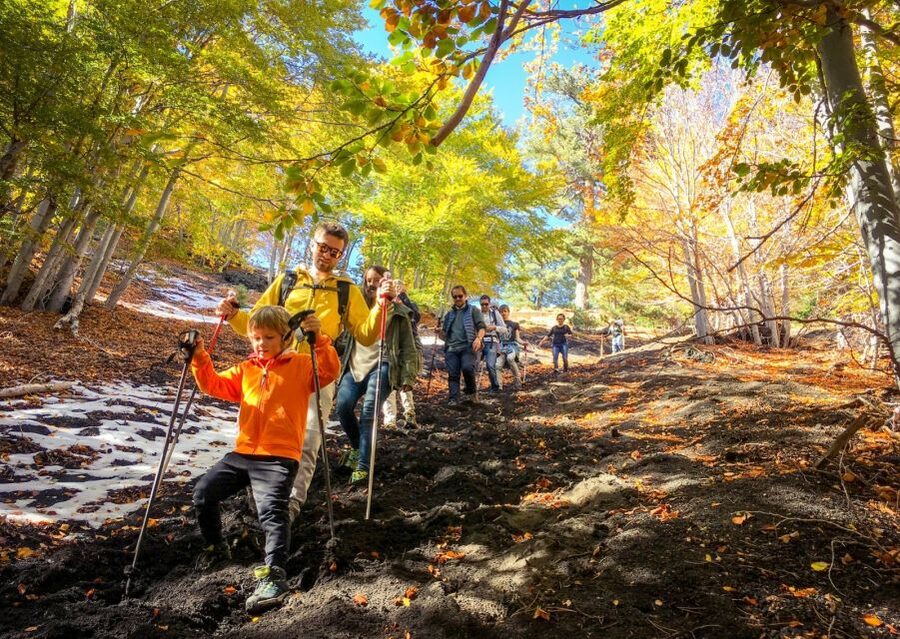
The longest section is the Cerniera di Fuoco 2002, or 2002 Fire Hinge. Plan on about an hour and a half here, including the walk, stops, photographs, and explanations.
This is where the excursion earns its price. You are surrounded by the products of the 2002 eruption: lava streams, eruptive cracks, crater forms, and rough black ground. The term fire hinge suggests the line along which the eruption opened and spread, and the area gives you a close view of how Etna’s flank activity reshaped the north side.
The guide takes you toward the crater edges. Looking down into the sandy channels and crater interiors can be thrilling, but anyone prone to dizziness or vertigo should think carefully before booking. The route includes ascent and walking along crater rims, and the height can affect some people.
The wide view is another reward. From this side of Etna, you can look across the eruptive theater toward the Calabrian Coast. Wind can be strong, as one April outing proved, so do not assume that a warm day in Sicily means warm conditions on the mountain.
The walk back through volcanic sand
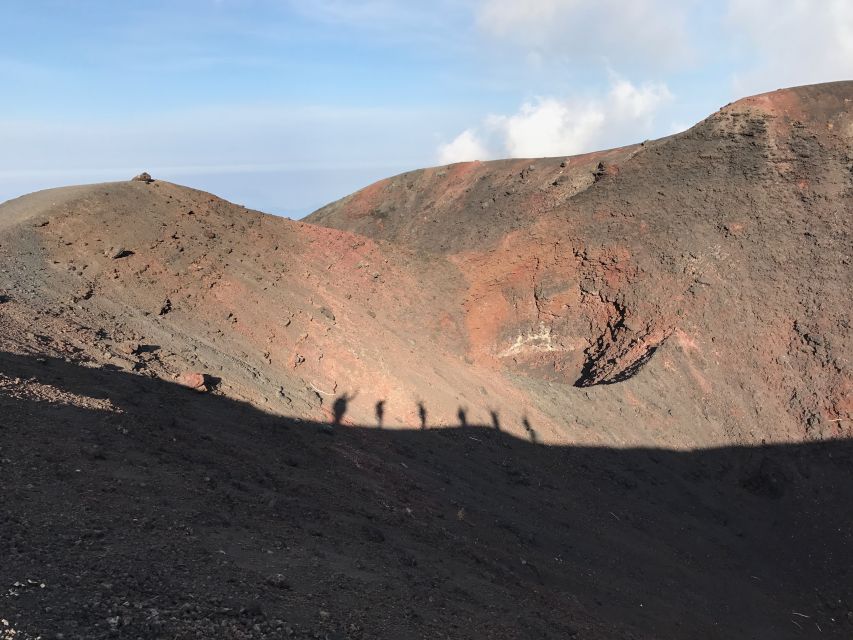
After visiting the upper craters, you descend through a sandy channel toward the starting point. This return route gives you a different feel from the ascent. Loose material can make downhill walking surprisingly demanding, and your knees may notice it more than they did on the way up.
The overall schedule says three hours, but the exact time depends on the group’s pace. Guides generally pause for explanations and keep the group together rather than racing ahead. That makes the experience more accessible, but a slower pace does not mean no effort.
Some people describe the route as slow and easy, while others in their late 60s found it hard going. Both impressions can be true. It is easier than a long, demanding summit hike, but it still requires regular walking ability, balance, and comfort on unstable volcanic ground.
Guide style and languages
The tour is offered in Italian, English, and French. Guide quality matters on a geology walk, and the named guides associated with this experience have different strengths.
Daniele has been praised for clear explanations, careful pacing, and a good sense of humor. Davide is known for making the walk varied and engaging. Vincenzo has led the route in French and used a mix of scientific information, local knowledge, and humor. Niko has extensive experience with Etna and volcanoes in general.
You should expect the guide to do more than identify craters. The best explanations connect the visible rock to past eruptions, explain how lava moved, and show why the north side looks the way it does. Some guides have also used photographs or videos from actual eruptions, which can make the terrain easier to understand.
The group must have at least four participants in total. The supplied information does not give a maximum group size, so ask if group size is important to you. Since this is a guided walk over uneven ground, the pace and number of participants can affect how personal the explanations feel.
What to wear and carry
Etna’s weather can change quickly, and exposed volcanic ground offers little shelter from wind. Pack a windbreaker, jacket, sunglasses, sunscreen, water, snacks, and a small daypack.
Wear proper hiking shoes with a firm sole. Trekking shoes can be rented from authorized rentals for €5 a pair. A windbreaker can also be rented for €5, though bringing your own is simpler.
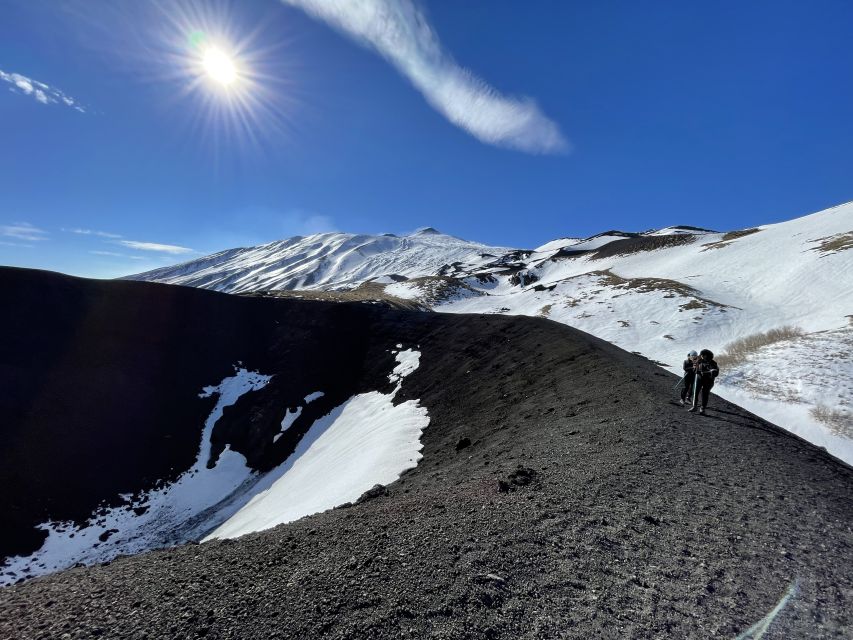
In winter, spring, and autumn, add gloves and a hat. Snowshoes are recommended when snow covers the route, especially during December, January, February, and March. They can be rented on site for €12 per person.
Do not rely on the mountain’s lower temperatures being obvious from the coast. You may begin your day in warm Sicilian weather and find a cold, windy slope at Piano Provenzana.
Who should book this Etna hike?
This is a good choice if you have three hours, want a guided introduction to Etna, and prefer a shorter route rather than a full-day mountain outing. It suits people who want real volcanic features, not just a distant view of the summit.
It can also work well for older hikers who are active and comfortable with uneven ground. One past group included people in their late 60s, but the effort was still noticeable. You should not book it if you do not take part in regular physical activity.
The tour is not suitable for children under six, pregnant women, people with mobility, heart, back, respiratory, or epilepsy-related concerns, or anyone with a strong fear of heights or vertigo. The route may also be changed or stopped if weather, environmental, or volcanic conditions become unsafe.
The experience is not recommended for baby strollers, luggage, or large bags. Keep your load light so both hands are available for balance or walking poles.
Is $42 good value?
At $42 per person, the price is reasonable for a three-hour guided walk that includes an official volcano guide and accident insurance. The value comes from access to a specific eruption zone and from the interpretation along the way, not from transport or equipment.
You need to budget extra for parking, food, water, rental shoes, a windbreaker, or snowshoes if required. Transport from your accommodation is also not included, so you must make your own way to Piano Provenzana.
Compared with a simple viewpoint stop, this gives you more time on foot and a much clearer look at Etna’s volcanic activity. Compared with a demanding full-day trek, it is shorter and more manageable. I see it as a sensible middle option for anyone who wants substance without committing an entire day.
Free cancellation is available up to 24 hours in advance, and you can reserve now and pay later. Starting times vary, so check availability when choosing a date.
Should you book it?
Book this Etna trek if you want to walk through the evidence of the 2002 eruption, hear clear explanations from a volcano guide, and see the north side away from the busiest tourist stops. The buried hotel, the 1911 crater chain, hornitos, and the 2002 Fire Hinge give the route a strong sense of place.
Skip it if you want a flat walk, dislike loose ground, or have trouble with heights, wind, or uneven descents. For everyone else, $42 is a fair price for a focused, three-hour introduction to Etna, provided you arrive with sturdy shoes, warm layers, water, and realistic expectations about the effort.
FAQ
Where does the Mount Etna trek start?
The meeting point is Chiosco Bar Mareneve di Ferraro Giuseppa, near the winter chairlift at Piano Provenzana. It is the second house of four in the parking area.
Is the meeting point the Chiosco Bar Etna Nord?
No. You should go to Chiosco Bar Mareneve di Ferraro Giuseppa, not Chiosco Bar Etna Nord in the lower parking lot.
How long does the trek last?
The stated duration is three hours. The exact time can change depending on the group’s pace and weather or volcanic conditions.
Which languages are available?
The live guide service is available in Italian, English, and French.
Is transport from my accommodation included?
No. Transport to the starting point is not included.
Do I need hiking shoes?
Yes. Proper hiking shoes are required for the volcanic ground and for insurance coverage. Trekking shoes can be rented on site for €5 per pair.
Are snowshoes needed in winter?
Snowshoes are recommended in December, January, February, and March when snow is present. They can be rented on site for €12 per person.
Can children join the trek?
Children under six cannot join. The activity is also not suitable for people with mobility, heart, back, respiratory, or epilepsy-related concerns, or for those with vertigo or a fear of heights.
Just added around Italy
- Catania: Mount Etna Sunset Trekking with Wine Tasting★ 5.0 · 140 reviews
- Path of the Gods Hiking Day Tour from Sorrento★ 5.0 · 110 reviews
- Path of the Gods Private Hiking Tour from Agerola★ 5.0 · 89 reviews
- Path of the Gods Private Guided Hiking Experience★ 5.0 · 49 reviews
- Half or full day trekking on Etna with private guide★ 5.0 · 53 reviews
- Private Cinque Terre Trek & Tour★ 5.0 · 122 reviews
- Hike Lake Castle and Good Food!★ 5.0 · 21 reviews
- From Milan/Como/Varenna: Panoramic Hiking Tours near Lake Como★ 5.0 · 35 reviews
Volcano Hikes, side by side.
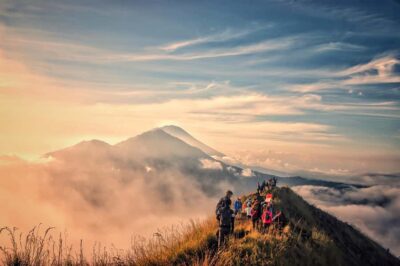
Sunrise Mount Batur Guided Hike with Breakfast
Read our review →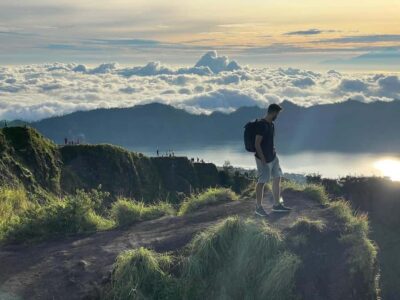
Mount Batur Sunrise Guided Hike and Natural Hot Spring
Read our review →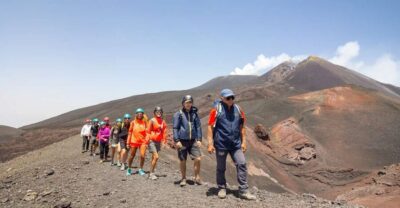
Mount Etna: Summit Guided Hiking Tour up to 3,400 m
Read our review →
Mount Etna: Trek to 3000m with cable car and 4×4
Read our review →
Mount Batur Sunrise Trek With Guide and Breakfast
Read our review →
Mount Batur Sunrise Hike and Natural Hot Spring Option
Read our review →
Mount Etna: Summit Crater Trek with Cable Car
Read our review →