
REVIEW · ITALY
Mount Etna: Hike to The Highest Point With a Guide
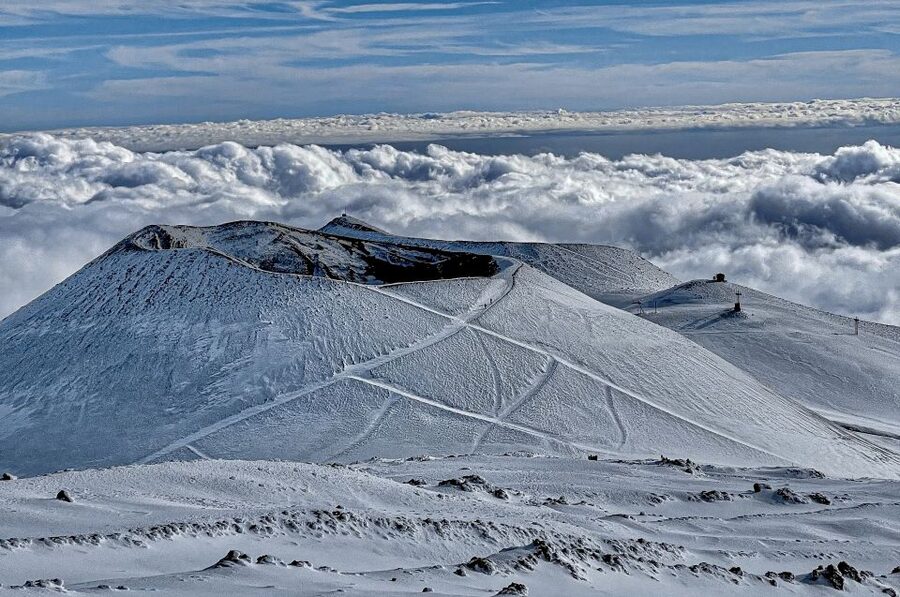
Mount Etna gives you something few mountain walks can: the chance to walk beside still-steaming lava on an active volcano. From Rifugio Sapienza, a cable car takes you to 2,500 meters, then your guide leads you higher, toward 3,000 meters and the base of the active Southeast Crater.
I like the small-group feel when available, and I like that licensed guides explain what you are seeing instead of treating the volcano as a backdrop for photos. The included boots, poles, jackets, helmets, backpack, and accident insurance also make the outing easier to arrange.
The main catch is cost and effort. The advertised price is $65, but the return cable car costs another €52, and the hike is not for casual walkers. Wind, thin air, snow, loose ash, and steep descents can make this a serious mountain day.
Key points before you book
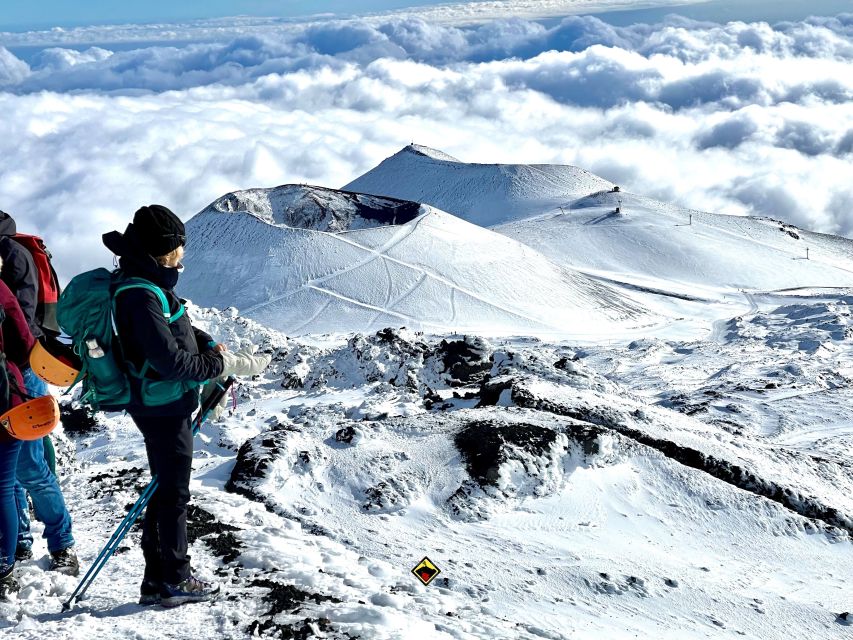
- Reach roughly 3,000 meters: Special access may allow the group above the usual 2,750-meter limit, but only when conditions and the group’s health permit it.
- See active volcanic features: The route includes fumaroles, recent lava flows, the Barbagallo Crater area, a basalt canyon, and the Southeast Crater.
- Expect a trained-hiker outing: The walking can feel manageable on a clear day, but altitude, wind, ice, and loose volcanic gravel change the picture quickly.
- Use the supplied equipment: Trekking poles, helmets, warm jackets, shoes, backpacks, and insurance are included, though gloves and hats are not.
- Budget for the cable car: A return ticket is paid separately on site and costs €52 per person.
- Choose your clothing carefully: Long trousers, sturdy shoes, sunglasses, sunscreen, and several warm layers matter more than style here.
Starting at Rifugio Sapienza at 1,900 meters
Your meeting point is the parking area in front of Bar Esagonal, near Rifugio Sapienza. The guides wait there before helping the group get organized for the cable car ride.
This is not a town-to-mountain transfer. You need to arrange your own way to the starting point, and the tour does not include transport from your accommodation. That matters if you are staying in Catania, Syracuse, or elsewhere on Sicily. One practical complaint is that reaching the meeting point can be awkward without a car or taxi.
The guide will assist with buying the return cable car ticket at the Funivia dell’Etna office. The ticket is not included, so add €52 to the advertised $65 price when comparing this outing with other Etna options.
Once the group is ready, the cable car ride takes about 20 minutes. It carries you from 1,900 meters to around 2,500 meters, removing a large part of the climb while still giving you a strong sense of moving into a harsher, higher world.
More Mountain and Summit Hikes in Italy
- Mount Etna: Summit Guided Hiking Tour up to 3,400 m
★ 4.8 · 4,792 reviews - Catania: Mount Etna Trekking Tour Beyond the Tourist Trails
★ 4.9 · 1,596 reviews - Mount Etna: Summit Trekking Tour
★ 4.9 · 347 reviews
The cable car ride to 2,500 meters
The cable car is more than a convenient lift. It marks the change from an accessible mountain resort to exposed volcanic ground. At 2,500 meters, you are already high enough for colder air, fast weather changes, and stronger wind.
Your guide checks the group before setting off. The excursion needs at least eight participants, and the operator may cancel if that number is not reached. Group size can vary. One reported outing had around ten people, while another reached about twenty, so do not assume every departure will be intimate.
The guides speak Italian, English, and French. Names praised for clear explanations and careful support include Vincenzo, Nikos or Nikkos, Andrea Montemagno, and Fabio. The exact guide depends on the departure, but the guiding style is central to the experience. You are not simply following a path. You are learning why the ground looks and feels the way it does.
Walking beside recent lava flows
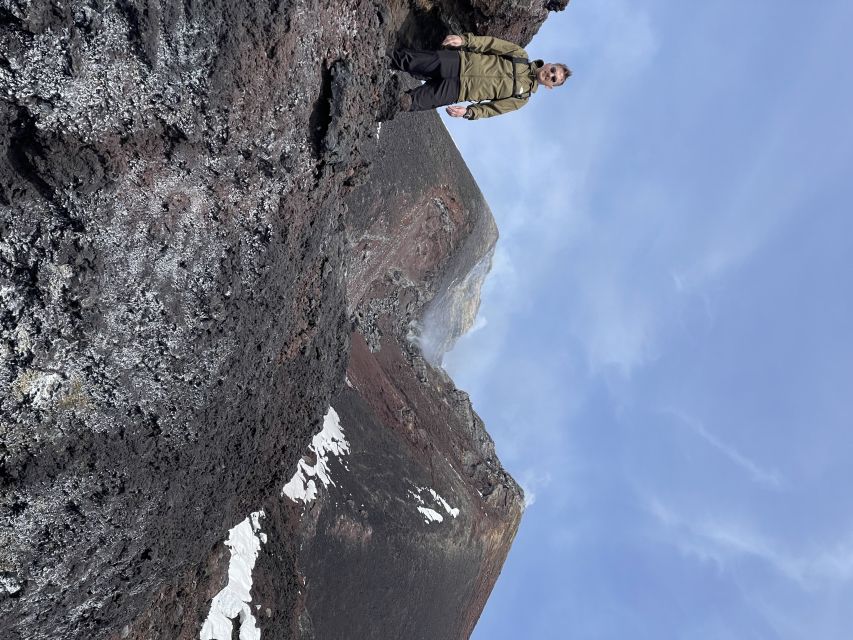
After leaving the cable car, the route heads across dark volcanic ground toward the Barbagallo Crater area. You may walk beside banks of lava from recent eruptions, some still giving off heat and steam.
This is the point where the outing feels different from a standard mountain hike. You can feel warmth from volcanic rock underfoot and see fumaroles releasing hot gases from below. The guide explains the signs of volcanic activity and keeps you away from zones that are restricted or judged too risky.
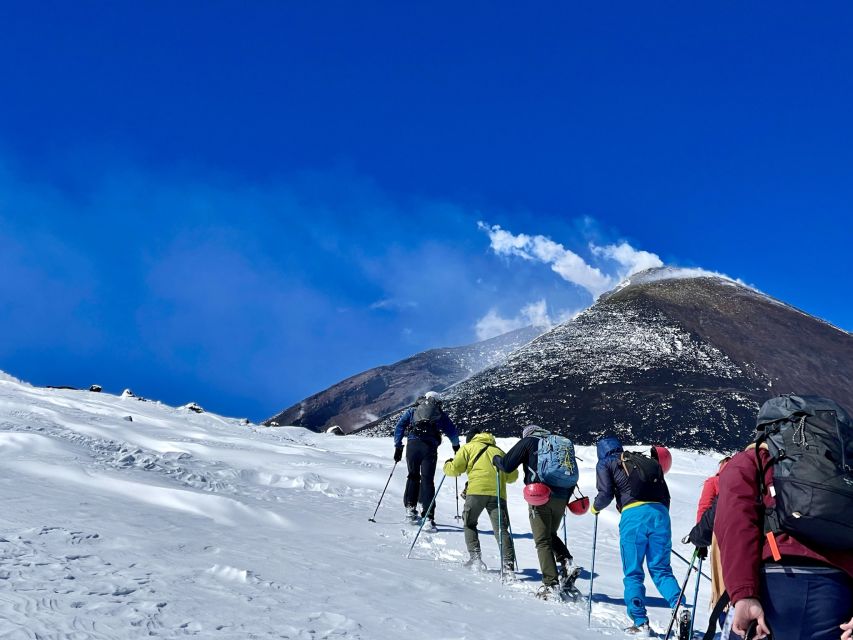
Do not expect a neat trail in the usual sense. The surface can be rough, sandy, icy, or covered by snow. Good boots and trekking poles help with balance, especially on loose ash and steep sections. The supplied footwear is useful, but I would still bring your own well-broken-in hiking boots if you have them and prefer their fit.
The route may include a small basalt canyon. Snow can bury it in winter, so this stop is not guaranteed. That flexibility is part of hiking an active volcano. The route changes with snow, eruptions, weather, and official safety rules.
Barbagallo Crater and the high volcanic route
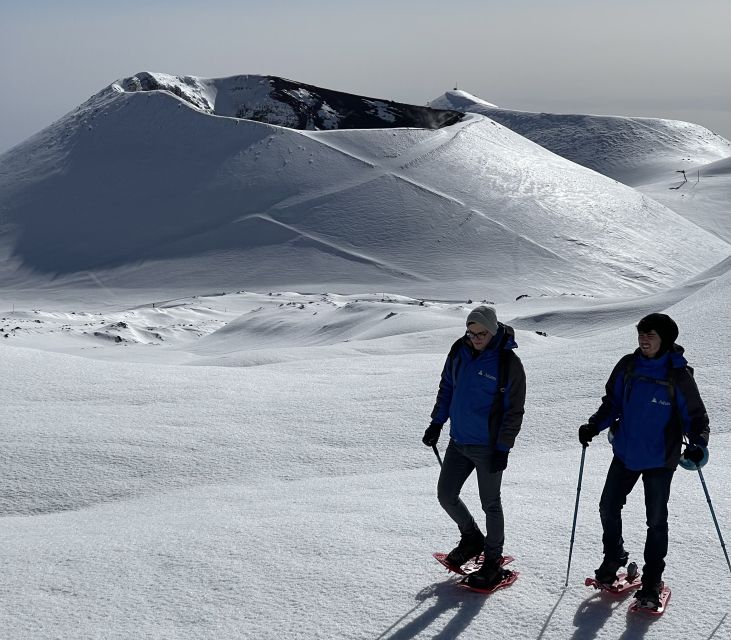
The guided section around Barbagallo Crater takes roughly two hours and twenty minutes. This is the longest part of the outing, with time for explanations, stops, photos, and the gradual climb toward higher ground.
The crater area shows how quickly Etna can reshape itself. Recent eruptions leave fresh black rock, rough ridges, and channels where molten material once moved. Your guide helps you read these features, which makes the walk far more interesting than simply seeing a field of dark stone.
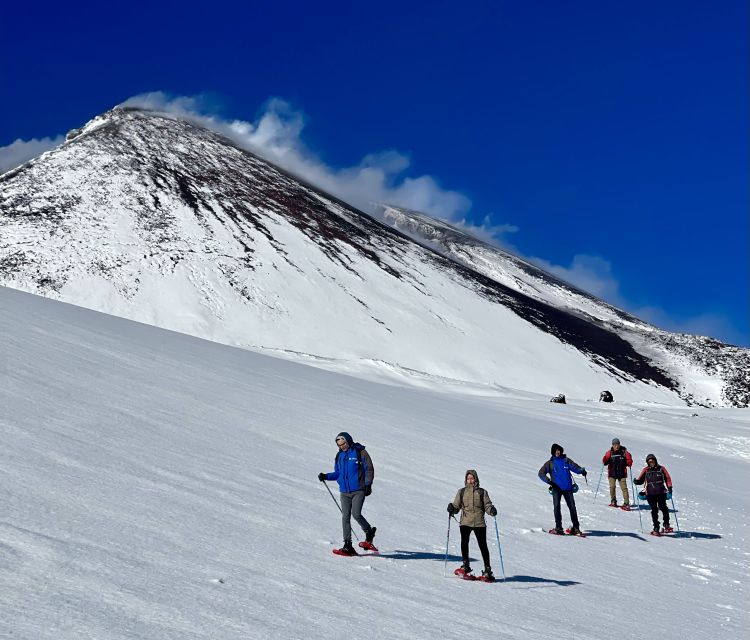
The route can be physically tricky without being relentlessly strenuous. That distinction matters. Some fit people with little hiking experience have managed it, but the same walk becomes much harder in strong wind, snow, or ice. One outing in winter included wind reported at around 100 kilometers per hour, and the conditions made the crater ridge demanding even for fit walkers.
The guide controls the pace and stops to explain the volcano or let you recover. That is a major benefit at altitude. You get time to catch your breath instead of being pushed to maintain a fast walking speed.
More Volcano Hikes in Italy
- Etna: summit craters trekking with volcano guide 3350mt
★ 4.7 · 1,712 reviews - Mount Etna: scenic Summit Trek with a volcano Guide and Gear
★ 4.5 · 284 reviews - Mount Etna: Half-Day Guided Tour and Hike
★ 4.4 · 264 reviews - Mount Etna: Craters of the 2002 Eruption Trekking Experience
★ 4.8 · 237 reviews
Reaching around 3,000 meters
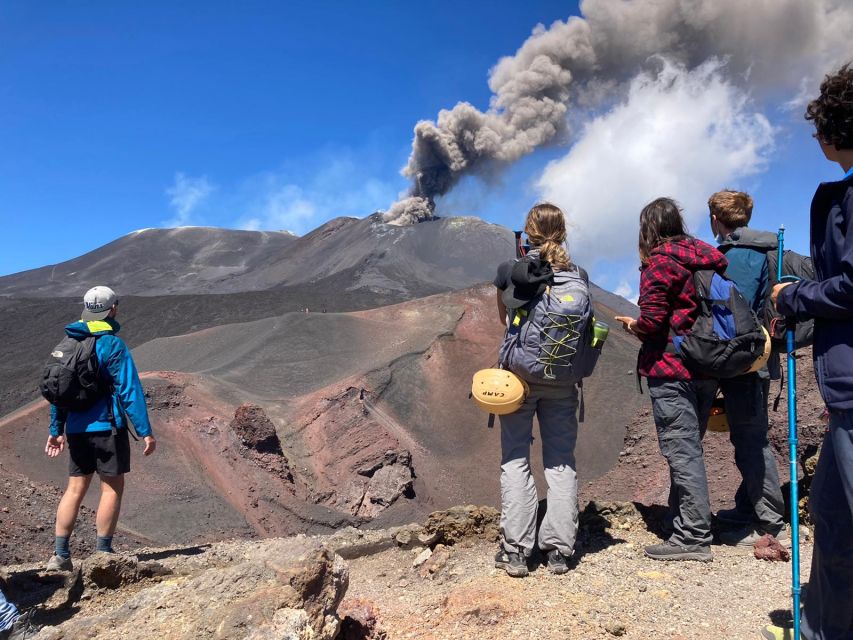
The excursion may pass the current ordinary altitude limit of 2,750 meters under special authorization for scientific purposes. The stated high point is about 3,000 meters, but the guide only continues that high if the group is coping well and there is no serious altitude sickness.
This is not a promise that every departure will reach the same spot. Volcanic activity, official ordinances, wind, snow, visibility, and the health of the group all matter. A responsible guide may shorten the route or turn back. On Etna, that is good judgment, not a failed tour.
Near the high point, you approach the base of the most active crater at the time of the excursion, described as the Southeast Crater. You do not enter the highest-risk zones. The experience is about getting close enough to understand the volcano while respecting the boundaries set by authorities.
The air can feel thin, and the route along crater edges may cause dizziness if you are sensitive to heights. If you have vertigo, heart or respiratory problems, high blood pressure, epilepsy, recent surgery, or a low fitness level, this is not a sensible choice. The activity also excludes people with mobility or back problems.
Fumaroles, hot gases, and volcanic views
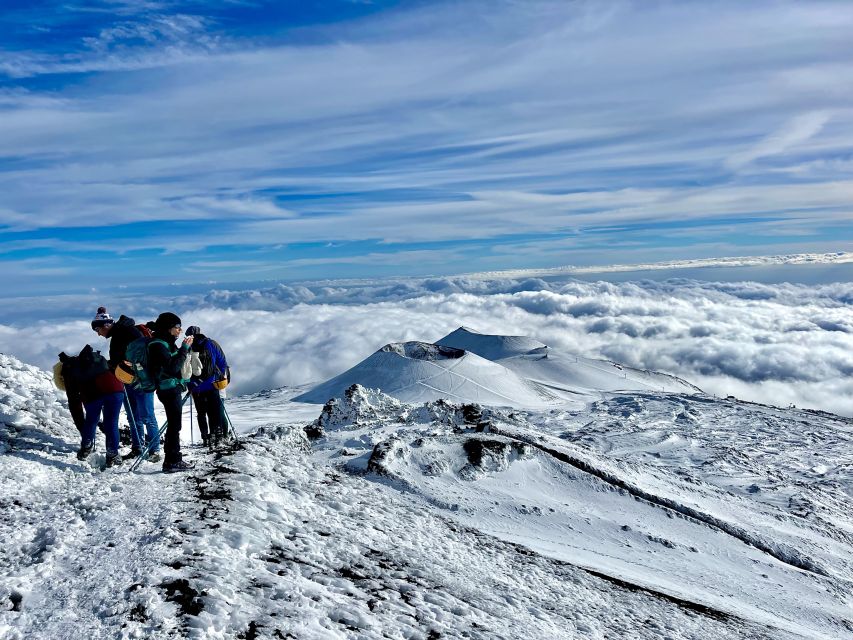
Fumaroles are among the most memorable features on the route. These openings release hot gases from underground, and the guide may allow you to touch the warm gas emissions under safe conditions.
You also get broad views across Etna and Sicily when visibility is good. The volcanic terrain itself is stark and almost lunar, with black ridges, ash, crater rims, and patches of snow. The contrast between snow and dark lava makes winter departures especially striking, though also more demanding.
Plan for a short photo stop of around forty minutes near Mount Etna, plus another break and guided visit of about thirty minutes. These pauses help break up the climb. They also give the guide room to explain the eruptions instead of rushing from one feature to the next.
Bring sunglasses and sunscreen even on a cold day. High-altitude light can be harsh, and wind can make you underestimate sun exposure. You should also carry snacks and drinks because food and water are not supplied.
The descent past the 2002 craters
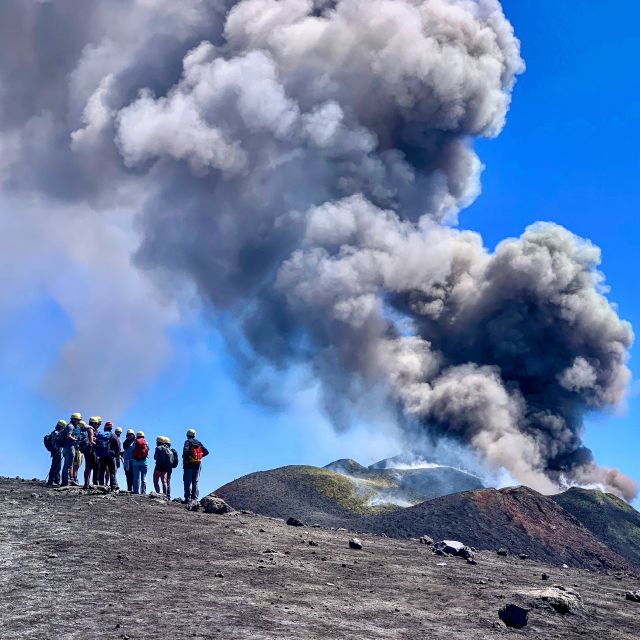
After the upper section, the route heads toward the large craters formed in 2002. This is a useful reminder that Etna is not a static monument. Its shape and routes reflect eruptions that happened within living memory.
The descent is where many people need to pay close attention. Loose sandy shale can make the steepest section awkward, and snow or ice may cover parts of the route in winter. Going downhill can be harder on your knees than the climb, especially after several hours at altitude.
Trekking poles are included and worth using. They help on both the loose volcanic gravel and the descent. Wear long trousers, since volcanic grit can get into clothing, and carry a change of clothes in case snow or wet conditions soak your outer layer.
The route eventually follows a path back toward the cable car station. In some conditions, this final path is easier than the steeper descent near the craters. You then ride the cable car back to the starting point.
Valle del Bove and the final transfer
The stated itinerary includes a short transfer of about 20 minutes to Valle del Bove, followed by the return to Etna Alpine Guides Excursions. The schedule describes this as part of the wider excursion, but the exact order and access can change with volcanic conditions and the day’s route.
Valle del Bove adds another view of Etna’s scale. You see the volcanic mountain not only from its upper slopes but also in relation to a large natural depression shaped by eruptions and collapse. Treat this as a scenic part of the day rather than a separate long walk unless the guide explains otherwise.
The total activity lasts about five hours. That includes transfers, the cable car process, guided stops, walking, and the return. Allow extra time around the beginning if the cable car office is busy. A crowded ticket queue has caused delays before, though it is a small issue compared with the length of the experience.
What the $65 price really covers
At $65 per person, the base price looks attractive for a five-hour high-altitude outing. The price includes the volcanological guide, entry fee, trekking poles, helmet, accident insurance, warm jacket, trekking shoes, and backpack.
The cable car changes the calculation. Add €52 per person for the return ticket, and you are looking at a much higher total before transport, food, drinks, or optional snowshoes. Snowshoe rental costs another €15 when deep snow requires it.
Even so, the package can offer fair value if you need equipment. Buying or renting boots, poles, a helmet, and warm clothing separately would add cost and hassle. The guide is also not a minor extra here. The route crosses an active volcanic area with changing restrictions, so local decisions about safety and access matter.
You should compare the full cost, not just the headline price. If you already have equipment and only want a short Etna visit, a simpler excursion may suit you better. If you want a high route with volcanic explanations and supplied gear, this outing makes more sense.
Clothing and equipment that matter
The supplied jackets and shoes are helpful, but you still need to dress properly. Bring:
- A windbreaker and warm jacket
- Long trousers and comfortable hiking clothes
- Sunglasses and sunscreen
- Gloves and a hat, since these are not included
- Snacks and drinks
- A spare layer or change of clothes
- Proper hiking shoes if you prefer your own pair
Do not arrive in sandals, flip-flops, open-toed shoes, or high heels. Apart from being unsafe, inadequate footwear can affect insurance coverage.
The mountain can be cold and windy even when Sicily feels warm at sea level. Winter may bring snow and ice, while clear weather does not guarantee calm conditions. Pack for exposure, not for the temperature in Catania.
Who will enjoy this Etna hike
I would choose this excursion if you want a close look at volcanic activity and are comfortable with a demanding mountain walk. It suits fit hikers who can manage several hours on uneven ground, crater edges, loose ash, and possible snow.
It is not a good match for a first-ever outing if you have low fitness or no experience with mountain conditions. The fact that some people with little hiking experience manage the route does not make it easy. You need balance, stamina, and a calm response to heights and wind.
Children under 12 are not allowed. The activity also excludes people with vertigo, heart or respiratory conditions, epilepsy, high blood pressure, recent surgery, back problems, or mobility limitations.
The best departure for you will depend on conditions rather than season alone. Winter offers snow and sharp contrasts but can bring ice, strong wind, and a harder descent. Spring can still be cold at the top. Your guide will adjust the route to current safety rules.
Should you book this Mount Etna trek?
Book it if your priority is a serious, guided encounter with Etna rather than a quick viewpoint stop. The combination of cable car access, fumaroles, steaming lava, recent craters, and specialist explanations gives you a much closer look at the volcano.
Before paying, make sure you can handle the altitude and add the €52 cable car cost to your budget. Bring gloves, a hat, snacks, water, and proper trousers even though several pieces of equipment are supplied.
I would skip it if you want an easy walk, have medical or mobility concerns, dislike exposed crater edges, or cannot accept a route change caused by weather and volcanic activity. For fit hikers who respect those limits, this is a memorable and well-supported way to reach Etna’s high volcanic world.
FAQ
How high does the Mount Etna hike go?
The excursion aims to reach about 3,000 meters. Going above the ordinary 2,750-meter limit requires special authorization and depends on volcanic conditions and the health of the group.
Is the cable car included in the price?
No. The return cable car ticket costs €52 per person and is paid on site. The guide helps with purchasing the ticket before departure.
How long does the experience last?
The activity lasts about five hours, including the cable car, guided walking, photo stops, breaks, and the return to the starting point.
What languages does the guide speak?
Guides are available in Italian, English, and French.
Is equipment provided?
The tour includes trekking poles, helmets, warm jackets, trekking shoes, and a backpack. Gloves and hats are not included, so you need to bring your own.
Can children join the hike?
Children under 12 are not allowed on this excursion.
What happens if the weather is bad?
The excursion may be cancelled or rescheduled in adverse weather. The route also follows current volcanic safety ordinances, so the guide may change or shorten it when conditions require.
More Mountain and Summit Hikes in Mount Etna
- Mount Etna: Trek to the Craters of The 2002 Eruption
★ 4.9 · 9 reviews - From Taormina or Catania: Private Full-Day Mount Etna Hike
★ 4.5 · 8 reviews - Berber villages : Atlas Mountains Day Hike from Marrakech
★ 5.0 · 14,007 reviews - Bali: Sunrise Mount Batur Guided Hike with Breakfast
★ 4.8 · 9,660 reviews
More Volcano Hikes in Mount Etna
- Piano Provenzana: Mount Etna Hiking Trip to 3,380 Meters
★ 4.8 · 54 reviews - Etna South: High Altitude Winter Trek with an Alpine Guide
★ 4.8 · 27 reviews - Taormina and Catania: Private guided Etna hike by cable car
★ 5.0 · 17 reviews - Mount Etna: Private Half-Day Guided Family-Friendly Hike
★ 5.0 · 11 reviews
Just added around Mount Etna
- Taormina and Catania: Private guided Etna hike by cable car★ 5.0 · 17 reviews
- Piano Provenzana: Mount Etna Hiking Trip to 3,380 Meters★ 4.8 · 54 reviews
- Mount Etna: Trek to the Craters of The 2002 Eruption★ 4.9 · 9 reviews
- Etna South: High Altitude Winter Trek with an Alpine Guide★ 4.8 · 27 reviews
- From Taormina or Catania: Private Full-Day Mount Etna Hike★ 4.5 · 8 reviews
- Mount Etna: Private Half-Day Guided Family-Friendly Hike★ 5.0 · 11 reviews
- Mount Etna: Craters of the 2002 Eruption Trekking Experience★ 4.8 · 237 reviews
- Mount Etna: Half-Day Guided Tour and Hike★ 4.4 · 264 reviews
Volcano Hikes, side by side.
Sunrise Mount Batur Guided Hike with Breakfast
Read our review →
Mount Batur Sunrise Guided Hike and Natural Hot Spring
Read our review →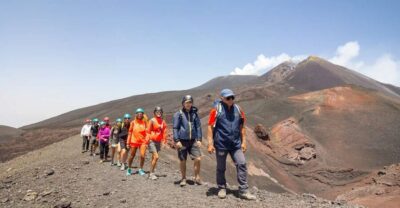
Mount Etna: Summit Guided Hiking Tour up to 3,400 m
Read our review →
Mount Etna: Trek to 3000m with cable car and 4×4
Read our review →
Mount Batur Sunrise Trek With Guide and Breakfast
Read our review →
Mount Batur Sunrise Hike and Natural Hot Spring Option
Read our review →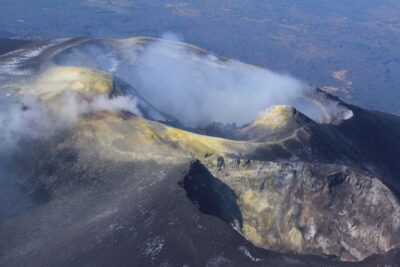
Mount Etna: Summit Crater Trek with Cable Car
Read our review →