
REVIEW · NEPAL
Pokhara: 7 Day Annapurna Base Camp Trek
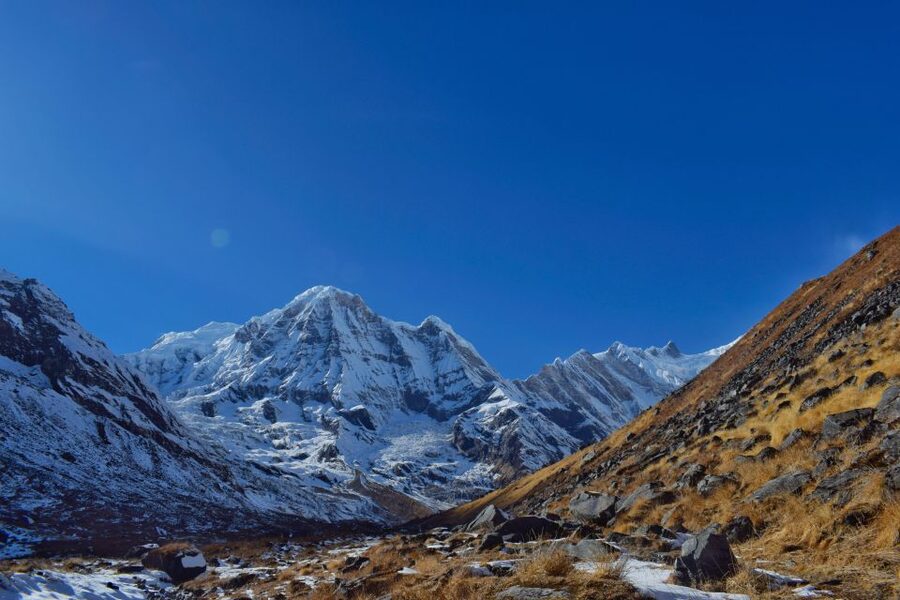
Annapurna Base Camp gives you a rare Himalayan payoff without requiring two or three weeks on the trail. In seven days, you walk from Pokhara through rice terraces, Gurung villages, bamboo woods, and steep mountain valleys to a high bowl surrounded by Annapurna I, Machhapuchhre, Hiunchuli, and their neighbors.
I like the private format, because guides such as Pratiksha, Hari, Sandesh, and Bidur have adjusted walking speed and rest stops to suit individual hikers. I also like the hot-spring finish at Jhinu Danda, a welcome reward after the steep descent. The main catch is that this is a demanding trek, and the $215 price excludes meals and drinks. A porter costs another $15 per day.
Key points to know before booking
- Reach 4,130 meters in seven days: The route moves quickly, with the biggest altitude gain before Annapurna Base Camp.
- Walk through Gurung country: Ghandruk gives you an early look at traditional villages, farms, and local mountain life.
- Expect changing terrain: Rice fields, rhododendron and bamboo forests, suspension bridges, cliffs, waterfalls, and alpine meadows all appear on the route.
- Your guide makes the difference: Pratiksha, Hari, Sandesh, Bidur, Paras, Krishna, and others are praised for patience, safety, pacing, and local knowledge.
- Jhinu Danda breaks up the return: Its riverside hot springs help tired legs after several days of stairs and downhill walking.
- Budget for food and perhaps a porter: Lodging, permits, transport, poles, and a duffel bag are included, but meals are bought along the way.
What $215 buys you on the Annapurna trail
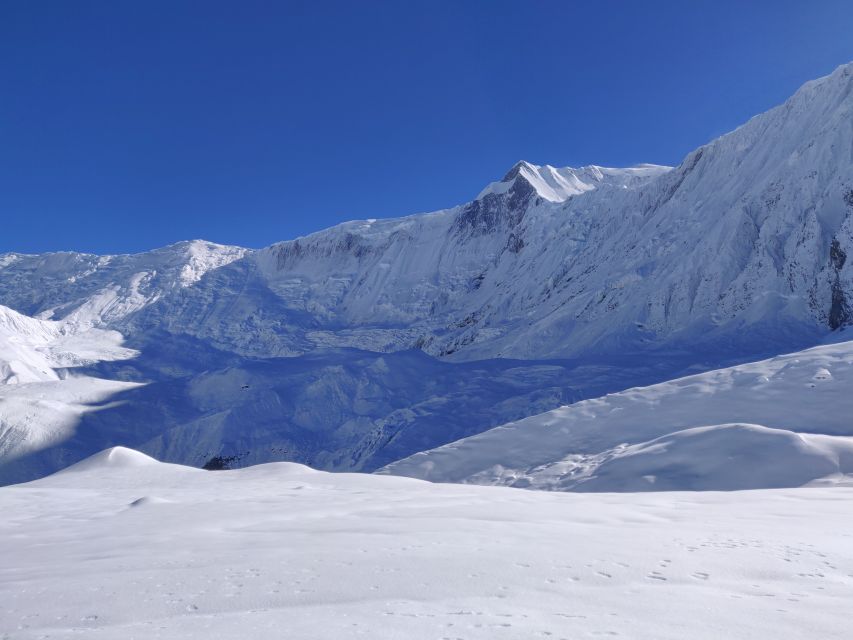
At $215 per person, this is a strong-value way to reach Annapurna Base Camp from Pokhara. The price covers hotel pickup and drop-off, private roundtrip transport, an Annapurna Conservation Area permit, government permits, standard tourist lodges, a certified guide, a first aid kit, luggage storage in Pokhara, and a duffel bag and trekking poles if needed.
That package removes several chores that can complicate an independent trek. You do not need to arrange the drive to Nayapool, sort out conservation permits, or find your own way between lodges. The company also stores luggage in Pokhara, so you can carry only what belongs on the trail.
The important word is standard. These are tourist lodges, not high-end mountain hotels. Food and drinks are not included, so your final cost will be higher than the advertised price. A porter is available for $15 per day, which can be sensible if you are not used to carrying a pack at altitude.
This is a private group, not a large fixed departure. That matters on a strenuous route. Guides have adjusted the pace for first-time hikers, slowed down when someone felt sick, and changed plans when conditions or altitude made the original schedule unsafe.
More Annapurna Treks in Nepal:
- Annapurna Circuit Trek with Tilicho Lake
★ 5.0 · 368 reviews - Annapurna base camp trek 5 Days
★ 5.0 · 252 reviews - 14-Day Private Annapurna Base Camp Trek
★ 5.0 · 180 reviews
Day 1: Pokhara to Nayapool and traditional Ghandruk
The first morning begins with pickup at your hotel in Lakeside Pokhara. Private transport takes you to Nayapool, where the walking starts among villages, farmland, and terraced rice fields.
The day ends at Ghandruk, a traditional Gurung village at 1,939 meters. It is an excellent first night because the route has already shifted from city access roads to mountain paths, but you are not yet sleeping at extreme altitude. The village also brings the cultural side of the trek into view. You are walking through a lived-in community, not simply passing through scenery.
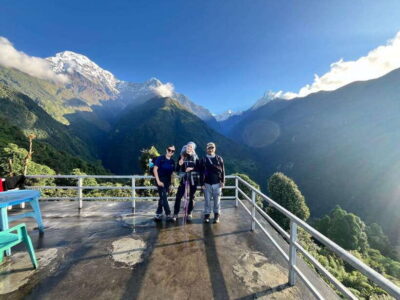
Ghandruk is known for views toward Annapurna South and Machhapuchhre, also called Fishtail. Those peaks begin to give the walk a clear purpose. The drawback is that the day still includes uphill walking, and the first section can feel harder than expected if you have arrived without much preparation.
Take this opening day at a steady pace. Your guide can set a rhythm that leaves you enough energy for the next morning. Guides including Pratiksha, Deepak, Hari, and Sandesh have been singled out for adapting the pace rather than pushing everyone at the same speed.
Day 2: Ghandruk to Lower Sinuwa through forest and bridges
From Ghandruk, the trail rises and falls through rhododendron forests and small settlements before reaching Lower Sinuwa at 2,249 meters. This is a classic Annapurna day: the path keeps changing, and the distance is felt more in the legs than on a map.
You cross suspension bridges over the Modi Khola, the river system that guides much of the route toward base camp. Dense forest offers shade, while occasional openings reveal steep valley walls and mountain ridges.
The up-and-down pattern can surprise you. Many people assume that a trek to base camp simply climbs every day, but this route includes descents that you later have to recover from with another climb. Good boots and trekking poles are useful here. Poles are available as part of the package if you need them.
Lower Sinuwa is an important point because the trail is now moving higher into the valley. Do not treat the second day as a warm-up that is already over. Keep your pack light, drink regularly, and tell your guide early if your pace is slipping.
Day 3: Sinuwa to Deurali and the Modi Khola gorge
The third day takes you from Sinuwa to Deurali at 3,230 meters. The trail passes through bamboo and oak forest, then continues by Dovan and Himalaya as the Modi Khola gorge narrows around you.
The setting becomes more dramatic. Cliffs and waterfalls replace much of the farmland, and the path feels increasingly enclosed by the mountains. The forest also changes as you gain height. This is one of the most varied sections of the trek, but it is not easy walking.
Deurali is the night to take altitude seriously. You are above 3,000 meters, and the following day takes you more than 900 meters higher. One hiker became ill with altitude sickness at Deurali and could not continue to base camp. The guide arranged jeep transport and helped reshape the trip around a different mountain walk.
That story points to the value of having a private guide. Reaching the stated destination is not more important than responding properly to illness. Tell your guide about headaches, nausea, unusual tiredness, or dizziness. The schedule can be adjusted, but you should not hide symptoms to protect the itinerary.
More Week-Long Trips around Nepal:
- Pokhara: 7-Day Annapurna Base Camp Trek & Natural Hot Spring
★ 5.0 · 11 reviews - Private Kilimanjaro Hike 7 Day Lemosho Route
★ 5.0 · 60 reviews - Best Kilimanjaro Adventure 7 days Machame route Trekking
★ 5.0 · 42 reviews - 7-Day: Inca Trail Trek to Machu Picchu Group Tour
★ 5.0 · 40 reviews
Day 4: Machhapuchhre Base Camp to Annapurna Base Camp
This is the headline day. From Deurali, you climb through alpine meadows toward Machhapuchhre Base Camp, then continue to Annapurna Base Camp at 4,130 meters.
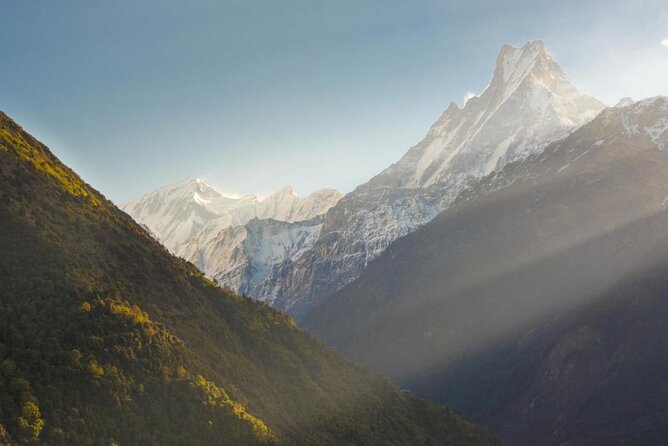
Machhapuchhre, or Fishtail, is one of the most recognizable peaks in Nepal. The route brings it close, along with the Annapurna range and Hiunchuli. As you reach the base camp, the mountains form a huge amphitheater around the trail and lodges. This is the view that makes the hard days worthwhile.
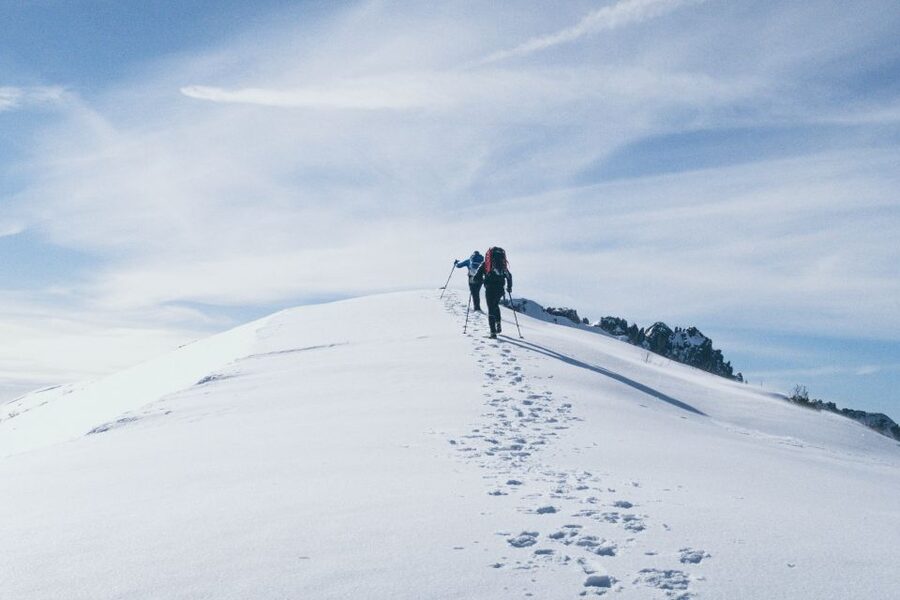
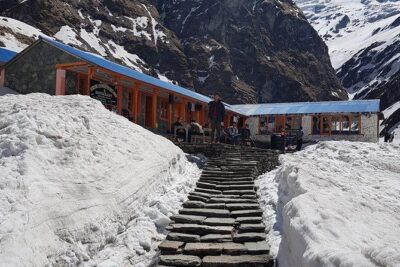
The altitude is serious, and the climb is not a casual stroll. Snow can appear as you approach or leave base camp, even when lower sections of the route are clear. Conditions vary, so listen to your guide and allow the pace to slow.
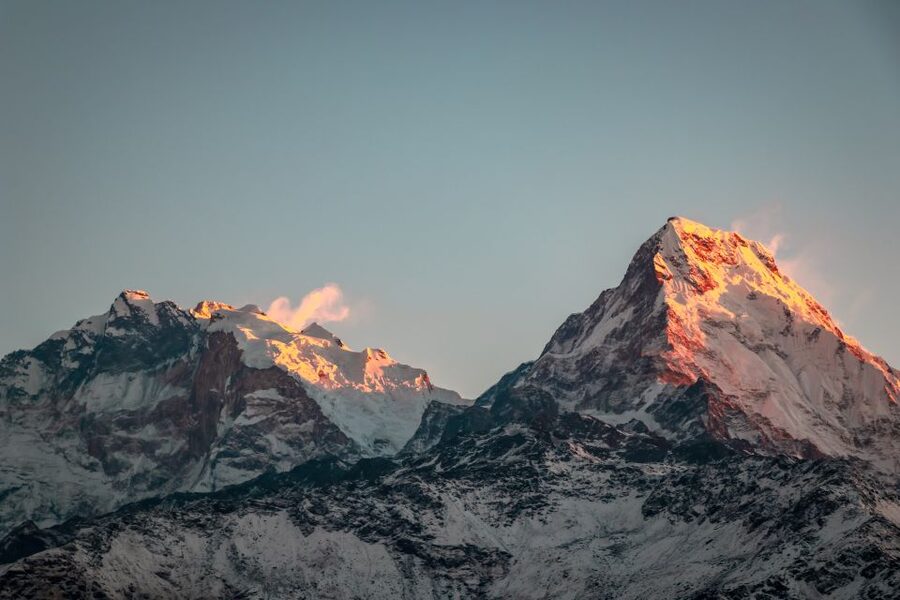
Sunrise at base camp is especially important. You wake with Annapurna I and the surrounding peaks directly in view, often with changing light across the snow and rock. The overnight stay lets you see the site at a quieter hour instead of arriving, taking a quick photo, and turning around.
Seven days is a fairly brisk schedule. It works best for people with good basic fitness who can handle long walking days and repeated climbs. If you are new to trekking, the trip is still possible, but you should prepare beforehand and be honest about your pace. Guides have supported first-time hikers, including people who hired a porter to reduce the load.
Day 5: The long return to Sinuwa
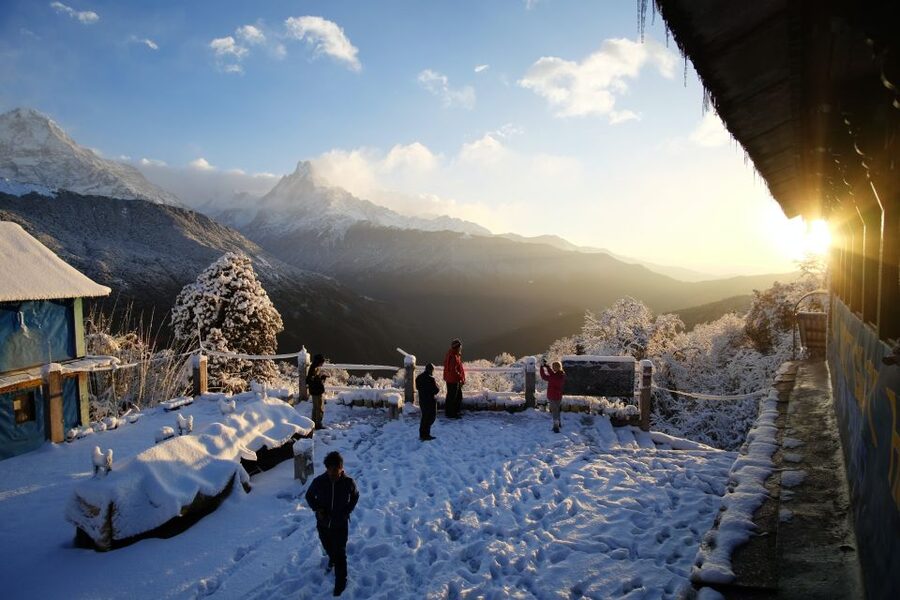
After the sunrise at base camp and breakfast, you retrace the trail toward Sinuwa. The return is mostly downhill, passing back through the alpine zone, the Modi Khola gorge, bamboo, and rhododendron forest.
Downhill walking is easier on the lungs but often tougher on knees and feet. Trekking poles earn their place here, especially on uneven steps and wet sections. Keep some energy in reserve because the descent is long rather than effortless.
One advantage of returning by the same route is that you see familiar places differently. On the way up, you are watching the next climb. On the way down, you can give more attention to the forest, bridges, waterfalls, and village details.
The guide’s role remains practical. Paras has been praised for estimating progress and difficulty well, while other guides have slowed down when hikers felt ill or allowed schedule changes when the group wanted a longer walking day. That flexibility is useful, but it should never mean rushing through altitude symptoms.
Day 6: Sinuwa to Jhinu Danda and the riverside hot springs
The sixth day drops to Jhinu Danda at 1,760 meters. After several days at higher altitude, the descent feels welcome, although the trail still includes plenty of steps and uneven ground.
Jhinu’s natural hot springs sit by the river. Bring swimwear if you want to use them. This is one of the most appealing details in the schedule because it gives your body a chance to relax before the final day.
The hot springs are also why I would not treat the route as a simple race to base camp and back. The stop adds a real sense of place and gives the return journey a distinct highlight. It is a better ending than simply repeating the same road transfer as soon as you leave the high valley.
There is one practical point to consider. The exact amount of time available at the springs depends on the day’s walking pace and local conditions. Still, the stop is built into the plan, and guides have also added it as a welcome surprise for some groups.
Day 7: Jhinu Danda to Nayapool and back to Pokhara
The final walking section descends through farmland and villages to Nayapool. From there, private transport returns you to Pokhara and your Lakeside hotel.
This is the least dramatic walking day. Much of the route is lower and more settled, and some people may find the road sections less satisfying than the mountain paths. One useful suggestion is to ask about ending the trek at Jhinu if that option fits your transport plan, since the route after Jhinu can involve more road walking.
Still, finishing in Pokhara has its advantages. You return to a comfortable base with your stored luggage, restaurants, and the calm of the lake. After a week of walking, that simple return is part of the reward.
Guides, pacing, and the private-group advantage
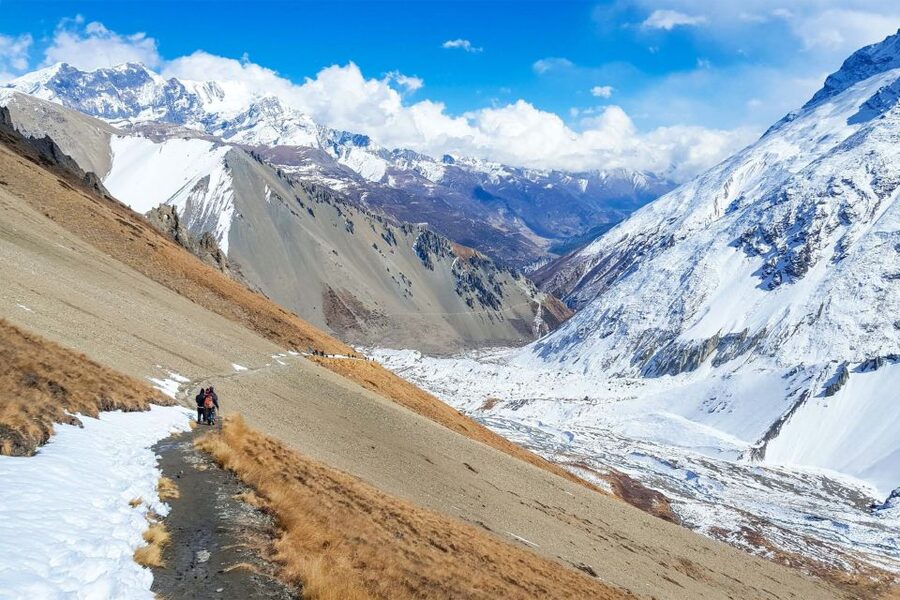
The guide is the most important part of this experience. The company uses government-certified guides, and named guides associated with the trip include Pratiksha, Hari, Deepak, Krishna, Bidur, Sandesh, Paras, Narayan, Santosh, and Sangam.
The strongest pattern is not flashy commentary. It is care on the trail. Guides have adjusted pace for beginners, helped with illness, explained the mountains and villages, arranged changes when plans needed to shift, and built good relationships with lodges.
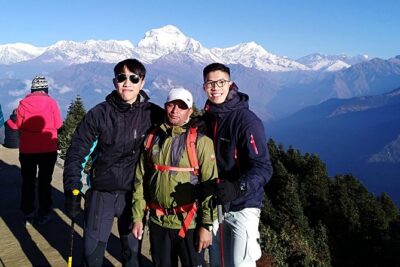
Pratiksha has been praised for patience, local knowledge, and giving hikers room to enjoy the scenery. Hari is known for making hikers feel safe while adding humor and information about Nepal. Sandesh has also helped with photos and videos, which can be a nice bonus when your hands are busy with trekking poles.
You should still ask for a seasonal packing list before departure. That was one useful gap in the preparation. Snow, rain, and warm lower-valley conditions can all be part of this trek, depending on when you go. Monsoon trekking can bring plenty of rain, but it may also mean fewer people on the route and a quieter experience.
Food, lodges, luggage, and what to carry
Meals are not part of the $215 price, but food and drinks are available to buy along the way. Lodges are standard tourist accommodation, so keep expectations practical rather than luxurious.
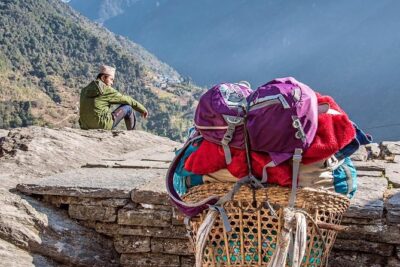
A porter costs $15 per day and can carry some of your weight. I would consider one if you are new to multi-day trekking, carrying camera equipment, or unsure how your body will respond to the climb. The guide can still carry the day-to-day relationship with the route while the porter handles the heavier load.
The operator provides a duffel bag and trekking poles if needed, plus luggage storage in Pokhara. Bring your passport or ID card. You should also ask in advance for the recommended packing list for your travel season, since the supplied information does not set out a full list.
Who should book this seven-day trek
I would choose this trek if you want the main Annapurna Base Camp experience but have limited time in Nepal. The route gives you mountain scenery, village life, forests, bridges, hot springs, and a high camp without turning the trip into a two-week commitment.
It suits hikers who can manage sustained uphill and downhill walking and who appreciate a private guide. It also works for first-time trekkers willing to prepare and accept a flexible pace.
I would think twice if you want luxury lodging, included meals, very short walking days, or a relaxed acclimatization schedule. Seven days is efficient, but it is not leisurely. The altitude gain between Deurali and base camp deserves respect, and no mountain itinerary should be treated as guaranteed.
The experience has a 4.9 rating from 38 reviews, with especially strong praise for guide support, safety, flexibility, and the beauty of the route. That matches the practical value of the package: you pay a modest base price, then add food and any porter service that fits your needs.
Should you book the Annapurna Base Camp trek?
Book it if your priority is reaching Annapurna Base Camp from Pokhara in a well-organized private group, with a certified guide handling transport, permits, lodges, and route decisions. The combination of Ghandruk, the Modi Khola gorge, Machhapuchhre, the base-camp amphitheater, and Jhinu’s hot springs gives you much more than a single mountain viewpoint.
Before paying, confirm the expected food budget, seasonal clothing advice, porter arrangements, and your guide’s name. If you can accept standard lodges and a hard seven-day schedule, this is a good-value route to one of Nepal’s great mountain destinations.
FAQ
How long does the Annapurna Base Camp trek last?
The trek lasts seven days, including the drive from Pokhara to Nayapool on day one and the return drive to Pokhara on day seven.
What is the price of the trek?
The listed price is $215 per person.
What altitude does Annapurna Base Camp reach?
Annapurna Base Camp is at 4,130 meters, or 13,550 feet.
Where does pickup take place?
Pickup is available from any hotel in Lakeside, Pokhara.
Is transportation included?
Yes. Private roundtrip transportation, hotel pickup, and hotel drop-off are included.
Are permits included?
Yes. The package includes the Annapurna Conservation Area permit and government permits.
Are meals and drinks included?
No. Food and drinks are available to purchase along the route.
Can I hire a porter?
Yes. A porter is available for $15 per day.
What languages can the guide speak?
Guides are available in English, Hindi, and Nepali.
What should I bring?
You must bring a passport or ID card. The supplied information does not include a full seasonal packing list, so ask the operator for one before departure.
Just added around Nepal
- Kathmandu: Nagarkot Sunrise and Hike Tour to Changu Narayan★ 4.7 · 151 reviews
- Pokhara: 7-Day Annapurna Base Camp Trek & Natural Hot Spring★ 5.0 · 11 reviews
- Pokhara: Annapurna Foothills Day Hike with Transfers★ 5.0 · 100 reviews
- Pokhara: 5 Day Annapurna Base Camp Trek & Natural Hot Spring★ 4.9 · 44 reviews
- Pokhara: Annapurna Day Hike with Panoramic Views★ 4.3 · 7 reviews
- Pokhara: 4-Day Private Trek Tour★ 4.9 · 43 reviews
- Pokhara: 4-Day Mesmerizing Mardi Himal Guided Trek★ 4.8 · 9 reviews
- Pokhara: 4-Day Poon Hill and Ghandruk Guided Trek★ 5.0 · 14 reviews
Annapurna Treks, side by side.
Trekking in Annapurna/Langtang/Everest/Upper Mustang regions
Read our review →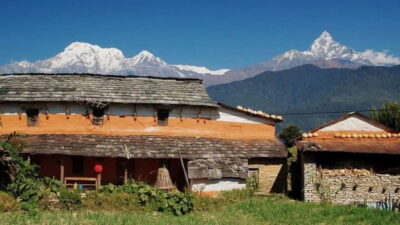
Kathmandu/Pokhara: 5-Day Annapurna Base Camp (ABC) Trek
Read our review →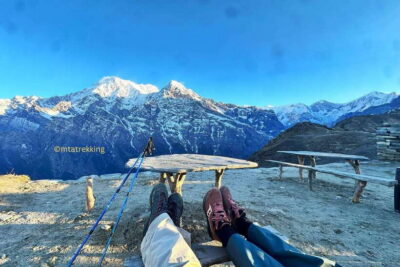
This walk also sits in