
REVIEW · VIETNAM
Sapa: Muong Hoa Valley View & Villages Trek with Local Guide
Sapa’s best views come when you leave town on foot. This trek climbs toward Sa Seng Mountain, then follows village paths above the Muong Hoa Valley, with broad views of Fansipan and Sapa below. I like the mix of scenery and daily life: you may see buffalo, cows, pigs, and local people planting or harvesting rice.
I also like that lunch is served at a small family-run restaurant, not a standard tourist stop, and that guide Su explains Black Hmong customs in clear English. The main drawback is the distance. At 14 to 16 kilometers, with a steep start and slippery sections after rain, this is a proper mountain walk rather than an easy village stroll.
Key points
- A long village trek: Plan on 14 to 16 kilometers and a return to Sapa at about 3:30 PM.
- Sa Seng Mountain views: The first 2.5 kilometers climb to wide views of Fansipan, Sapa town, and Muong Hoa Valley.
- Black Hmong communities: Walk through Hang Da, Hau Thao, and Muong Hoa villages while seeing ordinary rural life.
- Su as your guide: Su is praised for strong English, local knowledge, patience, and adjusting the pace to weather and group ability.
- Family-style lunch: The midday meal takes place at a small local restaurant run by a family.
- Rain changes everything: Muddy, slick paths can make the downhill sections medium to hard, so footwear matters.
Starting at Sapa’s Main Church
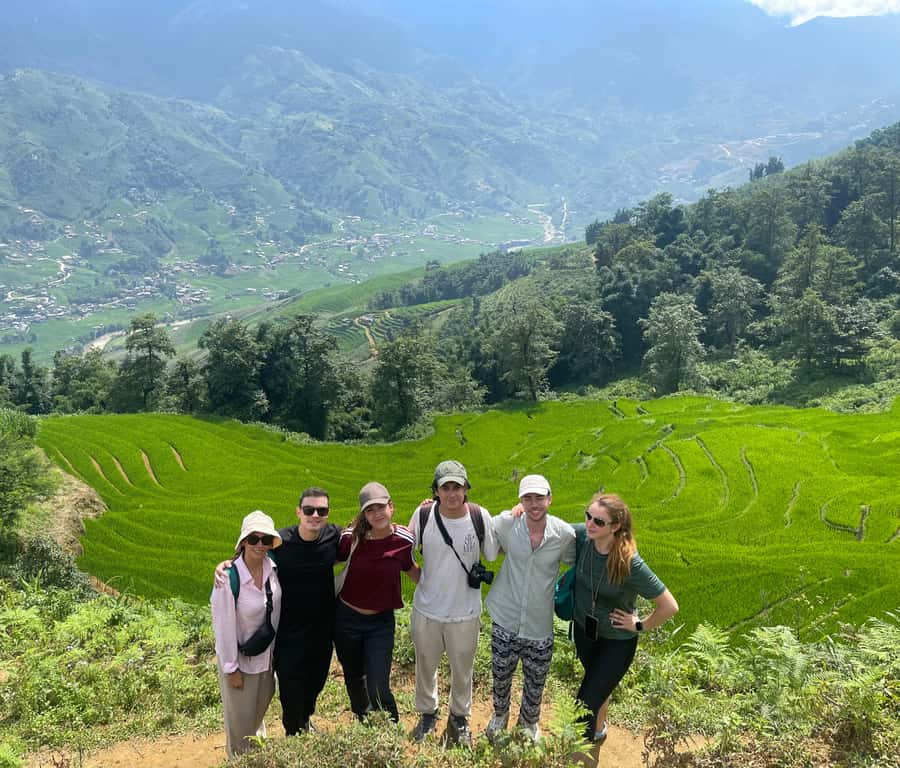
You meet your guide in front of Sapa’s main church. The guide contacts you before the outing, so leave a working WhatsApp number when you book and watch for the meeting details.
The walk begins with a 2.5-kilometer uphill section on a small trail. This is the first test of your legs, but it earns the day’s biggest early reward: views across Sapa town and toward Fansipan, the highest mountain in Indochina.
I would not treat this opening climb as a gentle warm-up. Sapa’s altitude, uneven ground, and changing weather can make a short distance feel longer. Set a steady pace from the start rather than trying to race ahead. Su has been praised for keeping groups together and changing the pace when weather or fitness calls for it, which matters on a walk with several hours still ahead.
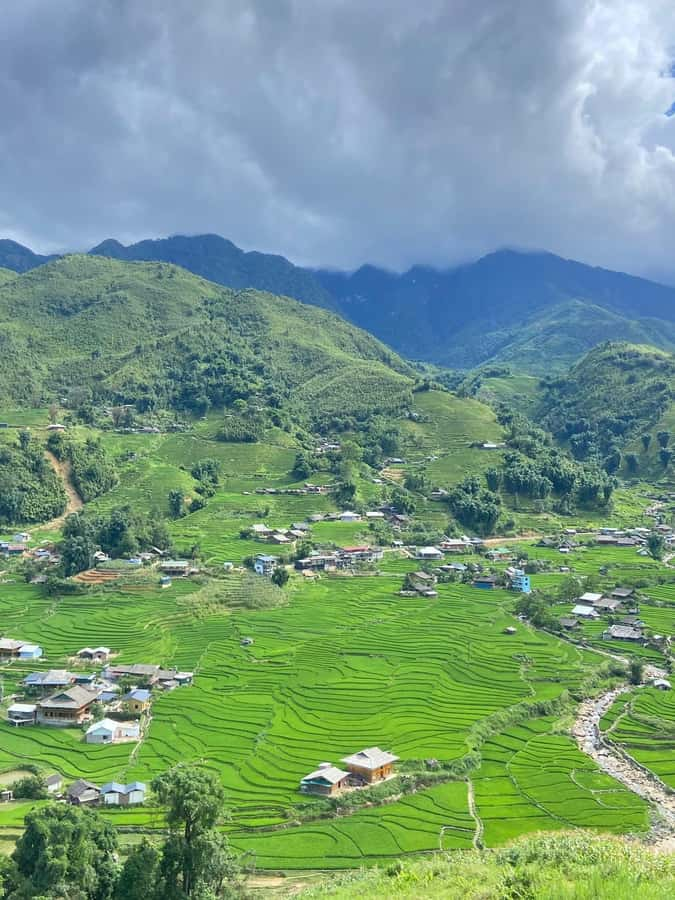
At the viewpoint, take time to look back. You can see how quickly Sapa gives way to steep hills, scattered homes, cultivated slopes, and the long sweep of Muong Hoa Valley. This is also a good place for photographs, since the view brings together the town, Fansipan, and the valley in one frame when the air is clear.
More Rice Terrace Hikes in Sa Pa:
- Sa Pa: Muong Hoa Valley Trek and Local Ethnic Villages
★ 4.6 · 864 reviews - Sa Pa: 6-Hours Muong Hoa Valley Trek with Local Ethnic guide
★ 4.5 · 178 reviews - 1-Day Sapa Long Trek – Rice Field Terrace, Ethnic Culture
★ 4.9 · 62 reviews
Seeing Muong Hoa Valley from Above
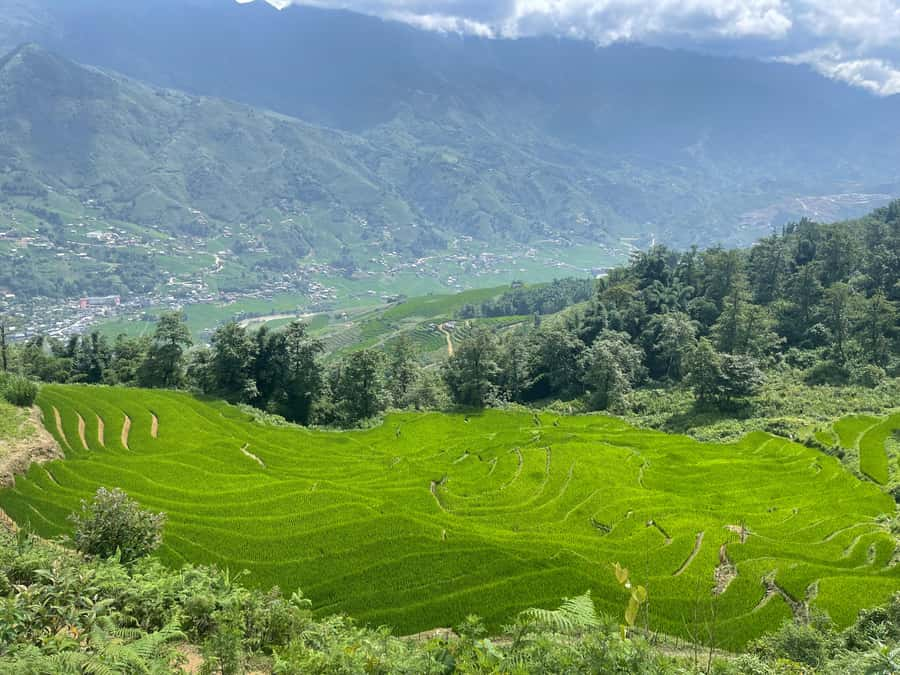
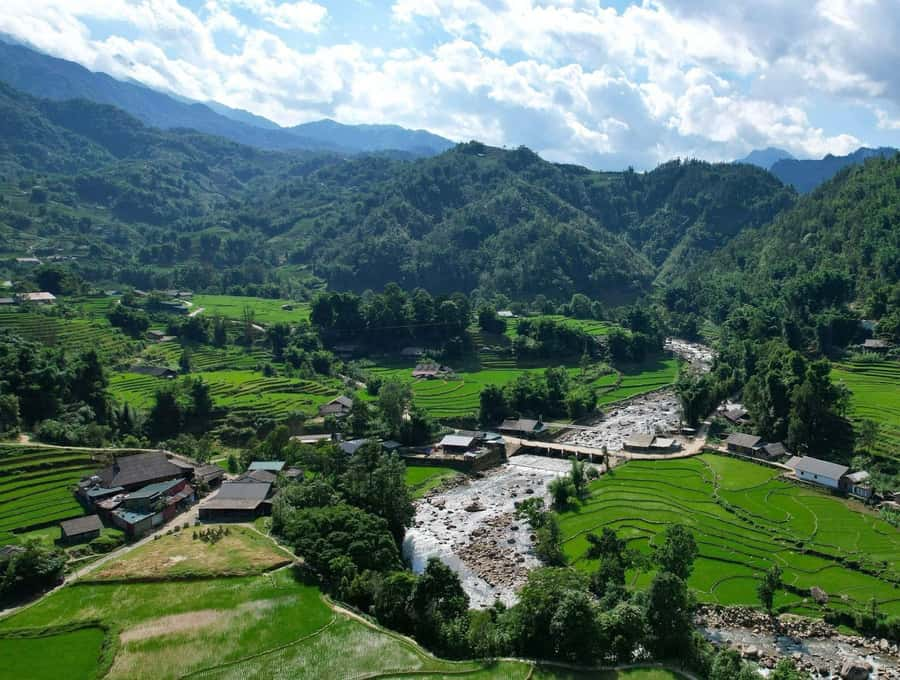
The rice terraces are the visual centerpiece of the outing. Cut into the hillsides, they show how local farming follows the shape of the mountains instead of flattening them. Their appearance changes with the season and the weather, so do not expect one fixed scene all year.
At planting time, the terraces may hold water and reflect the sky. During the growing season, they can appear green. Around harvest, the color shifts again. The exact sight depends on when you visit, but the guide can help explain how rice farming fits into local life.
The valley is also home to the Muong Hoa River, described as one of Sapa’s most important waterways. From the higher paths, you get a useful sense of its role, linking the fields and villages below. The views are not only scenic. They explain why this area has long been shaped by farming, footpaths, and hillside communities.
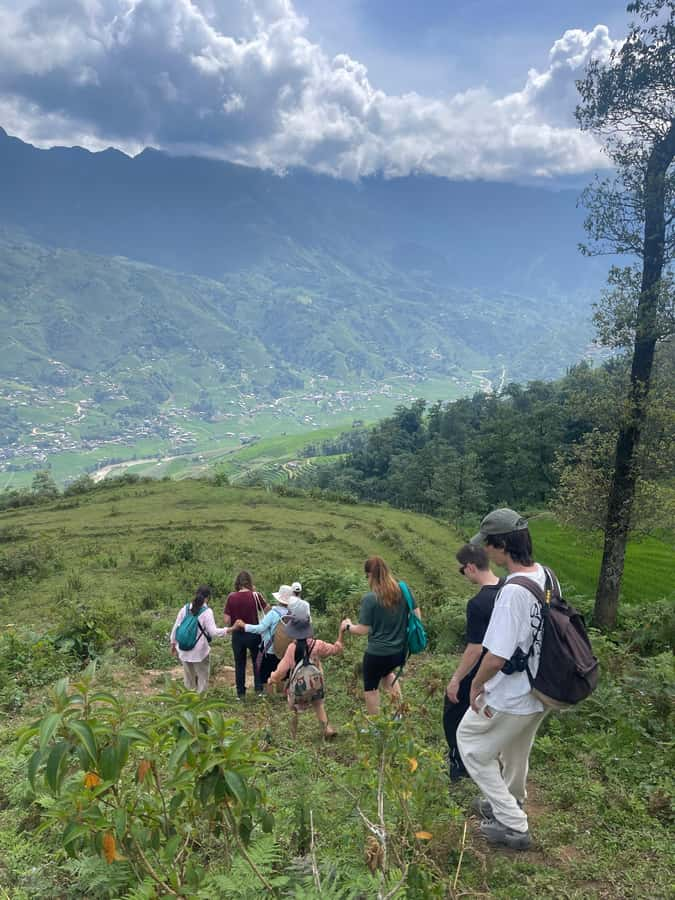
The route does not keep you at one overlook. You move along the mountainside, then begin the descent toward Hang Da. That change is important. From above, you see the grand shape of the valley. On the way down, you start noticing fences, animals, homes, and fieldwork at close range.
Walking Down to Hang Da
Hang Da is a village of the Black Hmong people. The path toward it can be more demanding than the first climb, especially after rain. Mud and slick stones turn an ordinary descent into the part of the trek where good shoes and careful footing matter most.
You may see buffalo, cows, and pigs along the way. These are small details, but they make the walk feel connected to working village life rather than arranged only for photographs. The route passes through places where animals, crops, houses, and paths share the same space.
This is where a local guide adds real value. Su can explain the customs and routines behind what you are seeing, rather than leaving you to guess. His English is described as strong, and he has been praised for answering questions, telling stories, and helping people through the tougher sections.
Expect a simple route, not a polished park trail. You may walk on narrow paths, small roads, and muddy ground. The tradeoff is clear: the rougher route brings you closer to the villages and fields, but it requires more care than a short viewpoint visit.
Lunch at a Family-Run Restaurant
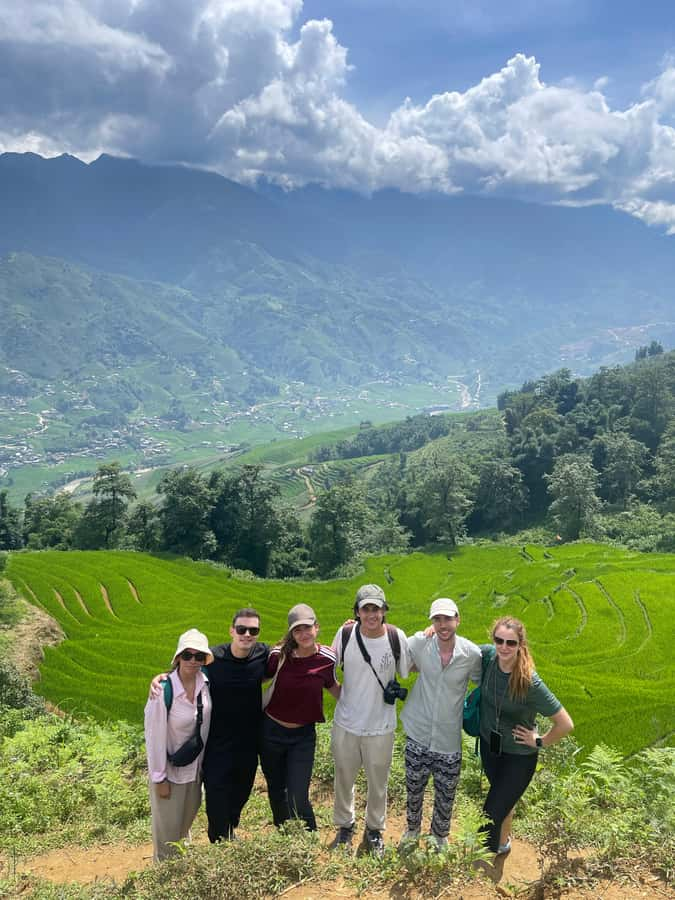
Lunch comes at a small restaurant operated by a local family. The meal is included, along with village entrance fees and one 500-milliliter bottle of water per person.
The setting is part of the appeal. You are eating in a local community during a full day of walking, rather than returning to Sapa for a familiar restaurant meal. It gives you a pause before the second half of the route and a chance to ask your guide more about the people and customs of the area.
Do not rely on the included water as your only supply. A 500-milliliter bottle is helpful, but the tour instructions also advise bringing extra water and snacks. You will be walking for hours, and the climb, descent, heat, or rain can all increase your needs.
The food is presented as a delicious local lunch, but the exact dishes are not specified. If you have dietary needs or special requests, contact the provider before the outing. The experience is more practical than luxurious, which suits the setting and the price.
More Guided Tours in Sa Pa:
- From Sapa: 1-Day Guided Trek to Lao Chai & Ta Van with Lunch
★ 4.9 · 416 reviews - SAPA: 2-DAY 1-NIGHT TREKKING & CULTURE WITH HMONG GUIDE LINH
★ 4.9 · 126 reviews - Sapa Trekking Bargains With Local Guide
★ 4.9 · 91 reviews - From Sapa: Guided Full-Day Trekking with Lunch and Drop-Off
★ 4.2 · 86 reviews
From Hau Thao to Muong Hoa Village
After lunch, the route continues along a small road toward Hau Thao, another Black Hmong village. From there, you continue to Muong Hoa village. This portion is less about one dramatic viewpoint and more about watching how people live and work.
If the timing is right, you may see residents planting or harvesting rice. Farming activity depends on the season, so it cannot be guaranteed. Still, the route gives you a chance to understand the terraces as working fields, not just attractive scenery.
This is also the section where the distance may catch up with you. The entire trek is listed at 14 to 16 kilometers, and the walk can finish around 3:30 PM. If you are used to short sightseeing walks, the final hours may feel demanding. I would book this only if you can manage a full day on uneven mountain paths.
The villages offer a more grounded view of Sapa than the town center. You see the region through homes, animals, roads, crops, and conversations with a local guide. That makes the cultural side of the outing worthwhile, but you should remember that you are walking through living communities. Ask before photographing people, follow your guide’s advice, and avoid treating residents as part of a show.
What the Guide Adds
Su is the guide most closely associated with this experience. You can expect English explanations about Black Hmong culture, local traditions, village life, and the surrounding hills. His role is not only to point out scenery. He helps connect the rice terraces and villages to the people who maintain them.
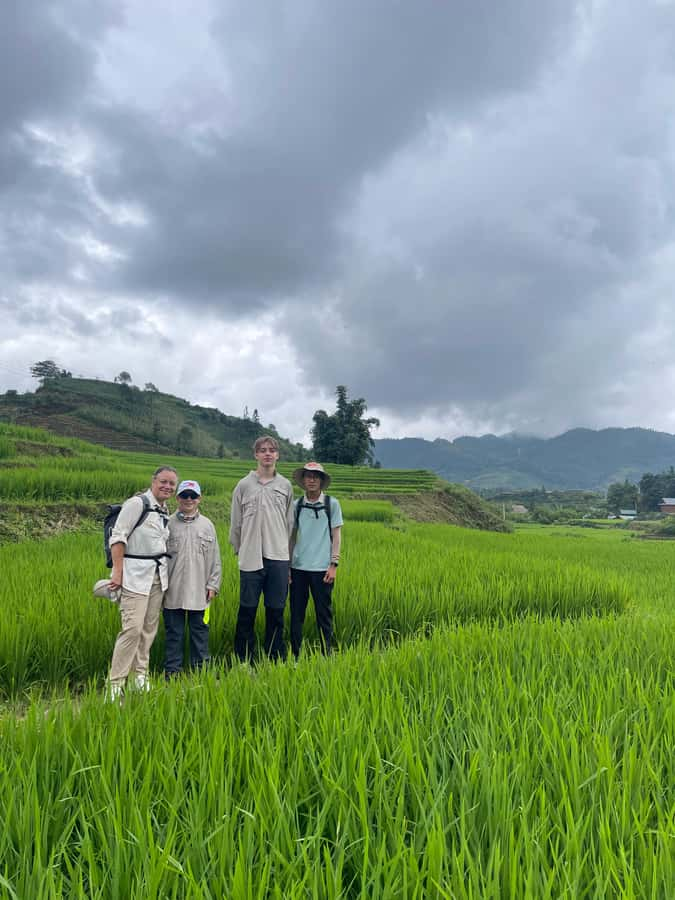
The strongest praise centers on his patience, warmth, and care during difficult sections. That matters because conditions can shift quickly in Sapa. Rain can make paths slippery, and the route includes both uphill and downhill walking. A guide who watches the group and offers practical help can make the difference between a tough but enjoyable day and a stressful one.
Su has also been described as willing to answer questions and explain how local people live. I would use that opportunity. Ask about rice farming, Black Hmong traditions, the village layout, or the animals beside the path. The more questions you ask, the more the walk becomes a cultural visit rather than a long hike with scenery.
Guide assignments can change, so check the confirmation details if having Su specifically is important to you. The experience is offered in English and Vietnamese.
How Hard Is the 14 to 16 Kilometer Route?
The difficulty is best described as medium to hard. The distance is the first issue, but it is not the only one. You begin with a sustained uphill walk, then tackle downhill paths where mud and loose footing can slow you down.
Rain is the main wild card. A path that feels manageable in dry weather can become slippery after a shower. Wear shoes with firm grip and shoes you do not mind getting muddy. Comfortable walking shoes are listed as essential, but ordinary smooth-soled trainers may not be enough in wet conditions.
You should also bring a hat, sunscreen, snacks, a camera, and extra water. Weather can change, so light protection from sun and rain is sensible. The tour advises against plastic bottles and littering, so carry reusable water where possible and take all waste with you.
This walk is not suitable for pregnant people, those with back problems or mobility impairments, people afraid of heights, or anyone dealing with a cold or altitude sickness. Those restrictions are practical warnings, not fine print to ignore. Sapa’s hills can be tiring, and the route may feel exposed in places.
Is the $19 Price Good Value?
At $19 per person, the price is low for a full-day guided outing that includes an English-speaking guide, lunch, village entrance fees, transport back to Sapa at the end, and a bottle of water.
The value comes from the amount of ground covered and the local guidance. You are not paying only for a viewpoint transfer. You get a long walk through several Black Hmong villages, interpretation of the scenery and culture, a family-run lunch, and return transport from the final village.
There are limits. The low price does not mean a private luxury tour, a soft trail, or unlimited refreshments. Anything not specifically listed is extra. You should budget for your own snacks and additional water, and be ready for a basic meal and changing trail conditions.
For someone who wants a short, easy outing, the price does not solve the main problem, which is the physical effort. For a fit visitor who wants village contact and mountain views without paying for a high-end private excursion, it is strong value.
Practical Details Before You Book
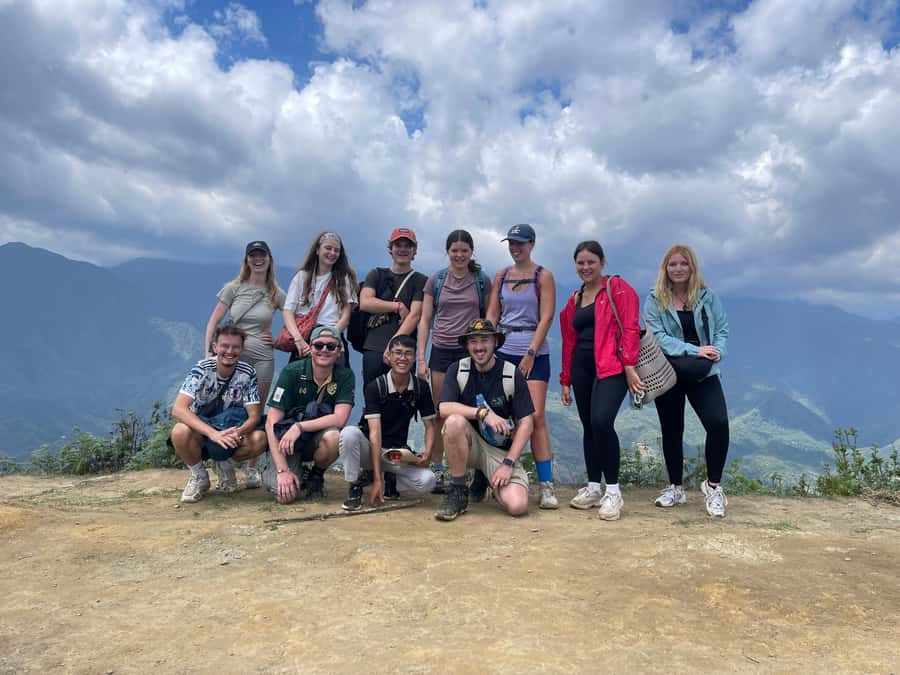
The tour starts at Sapa’s main church and ends back at the meeting point after transport from the village. The expected finish is about 3:30 PM, though weather and walking pace can affect the day.
Cancellation is allowed up to 24 hours in advance for a full refund, and you can reserve while paying later. The provider asks for your WhatsApp number so the guide can confirm details and send updates before the outing.
Avoid smoking and do not litter. The instructions also prohibit plastic bottles, so bring a reusable container if you need more water than the included bottle.
One social point deserves care. Children may approach visitors to sell goods or ask for money along the route. Do not encourage child begging or child labor by handing out cash. Be polite, listen to your guide, and support local businesses through the included meal or appropriate purchases instead.
Who Should Book This Sapa Trek?
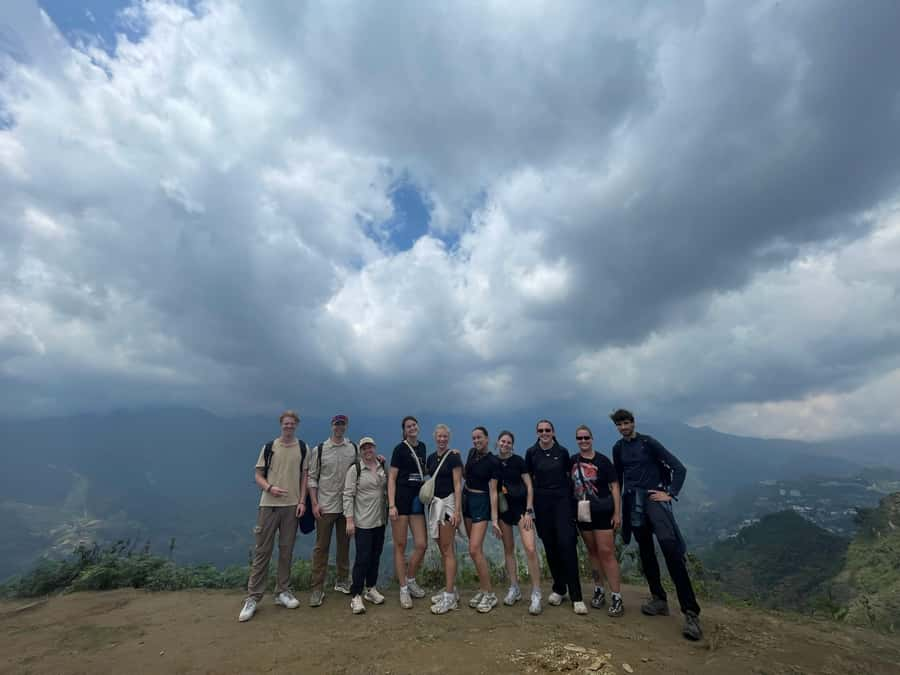
I would choose this outing if you want to combine a serious walk with a close look at Black Hmong village life. It suits people who enjoy changing scenery, muddy paths, long days outside, and conversations with a local guide.
It is especially useful for first-time visitors to Sapa who want more than a cable car or town viewpoint. You see Fansipan from below, Muong Hoa Valley from above, and the rice terraces at walking level. The route gives you several ways to understand the area.
I would skip it if your main goal is comfort, an easy half-day, or guaranteed dry footing. The distance is substantial, and wet weather can make the descent genuinely difficult. If you have health or mobility concerns, choose a shorter route after speaking with a medical professional and the provider.
Should You Book This Trek?
Book it if you can comfortably walk 14 to 16 kilometers, want a local guide, and are happy to trade polished paths for village roads and mountain trails. The combination of Fansipan views, Muong Hoa terraces, Black Hmong communities, and family-run lunch gives you a fuller picture of Sapa than a quick photo stop.
My main advice is simple: bring grippy shoes, extra water, snacks, sun protection, and patience. If Su is guiding your departure, use his local knowledge and ask questions. For $19, this is an unusually affordable way to spend a full day outside Sapa, provided you are ready for the hills.
FAQ
Where does the trek start?
You meet the guide in front of Sapa’s main church. The guide will message you before the tour with meeting details.
How long is the trek?
The route is approximately 14 to 16 kilometers. It includes a 2.5-kilometer uphill section near the start and can be challenging, especially in wet weather.
Which villages does the tour visit?
The route includes Hang Da, Hau Thao, and Muong Hoa villages, which are home to Black Hmong communities.
Is lunch included?
Yes. Lunch is provided at a small restaurant run by a local family. Extra food, snacks, and drinks beyond the listed inclusions are not included.
What should I bring?
Bring comfortable walking shoes, a hat, sunscreen, snacks, a camera, and extra water. Shoes with good grip are especially important if rain is expected.
Is the trek suitable for everyone?
No. It is not suitable for pregnant people, those with back problems or mobility impairments, people afraid of heights, or anyone with a cold or altitude sickness.
Just added around Sa Pa
- From Sapa: Guided Full-Day Trekking with Lunch and Drop-Off★ 4.2 · 86 reviews
- Sapa Trekking Bargains With Local Guide★ 4.9 · 91 reviews
- Sapa: Y Linh Ho – Lao Chai, and Ta Van Trekking Day Tour★ 5.0 · 25 reviews
- Sapa: Trekking Sapa One Day With Group Tour★ 4.7 · 55 reviews
- Sapa: Ta Phin Village Trek with Lunch and Bathing Experience★ 4.7 · 13 reviews
- Sapa Trekking Private Tour With Ethnic Female Tour Guide★ 4.9 · 24 reviews
- Sapa: Sapa Mountain View And Villages Trek★ 4.4 · 16 reviews
- Sapa: Muong Hoa Mountain Views and Villages Trek with Lunch★ 4.3 · 28 reviews
Rice Terrace Hikes, side by side.
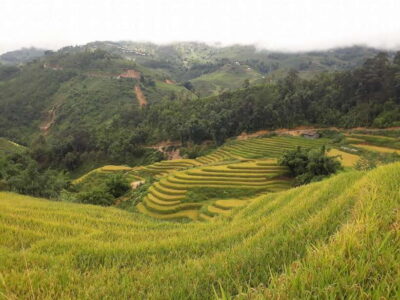
Sa Pa: Muong Hoa Valley Trek and Local Ethnic Villages
Read our review →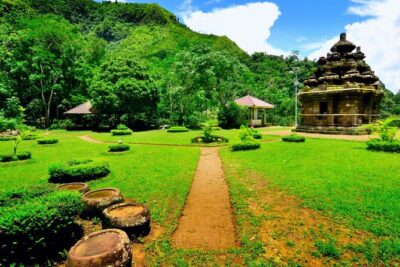
Selogriyo Temple and Trekking Java Rice Terraces, hidden waterfall -Nature Java
Read our review →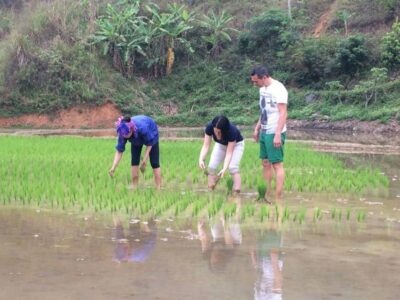
Sa Pa: 6-Hours Muong Hoa Valley Trek with Local Ethnic guide
Read our review →
Yogyakarta: Selogriyo Temple Tour & Java Rice Terrace Trek
Read our review →
Rice Terrace, Holy Water Temple & Waterfalls Trek Tour
Read our review →
1-Day Sapa Long Trek – Rice Field Terrace, Ethnic Culture
Read our review →
Sidemen rice terraces trek and local village walk
Read our review →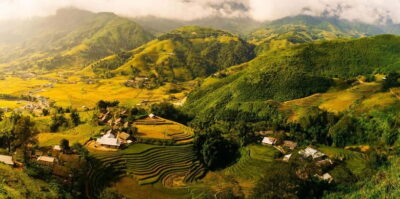
Muong Hoa Mountain Views and Villages Trek with Lunch
Read our review →This walk also sits in