REVIEW · NEPAL
Everest Base Camp Trek
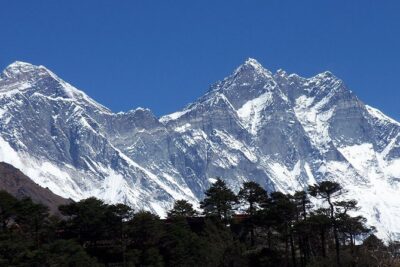
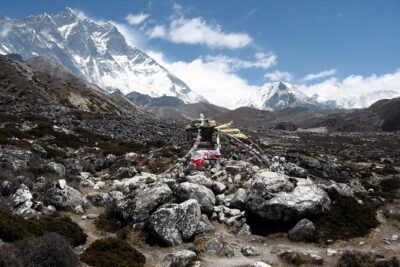
The real hook here is not simply reaching Everest Base Camp. It is the steady walk through Sherpa country, from the short, thrilling flight into Lukla to pine forests, high villages, Buddhist landmarks, glaciers, and the hard climb to Kala Patthar. The mountain route is the main event, and the private small-group format lets your guide set a sensible pace.
I like two practical things right away: porters carry your main gear, and the package includes a sleeping bag, down jacket, and duffle bag. I also like the two acclimatization days, including a hike near 5,000 meters. Guides named Lok, Khila, Lal, Hari, and Ossman have all led highly praised departures, with special attention to safety, pacing, and daily care.
The tradeoff is simple: this is a demanding high-altitude trek, not a casual mountain walk. The price covers much of the hard planning, but you still pay for hot showers, laundry, drinks, insurance, emergency evacuation, and other personal costs. Lukla flights can also be delayed by weather, so flexibility matters.
Key points to know before booking
- Lukla is your dramatic gateway: The 30-minute flight is part of the adventure, and weather can affect the return.
- Two acclimatization days are built in: You hike near Namche Bazaar and later climb toward Nagarkhang Peak at about 5,000 meters.
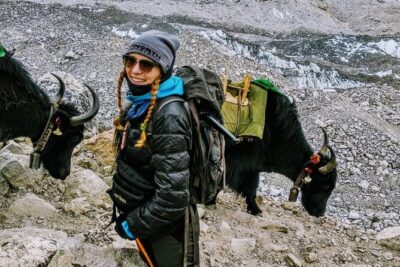
- Porters handle the main load: Your guide and porters travel with you, while you carry only what you need for the day.
- Kala Patthar provides the big view: The early morning climb is tough, but it is the route’s signature viewpoint.
- The package covers useful essentials: Permits, domestic flights, meals, lodging, guide services, porter support, and trekking gear are included.
- The private format adds flexibility: Your own group can walk at its pace, with an assistant guide added for groups larger than six.
What the $1,408 price really covers
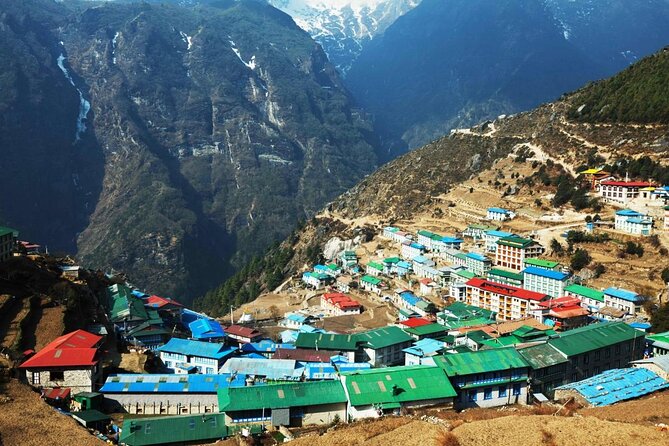
At $1,408 per person, this trek is priced as a bundled mountain trip rather than a simple guided walk. You get airport transfers in Kathmandu, round-trip Kathmandu to Lukla flights, national park and TIMS fees, accommodation, meals, a licensed English-speaking guide, porters, and several pieces of cold-weather gear.
That matters in Nepal. You are not just paying for someone to point toward the trail. The operator handles permits, domestic flights, porters’ pay and insurance, first aid supplies, local taxes, and the small but necessary paperwork that can bog down an independent trip.
The included equipment is useful. A four-season sleeping bag, down jacket, and duffle bag are supplied for the trek and returned afterward. You still need personal clothing, walking gear, toiletries, and any medication you use. Hot showers, phone use, laundry, snacks, bars, and drinks cost extra.
The package includes breakfast on 14 days, lunch on 11 days, and dinner on 12 days. That covers the main walking period, but the exact meal pattern is worth checking before departure because the overall schedule is described as 15 days while the walking portion is also described as an 11-night, 12-day trek.
That apparent mismatch is not necessarily a problem. Days in Kathmandu, the flight buffer, and the final departure day account for much of it. The extra Kathmandu day is especially useful because Lukla flights are vulnerable to poor weather. I would treat that spare day as part of the value, not as wasted time.
More Everest Base Camp Treks in Kathmandu:
- Everest Base Camp Trek – 14 Days
★ 5.0 · 1,499 reviews - Everest Base Camp Trekking
★ 5.0 · 485 reviews - Everest Base Camp Trekking – 13 Day
★ 5.0 · 365 reviews
Days 1 and 2: Kathmandu welcome and the Lukla flight
Your first day begins with an airport pickup in Kathmandu. A representative waits with your name, transfers you to the hotel, and gives you time to settle into the city before the mountain portion begins.
The next morning brings the trip’s first jolt of excitement: the flight to Lukla. It takes about 30 minutes, and the airstrip is famous for its short, dramatic setting in the mountains. You then walk toward Phakding, with the day described as roughly four hours of activity.
This opening day combines transport and walking, so do not expect a gentle sightseeing morning followed by a long rest. Your guide organizes the movement, and porters carry the main luggage. You should still keep water, warm layers, rain protection, and essentials in your day bag.
Lukla flights are weather-sensitive. The schedule includes a return flight and a free day in Kathmandu before your international departure, which gives the operator some room to handle delays. It is wise to protect that flexibility instead of arranging a tight connection home.
Days 3 to 4: Monjo, Namche, and the first acclimatization
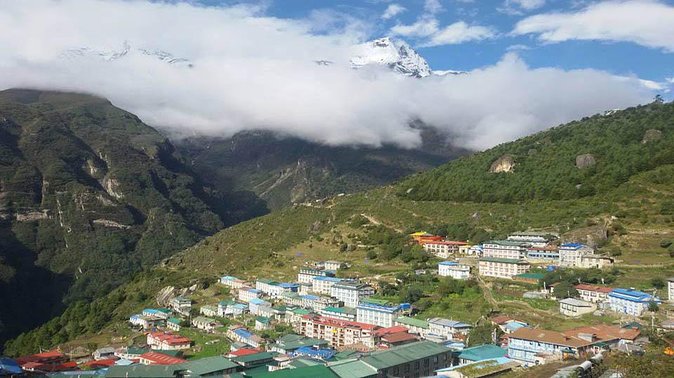
The trail continues through pine forest toward Monjo and Jorsalle, where lunch is planned before the route crosses the Hillary Bridge. From there, the path becomes steeper as you continue toward Namche Bazaar.
This is one of the first days when the altitude begins to shape the experience. The route is not just a series of pretty views. You will be walking uphill, slowing down, and learning how your body responds. Your guide’s pacing matters here, and several past guide teams, including Lok and Khila, were praised for keeping a measured rhythm and paying close attention to safety.
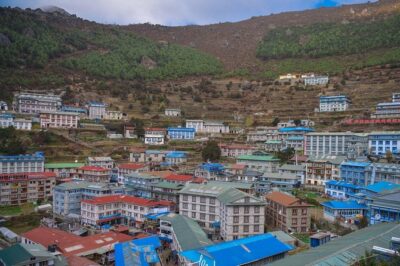
Day 4 is a rest and acclimatization day, but rest does not mean staying in bed. The guide can offer hikes toward Khumjung and Khunde, the Everest View Hotel, Thame, or Sagarmatha National Park. The point is to gain height during the day and return lower for sleep.
I like this design because it makes the trip less of a race. You get time to see Sherpa settlements rather than simply passing through them. The drawback is that the rest day still involves walking, and at this altitude even a short hike can feel serious.
Days 5 to 6: From Khumjung country toward Pangboche
The trail rises toward the national park headquarters, then follows a gentler section to Kyanjuma. After a tea break, you descend to Phungi Thanga for lunch before crossing the Dudh Koshi River and climbing again.
This up-and-down pattern is normal for the route, but it can surprise you. A day that looks like a gradual climb on paper may include a sharp descent followed by another ascent. Porters make a real difference here because you are not carrying your full trekking load.
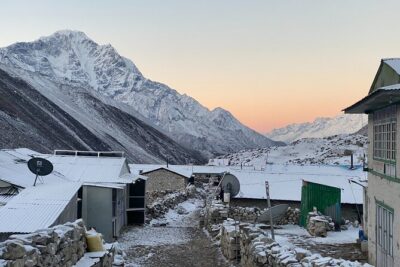
On Day 6, the route follows the Imja Khola toward Pangboche at about 3,930 meters. Pangboche is closely tied to famous Everest climbers and Sherpa mountaineering culture. The village setting, river valley, and mountain views give this section more character than a simple altitude chart can show.
You should expect the scenery to change as you climb. Lower forest gives way to more open, exposed country, and the air feels thinner. Your guide will organize the day, but you remain responsible for speaking up if you feel unwell. Quietly pushing through symptoms is poor mountain judgment.
More hikes and treks around Kathmandu:
- Nagarkot Sunrise View and Day Hiking from Kathmandu
★ 5.0 · 471 reviews - Annapurna Circuit Trek with Tilicho Lake
★ 5.0 · 368 reviews - Everest Base Camp Trek
★ 5.0 · 350 reviews - Everest Base Camp Trek -14 Days
★ 5.0 · 321 reviews
Day 7: A second acclimatization hike near 5,000 meters
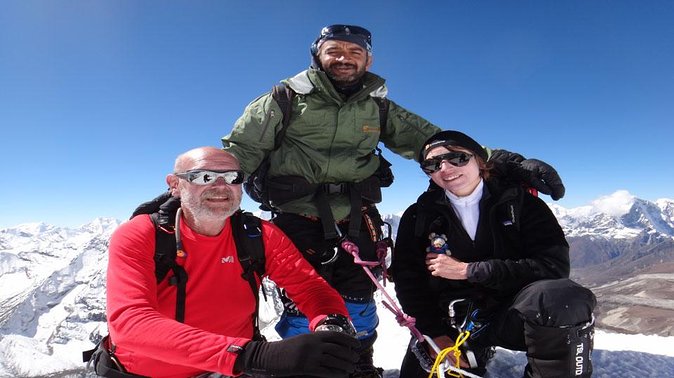
The second acclimatization day includes a hike toward Nagarkhang Peak, at approximately 5,000 meters. From the high point, you can see several Himalayan peaks.
This is an excellent test of the trip’s rhythm. You gain altitude without moving the group’s sleeping place higher, giving your body another chance to adjust. The walk can also show you what the final approach may feel like: thin air, slower steps, and a need to focus on steady breathing.
Do not mistake the word rest for easy. A high acclimatization hike may be one of the most tiring days of the trip. It is also one of the most valuable. I would rather have this planned pause than a faster schedule with no spare time for adjustment.
Days 8 to 9: Dughla Pass and the glacier approach
The route now follows the ridge above Pheriche toward Dughla. After a lunch stop, you climb steeply to Dughla Pass before continuing toward Lobuche.
This is a serious stretch. The climb to the pass comes after several days of walking, and the increasing altitude makes every uphill section slower. You may find the trail more exposed and less forgiving than the earlier forest route.
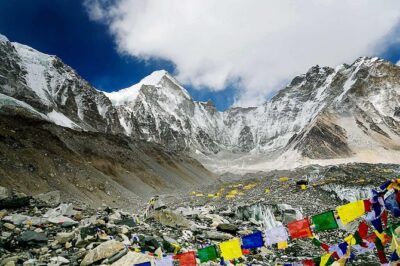
Day 9 brings the approach to Everest Base Camp. The first part is described as relatively manageable, but the route becomes harder once you begin crossing glacier terrain. Uneven ground and low oxygen combine to make this a demanding day.
The reward is proximity. You are moving through the Khumbu region toward the point where major Everest expeditions gather. The goal is not comfort, and the surrounding ice, peaks, and high mountain setting make the effort feel worthwhile. Still, you should not expect a polished attraction or an easy walk to a sign. This is a rough mountain route at serious altitude.
Day 10: Everest Base Camp and the Kala Patthar climb
The schedule places the Everest Base Camp section before an early morning climb toward Kala Patthar. Kala Patthar is the route’s famous viewpoint, and the pre-sunrise start is intentional. The climb is difficult, but the high view across the Khumbu peaks is the payoff.
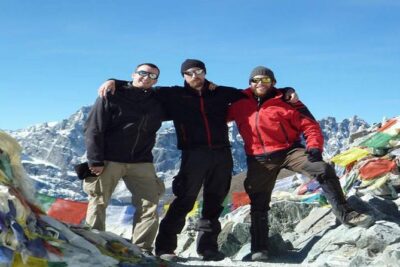
This is likely the emotional high point of the trek. You have spent days gaining height, and now the mountains fill the horizon. The early start also gives the climb a clear purpose: reaching the viewpoint before the sun comes up.
Be realistic about the effort. At high altitude, a short uphill section can take far longer than it would at home. Your guide’s pacing and judgment are important, as is your willingness to stop, rest, and turn around if needed.
The route description says the first glacier section is easier before becoming harder at altitude. That is a useful warning for the entire Everest Base Camp approach. The views may look still and grand, but the conditions underfoot and in your lungs are active challenges.
Days 11 to 13: Descending through Tengboche to Kathmandu
After the high point, the trail turns back toward Debuche and Tengboche. You descend steeply to Phungi Tenga for lunch, beside the Dudh Koshi River, then climb again toward Kyanjuma.
The return is not simply downhill. Mountain paths often trade a descent for another climb, and tired legs can make familiar terrain feel new. Tengboche and the river valley help break up the return, while the changing altitude gradually makes walking easier.
Day 12 takes you down to Jorsalle and onward to Phakding, with lunch along the way, before continuing to Lukla. The route describes this as the end of the main 11-night, 12-day trek. You should expect fatigue here, but also the satisfaction of seeing the trail from a new direction.
On Day 13, you fly back to Kathmandu. The right side of the plane is suggested for mountain views, though the weather decides how much you see. This is another reason not to schedule an international flight immediately after the Lukla flight.
Day 14: The Kathmandu buffer day
A free day in Kathmandu serves two purposes. You can shop, rest, or enjoy the city, and you have protection against an earlier Lukla delay or cancellation.
That buffer is not a luxury on this route. The domestic flight network is affected by mountain weather, so a schedule with no spare day can turn a successful trek into a missed international departure. I would use the day for a relaxed final look at Kathmandu rather than making a risky side plan.
Day 15: Airport transfer and departure
The final transfer takes you to the airport about three hours before your international flight. Kathmandu’s airport has one terminal, and the operator provides the ride.
The simplicity of this last day is welcome. After a high-altitude trek, you want the final transfer arranged rather than negotiating transport with luggage and limited energy.
Guides, porters, and the private-group advantage
The package uses an experienced English-speaking, government-licensed guide trained through Nepal’s tourism ministry. Porters receive meals, accommodation, salary, and insurance through the operator. Groups larger than six receive an assistant guide.
That support is more than a convenience. At high altitude, a guide watches the pace, organizes daily movement, and helps the group respond to changing conditions. The strongest praise attached to this experience centers on individual care. Guides named Lok, Khila, Lal, Hari, and Ossman were singled out for safety, encouragement, organization, and adapting the pace to the group.
The private format is another advantage. You are not joining a large mixed party with a fixed rhythm. Your own small group can move at a pace that suits its fitness and acclimatization. That does not remove the physical demands, but it may make the days feel less rushed.
You should still ask who your assigned guide will be and how many people are in your group before departure. The quality of a trek depends heavily on the guide team, and the included assistant guide only applies to groups over six.
Who should book this Everest trek?
This trip suits you if you want the famous Everest Base Camp route but prefer local support with flights, permits, meals, porters, and gear arranged in advance. It also suits people who value a private group and do not want to carry a full load.
You need moderate physical fitness, but the altitude makes the trek more demanding than that label suggests. You should be prepared for steep sections, long walking days, glacier terrain, cold conditions, and slower movement at high elevation.
The trip is not ideal if you need fixed flight times, dislike basic mountain conditions, or want a short sightseeing holiday. Personal expenses are not included, and neither are travel insurance, medical insurance, emergency evacuation, international flights, Nepal visa fees, or costs caused by natural events.
You can cancel for a full refund at least six full days before the start time. A cancellation two to six days ahead receives a 50 percent refund, while cancellations less than two days before departure receive no refund. If poor weather cancels the experience, you are offered another date or a full refund.
Should you book it?
I would book this trek if you want a well-supported Everest Base Camp experience with two built-in acclimatization days, porter assistance, and a Kathmandu weather buffer. The included flights, permits, meals, gear, and airport transfers give the $1,408 price solid value, especially if you prefer not to arrange each part yourself.
I would hesitate only if you are not ready for high-altitude exertion or cannot allow flexibility around Lukla flights. Ask about the exact walking schedule, accommodation details, group size, and assigned guide before paying. If those answers suit you, this is a practical way to walk through Sherpa country and reach one of the world’s great mountain destinations without managing every detail alone.
FAQ
How long does the Everest Base Camp experience last?
The full program lasts approximately 15 days. The main walking section is also described as an 11-night, 12-day trek, with Kathmandu days, flight time, and a departure buffer included in the longer schedule.
Where does the trek begin?
The experience begins in Kathmandu, Nepal. You are transferred from the airport before traveling by domestic flight to Lukla.
How long is the flight from Kathmandu to Lukla?
The flight takes approximately 30 minutes.
Are airport transfers included?
Yes. Private airport pickup and drop-off services are included before and after the trek.
Are the Kathmandu to Lukla flights included?
Yes. Round-trip domestic airline tickets between Kathmandu and Lukla are included for you and the guide.
Is accommodation included?
Yes. Accommodation is included during the trek and in the arranged program, although the supplied details do not specify the individual properties.
Are meals included?
Breakfast is included on 14 days, lunch on 11 days, and dinner on 12 days.
What trekking gear is provided?
A down jacket, four-season sleeping bag, and duffle bag are provided for use and must be returned after the trip.
Is the trek private?
Yes. This is a private activity for your group. An assistant guide is added when the group has more than six people.
What fitness level is required?
You should have a moderate level of physical fitness. The route includes steep climbs, high altitude, glacier sections, and a hike reaching approximately 5,000 meters.
What happens if poor weather cancels the trip?
If poor weather causes cancellation, you are offered a different date or a full refund.
Is emergency evacuation included?
No. Travel and medical insurance, emergency evacuation, Nepal visa fees, international airfare, and personal expenses are not included.
Just added around Kathmandu
- 14 Days Private Tour Everest Base Camp Trek★ 5.0 · 105 reviews
- Kathmandu: Nagarkot Sunrise & Hike with Lunch -Private/Group★ 4.9 · 122 reviews
- 4 Days Poon Hill Trek★ 5.0 · 94 reviews
- Langtang Valley Trek★ 5.0 · 140 reviews
- Manaslu Circuit Trek★ 5.0 · 184 reviews
- Kathmandu: Dhulikhel to NamoBuddha Day Hike with Lunch★ 4.8 · 62 reviews
- Nagarkot Sunrise View & Day Hiking with Lunch – Private/Group★ 5.0 · 73 reviews
- Nagarkot Sunrise Trip & Day Hike with Lunch from Kathmandu★ 4.5 · 83 reviews