REVIEW · NEPAL
Everest Base Camp Trekking – 13 Day
Reaching Everest Base Camp is the main event, but the route earns its keep long before you get there. You’ll cross suspension bridges, follow the Dudh Koshi River, pass monasteries and mani walls, and sleep in simple lodges where the mountains set the clock. I like that flights, lodging, meals, permits, and a guide are bundled together. I also like the two acclimatization days, which give you a better chance of enjoying the high country instead of merely surviving it.
The catch is the altitude. This is not a scenic stroll, and 13 days leaves little spare time if weather delays the Lukla flight or you need to slow down. The price is strong for an all-inclusive trek, but you still need to budget for insurance, Kathmandu meals, drinks, battery charging, personal gear, and possible single supplements.
Key points at a glance
- Lukla flights are included: The trek begins and ends with flights between Kathmandu and Lukla, the gateway to the Everest region.
- Two acclimatization days matter: You pause in Namche Bazaar and Dingboche before tackling the highest sections.
- Kala Patthar adds the big view: The early morning climb provides one of the finest panoramas of Everest on the route.
- Lodges and meals are covered: You sleep in trailside accommodation and receive 12 breakfasts, 11 lunches, and 12 dinners.
- Guides shape the experience: Guides including Milan, Dibash, Ratna, and Achyut Mishra have been praised for pacing, daily briefings, care, and logistics.
- The trek is private: Only your group participates, with options to personalize the schedule and discounts for groups, families, and honeymooners.
What the 13-day Everest Base Camp trek really involves
This is an organized Himalayan trek, not a guided sightseeing tour with a few walks added. You’ll spend most days on foot, often at altitude, with steep climbs, rough trails, cold mornings, and basic accommodation. The reward is a steady change in scenery, from Kathmandu’s urban sprawl to high valleys framed by some of the world’s tallest peaks.
The route is built around a sensible rhythm. You fly to Lukla, gain height gradually, pause twice for acclimatization, reach Everest Base Camp, climb Kala Patthar, and then return along the Khumbu trail. That structure is valuable because altitude sickness is a real concern. Your guide should help you judge pace and symptoms, but no itinerary can remove the risk.
The private format gives you more control than a large fixed group. You can discuss timing and daily effort with your guide, and the operator says private packages can be adjusted. Still, a private trek does not make the route easy. At high altitude, your body makes the final decision.
More Everest Base Camp Treks in Kathmandu:
- Everest Base Camp Trek – 14 Days
★ 5.0 · 1,499 reviews - Everest Base Camp Trekking
★ 5.0 · 485 reviews - Everest Base Camp Trek
★ 5.0 · 350 reviews
Day 1: A soft landing in Kathmandu
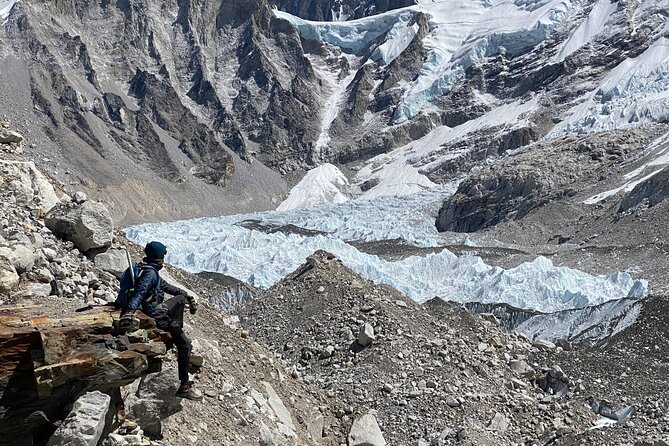
Your trip begins with airport reception at Tribhuvan International Airport. A representative takes you to your hotel after customs and the basic arrival formalities.
This day is mainly about arriving, resting, and getting organized. Kathmandu meals are not included, and personal expenses begin here, so keep some Nepalese rupees or another usable payment method available. You’ll also want to confirm your passport details, check your equipment, and ask about the next morning’s early departure.
If your bags or flights are delayed, say so immediately. The trek starts early, and Lukla flights are closely tied to weather and airport conditions. The operator provides one complimentary Trekking Planner duffel bag for the trek, which must be returned afterward. You should carry your daily essentials in a 25 to 40 liter day pack.
Day 2: The Lukla flight and first steps on the trail
You fly from Kathmandu to Lukla, the small mountain airstrip that serves as the starting point for most Everest Base Camp treks. The flight is part of the package, including the airport departure tax.
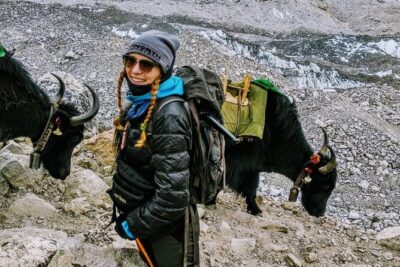
Once in Lukla, you begin walking with your guide and porter support. The first day on foot is not about dramatic altitude. It is about settling into the pace, learning how the trail works, and getting used to carrying a day pack while your larger luggage moves separately.
Flights can be affected by weather, so keep your schedule flexible even though the advertised duration is 13 days. The package operates in all weather conditions, but that does not mean aircraft will fly in unsafe conditions. This is one reason to avoid booking a tight international connection immediately after the trek.
Day 3: Following the Dudh Koshi to Namche Bazaar
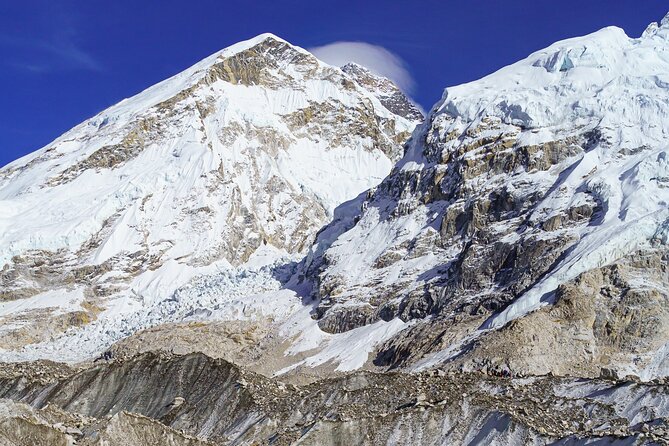
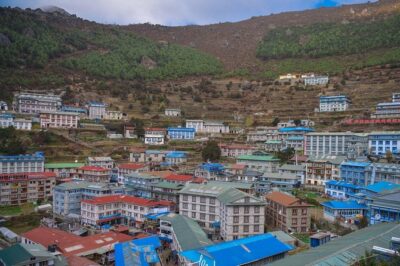
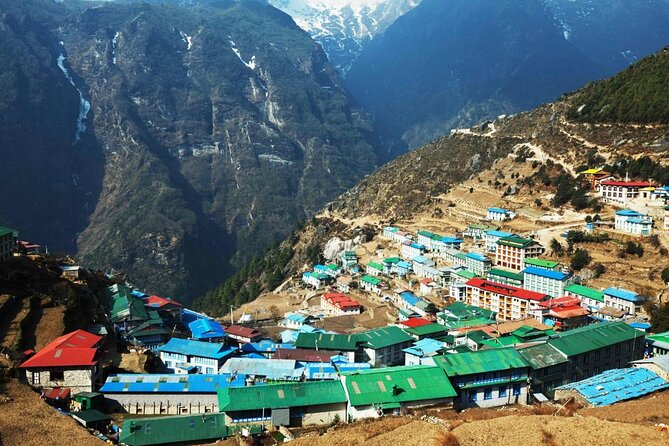
The trail follows the Dudh Koshi River toward Namche Bazaar, an important trading and supply center in the Khumbu. You’ll see your first views of Kongde Ri and cross suspension bridges along the way.
This is one of the more memorable days because the route begins to feel properly Himalayan. The river gives you a constant reference point, while the bridges add a little drama without turning the walk into a stunt show. The approach to Namche includes a sustained climb, so you should not waste energy racing ahead early in the day.
Namche is more than a place to sleep. It is where you begin to feel the effects of altitude, and it offers shops and a lively Saturday market. Do not treat the town as a place to buy every missing item. Prices and availability can vary, and cold-weather gear is better sorted before you leave Kathmandu.
More hikes and treks around Kathmandu:
- Nagarkot Sunrise View and Day Hiking from Kathmandu
★ 5.0 · 471 reviews - Annapurna Circuit Trek with Tilicho Lake
★ 5.0 · 368 reviews - Everest Base Camp Trek -14 Days
★ 5.0 · 321 reviews - Manaslu Circuit Trek
★ 5.0 · 292 reviews
Day 4: Acclimatizing around Namche Bazaar
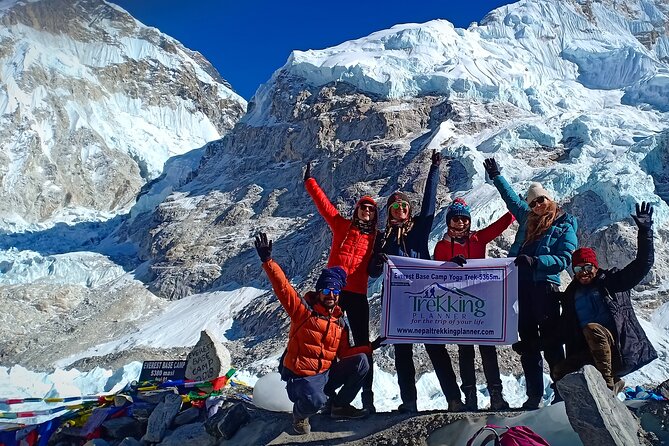
The first rest day is designed to help your body adjust to the increased elevation. Rest does not mean lying in bed all day. Short walks to higher points, followed by a return to Namche for sleep, are commonly used to support acclimatization, and the day includes activities intended to help you adapt.
Namche’s shops and market give this pause some character. You can look around, handle small personal errands, and enjoy the mountain setting without the pressure of covering a long distance. Keep the day easy. The goal is to arrive at the next stages stronger, not to turn the rest day into another hard hike.
Guides are especially useful here. One praised guide, Milan, was noted for explaining the next day’s plan clearly, estimating walking times according to ability, and managing timing carefully. That kind of daily briefing is not decoration at altitude. It helps you know what effort is coming and when to conserve energy.
Day 5: Forest trails, Sanasa, and Tengboche
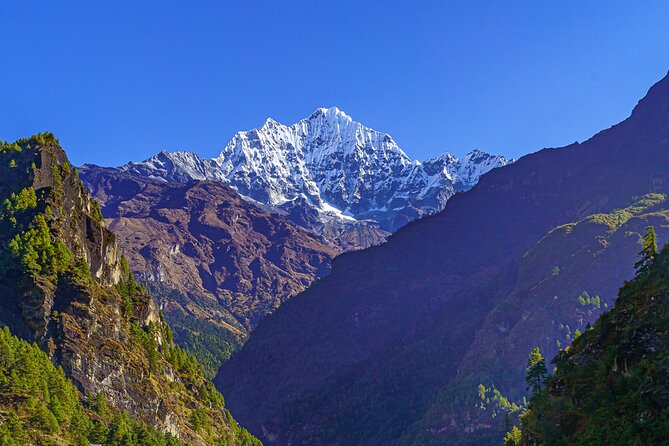
Leaving Namche means a short but steep climb before the trail settles into a more manageable pattern. You pass through Kenjoma and Sanasa, with forest sections and mountain views opening along the route.
The walk then continues toward Tengboche, one of the best-known stops in the Khumbu. The monastery gives the village a strong cultural presence, and the surrounding peaks make this a natural place to pause. The itinerary highlights sunset and sunrise here, so you should keep your camera close and your warm layers ready.
Tengboche is also a reminder that this trek is not only about collecting a photo at Base Camp. Monasteries, prayer walls, villages, bridges, and the work of local communities give the route its meaning. Be respectful around religious sites, and let your guide explain what you are seeing rather than rushing through.
Day 6: From Tengboche toward Dingboche
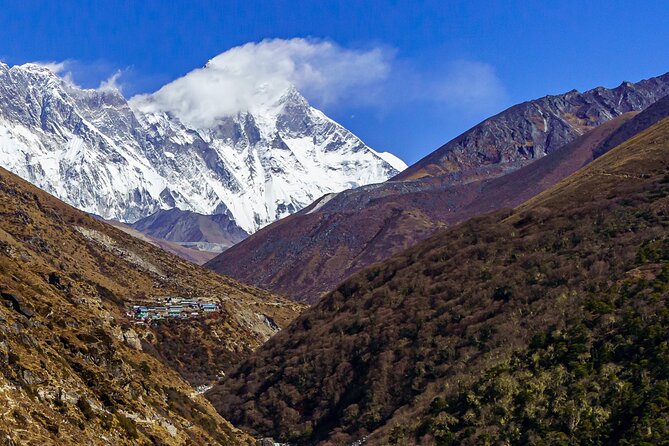
Today you continue toward Dingboche, passing through Deboche and walking among forests, valleys, and views of the surrounding peaks. The route includes a descent before the trail begins gaining height again.
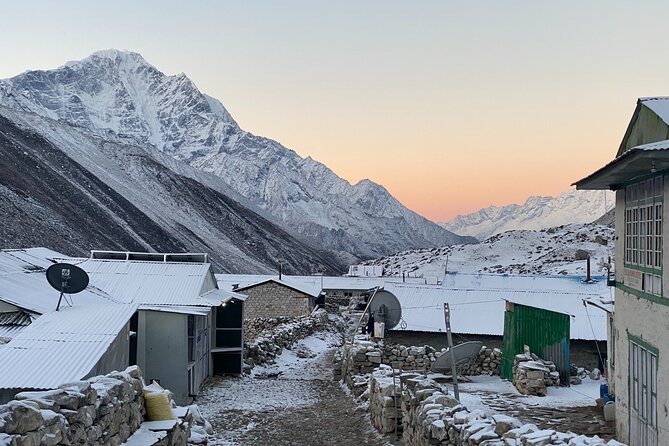
Dingboche marks a clear change in the trek. The air is thinner, the vegetation becomes less dense, and the valley feels more open and exposed. Even if the walking distance looks reasonable on paper, altitude makes every uphill section more demanding.
Your accommodation is in a trailside lodge, not a city hotel. Expect a practical place to eat and sleep rather than luxury. Meals are included, which removes one major logistical burden, but drinks, alcoholic beverages, snacks, phone calls, and battery charging are personal expenses.
Day 7: The second acclimatization day in Dingboche
Dingboche provides the second planned acclimatization day. You’ll use short hikes to gain a little more height and then return to the village to sleep.
This pause is one of the strongest parts of the schedule. The next two days take you to very high elevations, and pushing straight through without an acclimatization break would make the trek harder and less sensible. You can use the day to check your clothing, refill water, and speak frankly with your guide about headaches, poor sleep, nausea, unusual fatigue, or breathing trouble.
Do not hide symptoms to protect your timetable. The guide can help with pacing and decisions, but your safety comes first. The itinerary warns about acute mountain sickness, and that warning deserves more attention than any promise of reaching a particular point on a particular hour.
Day 8: Dingboche to Lobuche through the high valley
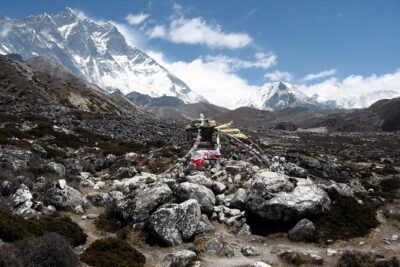
The trail climbs gradually from Dingboche through grazing areas, past chortens and mani walls, with high peaks in view. The route feels more austere here, with less shelter and fewer comforts.
This is a day for steady effort. You may feel that the distance is not extreme, yet the altitude makes the walk slow. Stop for water and keep your layers adjustable. Mornings, shaded sections, wind, and evening temperatures can feel very different from the sunlit parts of the trail.
Lobuche is a practical overnight stop before Base Camp. You are now close to the goal, but this is not the moment to sprint. A strong pace early in the day can leave you drained when the trail becomes rougher and the air thinner.
Day 9: The long-awaited walk to Everest Base Camp
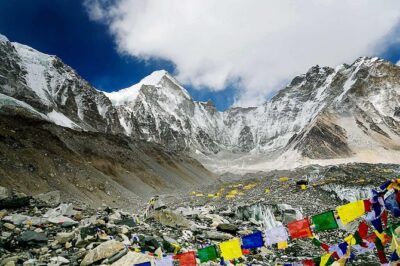
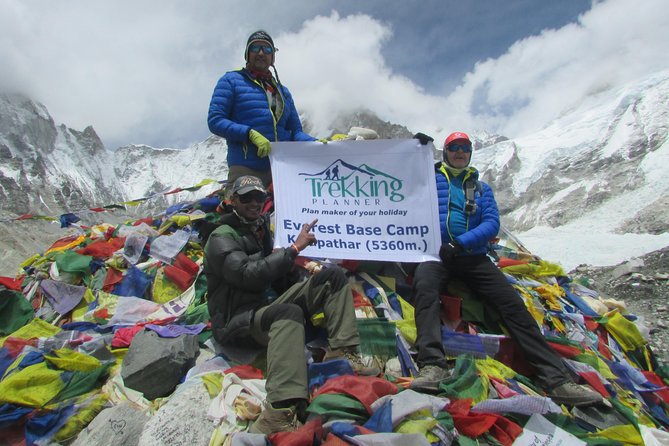
From Lobuche, you set out early for Everest Base Camp. The trail passes through the high Khumbu terrain and leads toward the famous destination at the foot of Everest.
The emotional appeal is obvious, but the day still requires discipline. The altitude is severe, the trail can be uneven, and the return to the lodge matters just as much as the outward walk. Your guide should help set a manageable pace and watch for signs of altitude sickness.
Base Camp itself is not a hotel, museum, or permanent city. It is a working mountaineering staging area, and its appearance changes with the season and climbing activity. The achievement is reaching the place by foot and understanding the scale of the route you have crossed.
Day 10: Kala Patthar at first light, then down
The day begins before sunrise with a climb toward Kala Patthar. This is the viewpoint day, and the early start is worthwhile for the mountain views and changing light.
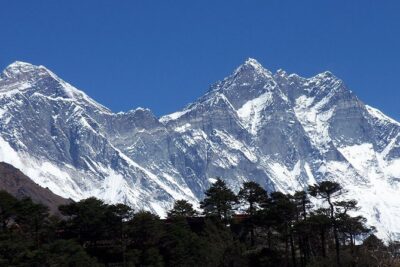
Kala Patthar is often the visual high point of the trek, even though Base Camp carries the famous name. After the climb, you return toward lower elevations, where the air should feel easier and the descent gives your body some relief.
This is a demanding day because you are tired from reaching Base Camp and still need to climb early. Pack only what you need, keep your warm clothing accessible, and listen closely to your guide’s timing advice. One guide praised in the supplied experiences was known for predicting sunset times accurately and ensuring the group finished special outings safely and on schedule. That practical judgment matters on a day like this.
Day 11: Returning from Pheriche to Namche
The return route continues from the Pheriche area toward Namche Bazaar, following the Dudh Koshi again for much of the way. The trail is mostly downhill, but downhill should not be confused with effortless.
Your knees and feet may feel the descent more than expected. Trekking poles can help, though they are not listed as required equipment. Keep your boots secure, take short steps on steep sections, and do not let the excitement of lower altitude push you into a reckless pace.
Returning to Namche feels like a small comfort milestone. You have completed the highest part of the trek, and the town offers a familiar place to rest before the final walk to Lukla.
Day 12: The final trail day to Lukla
The last trekking section descends steeply from Namche toward the river confluence and continues back toward Lukla. It is a satisfying finish, but it can be tiring after nearly two weeks of walking.
Use this day to check that nothing has been left behind in the lodge. Your duffel, camera batteries, documents, and small personal items should all be accounted for before the flight. The operator provides the trekking duffel, but you remain responsible for your own valuables and personal gear.
The trail is not a ceremonial exit. You still need to watch your footing and manage the pace. Once back in Lukla, you can look back on the route with a better sense of how much ground you have covered.
Day 13: Flying back to Kathmandu
The return flight from Lukla to Kathmandu is scheduled early because weather can disrupt flights later in the day. The package includes the flight back and airport departure tax.
After landing, the organized trek is finished. Meals in Kathmandu are not included, and extra costs such as drinks, phone calls, battery charging, and personal purchases remain yours. Build some flexibility into your wider Nepal plans because mountain flight delays can affect the final day.
What the $1,399 price covers, and what it does not
At $1,399 per person, the package offers good value if you want the main logistics handled. It includes Kathmandu to Lukla and return flights, national park entry, the TIMS card, applicable government and local taxes, trailside accommodation, a guide, and meals along the trekking route.
The meal allowance is specific: 12 breakfasts, 11 lunches, and 12 dinners. Alcoholic drinks are extra, and meals in Kathmandu are not included. You also pay for your Nepal visa, personal insurance, health insurance, helicopter evacuation insurance, phone calls, battery charging, bar bills, and drinks unless specifically covered.
The price can change according to group size, departure date, and shared accommodation. If you want a solo departure rather than joining an existing group, a $150 single surcharge applies after arrival in Nepal. Ask about this before you commit if you are booking alone.
Who will enjoy this trek most
This trip suits you if you have a moderate level of physical fitness, can walk for several days in a row, and are willing to accept basic mountain accommodation. It is a good match for someone who wants a private experience without spending weeks arranging flights, permits, lodges, meals, and guides independently.
It can also work well for families, honeymooners, and groups because discounts are available and the private format allows some personalization. The high altitude still sets limits, so a private trek is not automatically suitable for every age or fitness level.
Pack for changing conditions. The recommended list includes trekking shoes, warm layers, a waterproof outer layer, gloves, wool hat, raincoat, several pairs of socks, non-cotton underwear, two one-liter water bottles, a headlamp or torch, toiletries, toilet paper, and a small towel. A large towel is specifically discouraged because it adds weight and bulk.
The operator asks for dietary requirements at booking and requires each participant’s passport name, number, expiry date, and country. Free cancellation is available up to 24 hours before the start time, but changes or cancellations inside that window are not accepted.
Guide support and the human side of the route
The strongest part of this experience is likely to be the guide you are assigned. Named guides connected with successful trips include Milan, Dibash, Ratna, Achyut Mishra, Anil, Dipak, and Prokhas. Their praised qualities include careful pacing, clear explanations of the next day, luggage arriving before the group, practical problem-solving, and steady support when conditions become difficult.
That support is especially important on the Gokyo and Everest combination, which some groups have completed in 13 days, though that is a more demanding variation than the standard route described here. Do not assume every guide or itinerary includes Gokyo unless it is confirmed for your booking.
The porter system also affects your comfort. A porter may carry the main duffel while you carry your day pack. Pack that smaller bag carefully with water, warm layers, snacks if desired, sun protection, camera equipment, and any personal medication you need during the day.
Should you book the Everest Base Camp trek?
You should book this trek if you want a serious Himalayan challenge with the major planning handled for you. The included flights, permits, meals, lodges, private format, and two acclimatization days make the $1,399 starting price attractive for a first Everest region trek.
You should pause if you dislike early starts, simple accommodation, uncertain mountain flights, or long walking days at altitude. Buy appropriate insurance, leave room in your schedule for delays, and be honest about your fitness and health.
For the right person, this is a strong route: culturally interesting, physically demanding, and packed with memorable mountain days. Just remember that Base Camp is the goal, not the only reason to go. The bridges, monasteries, Namche market, high valleys, patient pacing, and Kala Patthar sunrise make the whole 13 days count.
FAQ
Are flights between Kathmandu and Lukla included?
Yes. The package includes flights from Kathmandu to Lukla and back to Kathmandu, along with the airport departure tax.
Are meals included during the trek?
Yes. The package includes 12 breakfasts, 11 lunches, and 12 dinners. Meals in Kathmandu, alcoholic drinks, and other personal drinks are not included.
Is accommodation included?
Yes. Nightly accommodation in trailside lodges is included during the trekking portion of the trip.
Is this a private trek?
Yes. Only your group participates. Private packages can also allow some itinerary personalization.
What fitness level is required?
The stated requirement is a moderate physical fitness level. You should also be prepared for altitude, steep trails, early starts, and several consecutive days of walking.
What happens if I book alone?
The advertised price applies to one person, but the final amount can depend on group size, departure date, and shared accommodation. If you want a solo departure rather than joining an existing group, a $150 single surcharge applies after arrival in Nepal.
Just added around Kathmandu
- Kathmandu: Nagarkot Sunrise & Hike with Lunch -Private/Group★ 4.9 · 122 reviews
- 14 Days Private Tour Everest Base Camp Trek★ 5.0 · 105 reviews
- 4 Days Poon Hill Trek★ 5.0 · 94 reviews
- Langtang Valley Trek★ 5.0 · 140 reviews
- Manaslu Circuit Trek★ 5.0 · 184 reviews
- Kathmandu: Dhulikhel to NamoBuddha Day Hike with Lunch★ 4.8 · 62 reviews
- Nagarkot Sunrise View & Day Hiking with Lunch – Private/Group★ 5.0 · 73 reviews
- Nagarkot Sunrise Trip & Day Hike with Lunch from Kathmandu★ 4.5 · 83 reviews