REVIEW · NEPAL
Everest Base Camp Trek – 14 Days
The heart of this trek is not just Everest Base Camp. It is the slow approach through prayer-flagged bridges, stone mani walls, Sherpa villages, and high valleys where the mountains grow larger each day. The two acclimatization days make the climb more sensible, while porters carry the main load so you can concentrate on walking and breathing.
I like the careful support: a first-aid-trained guide, a stocked medical kit, filtered trail water, and emergency evacuation arrangements. I also like the small maximum group of 14, with recent groups often much smaller. The tradeoff is simple: this is a demanding high-altitude trek, not a sightseeing holiday, and flights to Lukla can be shifted to Ramechhap during busy seasons.
Key points to know before booking
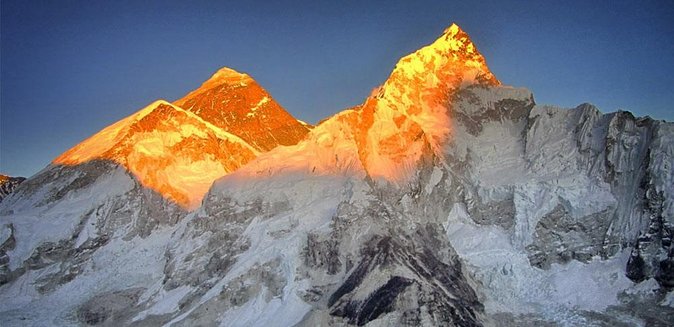
- Lukla is the real starting line: The mountain walk begins after a short domestic flight, not in Kathmandu.
- Two acclimatization days matter: You spend extra time in Namche Bazaar and Dingboche before climbing higher.
- Kala Patthar may offer the best view: The 5,555-meter climb is hard, but it is planned for a broad Everest panorama.
- Porters carry your main bag: One porter serves two clients, with a 15-kilogram domestic flight allowance.
- The package covers most major costs: Flights, permits, trail lodging, meals, guides, porters, and transfers are included.
- Small groups suit this route: The maximum is 14 people, with more personal attention than a large trekking departure.
Why the 14-day route works
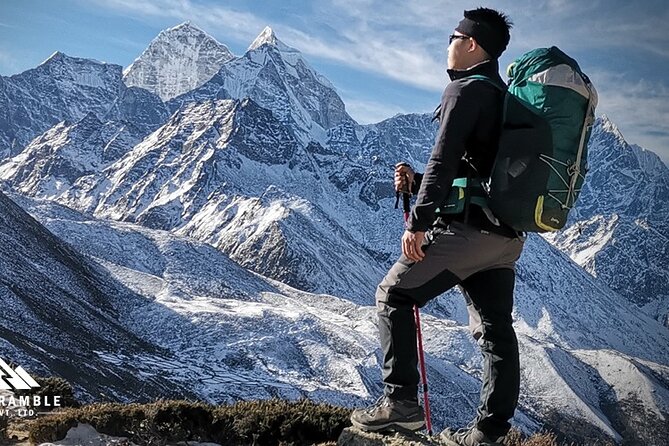
A 14-day Everest Base Camp trek gives you enough time to reach altitude without treating the mountain like a race. You spend two nights in Kathmandu, fly to Lukla, climb gradually, pause twice to adjust, then return by the same general route.
That schedule is useful because altitude does not care how fit you are. You may be a strong walker and still need time to adjust above 3,000 meters. The built-in rest days are not wasted days. They help you reach the higher villages with a better chance of staying well.
The group can have up to 14 people, though recent departures described groups of about eight. That is a good size for a route where the pace needs to suit the slower walker, the guide must keep track of everyone, and tea-house rooms are limited.
Ace the Himalaya assigns a first-aid-trained, government-licensed English-speaking guide. Guides on recent departures have included Kishor, Chris, Maddy, and Rajendra Khatry. Your actual guide depends on the departure date, but the company’s strongest feature is the combination of local leadership and practical safety planning.
More Everest Base Camp Treks in Kathmandu:
- Everest Base Camp Trekking
★ 5.0 · 485 reviews - Everest Base Camp Trekking – 13 Day
★ 5.0 · 365 reviews - Everest Base Camp Trek
★ 5.0 · 350 reviews
Kathmandu arrival and the flight to Lukla
Day 1 is deliberately easy. An airport representative meets you outside Tribhuvan International Airport with an Ace the Himalaya sign and takes you to your Kathmandu accommodation by private tourist vehicle.
You receive two nights in a three-star, twin-share Kathmandu hotel, with breakfast included. Lunch and dinner in the capital are yours to arrange, which gives you freedom to choose what and where you eat, but you should budget for those meals.
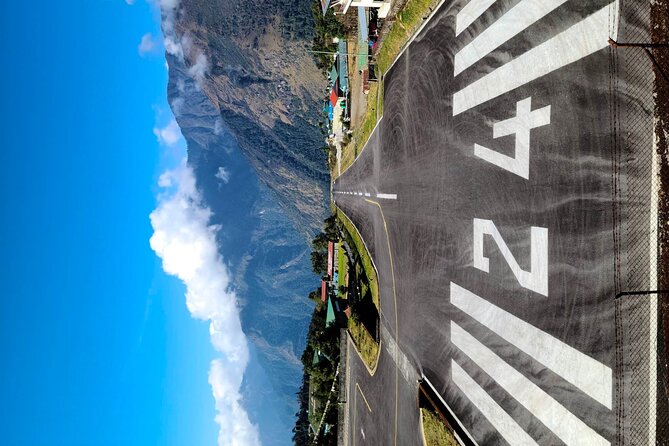
The next morning, the flight to Tenzing-Hillary Airport in Lukla begins the mountain portion. The flight itself is short, but the operating details matter. During the busiest trekking months, flights may be shifted from Kathmandu to Manthali Airport in Ramechhap because of congestion at Kathmandu airport.
That change can mean an early road transfer before the flight. Confirm the departure airport close to your travel date and keep your first trekking day flexible. The listed domestic luggage allowance is 15 kilograms, so pack with discipline. Your porter carries your trekking duffel on the trail, but the airline limit still applies.
Lukla to Namche Bazaar through river valleys
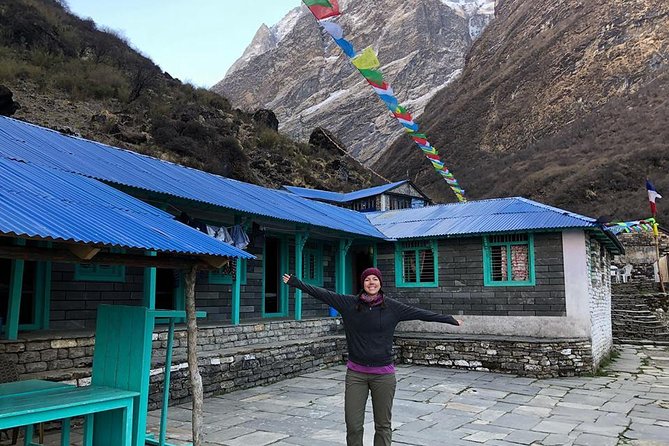
From Lukla, you walk through villages and along the Dudh Koshi River. Suspension bridges decorated with prayer flags provide some of the route’s most memorable moments, though they can feel exposed if you dislike heights.
You enter Sagarmatha National Park on the way to Namche Bazaar. The trail climbs and drops, with the final approach to Namche requiring sustained uphill walking. This is the first place where the trek feels properly high and remote.
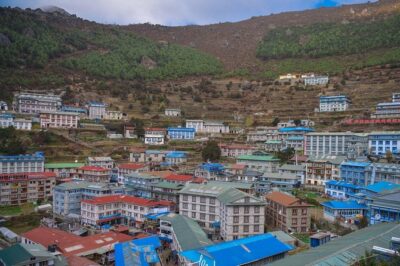
Namche is more than a stopping point. It is the main trading town of the Khumbu region, and the two-night stay gives you time to adjust before higher elevations. The package includes twin-sharing guesthouse accommodation, with attached toilets specifically noted for Lukla, Phakding, and Namche. Conditions farther up are generally simpler, so enjoy the extra comfort here.
Namche acclimatization and the Sherpa Museum
Your rest day in Namche includes a short walk to a museum focused on Sherpa customs and mountain life. It is a useful change from simply sitting in a lodge, because gentle activity helps you adjust better than spending the whole day under a blanket.
The museum also gives the trek more context. The Khumbu is not just a route to a famous summit. It is home to Sherpa communities, Buddhist traditions, trading paths, and families who support life in one of the world’s highest inhabited regions.
You should still treat this as a recovery day. Walk slowly, drink regularly, and do not turn the acclimatization outing into a private race. The goal is to be ready for Tengboche, not to collect extra elevation.
More hikes and treks around Kathmandu:
- Nagarkot Sunrise View and Day Hiking from Kathmandu
★ 5.0 · 471 reviews - Annapurna Circuit Trek with Tilicho Lake
★ 5.0 · 368 reviews - Everest Base Camp Trek -14 Days
★ 5.0 · 321 reviews - Manaslu Circuit Trek
★ 5.0 · 292 reviews
Tengboche Gompa at 3,860 meters
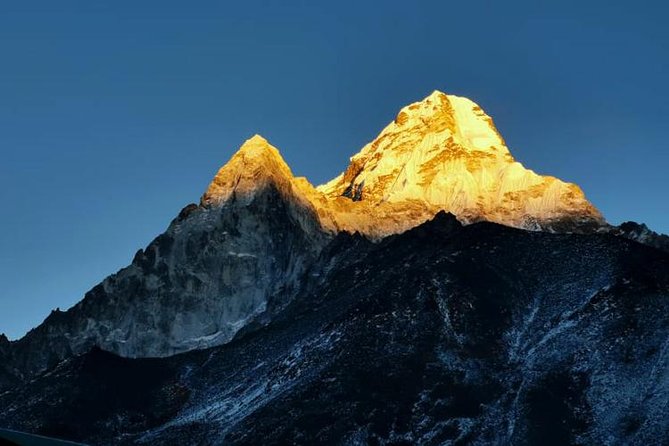
The trail from Namche follows the Dudh Koshi with mountain views, then climbs toward Tengboche. At 3,860 meters, the altitude becomes more noticeable, especially after the relative comfort of Namche.
Tengboche Gompa is the cultural high point of the early trek. The monastery contains Buddhist images and religious objects, and the setting brings together forested slopes, rushing water, prayer flags, and large Himalayan peaks.
The route drops to Debuche before crossing the Imja Khola and climbing toward Pangboche. You pass stone mani walls and thousands of carved prayer stones. Slow down around these features. They are not trail decoration. They are part of the religious life of the region, and walking respectfully matters.
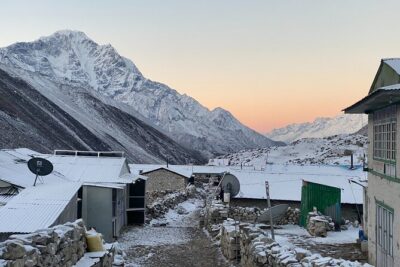
The climb to Dingboche is steady rather than dramatic, but the thinner air changes the effort. A pace that felt easy below Namche can now leave you short of breath. Your guide should help keep the group moving at a sensible speed.
Dingboche and the Nangkartshang viewpoint
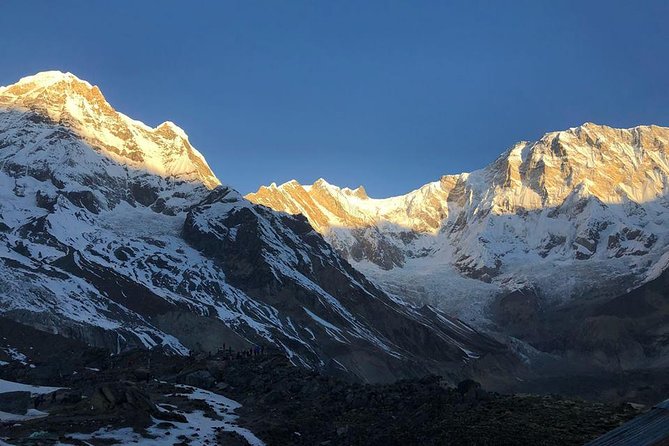
Dingboche receives its own acclimatization day. You do not continue toward Base Camp. Instead, you climb Nangkartshang Peak above the village for wider views and a controlled test of how your body is handling altitude.
This is one of the smartest parts of the itinerary. You gain height during the day, then sleep lower in Dingboche. The walk is still physically demanding, but it gives you a chance to notice headaches, unusual tiredness, or breathing problems before the route becomes more serious.
Do not judge the day by distance alone. At this elevation, a short uphill walk can take real effort. You will get more from the outing by walking steadily, listening to the guide, and accepting that the mountains set the pace.
Lobuche and the memorial stones
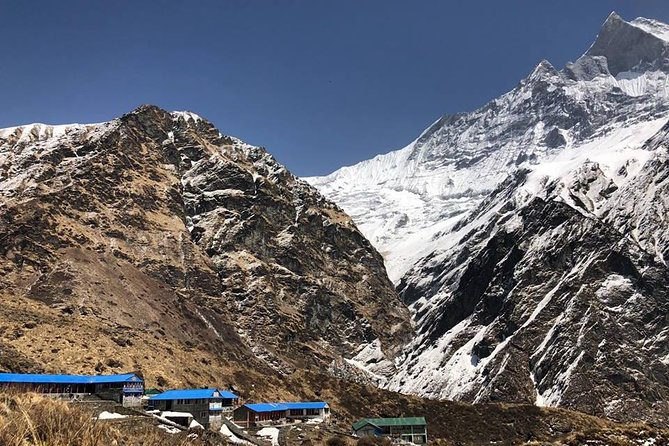
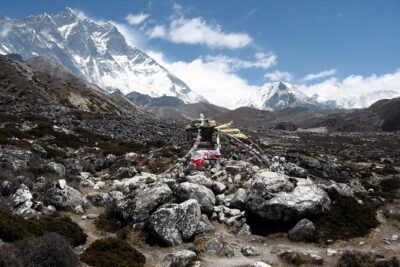
After Dingboche, the route continues toward Lobuche beside the lateral moraine of the Khumbu Glacier. You pass stone memorials dedicated to climbers who died on nearby peaks.
This section carries a different mood. The scenery is grand, but the memorials remind you that the high Himalaya is not a backdrop built for photographs. Conditions can be severe, and even a non-climbing trek demands respect.
Lobuche is a high overnight stop before Base Camp. Lodging on the trail is included, along with breakfast, lunch, dinner, and seasonal fruit. Food is practical rather than fancy, and the higher you go, the more valuable a warm meal and a dry place to sleep become.
The company also provides filtered water using a Katadyn Pocket Water Filter. That reduces the need to buy bottled water along the route and makes it easier to stay hydrated without carrying every liter from below.
Everest Base Camp at 5,365 meters
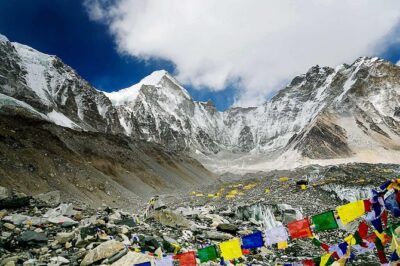
The walk to Everest Base Camp is a major day. You follow the Khumbu Glacier and climb to 5,365 meters, the highest point in the itinerary at Base Camp itself.
The route can feel slow because of the altitude, uneven ground, and glacier moraine. The base camp area is also seasonal. During spring, climbing activity may add tents and movement, but the exact appearance depends on the climbing season.
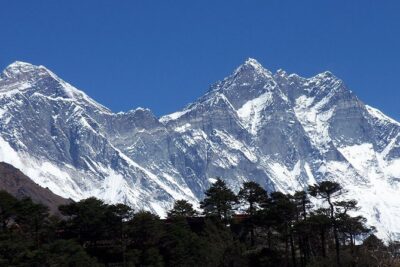
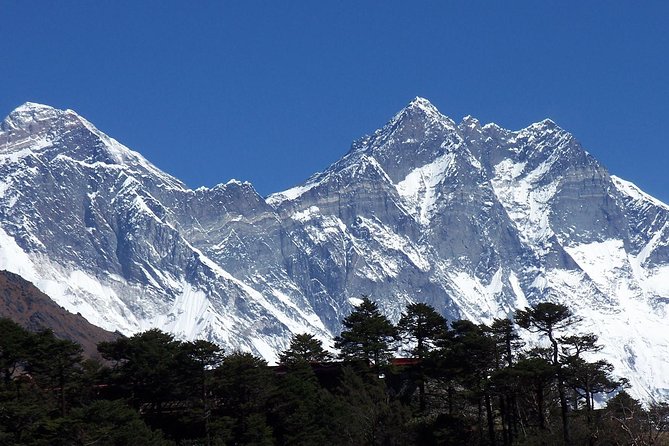
Base Camp is a meaningful destination, but it is not necessarily the best place for an Everest view. The glacier and surrounding peaks create a dramatic setting, yet the mountain’s most recognizable profile is better seen from Kala Patthar. Keep your expectations clear: reaching Base Camp is an achievement, while the next morning’s viewpoint may provide the stronger photograph.
Your listed stop at Base Camp is brief, but the full walking day is the important part. This is not a drive-up attraction. You earn the location step by step.
Kala Patthar at 5,555 meters
The climb to Kala Patthar is one of the hardest and most rewarding sections. At 5,555 meters, even fit walkers need patience. The ascent usually takes much of the morning, and the thin air makes each rise feel longer than it looks.
The payoff is the mountain view. Kala Patthar is known on this route for its broad perspective toward Everest and the surrounding peaks. If you are choosing between a quick Base Camp photo and a serious viewpoint walk, give Kala Patthar your strongest effort.
That said, this is also where you need to be honest about your condition. The route is not a place to prove toughness. If you are unwell, tell your guide. The itinerary includes emergency medical evacuation arrangements for a worst-case situation, but good decisions made early are better than relying on rescue support.
The long return through Namche and Lukla
After Base Camp and Kala Patthar, the trek returns through Pangboche and Tengboche to Namche Bazaar. Descending generally feels easier on the lungs, but it is not effortless. Knees and ankles take more strain, especially on uneven stone steps.
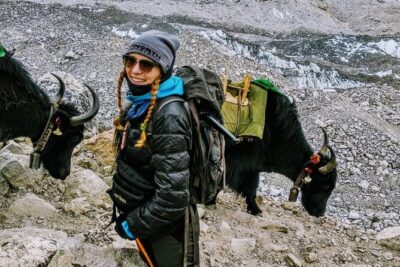
The following day continues to Lukla, where you have time to reflect on the route and the group achievement. By this point, your porter support becomes especially valuable. One porter is assigned for two clients, and porters handle the main duffel while you carry only your day needs.
Tips for guides and porters are not included, and tipping is expected. Plan for this before departure. Their work affects the entire experience, from setting a manageable pace to carrying equipment and helping the group function at altitude.
The flight back to Kathmandu is listed at about 35 minutes. Mountain weather can affect domestic flights, so maintain some flexibility around onward international travel. Once back in Kathmandu, a private transfer returns you to the city accommodation, and the airport representative takes you to Tribhuvan International Airport on Day 14.
What the $1,800 price includes
At $1,800 per person, based on two people booking, the package covers a substantial share of the trip’s major costs:
- Two Kathmandu hotel nights with breakfast
- Domestic flights between Kathmandu and Lukla
- Airport and hotel transfers
- Trail accommodation
- Breakfast, lunch, and dinner during the trek
- A licensed English-speaking trekking guide
- Porter service for 11 days
- National park entry and local trekking fees
- Staff wages, insurance, equipment, and medicine
- Filtered trail water and seasonal fruit
- A duffel, trekking map, sun hat, and completion certificate
- First-aid supplies and emergency evacuation arrangements
You still pay for international airfare, Nepal visa fees, Kathmandu lunches and dinners, drinks, personal gear, insurance, tips, and anything not listed. High-altitude rescue insurance is essential, and it must specifically cover emergency evacuation at trekking altitude.
The price is good value if you want a managed trek rather than arranging flights, permits, guides, porters, lodges, and meals yourself. A solo booking can also use the listed price, but a $250 single surcharge may apply if there is no group to share accommodation with you, or if you request a private departure.
Who should book this trek
You should consider this route if you have moderate physical fitness, enjoy long walking days, and want local logistical support without carrying your full pack. It suits people who value structure but still want the daily experience of walking between villages and sleeping on the trail.
It is less suitable if you want a soft adventure, private bathrooms every night, flexible luxury lodging, or a guarantee that flights will run exactly on schedule. The route reaches 5,555 meters, and the altitude is the central challenge.
The company’s strongest praised qualities are its guides, porters, organization, and personal care. Names such as Maddy, Kishor, Chris, Saman, Sher, and Rajendra Khatry appear in recent departure accounts, with particular praise for friendly support, safety awareness, local knowledge, and clear logistics. Your staff will vary, but the service model is clear.
Should you book the Everest Base Camp Trek?
I would choose this trek if you want the classic Everest route with acclimatization built into the schedule, porters carrying your main bag, and most practical costs bundled into one price.
Book it with realistic expectations. You need suitable gear, high-altitude rescue insurance, flexibility for the Lukla flight, and enough fitness for repeated uphill and downhill days. If that sounds fair, this is a well-supported way to reach Everest Base Camp, see the Khumbu’s Buddhist villages, and experience the mountain route without trying to organize every moving part yourself.
FAQ
How long does the Everest Base Camp trek take?
The experience lasts approximately 14 days, including arrival and departure in Kathmandu, the flight to Lukla, the trek to Everest Base Camp, the return to Lukla, and the flight back to Kathmandu.
Where does the trek begin?
The trek begins in Lukla after a domestic flight from Kathmandu. During busy trekking periods, flights may operate from Manthali Airport in Ramechhap instead of Kathmandu airport.
What is the highest point on the itinerary?
Kala Patthar is the highest point, at approximately 5,555 meters. Everest Base Camp is listed at approximately 5,365 meters.
Are flights between Kathmandu and Lukla included?
Yes. The package includes the Kathmandu to Lukla and Lukla to Kathmandu flights, including the airport departure tax.
Are meals included?
Breakfast, lunch, and dinner are included during the trek. Lunch and dinner in Kathmandu are not included.
Is porter service included?
Yes. Porter service is included for 11 days, with one porter assigned to two clients.
What luggage allowance applies to the domestic flight?
The domestic flight luggage allowance is 15 kilograms. The package includes an Ace the Himalaya duffel for the trek.
Is travel insurance included?
No. You must arrange your own travel insurance, and it needs to cover emergency high-altitude rescue and evacuation.
Just added around Kathmandu
- Kathmandu: Nagarkot Sunrise & Hike with Lunch -Private/Group★ 4.9 · 122 reviews
- 14 Days Private Tour Everest Base Camp Trek★ 5.0 · 105 reviews
- 4 Days Poon Hill Trek★ 5.0 · 94 reviews
- Langtang Valley Trek★ 5.0 · 140 reviews
- Manaslu Circuit Trek★ 5.0 · 184 reviews
- Kathmandu: Dhulikhel to NamoBuddha Day Hike with Lunch★ 4.8 · 62 reviews
- Nagarkot Sunrise View & Day Hiking with Lunch – Private/Group★ 5.0 · 73 reviews
- Nagarkot Sunrise Trip & Day Hike with Lunch from Kathmandu★ 4.5 · 83 reviews