REVIEW · NEPAL
Everest Base Camp Trekking – 2025/2026
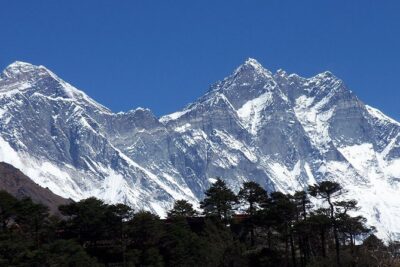
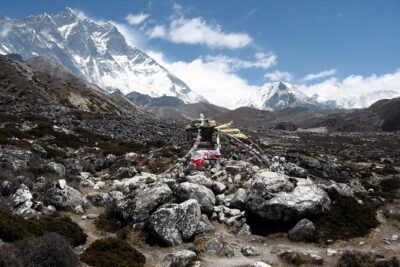
Everest Base Camp is not a quick mountain photo stop. It is a two-week walk through Sherpa villages, Buddhist monasteries, stone paths, thin air, and some of the highest peaks on earth. I like that this private trek gives you a guide, porter support, domestic flights, permits, and mountain lodging in one package. You can walk at your own pace, rather than trying to keep up with a large group.
I also like the human side of the trip. Your guide is expected to explain local culture and mountain life, while the daily routine leaves time to visit Sherpa settlements, rest with tea, and take in the views. Guides named by past clients include Samir, Sujal, Krishna, Hairy, and others on the Alpine Ramble team. The main caution is altitude: this is a serious high-altitude hike, even though it requires no climbing skills.
Key points to know before booking
- Lukla flights are included: The package covers domestic flights from Kathmandu or Manthali to Lukla and back, though weather can affect mountain flights.
- Private pacing: Your group hikes with its own guide, giving you more control over breaks and walking speed.
- Basic mountain lodging: Expect clean, simple trekking lodges, shared bathrooms in some high villages, and limited hot water and Wi-Fi.
- Full-board meals: Breakfast, lunch, dinner, and main-course hot drinks are included during the trek, but snacks and extra drinks cost more.
- A porter carries your main bag: One porter is generally assigned to two hikers, with a suggested luggage limit of 18 kilograms.
- Altitude matters more than distance: You need moderate fitness, stamina, and patience for several hours of walking each day at increasing elevations.
What this Everest trek is really like
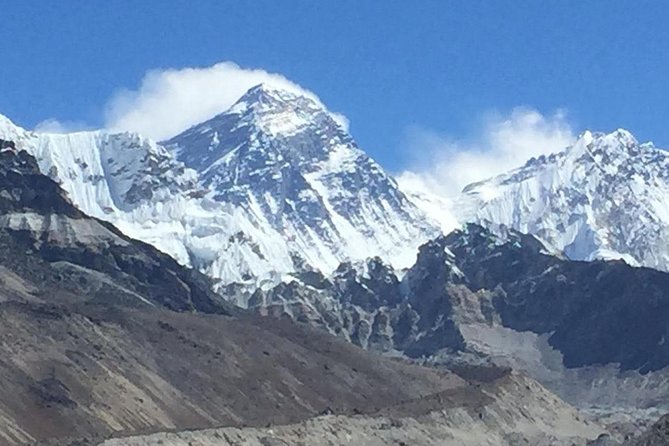
This is a private, guided trek priced at $1,339.20 per person for roughly 14 days. The cost covers a useful set of expensive pieces: flights to and from Lukla, trekking permits, national park fees, a TIMS card, lodging on the trail, meals during the trek, a guide, and porter support.
That makes the price attractive for a private trip, but it is not an all-inclusive holiday. You still pay for your Nepal visa, international flights, insurance, food and rooms before or after the trek, Wi-Fi, showers, bottled water, snacks, alcohol, and personal purchases. The package gives you the framework of the trek, not every expense from airport arrival to final departure.
I like the fact that this is private. If you need a slower morning, a longer rest, or a shorter walking day, you can discuss it with your guide. That flexibility matters much more at altitude than it does on an ordinary walking tour.
The tradeoff is that the published schedule needs clarification. It describes a 14-day trip, but the stop-by-stop outline labels some days inconsistently and skips parts of the schedule. Before paying, ask for the final day-by-day plan, including acclimatization days, Kathmandu hotel nights, and the exact return date.
More Everest Base Camp Treks in Kathmandu:
- Everest Base Camp Trek – 14 Days
★ 5.0 · 1,499 reviews - Everest Base Camp Trekking
★ 5.0 · 485 reviews - Everest Base Camp Trekking – 13 Day
★ 5.0 · 365 reviews
Kathmandu arrival and the practical start
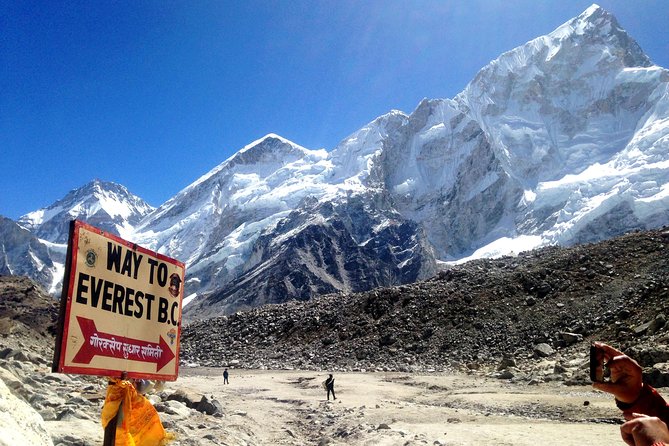
Your trip begins with airport pickup in Kathmandu. An airport representative is expected to meet you and transfer you to your hotel, followed by an introduction to the trek in the evening.
Kathmandu is your place to sort out the final details. This is where you should check your boots, organize your daypack, confirm your passport and visa, and ask about the flight departure point. The package refers to flights from Kathmandu or Manthali to Lukla. That distinction matters, since transport arrangements can change depending on operating conditions.
The tour includes private transportation and an air-conditioned vehicle for the relevant transfers. Accommodation in Kathmandu is arranged according to the selected plan, but higher-standard four- or five-star hotels cost extra.
Lukla to Phakding, the first mountain walk
The flight to Lukla begins the trekking section. From Lukla, you walk to Phakding at about 2,652 meters, with the first walking segment taking around three to four hours.
This is a sensible opening day. You begin with a relatively short walk instead of being pushed into a long climb immediately after the flight. The path introduces you to the rhythm of the trek: steady walking, short breaks, lunch at a lodge, and an early evening meal.
Phakding is not the main prize of the route. Its value is practical. It lets your body begin adjusting before the route gains more height. Your lodge room should have blankets, pillows, and a mattress, but you should not expect city-hotel comfort. Rooms are generally twin-sharing, and a single supplement is available for solo hikers.
Phakding to Namche Bazaar, the first hard day
The walk from Phakding to Namche Bazaar covers about 10 to 12 kilometers and takes roughly five hours. Namche sits at approximately 3,440 meters, though the supplied schedule gives the elevation as 11,283 feet.
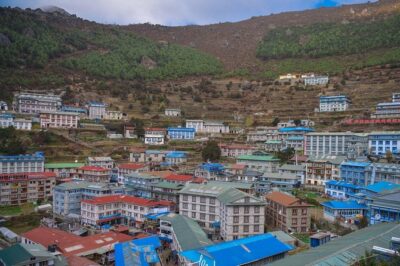
This is where the trek begins to feel demanding. You gain height, walk over rugged ground, and start to notice that every uphill section takes more effort. Namche is the main settlement of the route and an important place to rest, eat, and adjust to the altitude.
I would not treat this as a race. The private format is useful here because your guide can set a pace that allows regular breaks. The stated routine calls for walking 45 minutes to an hour, then taking a short rest. That steady rhythm is more sensible than long bursts followed by exhaustion.
Your guide will also brief you about the next day after dinner. Use that time to ask direct questions about headaches, sleep, hydration, and the planned pace.
More hikes and treks around Kathmandu:
- Nagarkot Sunrise View and Day Hiking from Kathmandu
★ 5.0 · 471 reviews - Annapurna Circuit Trek with Tilicho Lake
★ 5.0 · 368 reviews - Everest Base Camp Trek
★ 5.0 · 350 reviews - Everest Base Camp Trek -14 Days
★ 5.0 · 321 reviews
Namche to Pangboche through Sherpa country
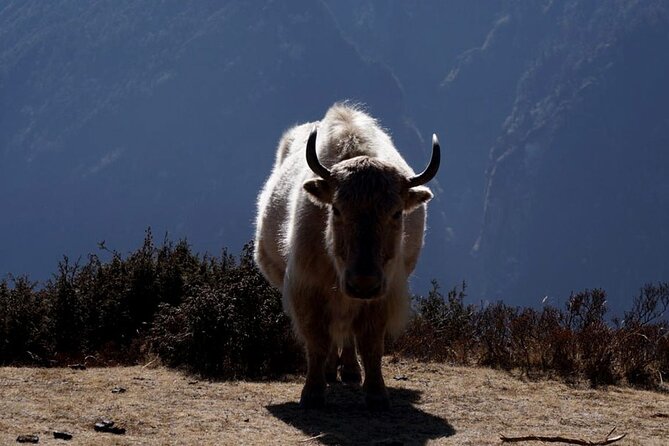
The next section leads from Namche to Pangboche and takes around five hours. Pangboche is a Sherpa settlement, and the walk gives you more time among mountain villages rather than simply moving from one viewpoint to the next.
The cultural side of this trek is one of its best features. Your guide is expected to explain local customs, beliefs, and daily life, and you are encouraged to visit settlements after arriving at the lodge. Ask permission before photographing people, homes, religious sites, or ceremonies.
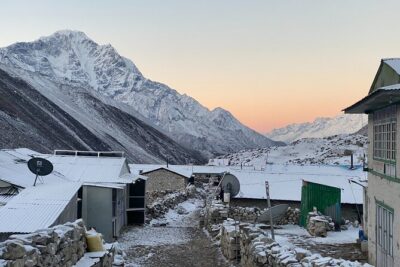
Pangboche is also where the high-altitude routine becomes more noticeable. Nights are cold, facilities are basic, and attached bathrooms are not guaranteed. The operator tries to arrange private bathrooms where possible, but at higher elevations you may need to share.
Pangboche to Lobuche, where the air gets thin
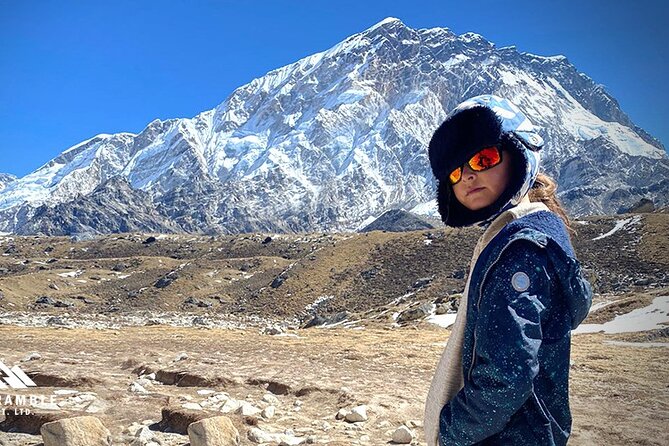
The scheduled walk from Pangboche to Lobuche takes about five hours. The spelling varies in the supplied program, but Lobuche is the intended overnight stop.
At this point, the mountain setting becomes more severe. You are higher, the paths are rougher, and the cold can be sharper. A down or fiber-filled jacket, warm hat, gloves, proper socks, and a sleeping bag are not optional luxuries here. The company says warm jackets and sleeping bags can be provided on rent if you do not have your own, but confirm the arrangement before departure.
Meals are served at the lodge where you stay, with lunch taken along the route. The menu may include dal bhat, soups, potatoes, noodles, rice, pasta, pizza, eggs, bread, and apple pie. I would choose hot, simple food such as dal bhat, vegetable dishes, garlic soup, and potato soup, especially as the altitude rises.
Meat is available in some places, but the operator advises avoiding it in the Everest region. That is practical advice. Stick to food that is fresh, hot, and prepared regularly.
Lobuche to Gorak Shep and Everest Base Camp
The next stage goes from Lobuche to Gorak Shep, with a walk to Everest Base Camp and a return to Gorak Shep. The scheduled walking time is about five hours, though the exact effort depends on the final route and conditions.
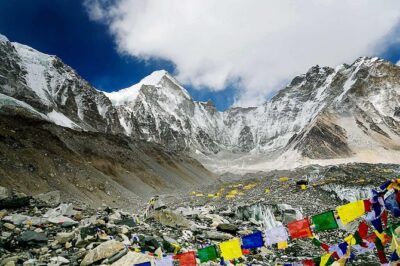
This is the emotional high point of the trip. You are walking among enormous Himalayan peaks toward the base camp used by mountaineering expeditions. The route itself is not a technical climb. You do not need crampons, ropes, climbing skills, or an oxygen cylinder for the standard trek, according to the supplied requirements.
That does not make it easy. The height, cold, rough paths, and long walking hours can make a short distance feel slow. You need stamina and a good attitude toward taking breaks. Your guide should monitor your condition and help you make sensible choices if altitude symptoms appear.
Gorak Shep lodging is likely to be the most basic part of the trip. Shared bathrooms, limited hot water, and simple rooms are part of the deal. Wi-Fi, showers, bottled water, and hot or cold drinks are extra throughout the route.
The return walk through Namche and Lukla
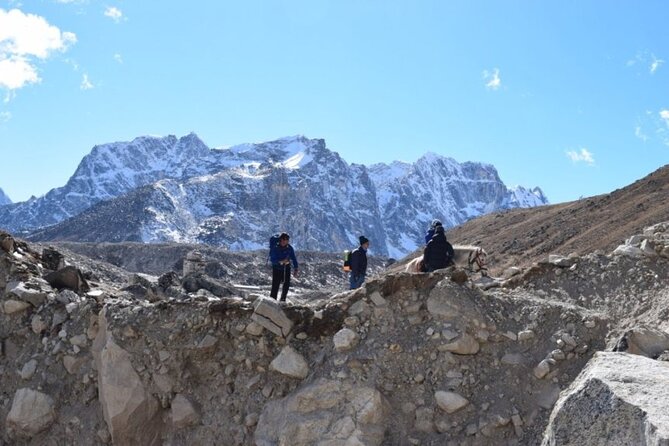
The program sends you back toward Pangboche, then Namche, and finally Lukla. One listed section gives Namche to Lukla as about five hours, although in practice the exact division of the return route should be confirmed because the published day labels are not fully consistent.
The return is not simply a repeat in reverse. Descending puts different strain on your knees, and tired legs make uneven paths more challenging. Trekking poles can help if you use them, and your daypack should remain light.
Namche is a welcome place to pause before the final push to Lukla. You may have time to buy snacks or small souvenirs, though shopping is not included in the tour price. Keep some Nepalese rupees available for drinks, showers, charging, snacks, Wi-Fi, and tips.
Lukla is the staging point for the flight back. Mountain flights depend on weather, so build flexibility into your wider Nepal plans. If the flight is delayed, you may need extra time and money for food or accommodation. Ask the operator how they handle delays before setting a tight international flight connection.
The daily routine, from wake-up tea to dinner
The daily rhythm is clear and useful. You can expect wake-up tea at about 6 a.m., breakfast around 7 a.m., and a morning walking section of two to three hours before lunch. Lunch usually lasts about 40 minutes, followed by another two to three hours of walking to the lodge.
After arrival, you can rest, wash, read, visit the settlement, or order tea. Dinner is arranged in the evening, and the guide gives a briefing about the next day after the meal.
This routine is not glamorous, but it works. Early starts give you more time on the trail and help avoid arriving late at the next lodge. I like that the schedule includes warm-up time and frequent short rests rather than treating the hike as one long march.
Guides, porters, and the human side of the trip
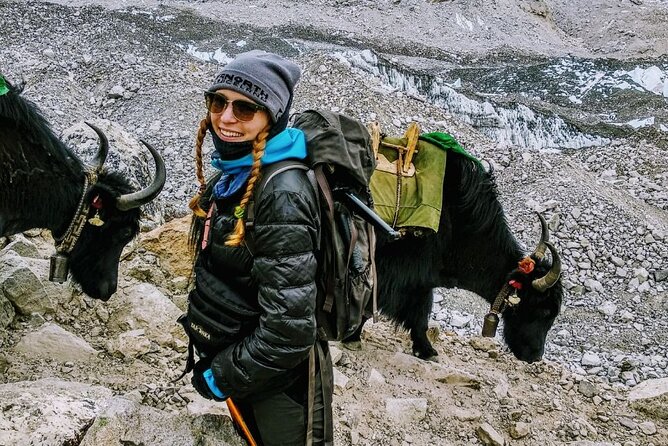
The package includes an experienced, government-licensed, English-speaking local guide. Porters are generally assigned at a ratio of one porter for every two hikers, with an 18-kilogram limit for your main luggage. Additional porter support may be possible if requested.
Several team members have been singled out by name for their care and support, including guides Samir, Sujal, Krishna, and Hairy. Prabin Tamang is also associated with the wider Alpine Ramble guiding team. Your actual guide depends on assignment, so confirm the name and language arrangements before arrival.
The porter policy is worth noting. The operator says porters should not be overloaded and that mountain-based staff are treated as an important part of the team. Pack carefully and keep your main bag within the stated limit. You will still carry a daypack with water, layers, rain gear, snacks, medication, and documents.
What to pack and how to prepare
You do not need climbing equipment, but you do need proper trekking clothing. Bring broken-in hiking boots, warm layers, a rain jacket or poncho, gloves, a sun hat, sunglasses, sunscreen, a headlamp, a 30-liter or larger daypack, a water bottle, and a sleeping bag if you are not renting one.
Water is available along the route, but bottled water costs extra. The package includes purification tablets, so a reusable bottle is important. A bottle suitable for hot water is especially useful in cold, high places.
The stated fitness requirement is moderate fitness and the ability to walk three to five hours a day. Start preparing with walking, stairs, jogging, cycling, swimming, or gym work. You do not need to become an athlete, but you do need enough stamina to keep moving for two weeks in cold conditions.
A personal first-aid kit is sensible. The recommended list includes blister care, bandages, pain relief, oral rehydration salts, lozenges, medication for diarrhea, and personal prescriptions. Diamox is also listed, but you should discuss altitude medication with a medical professional before the trip.
Is $1,339.20 good value?
For a private trek, the price is competitive because several major costs are already bundled. Domestic flights alone can be a large part of the budget, and you also receive permits, national park fees, a TIMS card, guide service, porter support, trekking lodges, and three daily meals on the trail.
The price looks less generous if you expect polished hotels, unlimited drinks, private bathrooms, or every Kathmandu night to be included. You should budget separately for visa costs, insurance, international airfare, extra lodging, showers, Wi-Fi, snacks, alcohol, bottled water, hot drinks, and personal spending.
I see the value in the structure and private pacing. I would book only after confirming the exact number of nights, the Kathmandu accommodation, the flight departure point, the porter arrangement, and the plan for weather delays.
Who should book this trek?
This trek suits you if you want a guided route to Everest Base Camp but prefer your own small party rather than a large fixed group. It is a good fit for hikers with moderate fitness who are comfortable with basic lodges, cold nights, several hours of walking, and limited facilities.
It is not a good choice if you want a relaxed sightseeing holiday, luxury lodging, guaranteed flight times, or an easy walk. The route is non-technical, but high altitude can affect anyone, regardless of age or previous exercise.
The private guide and included logistics make the trip easier to manage. They do not remove the need to prepare, listen to your body, or carry suitable clothing.
Should you book it?
Book this trek if the appeal is the full Himalayan journey: Sherpa villages, monasteries, high mountain paths, and Everest Base Camp, with a guide handling the route and much of the planning. The included flights, permits, meals, lodges, and porter support give you solid value for the price.
Before booking, get the corrected day-by-day schedule in writing. If you accept basic mountain lodging, extra personal costs, possible flight delays, and the demands of altitude, this is a practical way to reach Everest Base Camp without taking on a technical climb.
FAQ
Are flights to Lukla included?
Yes. Domestic flights from Kathmandu or Manthali to Lukla and the return flight are included in the package.
How long does the trek take?
The experience lasts approximately 14 days, though the supplied day-by-day outline contains inconsistent day labels. Confirm the final schedule before booking.
Are meals included during the trek?
Yes. Breakfast, lunch, and dinner are included during the trekking section, along with main-course hot drinks. Extra snacks, bottled water, hot and cold drinks, and alcohol cost more.
What kind of accommodation should I expect?
You will stay in basic trekking lodges with rooms, blankets, pillows, and mattresses. Rooms are generally twin-sharing, and shared bathrooms may be necessary at higher elevations.
Is a guide included?
Yes. The package includes a government-licensed, English-speaking local guide. The specific guide is assigned by the operator.
Is porter support included?
Yes. One porter is generally provided for every two hikers, and the suggested luggage limit is 18 kilograms. Additional porter support may be available if requested.
Do I need climbing experience?
No technical climbing skills are required for this trek. The stated requirements call for moderate fitness and the ability to walk about three to five hours a day over rugged, high-altitude ground.
What happens if bad weather cancels the experience?
If poor weather causes cancellation, you will be offered a different date or a full refund. You can also cancel for a full refund if you do so at least 24 hours before the start time.
Just added around Kathmandu
- Kathmandu: Nagarkot Sunrise & Hike with Lunch -Private/Group★ 4.9 · 122 reviews
- 14 Days Private Tour Everest Base Camp Trek★ 5.0 · 105 reviews
- 4 Days Poon Hill Trek★ 5.0 · 94 reviews
- Langtang Valley Trek★ 5.0 · 140 reviews
- Manaslu Circuit Trek★ 5.0 · 184 reviews
- Kathmandu: Dhulikhel to NamoBuddha Day Hike with Lunch★ 4.8 · 62 reviews
- Nagarkot Sunrise View & Day Hiking with Lunch – Private/Group★ 5.0 · 73 reviews
- Nagarkot Sunrise Trip & Day Hike with Lunch from Kathmandu★ 4.5 · 83 reviews