
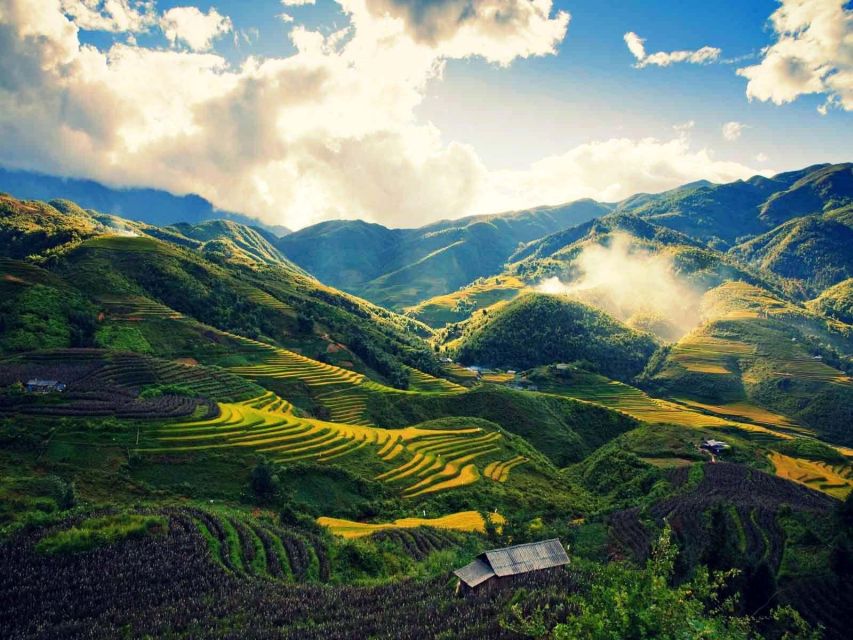
REVIEW · VIETNAM
From Sapa : 1 Day Amazing Sapa Trek To Terrace rice field
Sapa’s best views arrive when the town falls behind you. This six-hour walk leads from the busy center into terraced rice fields, simple village homes, and the daily life of local ethnic communities. The route reaches Lao Chai village and includes a waterfall stop, lunch, and a shuttle ride back uphill to Sapa.
I like the local guide’s cultural connection, especially since one guide came from a village on the route and could explain its customs from personal experience. I also like the price: $22 includes a guide, lunch, village entrance fees, and transport back to town. The catch is the mud and steep footing. After rain, this can become a slippery hike where falling and getting dirty are real possibilities.
Key points to know before booking
- Mostly downhill walking: The route is easier on the lungs than a steep uphill trek, but wet paths can be hard on your knees and balance.
- Around 10 kilometers: One outing reached a village roughly 10 kilometers from Sapa, so this is a proper walk, not a short village stroll.
- Lao Chai village: You pass through homes, fields, and village paths while learning about local ethnic life from an English-speaking guide.
- Waterfall and photo stops: Terraces, mountains, fields, and a waterfall give you regular reasons to pause.
- Lunch is included: You eat at a local restaurant before taking a shuttle bus back to Sapa.
- Small group size: The group is limited to 10 people, which helps keep the walk personal and practical.
Leaving Sapa town on foot
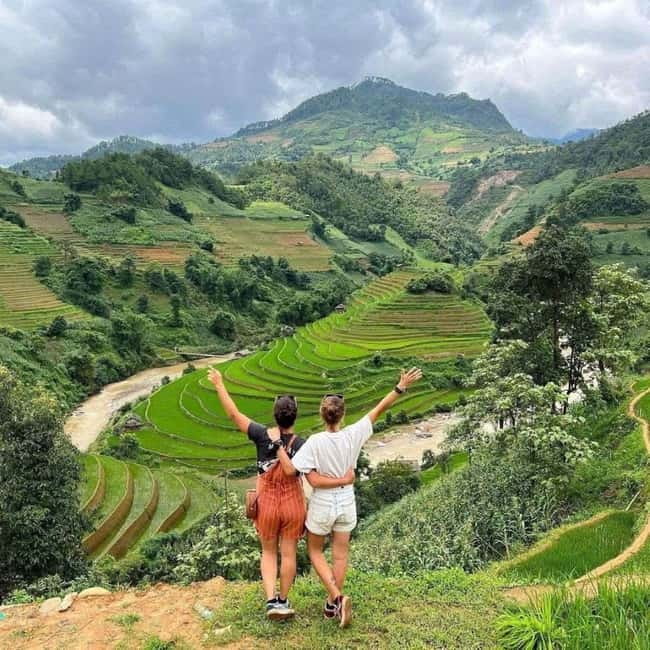
Pickup takes place at your hotel in Sapa town between 8:00 and 8:30 in the morning. The exact start time depends on availability, but the walk begins in the town before moving toward the hills and villages.
That opening section is useful because you see Sapa as a lived-in mountain town, not only as a base for outdoor trips. Your guide can point out local architecture and explain how ethnic minority communities live in the area. It is not a museum visit or a staged cultural show. You are simply walking through the town and then out along routes used by local people.
The group is capped at 10 participants. That matters on narrow paths, where a large crowd would make conversation and walking less pleasant. It also gives you a better chance to ask about customs, homes, farming, and village life without holding up a big group.
Your guide speaks English and leads the walk throughout the day. No guide name is provided in the tour details, but one guide described in the supplied feedback came from one of the villages visited. That kind of local connection can add useful context, especially when the guide explains everyday habits rather than giving only broad facts.
More Rice Terrace Hikes in Sa Pa:
- Sa Pa: Muong Hoa Valley Trek and Local Ethnic Villages
★ 4.6 · 864 reviews - Sa Pa: 6-Hours Muong Hoa Valley Trek with Local Ethnic guide
★ 4.5 · 178 reviews - 1-Day Sapa Long Trek – Rice Field Terrace, Ethnic Culture
★ 4.9 · 62 reviews
The first terraces and working fields
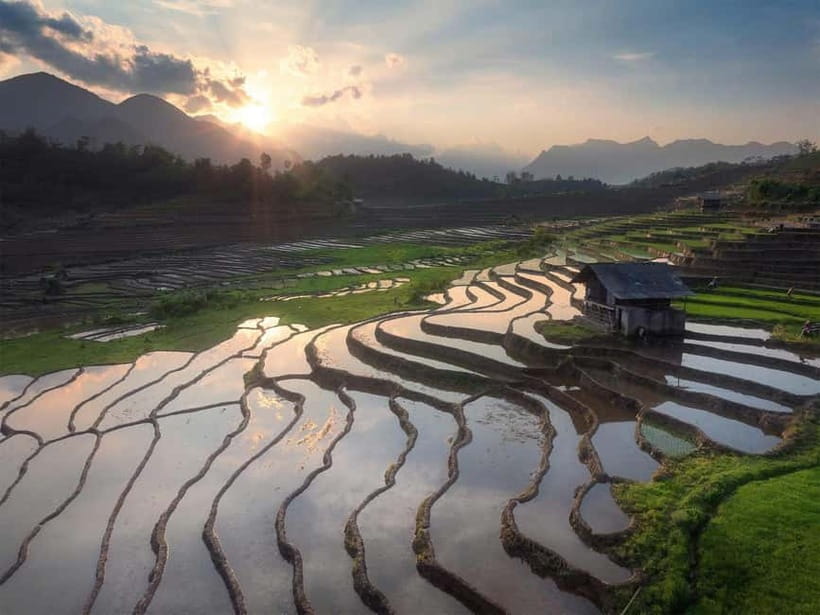
Once you leave the town, the feel changes quickly. The route passes through rice, corn, and potato fields on a less developed path. The terraces are the main attraction, but the farming gives them meaning. You are not just looking at patterned hillsides. You are seeing land shaped for food production and maintained as part of village life.
The appearance of the fields will depend on the season. The tour information does not promise a particular crop color or harvest stage, so you should not expect the same view shown in every photograph. What you can count on is a walk among cultivated terraces and mountain scenery, with plenty of open views for pictures.
This is also where the walking conditions become important. One of the strongest positive reports described a route of roughly 10 kilometers, with the majority of the walk going downhill. That makes the outing manageable for many people, but downhill does not mean effortless. Mud, uneven ground, and steep sections can make your legs work hard.
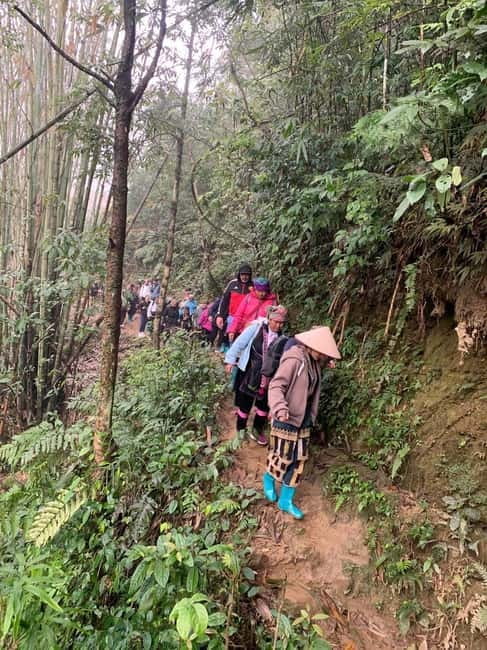
Rain changes the experience sharply. A January outing found the ground muddy at first, while a late January walk after recent rain had very slippery mountainsides. Local people helped walkers through difficult sections, but you should still expect dirty shoes and the possibility of slipping. Good grip matters more here than smart-looking footwear.
Lao Chai village and local life
Lao Chai is a small village on the hillside and one of the most meaningful parts of the route. The attraction is not a single monument. It is the chance to pass simple homes, see people going about ordinary tasks, and gain a clearer sense of how local ethnic communities live around the terraces.
Your guide provides the bridge between what you see and what it means. You can ask about local customs, habits, family life, and village buildings. The supplied details describe a warm, personal feel in the village, with the sense that you are being welcomed into a community rather than marched past a photo stop.
Keep your expectations grounded. This is a walking tour through villages, not a formal home visit or a guaranteed hands-on activity. The value comes from the route, the conversation, and the small details you notice along the way.
You may also encounter local people offering help on muddy sections. That happened during one particularly wet walk. It is a practical reminder that the path is part of daily life here, not a fully paved attraction designed only for sightseeing.
Waterfall pauses and photo time
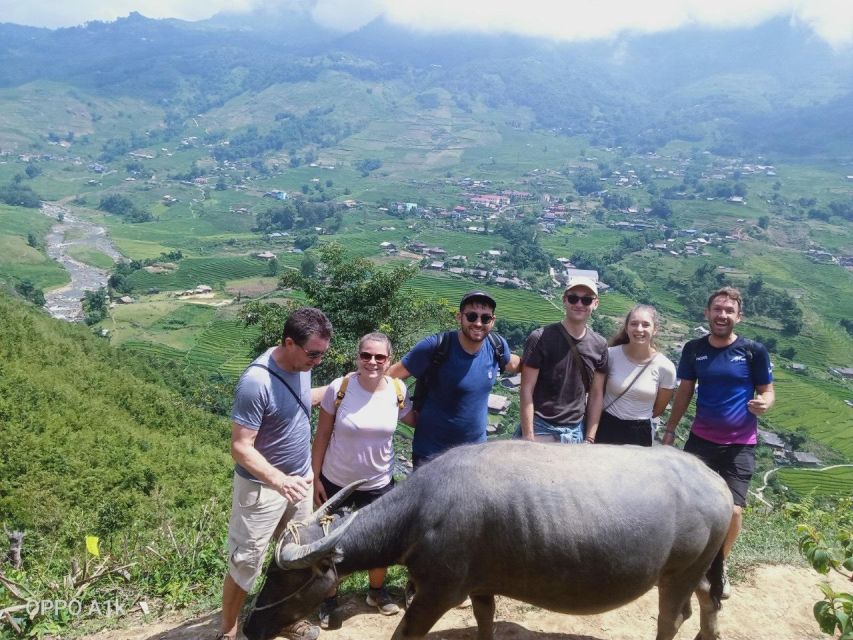
The route includes a lovely waterfall where you can stop, rest, and take photographs. After several hours of walking, this break has practical value as well as visual appeal. You get time to catch your breath and enjoy the sound of falling water before continuing through the villages and fields.
The tour allows many photo stops rather than treating the walk as a race to the final village. Terraces appear one after another, with changing views of the hills, farms, homes, and paths. In wet weather, mist and rain can soften the colors and make the scene feel atmospheric, but they also make the ground less secure.
If photography is important to you, leave room on your phone or camera. The route is built around changing views rather than one fixed lookout. Still, protect your equipment from rain and mud. The conditions are part of the outing, particularly during the wetter months.
More One-Day Trips in Sa Pa:
- From Sapa: 1-Day Guided Trek to Lao Chai & Ta Van with Lunch
★ 4.9 · 416 reviews - Sapa 1 Day Long Trek: Trek to Hau Thao and Sa Seng Villages
★ 4.6 · 344 reviews - 1-day Authentik trek & Panorama valley views
★ 5.0 · 189 reviews - 1 day Fansipan Trekking
★ 5.0 · 180 reviews
Lunch before the ride back
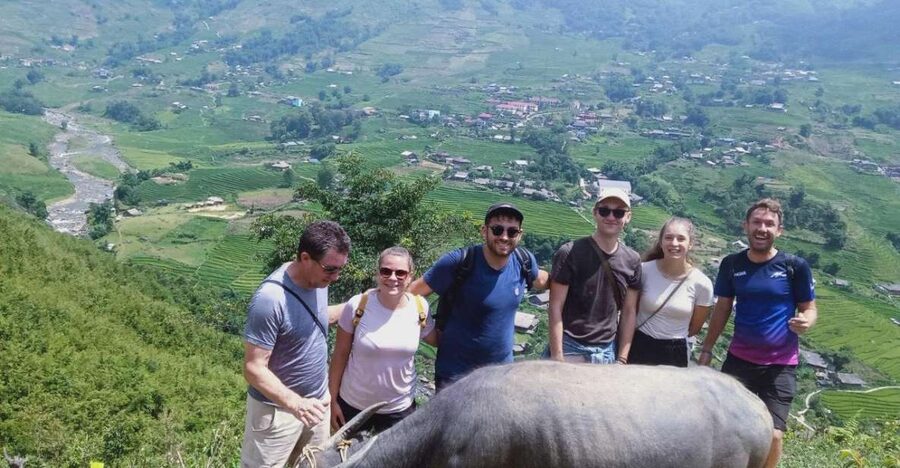
Lunch is served at a local restaurant before you board the shuttle bus to Sapa. Local food is included, while extra meals and beverages not specifically mentioned are not. The information does not provide a set menu, so do not book this expecting a particular dish.
The lunch stop breaks up the walking day at the right point. By then, you may have spent several hours on uneven paths, and sitting down before the return trip is welcome. It also gives you another chance to try local food without paying separately for the main meal.
The shuttle is a useful part of the plan. Instead of walking all the way back to Sapa, you return by road, usually taking the uphill part by vehicle. One account describes finishing at a village and riding back up to the center. That arrangement keeps the trip within roughly six hours and saves your legs for the rest of the day.
The tour is expected to finish around 2:00 to 2:30 in the afternoon, with drop-off at your Sapa hotel. Pickup and drop-off apply to hotels in Sapa town only. If you are staying outside the town, transport is not included.
How hard is the six-hour trek?

The route is best described as a real half-day hike, not a gentle sightseeing walk. One account puts the distance at about 10 kilometers. The path is often downhill, but steep and muddy sections can make it demanding.
Your main concerns are footing and weather. Recent rain can turn the mountain paths into slippery tracks, and one report described people falling on muddy ground. You could get dirty, and a minor fall is possible. The local guides helped people down difficult sections, but you still need to judge your own ability.
Bring shoes with solid grip, clothes that can handle mud, and protection for rain. The tour details do not list a required equipment set, so these are sensible choices rather than formal requirements. You should also be comfortable walking for several hours without a guaranteed paved surface.
The route may suit you if you enjoy moderate hiking, village paths, and changing outdoor conditions. It is less suitable if you need smooth paths, dislike mud, or want a short and highly predictable outing. The downhill direction helps, but it does not remove the physical demands.
What the $22 price really covers
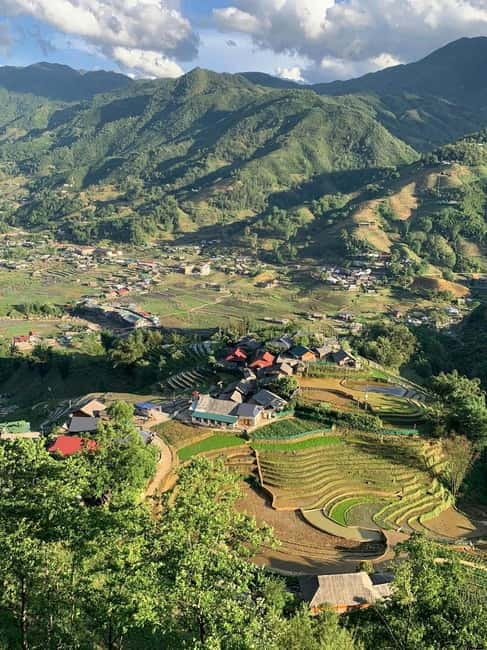
At $22 per person, this is a strong-value outing if you plan to see the terraces and villages anyway. The cost includes hotel pickup and drop-off in Sapa town, village entrance fees, an English-speaking local guide, lunch, the walk itself, photo stops, and the shuttle back to town.
Paying separately for each part would add up, especially the return transport and guide. The small group limit also improves the value because you are not joining a huge procession through narrow village paths.
The price does not include drinks, other meals, travel insurance, visa assistance, or transport outside Sapa town. Those exclusions are easy to manage, but you should carry money for anything you want beyond the included lunch and arrange your own insurance.
A full refund is available if you cancel at least 24 hours before the activity. You can also reserve now and pay later, which helps if your Sapa plans depend on weather or transport timing. The flexible booking terms are useful here because rain has a direct effect on both comfort and footing.
Who should book this Sapa walk?
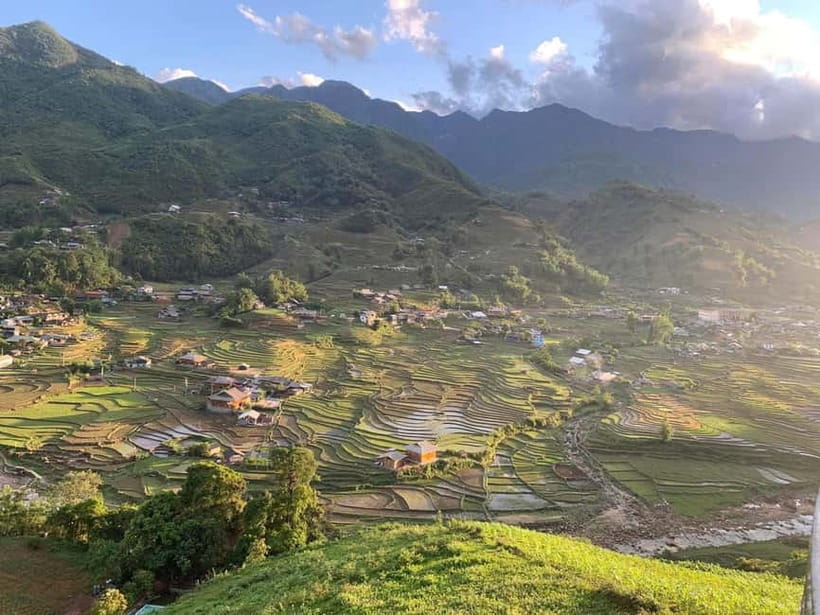
I would choose this tour if you want to combine the classic Sapa terraces with a closer look at village life. You get nature, farming, local culture, food, and transport in one compact day. The route also suits people who prefer a small group and want to ask questions as they walk.
It is particularly good for visitors with only a short stay in Sapa. The morning departure and early afternoon finish leave time for the town later in the day. The return shuttle also avoids making you repeat the same route on foot.
Families with older children may find it enjoyable, but the muddy slopes need careful judgment. The tour information does not specify age limits or accessibility details, so you should not assume the route works for wheelchairs, mobility aids, or anyone who cannot manage uneven ground.
Weather should influence your decision. Clear conditions will make the terraces easier to view and the paths easier to manage. Rain can create beautiful misty views, but it also brings mud, slippery slopes, and a greater chance of falling.
Should you book it?
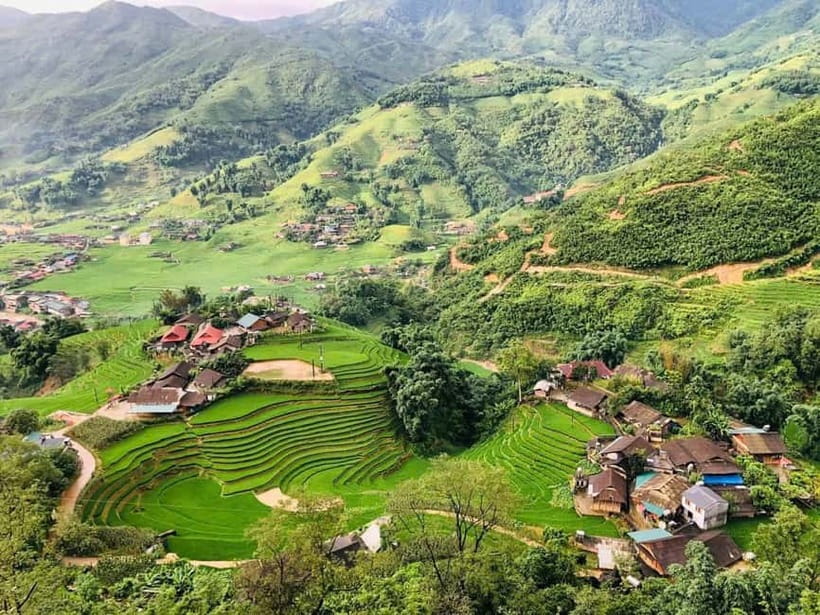
Book this tour if you want a reasonably priced, active introduction to Sapa’s terraces and ethnic villages, and you are happy to accept real mountain walking. The local guide, small group, included lunch, and shuttle ride make the $22 cost easy to justify.
Skip it if you want a dry-weather guarantee, paved paths, or a short stroll with little physical effort. For everyone else, this is a practical way to reach Lao Chai, see the fields at walking pace, and spend time around local communities rather than only viewing Sapa from town.
FAQ
How long does the Sapa trekking tour last?
The activity lasts about six hours. Pickup is scheduled between 8:00 and 8:30 in the morning, and hotel drop-off in Sapa is planned for about 2:00 to 2:30 in the afternoon.
Where does the tour start and finish?
The tour starts with pickup at a hotel in Sapa town and finishes with drop-off at a hotel in Sapa town. Pickup and drop-off outside Sapa town are not included.
Is lunch included?
Yes. Lunch with local food at a local restaurant is included. Drinks and meals not specifically mentioned are not included.
What language does the guide speak?
The tour has a live English-speaking local guide.
How large is the group?
The activity is described as a small-group tour limited to 10 participants.
Does the tour include transportation back to Sapa?
Yes. After lunch, a shuttle bus takes you back to Sapa town and your hotel.
Can I cancel for a refund?
You can cancel up to 24 hours in advance for a full refund. The tour also allows you to reserve now and pay later.
Just added around Sa Pa
- From Sapa: Guided Full-Day Trekking with Lunch and Drop-Off★ 4.2 · 86 reviews
- Sapa Trekking Bargains With Local Guide★ 4.9 · 91 reviews
- Sapa: Y Linh Ho – Lao Chai, and Ta Van Trekking Day Tour★ 5.0 · 25 reviews
- Sapa: Trekking Sapa One Day With Group Tour★ 4.7 · 55 reviews
- Sapa: Ta Phin Village Trek with Lunch and Bathing Experience★ 4.7 · 13 reviews
- Sapa Trekking Private Tour With Ethnic Female Tour Guide★ 4.9 · 24 reviews
- Sapa: Muong Hoa Valley View & Villages Trek with Local Guide★ 5.0 · 25 reviews
- Sapa: Sapa Mountain View And Villages Trek★ 4.4 · 16 reviews
Rice Terrace Hikes, side by side.
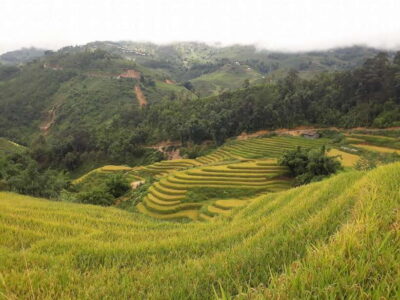
Sa Pa: Muong Hoa Valley Trek and Local Ethnic Villages
Read our review →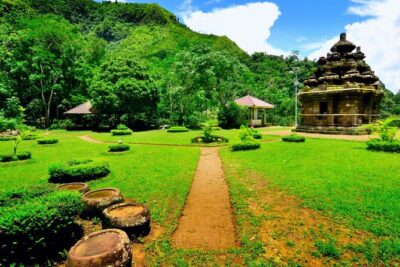
Selogriyo Temple and Trekking Java Rice Terraces, hidden waterfall -Nature Java
Read our review →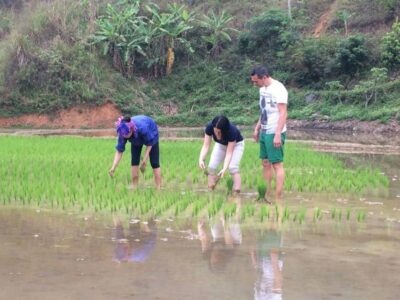
Sa Pa: 6-Hours Muong Hoa Valley Trek with Local Ethnic guide
Read our review →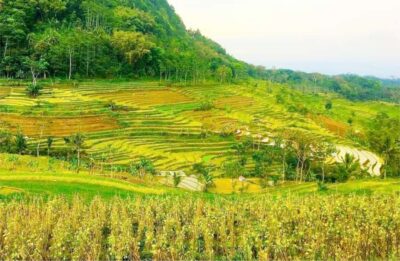
Yogyakarta: Selogriyo Temple Tour & Java Rice Terrace Trek
Read our review →
Rice Terrace, Holy Water Temple & Waterfalls Trek Tour
Read our review →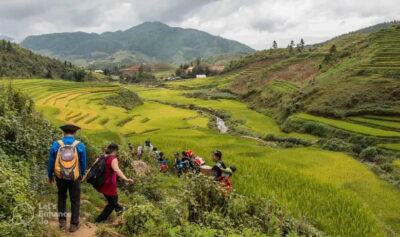
1-Day Sapa Long Trek – Rice Field Terrace, Ethnic Culture
Read our review →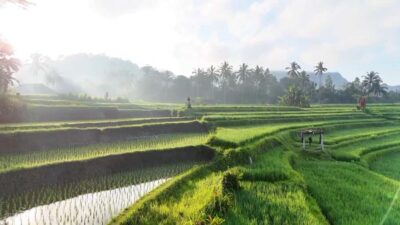
Sidemen rice terraces trek and local village walk
Read our review →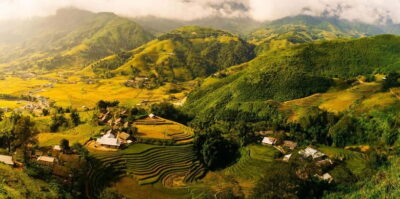
Muong Hoa Mountain Views and Villages Trek with Lunch
Read our review →This walk also sits in