
REVIEW · VIETNAM
Half Day Sapa Trekking to Visit Lao Chai – Ta Van
The best part of this Sapa half-day trek is the steady walk from mountain roads into the valley, where rice terraces, the Muong Hoa Stream, and Black Hmong and Dzay villages come into view. You get a real outing, not just a roadside photo stop.
I like the local guides, who explain village life in a personal way, and I like the efficient morning schedule. Guides such as Soso, Sua, Song, and Tung have been singled out for their clear English and warm manner. The main drawback is the trail itself: it can be steep, slippery, muddy, and tiring, while local sellers may walk beside you and ask you to buy handicrafts.
Key points to know before you book
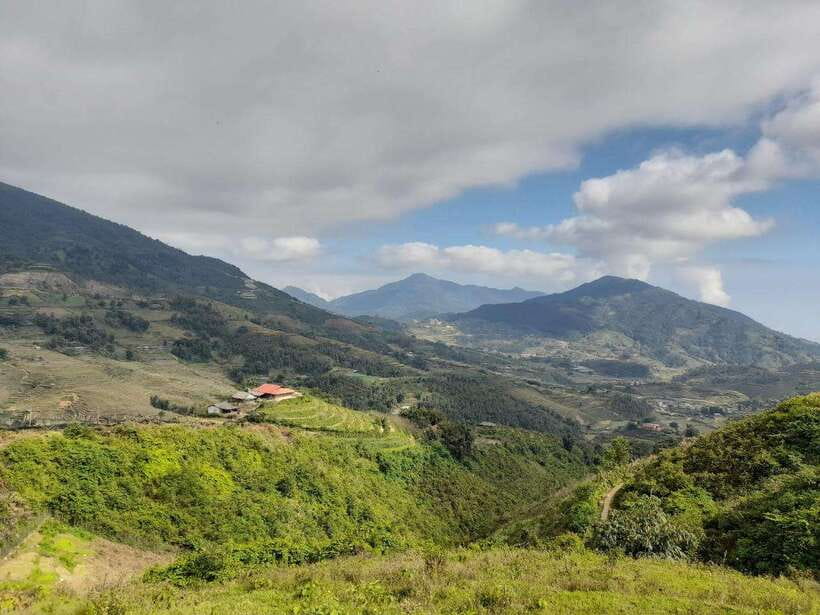
- About 9 kilometers on foot: The walk lasts roughly four hours and uses dirt tracks, village paths, roads, and uneven mountain ground.
- Three village areas in one morning: You pass through Y Linh Ho, Lao Chai, and Ta Van, with time for photos and local explanations.
- Strong local guiding: The guide is from the Sapa area, and past guides named Soso, Sua, Song, Tung, Tran, and Ku have received especially warm praise.
- Weather changes the experience: Clear skies bring wide views of Hoang Lien Son Mountain, while rain can mean mud, slippery paths, and reduced visibility.
- A short tour with a proper trek: You return to Sapa around noon, making this useful if you have only one day or need an afternoon free.
- Prepare for sales pressure: Village women and children may accompany the group and try to sell handmade goods. Be polite, set your limit, and do not feel obliged to buy.
What this Sapa trek is really like
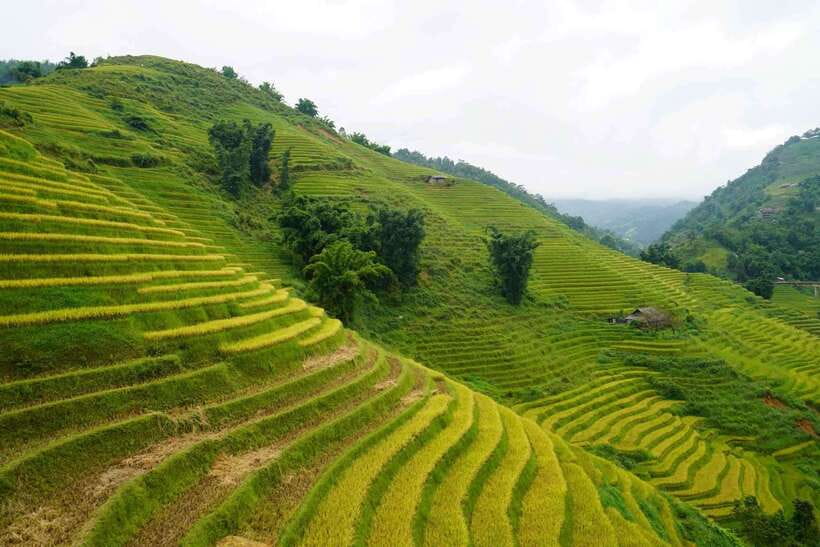
This is not a gentle stroll around town. It is a downhill and valley trek covering about 9 kilometers, with sections on rural roads, dirt paths, village lanes, and rough ground between fields. The route is manageable for people with a reasonable level of fitness, but it is not suitable for wheelchair users and may be hard if you are unsteady on your feet.
The tour begins with pickup in Sapa between 8:10 and 8:20 in the morning. You leave your main luggage behind and take a light pack for the walk. A short transfer takes you toward Y Linh Ho, where the walking portion begins.
The stated schedule allows about four hours for the trek. A bus then collects you at Ta Van Bridge and returns you to Sapa, arriving at about noon. Some groups have reached their hotels around 12:30, depending on the timing of the pickup and the pace of the walk.
That compact schedule is useful. You get a substantial taste of the Muong Hoa Valley without giving up the whole day. If you are staying in Sapa for only one night, this is one of the easier ways to see the villages and still have time for lunch and another activity.
More hikes and treks around Sa Pa:
- Sa Pa: Muong Hoa Valley Trek and Local Ethnic Villages
★ 4.6 · 864 reviews - Sapa: Eco Adventure Terrace Fields and Local Villages Trek
★ 4.9 · 636 reviews - Number one top rated ethical cultural trekking and homestay by ETHOS
★ 5.0 · 456 reviews
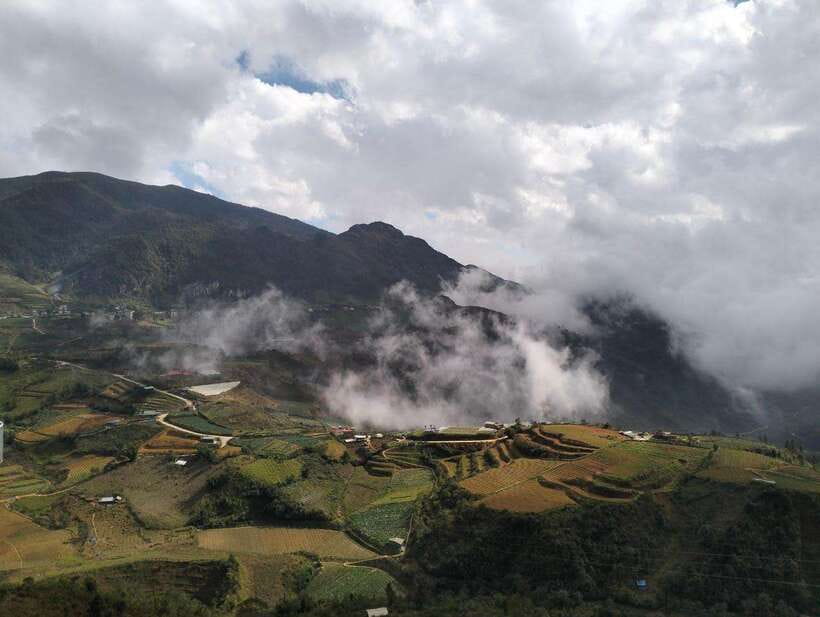
Y Linh Ho: the first views open into the valley
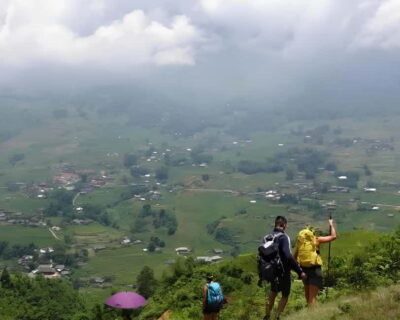
The walk starts at Y Linh Ho, where the route moves away from the built-up feel of Sapa. The first hour includes a guided visit and photo stops, but the real value is the change in surroundings. You begin to see fields, mountain slopes, scattered homes, and the valley below.
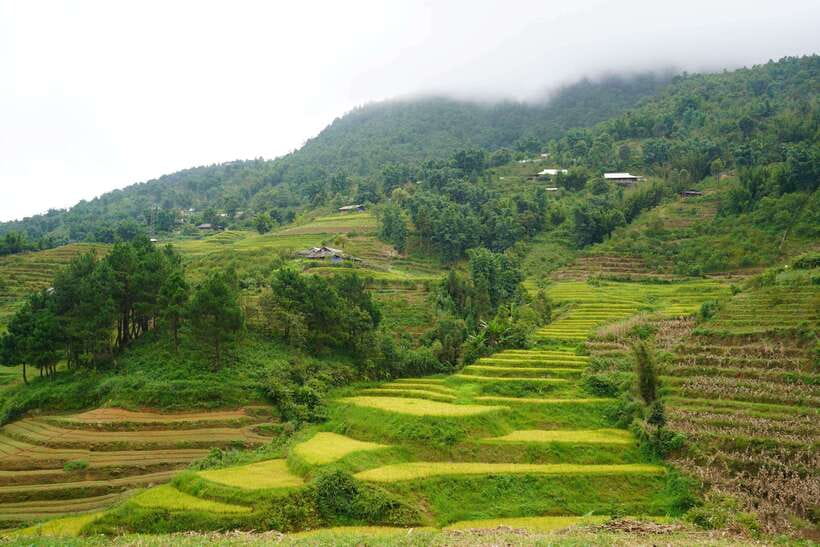
The scenery depends heavily on the weather. On a clear morning, you can see layers of rice terraces and the Hoang Lien Son range. Clouds may hang over the hills, especially in the cooler or wetter months, but they can also lift as the morning goes on. One January outing began under cloud before the views cleared to reveal the river, terraces, and villages.
You will want your camera ready, but do not spend the whole first section looking through it. The route gives you time to stop, and your guide can point out details that are easy to miss, such as farming areas and the way homes sit along the valley.
Rain changes the trail quickly. Several sections can become wet and slick, so hiking shoes are the sensible choice. Rubber boots may be useful in very muddy conditions, though the tour information also recommends sports shoes. Bring the footwear you trust most on uneven ground rather than brand-new shoes.
Lao Chai and the Black Hmong valley
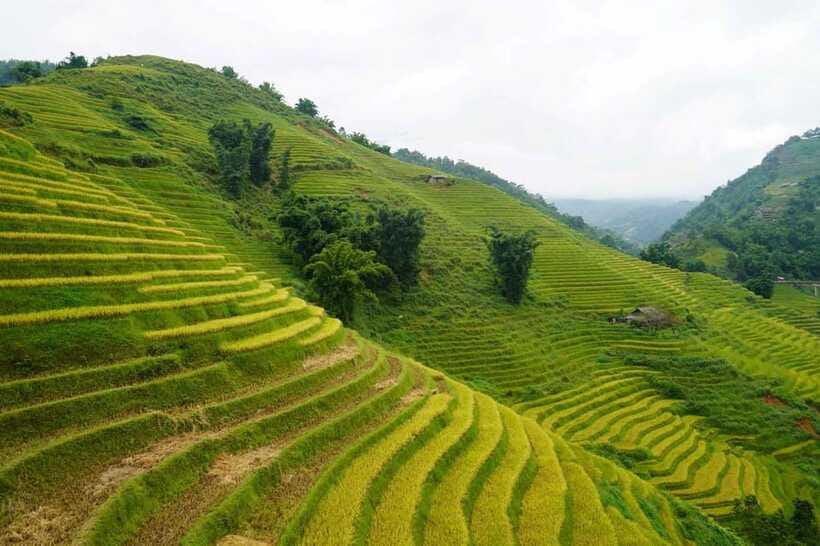
From Y Linh Ho, the route continues through rice terraces and along the Muong Hoa Stream toward Lao Chai. This is where the trek feels most connected to daily village life. You are not simply looking down at a scenic valley from a viewpoint. You walk through working fields and settlement areas with a local guide explaining what you see.
Lao Chai is associated with the Black Hmong community. The guide can give context about local customs, farming, and family life, and the strongest part of the experience comes from the personal nature of those explanations. One guide, Sua, was praised for showing visitors her own fields and explaining her farming practices. That kind of contact gives the walk more meaning than a list of facts about ethnic groups.
The route may pass along paths between fields, rural roads, and village streets. Some sections are steep or uneven, and your pace may slow if it has rained. A local guide can be especially helpful here. Guides have assisted people across muddy patches and slippery sections, but you should still expect to place your feet carefully and take your time.
This is also a good place to understand the limits of a short group trek. The guide needs to keep everyone moving so the bus can meet the group at Ta Van Bridge. You will get photo stops and explanations, but this is not a long homestay visit or a slow private walk through every corner of the valley.
Ta Van: Dzay culture and the finish of the walk
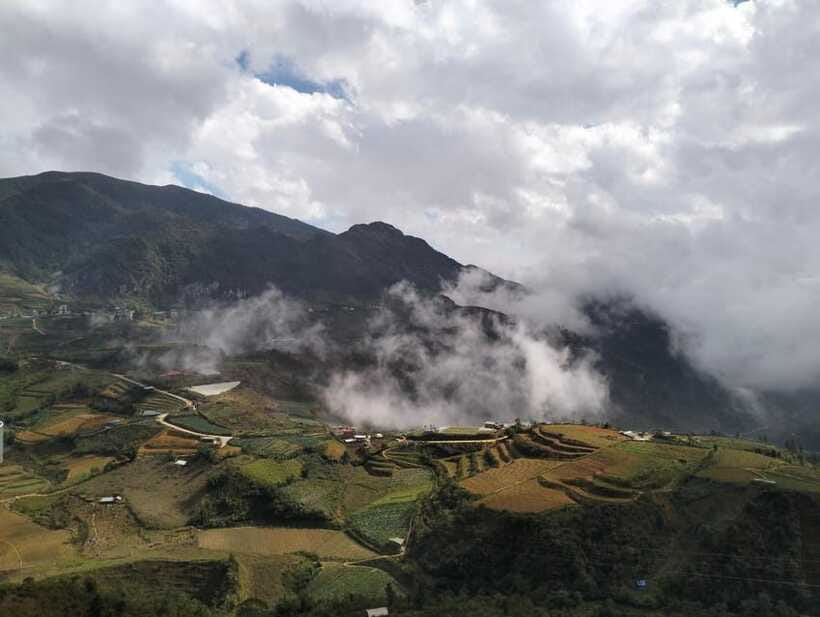
The trek continues to Ta Van, home to the Dzay people. The village section lasts about an hour and a half in the stated program, including a break, photos, and a guided visit. By this point, the views have changed from open terrace slopes to a closer look at village life.
Ta Van is a useful contrast with Lao Chai. The tour introduces you to more than one community in the same valley, while the guide explains differences in local customs and ways of life. That comparison is one reason this route offers more than a standard countryside walk.
You may have time to rest and take photos before the bus arrives. The pickup point is Ta Van Bridge, so the walking portion ends there rather than bringing you all the way back to Sapa on foot. The air-conditioned bus then takes about 45 minutes to return to town.
The end can feel abrupt. You have spent the morning walking through quiet fields and villages, then you are back in a vehicle and on your way to Sapa. Still, the transfer is practical and saves several more hours of walking. For a half-day outing, that is a fair trade.
Same trailheads, a different kind of day:
- From Sapa: 1-Day Guided Trek to Lao Chai & Ta Van with Lunch
★ 4.9 · 416 reviews - Sa Pa Full Day Trekking Tour
★ 5.0 · 414 reviews - Sapa 1 Day Long Trek: Trek to Hau Thao and Sa Seng Villages
★ 4.6 · 344 reviews - EXPLORE SAPA: 2D1N TREKKING & HMONG CULTURE WITH DINH
★ 4.9 · 191 reviews
The guides make the difference
The tour includes an English-speaking local guide, with Vietnamese also available. The best guides bring the setting to life because they can speak from personal experience rather than repeating a short script.
Soso received repeated praise for her English, humor, and explanations of village life. Sua was appreciated for sharing details about her own fields and farming. Song was described as an excellent guide on a challenging trek, while Tung was praised for clear English and an engaging manner. Other named guides, including Tran, Ku, and Somg, were also credited with helping visitors understand local customs and the villages along the route.
You should not book this expecting a particular guide unless the operator confirms one. The useful point is that the tour is built around local guiding, and the experience can be much stronger when the guide takes time to explain family life, farming, and local traditions.
Group size matters, too. One small group of four found it easy to keep the same pace and take quieter paths. With a larger group, the walk may feel less personal, and people with different fitness levels can spread out. If you are worried about keeping up, ask about a private or smaller arrangement before booking.
Mud, heat, and the right level of fitness
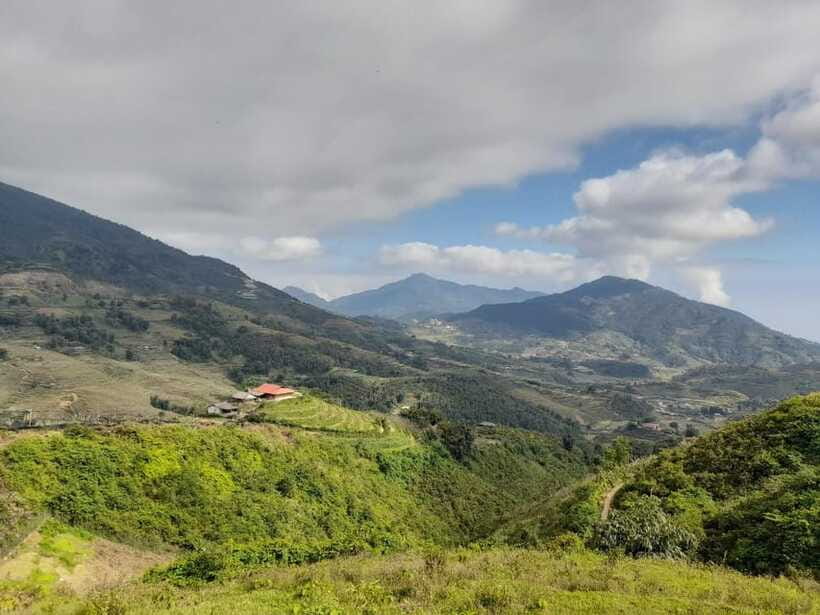
The trail is the main practical issue. Reviews of the route describe steep and uneven ground, muddy sections, winding paths, and slippery tracks after rain. That does not make it a technical hike, but it does mean you should be comfortable walking on natural mountain ground.
In hot weather, the four-hour trek can feel quite physical. One summer outing through rice and corn fields became tiring in extreme heat, even though it remained worthwhile. In wet weather, the problem shifts from heat to footing. Give yourself extra time at slippery spots and do not rush for the sake of the schedule.
Pack lightly, but bring the basics:
- Hiking or sports shoes with good grip
- A sun hat, sunglasses, and sunscreen
- Comfortable sportswear and hiking trousers
- Water and any personal snacks you need
- A camera or phone
- A small first aid kit
The tour information lists beverages as extra, so do not assume drinks are included. It also excludes travel insurance, VAT, and personal spending.
Handling the village sellers
You should know about the selling before you arrive. Local women may walk with the group, offer help on muddy sections, and try to sell handmade goods. Some visitors appreciate the contact and buy a small craft; others find the repeated offers distracting.
The pressure can be strong in places. Children may also approach, and you might feel uncomfortable when a friendly interaction turns into a sales request. You cannot control the local economy, but you can decide in advance how you will handle it.
If you want to buy something, set a budget and choose one item rather than feeling pushed into several purchases. If you do not want anything, smile, say no clearly, and keep walking. Do not promise to buy later. A calm, firm response usually makes the situation easier than a long discussion.
This issue does not erase the value of the trek, but it can affect how relaxed you feel. If quiet walking is your top priority, a private guide may give you more control over the pace and route, though the selling may still occur in the villages.
Is $22 good value for the morning?
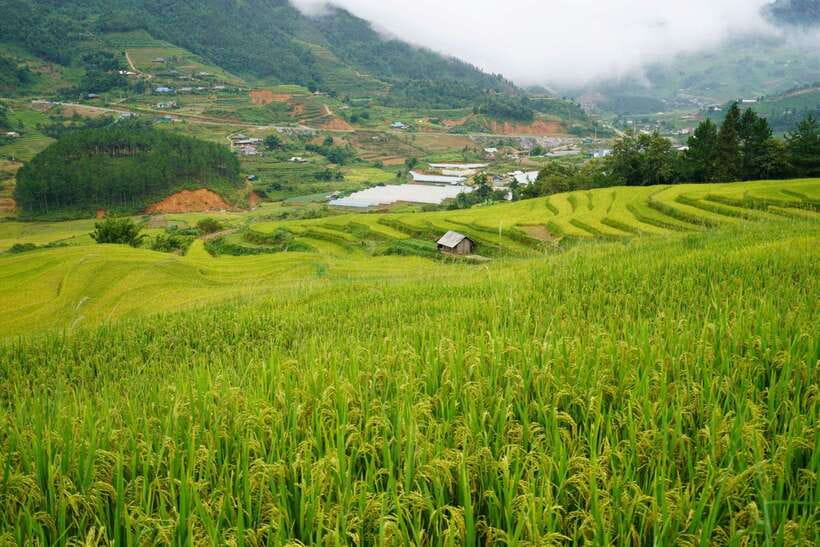
At $22 per person, the tour offers solid value if you want transport, a local guide, and a proper walk without arranging each part yourself. The price includes the air-conditioned bus from Sapa to Y Linh Ho, the return from Ta Van, an English-speaking local guide, and entrance tickets to the stated sites.
You are paying for more than a short viewpoint visit. The tour covers roughly 9 kilometers and three village areas, with about four hours on foot. The included transport also solves a practical problem: Sapa is above the valley, and returning by bus saves you a long walk after your legs are tired.
The price does not cover drinks, insurance, VAT, or personal purchases. Bring money only if you want souvenirs or other personal items. If you prefer a private guide, a slower pace, or a longer village visit, this group half-day option may not meet every preference.
The booking terms are flexible. You can cancel up to 24 hours before departure for a full refund, and the reserve-now, pay-later option helps if your Sapa plans depend on weather. That matters here because clear skies and dry trails can make a major difference.
Who should choose this half-day route?
I would choose this trek if you want strong scenery and village contact but do not have time for a full-day or overnight route. It suits people who can walk for four hours and handle uneven ground, including families with older children who are used to active outings.
It is also a good fit for anyone interested in local culture. The guides explain Black Hmong and Dzay life, and the walk through fields and villages feels more direct than simply stopping at a scenic platform.
You may want another option if you have limited mobility, dislike mud, or need a completely flat path. I would also hesitate if you are uncomfortable with sales approaches or if poor weather is forecast and you have no spare time in Sapa.
The route is not about luxury. It is about seeing the valley at walking speed, with a guide who can connect the scenery to the people who live there.
Should you book it?
Book this tour if you want a well-priced morning trek with mountain views, rice terraces, and two distinctive village areas. The combination of local guiding, included transport, and a nine-kilometer route gives you a lot for $22.
Go prepared for mud, heat, uneven ground, and possible souvenir pressure. Wear proper shoes, carry sun protection and water, and keep your schedule flexible enough to allow for a slower walk. If you accept those conditions, this is a practical and culturally focused introduction to the Sapa valley.
FAQ
How long does the Sapa trek last?
The activity lasts about 270 minutes, or four and a half hours including transport. The walking section takes about four hours, and the bus ride back to Sapa takes about 45 minutes.
How far do you walk?
The stated trekking distance is about 9 kilometers. The route runs through Y Linh Ho, Lao Chai, and Ta Van.
Where does the tour start?
Pickup is in Sa Pa, usually between 8:10 and 8:20 in the morning. The walking section begins after transport toward Y Linh Ho.
Which villages does the trek visit?
The route includes Y Linh Ho, Lao Chai, and Ta Van. Lao Chai is associated with the Black Hmong community, while Ta Van is home to the Dzay people.
What language does the guide speak?
The tour provides a live guide in English or Vietnamese. The guide is a local guide in Sapa.
Is the trek suitable for wheelchair users?
No. The activity is not suitable for wheelchair users because the route includes uneven, muddy, steep, and natural mountain paths.
What should I bring?
Bring sunglasses, a sun hat, a camera, sunscreen, hiking or sports shoes, sportswear, hiking trousers, and a small first aid kit.
What happens if I need to cancel?
You can cancel up to 24 hours in advance for a full refund. The reserve-now, pay-later option lets you hold a place without paying immediately.
Just added around Sa Pa
- From Sapa: Guided Full-Day Trekking with Lunch and Drop-Off★ 4.2 · 86 reviews
- Sapa Trekking Bargains With Local Guide★ 4.9 · 91 reviews
- Sapa: Y Linh Ho – Lao Chai, and Ta Van Trekking Day Tour★ 5.0 · 25 reviews
- Sapa: Trekking Sapa One Day With Group Tour★ 4.7 · 55 reviews
- Sapa: Ta Phin Village Trek with Lunch and Bathing Experience★ 4.7 · 13 reviews
- Sapa Trekking Private Tour With Ethnic Female Tour Guide★ 4.9 · 24 reviews
- Sapa: Sapa Mountain View And Villages Trek★ 4.4 · 16 reviews
- Sapa: Muong Hoa Mountain Views and Villages Trek with Lunch★ 4.3 · 28 reviews
Sapa Hiking Tours, side by side.
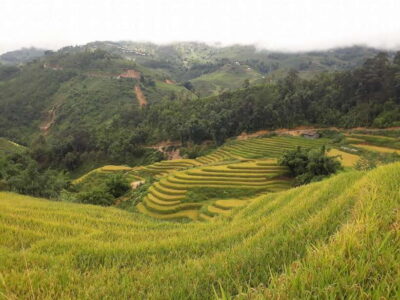
Sa Pa: Muong Hoa Valley Trek and Local Ethnic Villages
Read our review →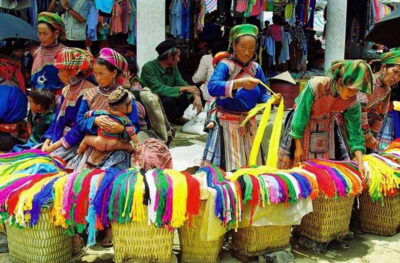
Eco Adventure Terrace Fields and Local Villages Trek
Read our review →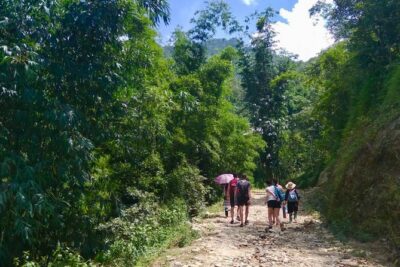
Number one top rated ethical cultural trekking and homestay by ETHOS
Read our review →
1-Day Guided Trek to Lao Chai & Ta Van with Lunch
Read our review →
Sapa 1 Day Long Trek: Trek to Hau Thao and Sa Seng Villages
Read our review →
EXPLORE SAPA: 2D1N TREKKING & HMONG CULTURE WITH DINH
Read our review →
This walk also sits in