
REVIEW · JAPAN
Hike Hakone Hachiri
Hakone Hachiri gives you something the usual Hakone circuit often misses: a long walk through the old Japan of the Tokaido Highway. You follow a 12-kilometer section of the route once used between Edo, today’s Tokyo, and Kyoto, passing through cedar forests, castle ruins, an old checkpoint, and a family-run teahouse with thirteen generations behind it.
I like the personal guiding by Tony, including his Japanese translation at Amazake Chaya, and the strong mix of scenery and history. The drawback is clear: this is a demanding day on stone and uneven paths, not a gentle stroll, and poor weather can affect the plan.
Key points
- Meet and finish at Mishima Station: The tour begins at 8:30 am and returns to the same station.
- A 12-kilometer historic route: You hike the preserved Hakone Hachiri section of the old Tokaido Foot Highway.
- A 13th-generation teahouse: Amazake Chaya offers a rare link with the route’s past.
- Four-century-old cedars: Cedar Avenue gives you shade, scale, and a memorable stretch of forest.
- Yamanaka Castle ruins: Expect earthworks, mountain scenery, and possible Mt Fuji views.
- Private and weather dependent: Only your group takes part, but the tour requires good weather and moderate fitness.
Walking the old road between Odawara and Mishima
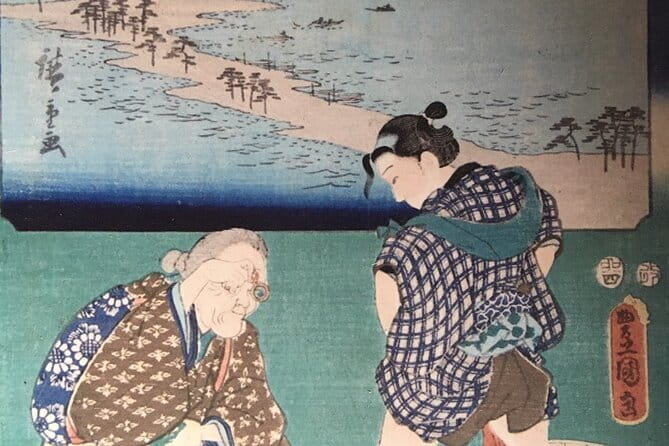
The name Hakone Hachiri refers to the old route across the Hakone area, part of the Tokaido, Japan’s great east-west highway. This was not a decorative walking path made for sightseeing. It was a working route linking Edo with the former capitals farther west, and its slopes, checkpoints, tea stops, and defenses tell you how difficult long-distance travel once was.
The main hike covers about 12 kilometers, roughly seven and a half miles. The full day lasts about nine hours, so you should think of it as a proper walking tour with several stops, not a sequence of quick photo breaks.
Tony guides the private outing, and the small-group format matters here. On a forest route with historical details, you can ask questions, adjust the pace within reason, and spend more time at places that interest you. Previous feedback highlights his attention to individuals, his humor, and his ability to explain the past while keeping the walk moving.
The route has been recognized as a Japan Heritage Area. That label is useful, but the real value comes from seeing the pieces together. The teahouse, cedar avenue, checkpoint, castle site, and waterway in Mishima are not isolated attractions. They help you understand how the old road worked.
More hikes and treks around Japan:
- Fushimi Inari Hidden Hiking Tour (Private Option Available)
★ 5.0 · 1,750 reviews - Kyoto: 3-Hour Fushimi Inari Shrine Hidden Hiking Tour
★ 4.9 · 270 reviews - Hiroshima Local guided Hiking Tour&Open-air Tea Ceremony
★ 5.0 · 213 reviews
Amazake Chaya and thirteen generations of welcome
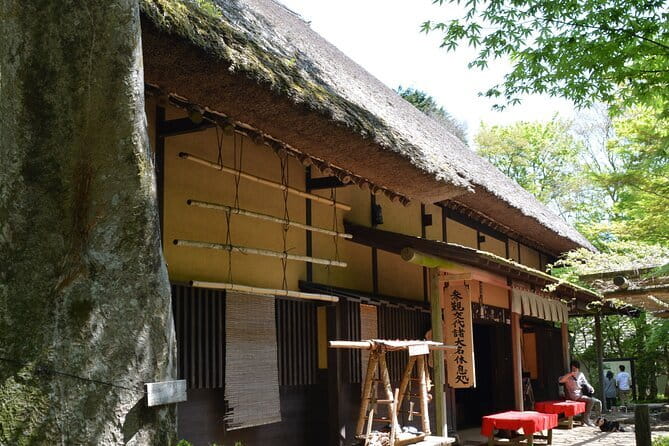
Amazake Chaya is one of the most distinctive stops. The teahouse is managed by Mr. Yamamoto, whose family has run it for thirteen generations. His son and daughter may represent the next generation, giving the place a direct family connection to the old road.
You receive about an hour here, with admission included. Tony’s Japanese translation is especially useful because it helps turn a quick refreshment stop into a personal encounter with the people who keep this tradition alive.
The name suggests amazake, a sweet, usually low or non-alcoholic rice drink associated with Japanese food culture. The supplied details do not promise a specific menu, so check what is available on the day. Coffee and tea are not included in the tour price, and lunch is also your responsibility.
I like this stop because it gives the hike a human center. Trees and ruins can explain a route, but a family business still serving people along it helps you picture the old Tokaido as a lived-in road.
Lake Ashi, red torii, and a practical lunch break
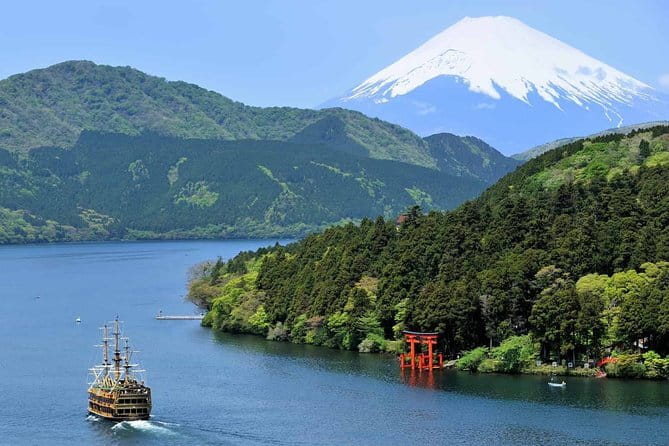
The tour includes about an hour at Lake Ashi, also called Lake Ashinoko. The lake fills a volcanic crater and reaches about 700 meters in depth. One of its best-known sights is the red torii gate set in the water.
This is the planned lunch stop, but lunch is not included. You should budget separately and be ready to choose and pay for your own food. Because the day combines a substantial hike with sightseeing, use this hour to eat properly rather than treating it as a quick snack break.
Lake Ashi offers a change of pace from the enclosed forest sections. The open water also gives you a better chance to appreciate the scale of the Hakone area. Weather can change the mood completely, and clouds may affect views across the lake and toward Mt Fuji.
The schedule gives you time here, but it does not turn the trip into a leisurely lake tour. The main purpose remains the old road hike.
Cedar Avenue and four centuries of shade
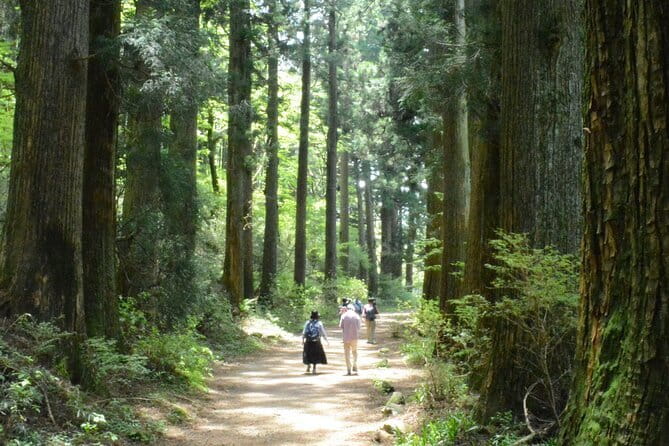
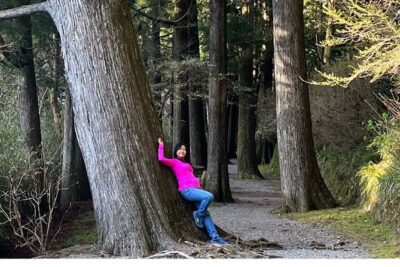
Cedar Avenue is one of the most memorable sections of Hakone’s old road. The Japanese cedars, known as sugi, were planted about four centuries ago on the orders of Tokugawa Hidetada, the second shogun of the Edo period.
You spend around 30 minutes at this stop, though the wider walk through the historic route gives you more time among the trees. The trunks and height create a strong sense of enclosure, with the road running between them.
This is a good place to slow down and look closely. The cedars were practical as well as impressive, providing shade for people using the Tokaido. Their age also gives the route a physical link to the era when travelers, officials, and merchants moved between the major cities of Japan.
Do not assume the tree-lined section makes the whole day easy. The route also includes stones and uneven ground, and the day’s total distance remains substantial.
Same trailheads, a different kind of day:
- Hiking the Historic Nakasendo Trail [1 Day Tour from Nagoya]
★ 5.0 · 104 reviews - Hiroshima: Morning Hiking Tour with Open-air Tea Ceremony
★ 4.8 · 58 reviews - Full Day Hiking Tour at Mt.Takao including Hot Spring
★ 5.0 · 52 reviews - Kyoto: Hike and Hot Springs in Kurama
★ 5.0 · 49 reviews
Hakone Sekisho and the price of controlling the road
Hakone Sekisho was a checkpoint on the Tokaido. These stations checked people moving along the highway and helped protect the shogun and the capital, Edo. Hakone was close to Edo, so its checkpoint received particularly serious attention.
You spend about 30 minutes at Hakone Sekisho and the associated museum. That is enough for a focused look, though you will not have the time of a separate museum visit.
The checkpoint adds political weight to the hike. This was not simply a scenic mountain crossing. Movement was watched, identities mattered, and the road formed part of the shogunate’s system of control.
I find this kind of stop useful because it explains why the Tokaido was important. Without it, the route could seem like a pleasant old path through the woods. With it, you see the highway as a tool of government and security.
Yamanaka Castle ruins and the chance of Mt Fuji
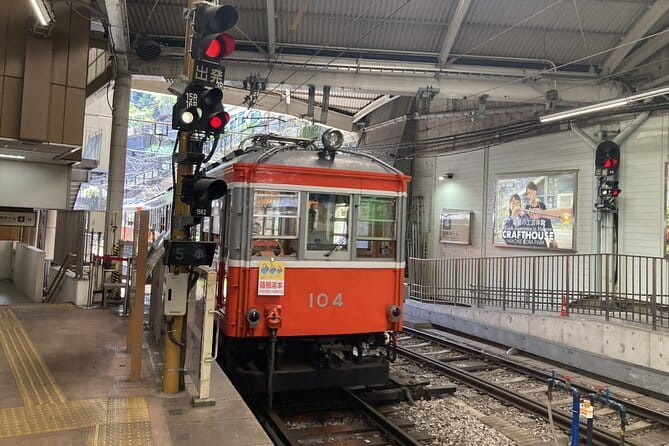
Yamanaka Castle dates to 1590 and guarded the western boundary of the Hojo domain. Its name means castle in the middle of the mountain, which is a good description of the setting.
The ruins are known for impressive earthworks rather than intact towers or grand stone buildings. That means you should come for the shape of the defenses, the setting, and the story, not for a restored castle interior.
You have about 30 minutes here. The site also offers some of the tour’s best chances for views of Mt Fuji, weather permitting. The qualification matters. Fuji is famously shy behind clouds, and this tour cannot promise a clear sight.
Even without Fuji, the stop has value. You can see how a mountain stronghold used ridges and earthworks to defend an important route. If the sky is clear, the view adds a spectacular reward to the climb.
The five-hour hike: beautiful, uneven, and demanding

The main Tokaido Odawara Shuku section takes about five hours. This is the heart of the experience and the part you should judge most carefully before booking.
The route is described as a moderate hike, but the length and surface make it more serious than a standard sightseeing walk. Previous participants describe stone paths, a rigorous challenge, waterfalls, and very large trees. One useful piece of advice is simple: wear sturdy, comfortable shoes.
The route’s difficulty may vary with weather. Rain can make stones slippery and change the feel of the walk. Tony has adjusted the plan during poor conditions, but this is still an outdoor hike, not a weatherproof museum day.
You should arrive ready to walk for hours. Moderate physical fitness is required, and you should be comfortable with uneven ground and a full day on your feet. If you want a short nature walk with frequent vehicle transfers, choose something else.
If you enjoy long walks, the effort is the point. The forest, old paving, waterfalls, and mountain defenses make the route feel more substantial than a quick stop at a famous viewpoint.
Finishing in Mishima beside the Genbegawa waterway
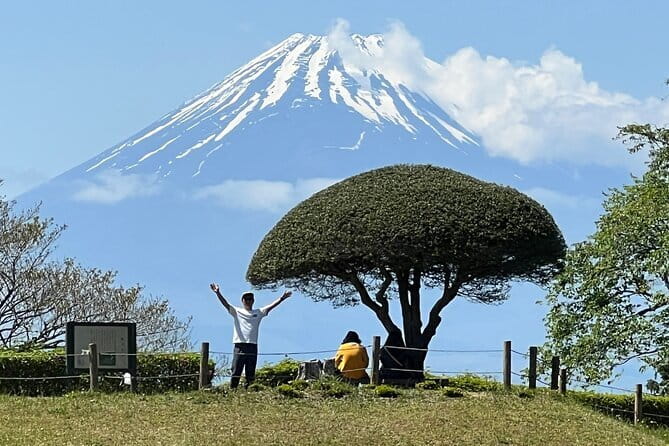
The final stop is Mishima, where you walk along the Genbegawa World Water Heritage Area for about 30 minutes. This gives the day a gentler finish after the longer mountain section.
The endpoint is also the starting point: Mishima Station, at 16-1 Ichibanchō. The tour begins at 8:30 am and returns there at the end of the day. That arrangement simplifies your transport plans, especially if you are using public transportation.
The location is near public transportation, but an air-conditioned vehicle is not included. The experience is built around walking, and you should not expect a private vehicle to carry you between every stop.
A station start and finish also make this outing easier to fit into a wider Japan itinerary. You do not need to arrange a separate end point in another town.
What the $231.18 price really covers
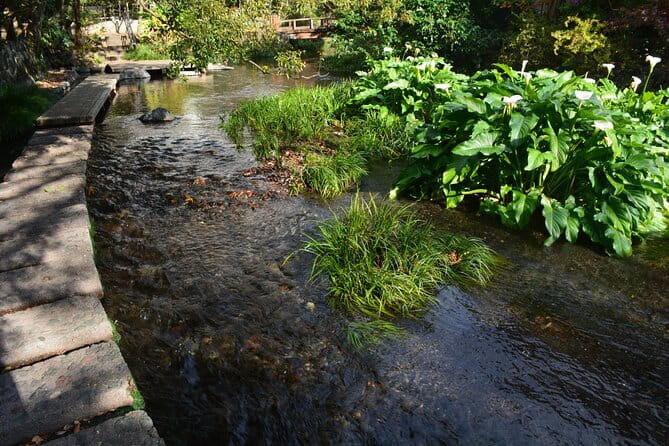
At $231.18 per person, this is not a cheap way to see Hakone. The price makes more sense if you value a private guide, interpretation, route knowledge, and a full day devoted to a historic walking trail.
The guide fee is included. Lunch, coffee, and tea are not included, so set aside extra money for food and drinks. There is no included air-conditioned vehicle, which is important if you are comparing this with a conventional sightseeing tour.
For a private activity, the value improves when shared by a small group. Group discounts are available, though the exact saving depends on the booking details. Only your group participates, so you are paying for a more personal format rather than joining a large coach outing.
The strongest part of the value is access to context. You can walk the route on your own, but you may miss why the checkpoint mattered, how Yamanaka Castle fit into regional defense, or what makes the teahouse unusual. Tony’s Japanese translation at Amazake Chaya adds something you cannot get from a signboard.
The price is harder to justify if you mainly want Lake Ashi or a Fuji photograph. Those sights can be visited in other ways. This tour earns its cost through the long route and the guide’s storytelling.
Weather, footwear, and the small details that matter
The tour requires good weather. If poor weather causes cancellation, you are offered another date or a full refund. The standard cancellation policy is otherwise strict: the experience is non-refundable and cannot be changed for any reason after booking.
Wear sturdy, comfortable footwear. That advice is not optional decoration. The route includes stones and uneven surfaces, and rain can make the hike more difficult.
Bring enough water and plan for lunch, although the supplied details do not specify what refreshments are available along the route. Since the day lasts around nine hours, pack with a full-day walk in mind.
The mobile ticket is convenient, and confirmation is provided when you book. The meeting point is Mishima Station at 8:30 am, so check your train timing carefully and arrive ready to start on schedule.
Who should book Hakone Hachiri?
I would choose this tour if you want a serious walk with historical meaning, not just a scenic outing. It suits adults and families with older children who can manage a long day on uneven paths.
It is also a good choice if you have already seen the standard Hakone highlights and want a quieter, more grounded side of the area. The old road, cedars, checkpoint, and castle ruins offer a stronger sense of place than a quick circuit of viewpoints.
I would hesitate if you dislike hills, stones, rain, or long stretches on foot. The tour is not ideal for anyone seeking guaranteed Mt Fuji views, since visibility depends on weather.
Should you book it?
Book Hakone Hachiri if you want to connect Japan’s scenery with its roads, rulers, defenses, and family traditions. Tony’s personal guiding and Japanese translation add real value, especially at the 13th-generation Amazake Chaya.
Skip it if your priority is a relaxed lake excursion or a guaranteed Fuji photo. For fit walkers who enjoy history and natural scenery, this is one of the more satisfying ways to experience Hakone beyond its busiest sights.
FAQ
Where does the tour start and finish?
It starts and finishes at Mishima Station, 16-1 Ichibanchō, Mishima, Shizuoka 411-0036, Japan.
What time does the tour begin?
The start time is 8:30 am.
How long does the experience last?
The tour lasts approximately nine hours.
How far do you hike?
The main route covers about 12 kilometers along the old Tokaido Foot Highway between Odawara and Mishima.
Is lunch included?
No. Lunch is not included, and coffee and tea are also excluded from the price.
What is included in the price?
The guide fee is included. An air-conditioned vehicle is not included.
Do I need to be fit for this hike?
Yes. A moderate level of physical fitness is required. The route includes uneven stone paths and a long walking section.
What happens if the weather is poor?
The experience requires good weather. If it is canceled because of poor weather, you can receive a different date or a full refund.
Just added around Japan
- Hike Japan Heritage Hakone Hachiri (Half Day)★ 5.0 · 18 reviews
- Traverse Outer Rim of Hakone Caldera and Enjoy Onsen Hiking Tour★ 5.0 · 30 reviews
- Magome & Tsumago Nakasendo Trail Day Hike with Government-Licensed Guide★ 5.0 · 38 reviews
- Frozen fall trekking★ 5.0 · 21 reviews
- Private Local Hiking to enjoy the nature and culture of Mt.Fuji★ 5.0 · 22 reviews
- Private Hiking Tour to View Mt. Fuji★ 5.0 · 10 reviews
- Walk the Ancient Pilgrim Paths of Mt. Fuji – Private Tour★ 5.0 · 10 reviews
- Oiso: Adventure Hike to See Mt. Fuji & Historic Coastal Walk★ 5.0 · 10 reviews
Japan Hiking Tours, side by side.
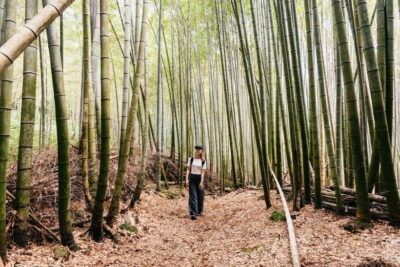
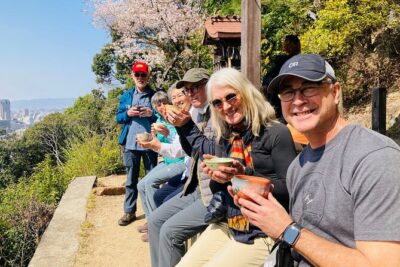
Hiroshima Local guided Hiking Tour&Open-air Tea Ceremony
Read our review →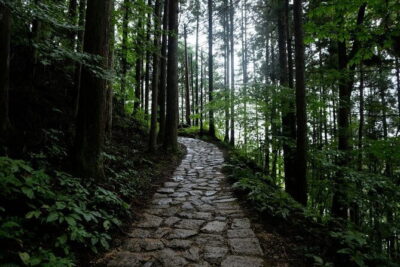
Hiking the Historic Nakasendo Trail [1 Day Tour from Nagoya]
Read our review →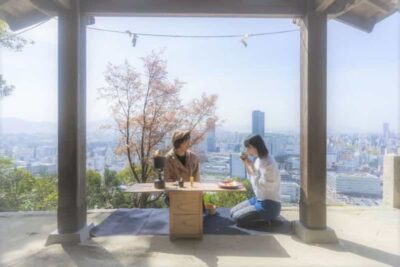
Hiroshima: Morning Hiking Tour with Open-air Tea Ceremony
Read our review →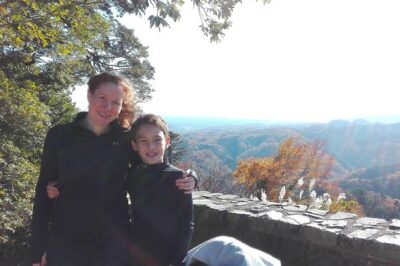
Full Day Hiking Tour at Mt.Takao including Hot Spring
Read our review →
Hike Japan Heritage Hakone Hachiri with certified mountain guide
Read our review →
Magome & Tsumago Nakasendo Trail Day Hike with Government-Licensed Guide
Read our review →This walk also sits in