REVIEW · VIETNAM
From Sapa: Muong Hoa Valley View & Village Trek 1-Day
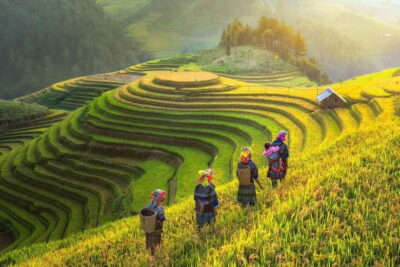
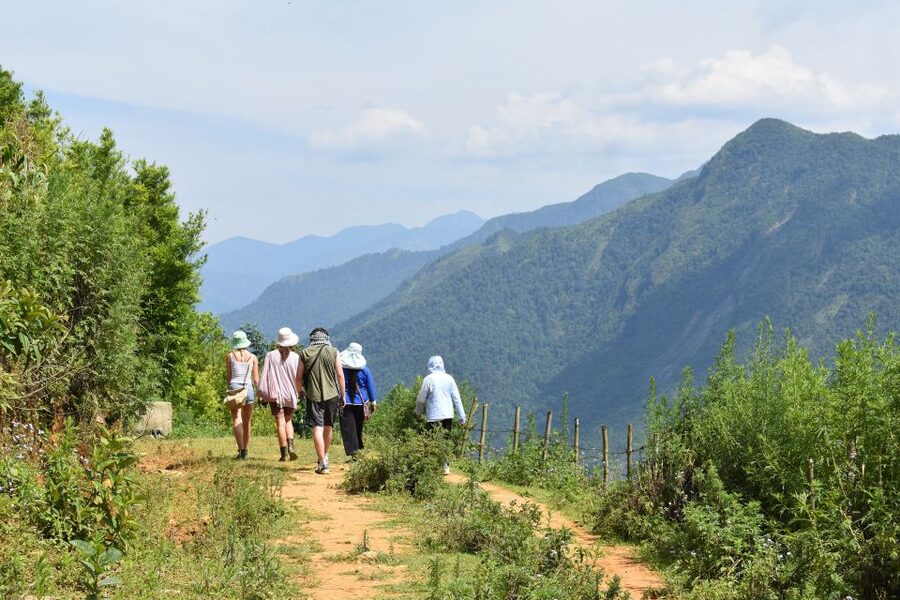
The best part of this Sapa day trek is the height. You climb toward Sa Seng and the top of Ham Rong Mountain, then walk through Black H’mong villages with broad views over Muong Hoa Valley, Sapa town, and the Hoang Lien Son range. The route reaches Tao Sha, described as Sapa’s highest village, and includes terraced fields, bamboo forest, clouds, and a group of ancient stones.
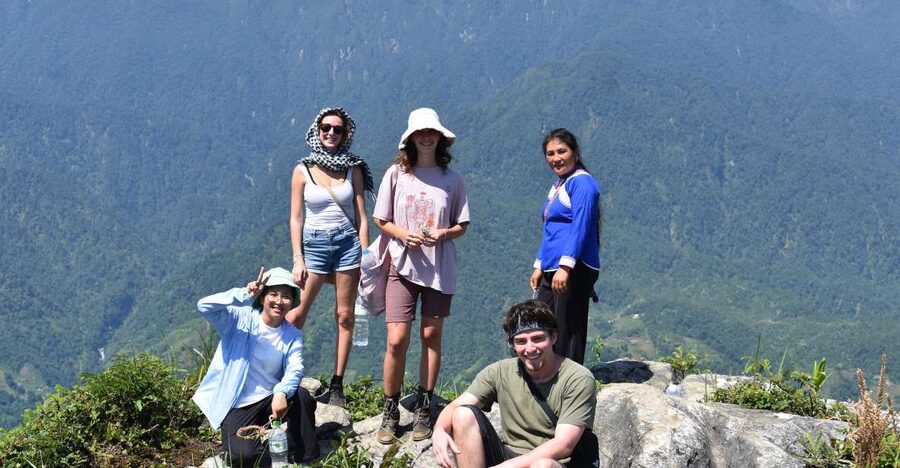
I like the small private-group format, which gives your guide room to set a sensible pace and answer questions about local food, plants, homes, and ethnic culture. I also like the route’s quieter feel. The trek passes through working villages and mountain paths rather than focusing only on Sapa’s most visited viewpoints.
The main consideration is the climb. Parts of the path are steep and rough, and the full walk can take six to seven hours. You need at least a medium level of fitness, and this is not suitable for pregnant women.
Key points at a glance
- Reach Tao Sha at about 2,500 meters: The route climbs high above Sapa before dropping through mountain villages.
- See Muong Hoa from several angles: Sa Seng, Hang Da, Sapa Sa, and Hau Thao each bring a different view.
- Meet Black H’mong communities: Your English-speaking guide explains local homes, food, plants, and traditions.
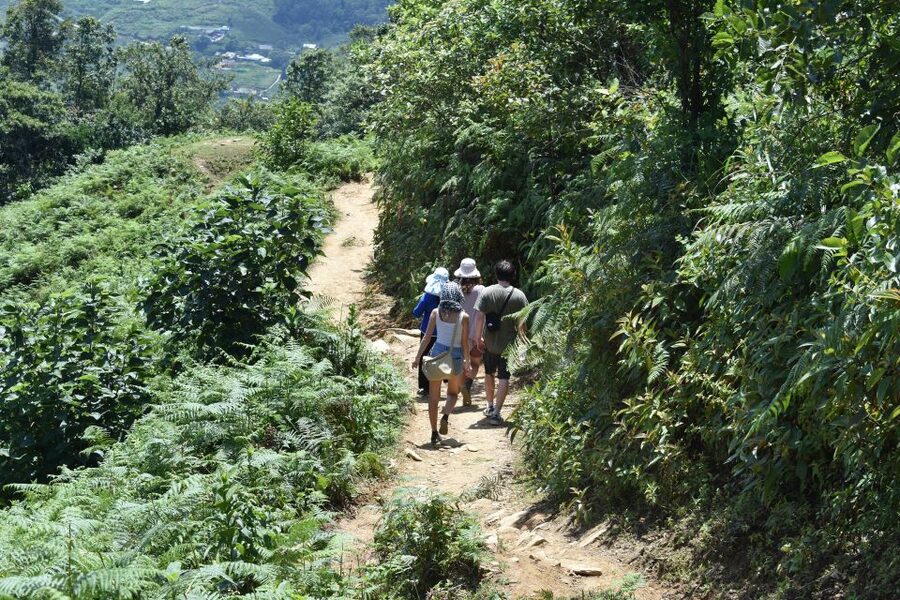
- Expect a real mountain trek: Steep ascents, rough tracks, narrow sections, and a long descent make sturdy footwear important.
- Lunch and transport are included: Hotel pickup, return by car, lunch, village entrance fees, and 1.5 liters of water are covered.
- Add a herbal bath afterward: Indigenous herbal baths, foot baths, and massages are available as an optional finish.
Climbing from Sapa to Sa Seng Village
Pickup is scheduled for around 8:30 a.m., with your hotel as the starting point. The company asks you to be ready at the front desk 30 minutes before departure, and it contacts you after booking to arrange the exact pickup time.
The trek begins with rough mountain roads and an uphill route toward Sa Seng Village. This opening section is the hardest part for many people. Expect steep ground rather than a gentle warm-up, with uneven footing as you gain height.
That effort pays off once you reach higher ground. From the top of Ham Rong Mountain, you can look across Sapa town and toward the Hoang Lien Son range. The view gives you a useful sense of the region’s shape: Sapa sits below, while ridges, valleys, forest, and cultivated slopes spread out around it.
The first section also gives your guide a chance to introduce the Black H’mong communities in the area. This is not a museum visit or a staged cultural show. You walk through villages where people live and work, so your guide’s explanation matters. Guides named Nhu and Nay have been praised for clear English, local knowledge, and friendly communication, though the guide assigned to your date may be different.
More Rice Terrace Hikes in Sa Pa:
- Sa Pa: Muong Hoa Valley Trek and Local Ethnic Villages
★ 4.6 · 864 reviews - Sa Pa: 6-Hours Muong Hoa Valley Trek with Local Ethnic guide
★ 4.5 · 178 reviews - 1-Day Sapa Long Trek – Rice Field Terrace, Ethnic Culture
★ 4.9 · 62 reviews
Hang Da and the cloud views at 11:30
By about 11:30 a.m., the route reaches Hang Da Village for lunch. Getting there involves a narrow-feeling mountain road, with a cliff on one side and Muong Hoa Valley on the other. That setting creates excellent views, but it also explains why the walk demands care.
Hang Da is known for open views of clouds and sky. On a clear day, you can look over green forest, distant high mountains, and curved rice terraces. In cloudier weather, the scene changes quickly, with mist and white cloud drifting across the ridges. You might find this especially rewarding if you enjoy taking photographs, but the weather is part of the experience, not something the tour can control.
Lunch is served at a local restaurant and is included in the price. The supplied information does not give a fixed menu, so do not book this expecting a particular dish. You can expect local food as part of the day’s village setting, and the guide can help explain what you are eating.
This is also a useful rest point. The first climb takes energy, and the second half continues through high villages and rice fields. Take your time over lunch rather than treating it as a quick stop.
Tao Sha, Sapa’s highest village
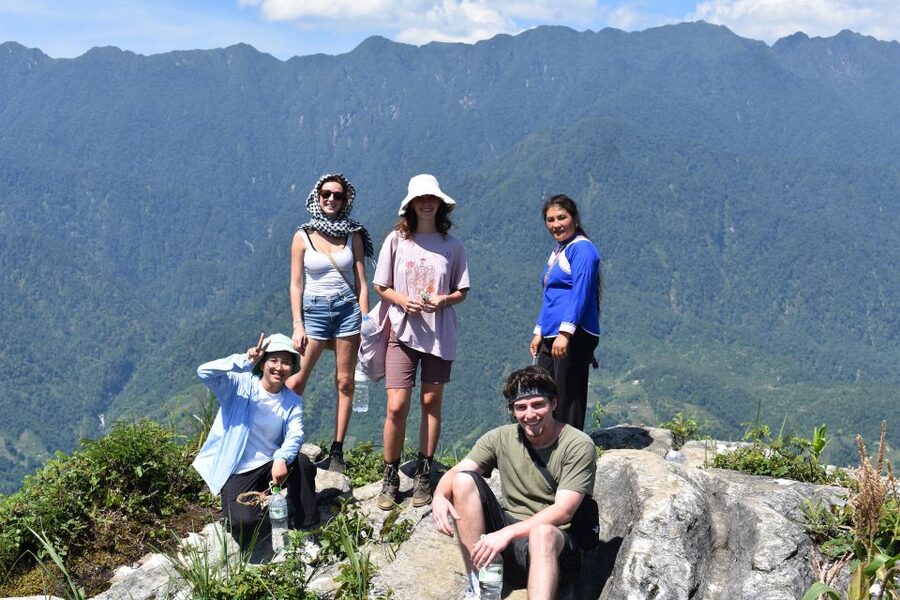
Around 1:15 p.m., the trek continues toward Tao Sha, identified as the highest village in Sapa. The route keeps the Muong Hoa and Hoang Lien Son views in sight, though the exact outlook will depend on cloud and weather.
Tao Sha is a Black H’mong village, and the stop gives you time to see local homes and meet people in the community. This is where the private format can make a real difference. You can pause to ask about village life, food, clothing, or the surrounding fields instead of being hurried through a fixed group schedule.
The altitude adds to the physical challenge. One account describes reaching about 2,500 meters, and another notes that the uphill and downhill sections can be exhausting. You should expect a mountain walk, not a casual village stroll.
Local women may walk with you briefly at the start of the route and offer goods for sale. The experience described here was not aggressive, and simply making it clear that you are not interested is enough. Still, carry small personal items securely and be polite. These are local communities, not a shopping stop designed around foreign visitors.
Sapa Sa and Hau Thao rice fields
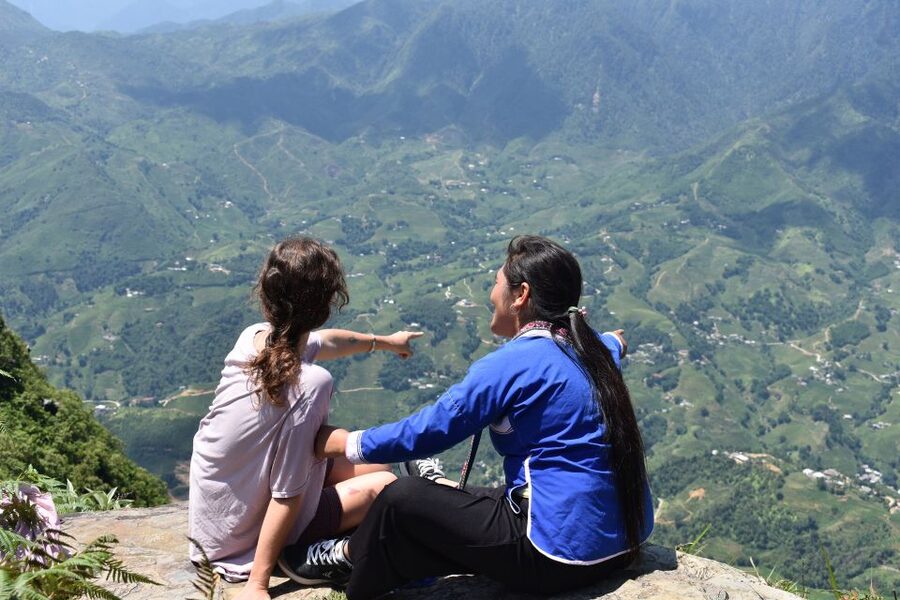
After Tao Sha, the route continues through Sapa Sa, described as a unique village in Hau Chu Ngai. You stop to rest and visit local houses, with more views across Muong Hoa Valley and the mountains.
The walk then heads toward Hau Thao. Here, rice fields spread along the mountainside beside forest and bamboo. The combination of terraces and wooded slopes is one of the most attractive parts of the route. The scenery feels connected to daily work, since the fields are part of the local setting rather than a separate viewing platform.
White cloud can gather around the ridges, creating the sea of clouds effect often associated with high Sapa walks. It may appear clearly, partly, or not at all. I would treat it as a bonus rather than a promise.
The Hau Thao section is also a good test of your legs. By this point, you have already climbed high and walked for several hours. If you are used to regular walking but not mountain trekking, the descent may be as tiring as the ascent. Use your guide’s pace and watch the ground instead of rushing to finish.
More Homestay and Village Treks in Sa Pa:
- Number one top rated ethical cultural trekking and homestay by ETHOS
★ 5.0 · 456 reviews - Sa Pa: 2-Day Trekking Trip with Ethnic Minority Homestay
★ 4.7 · 145 reviews - Private Hoang Lien National Park & Tribal Village Trek
★ 4.7 · 30 reviews - Sapa: 2-Day Local Guided Valley Trek with Night Homestay
★ 5.0 · 27 reviews
The ancient stones and the final descent
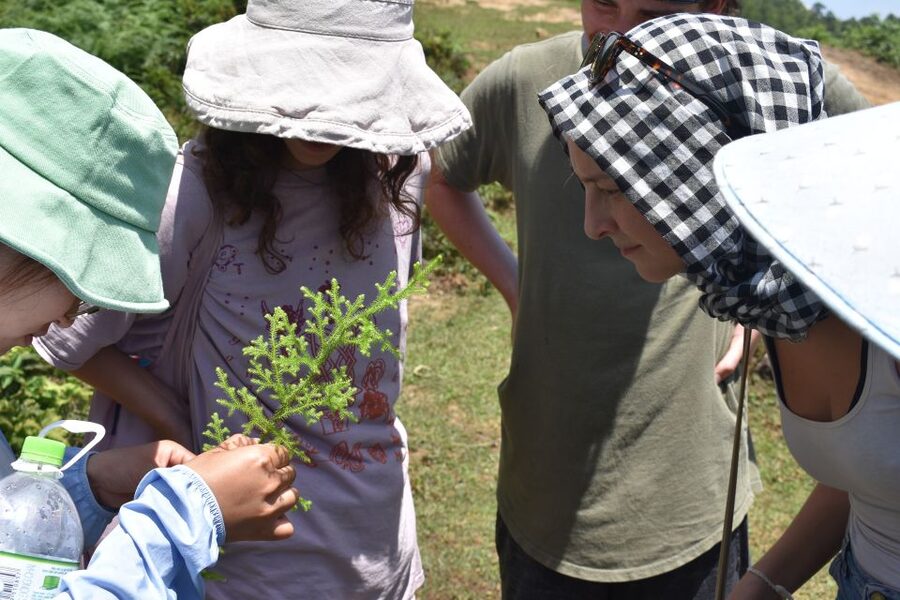
At around 3 p.m., you begin walking downhill toward the ancient stone site near Sapa. The site contains about 200 stones in different shapes and sizes. They are presented as evidence of people living in the area during an ancient period.
The stones add something different to the day. Until this point, the focus is on villages, mountains, rice fields, and views. Here, you have a chance to think about the people who came before the communities you meet today. The information provided does not give a detailed interpretation of the markings or the site’s exact age, so your guide’s explanation will be important.
The downhill route takes you back toward Sapa, with the waiting car collecting you at about 4 p.m. That return vehicle is valuable after six or seven hours on foot. It also means you do not need to walk the same route back to your hotel.
An optional herbal bath, foot bath, or massage can follow the trek. These services are not part of the $36 package, so ask about the cost before choosing one. After a long descent, a foot bath may be a sensible way to end the day, especially if you still have evening plans in Sapa.
What the $36 price covers
At $36 per person, the tour offers good value if you want a full mountain day without arranging separate transport, a guide, lunch, water, and village access.
Included services are:
- English-speaking guide
- Hotel pickup and drop-off
- Local restaurant lunch
- 1.5 liters of water per person
- Village entrance fees
- Private group arrangement
The private group matters most if you want a flexible pace or have questions about local life. It also avoids being attached to a large walking group with different fitness levels.
The price does not include the optional herbal bath, foot bath, or massage. It also does not promise specific weather, a particular guide, or a fixed lunch menu. I would confirm those points when arranging pickup, especially if you have dietary needs.
The booking terms are flexible. You can cancel up to 24 hours before departure for a full refund, and you can reserve now and pay later. That is useful in Sapa, where mountain weather can change your plans.
How hard is this trek?
You should prepare for a medium to demanding mountain walk. The route includes steep climbs, rough roads, narrow mountain sections, and a long descent. One section rises toward roughly 2,500 meters, and the total walking time can reach six or seven hours.
Wear shoes with good grip. The information does not promise paved paths, and the opening climb is specifically described as rough and steep. Bring extra drinking water if you normally drink more than 1.5 liters during a full day outside.
This is not the right choice if you want a relaxed sightseeing drive with a few short walks. It suits you if you can walk for most of a day, handle uneven ground, and accept that mountain views depend on weather.
The tour is not suitable for pregnant women. If you have another medical concern, the supplied information does not provide a separate medical policy, so ask the operator before booking.
Guide quality and the local experience
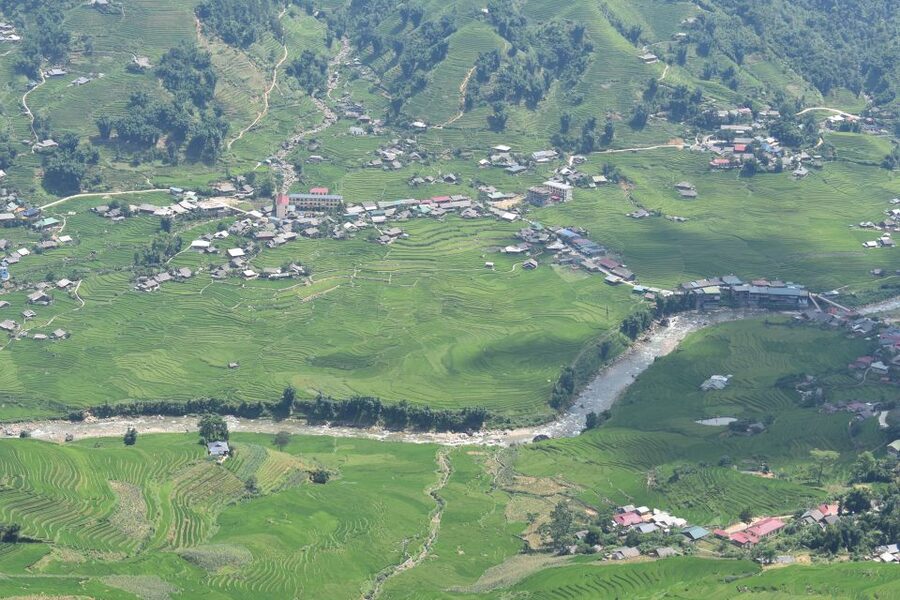
The guide is central to this trip. An English-speaking local guide leads the walk, explains the ethnic minority culture, and helps connect the scenery with village life.
Nhu and Nay are two guides associated with this route. Nhu has been praised for extensive explanations and for making communication easy before the tour. Nay has been described as friendly, informative about plants, local food, and tribal culture, and able to guide a private walk at a comfortable pace.
You should still confirm the assigned guide after booking. Names cannot be guaranteed from the tour details alone.
The route also benefits from being less focused on busy central Sapa. You pass through Black H’mong villages, visit houses, and walk beside fields and forests. That does not make the experience untouched or free from all sales activity, but it does give you more contact with the setting than a short viewpoint visit.
Who should book this day out?
I would choose this trek if you want:
- A full day outside Sapa town
- High viewpoints over Muong Hoa Valley
- A private group rather than a large shared walk
- A guide who can explain local culture and food
- Village visits combined with serious walking
- Terraced fields, bamboo forest, clouds, and mountain roads
- Included transport and lunch at a moderate price
I would skip it if you want an easy route, dislike steep descents, or need a guaranteed clear view. The tour works best for people who see physical effort as part of the day rather than an inconvenience.
Should you book the Muong Hoa Valley trek?
Yes, if you are fit enough for a six to seven-hour mountain walk and want a quieter, more local-feeling day around Sapa. The combination of Sa Seng, Hang Da, Tao Sha, Hau Thao, and the ancient stones gives you more variety than a simple valley walk.
The strongest reasons to book are the high viewpoints, private guide, included transport, and chance to learn about Black H’mong village life along the way. The main warning is simple: this route is steep and tiring. Bring proper shoes, accept that clouds may hide the views, and book it for the walking rather than for a guaranteed photograph.
FAQ
How long does the Muong Hoa Valley trek last?
The activity is valid for one day. The planned schedule runs from pickup around 8:30 a.m. until the return to Sapa at about 4 p.m., with roughly six to seven hours of trekking.
What villages does the trek visit?
The route includes Sa Seng, Hang Da, Tao Sha, Sapa Sa, and Hau Thao. It also passes through Black H’mong communities and local homes.
Does the tour reach Sapa’s highest village?
Yes. The route visits Tao Sha, described as the highest village in Sapa. One account also places the trek at about 2,500 meters.
Is hotel pickup included?
Yes. Hotel pickup and drop-off in Sapa are included. You should be at your hotel front desk 30 minutes before departure, and the company contacts you to arrange the pickup time.
Is lunch included?
Yes. Lunch at a local restaurant in Hang Da Village is included.
How much water is provided?
The tour includes 1.5 liters of water per person.
Is this a private tour?
Yes. The group type is private, so your party is not combined with a large shared group.
Is the trek suitable for pregnant women?
No. The activity is listed as not suitable for pregnant women.
Can I cancel for a refund?
Yes. You can cancel up to 24 hours in advance for a full refund. You can also reserve now and pay later.
More One-Day Trips in Sa Pa
- From Sapa: 1-Day Guided Trek to Lao Chai & Ta Van with Lunch
★ 4.9 · 416 reviews - Sapa 1 Day Long Trek: Trek to Hau Thao and Sa Seng Villages
★ 4.6 · 344 reviews - 1-day Authentik trek & Panorama valley views
★ 5.0 · 189 reviews - 1 day Fansipan Trekking
★ 5.0 · 180 reviews
Just added around Sa Pa
- From Sapa: Guided Full-Day Trekking with Lunch and Drop-Off★ 4.2 · 86 reviews
- Sapa Trekking Bargains With Local Guide★ 4.9 · 91 reviews
- Sapa: Y Linh Ho – Lao Chai, and Ta Van Trekking Day Tour★ 5.0 · 25 reviews
- Sapa: Trekking Sapa One Day With Group Tour★ 4.7 · 55 reviews
- Sapa: Ta Phin Village Trek with Lunch and Bathing Experience★ 4.7 · 13 reviews
- Sapa Trekking Private Tour With Ethnic Female Tour Guide★ 4.9 · 24 reviews
- Sapa: Muong Hoa Valley View & Villages Trek with Local Guide★ 5.0 · 25 reviews
- Sapa: Sapa Mountain View And Villages Trek★ 4.4 · 16 reviews
Homestay & Village Treks, side by side.
Number one top rated ethical cultural trekking and homestay by ETHOS
Read our review →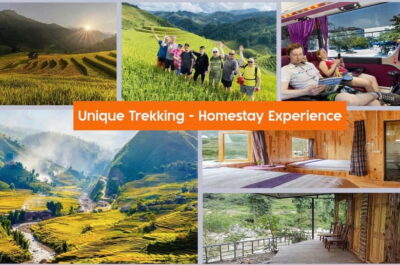
2-Day Sa Pa Ethnic Homestay Tour & Trek with Limousine Bus
Read our review →
Sapa 3 Day 2 Night Trekking With Hotel & Homestay
Read our review →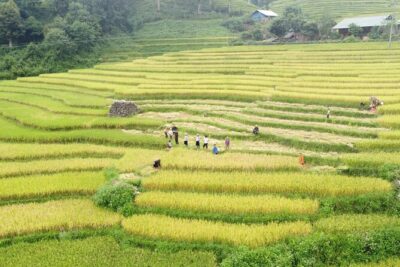
Sapa 2 Days 1 Night Overnight At Local Homestay
Read our review →
Sa Pa: 2-Day Trekking Trip with Ethnic Minority Homestay
Read our review →